
Crevenagh House, Omagh
A House Above Omagh Lost to Time, Fire and Silence.
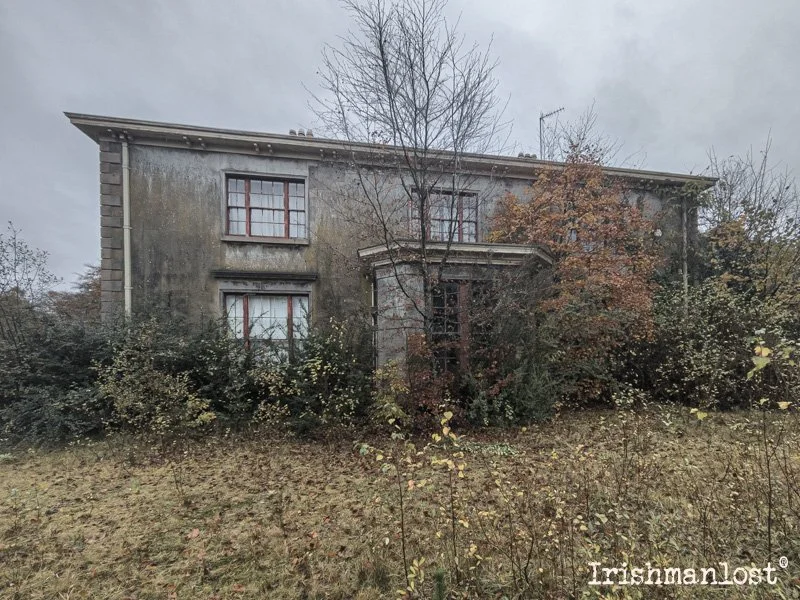
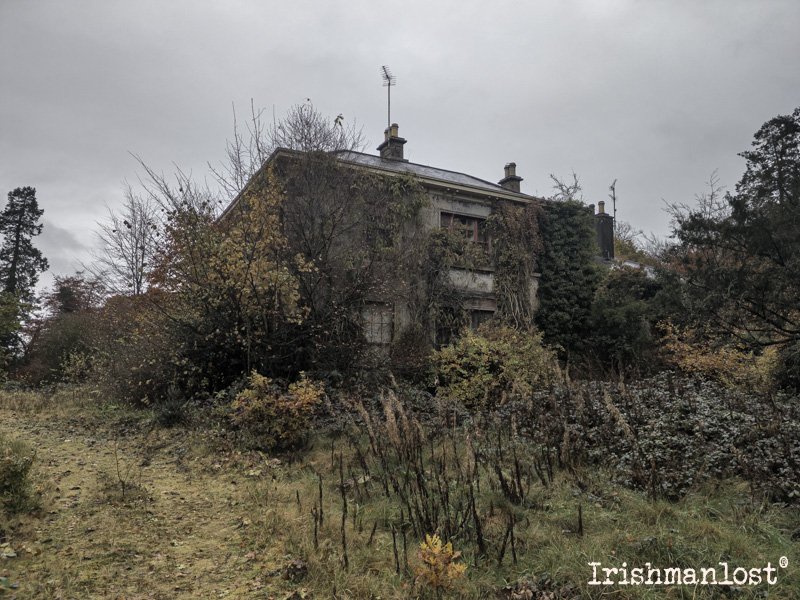
I remember the first time I saw Crevenagh House standing above Omagh. Even in its decline, it still carried the quiet presence of a place that had once been important. The house sat back from the road, partially hidden by trees, the kind of place you could drive past a hundred times and never realise the history resting behind the overgrowth.
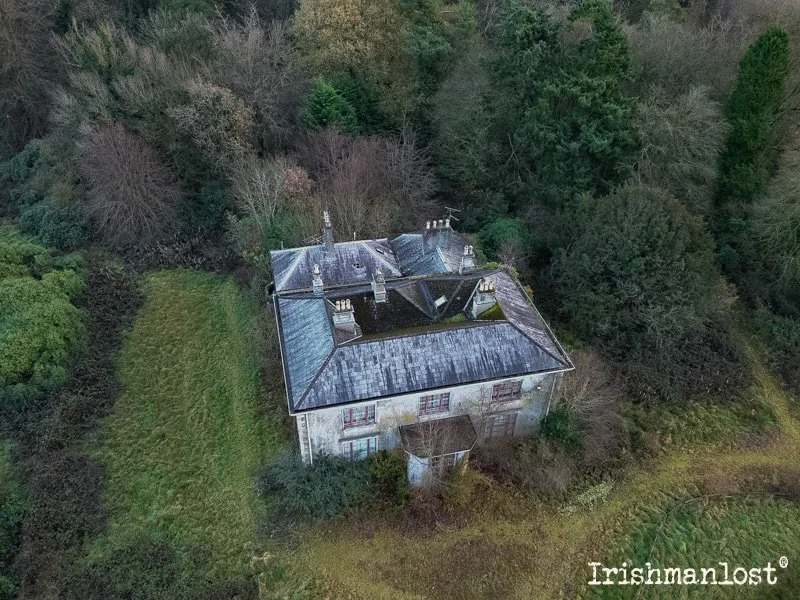
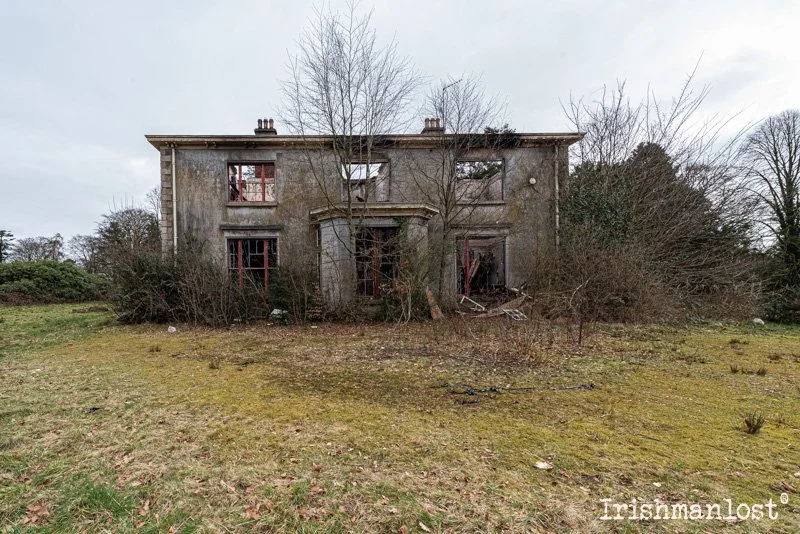
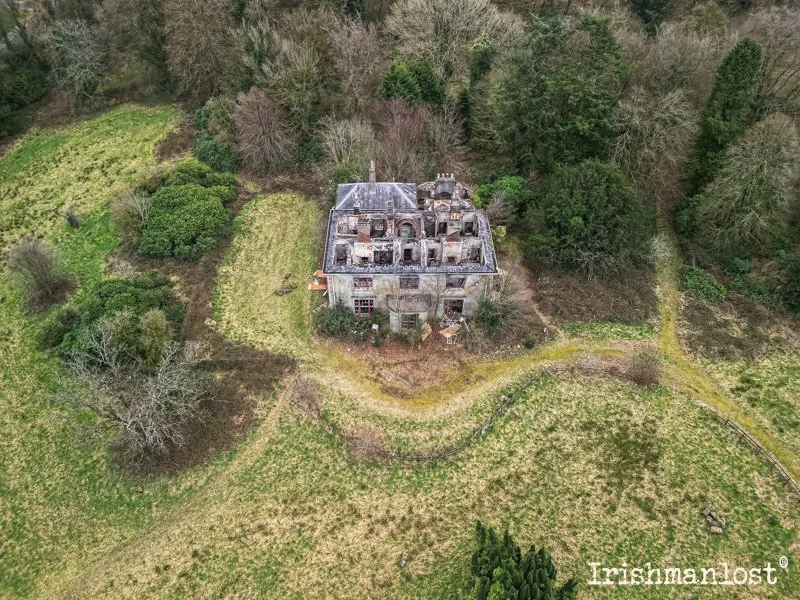
Crevenagh House was originally built around 1820 by Daniel Eccles Auchinleck, a man who served as Clerk of the Peace for County Tyrone. Like many country houses of the period, it was designed in a simple Georgian style. It was not the largest estate house in Ireland, but it had a quiet elegance to it — a two-storey structure with three bays at the front and tall windows that once would have looked out across carefully maintained grounds.
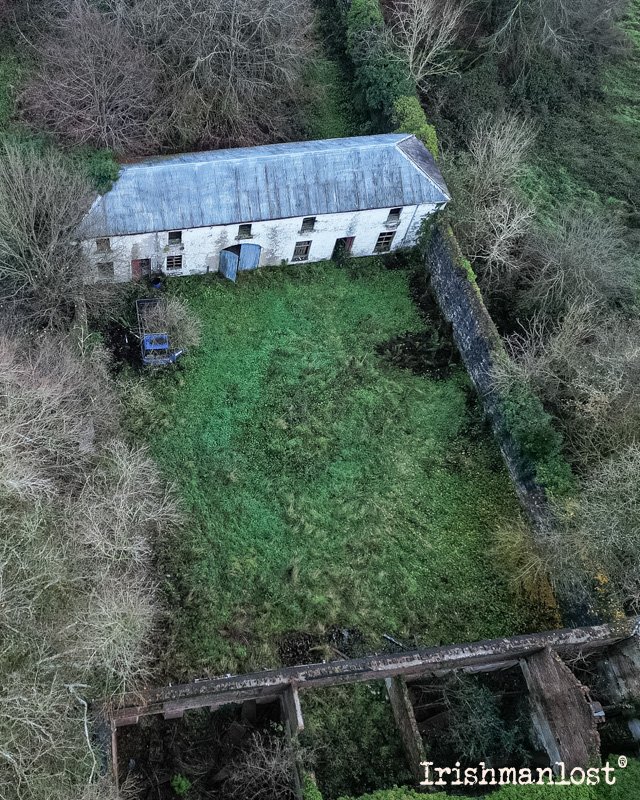
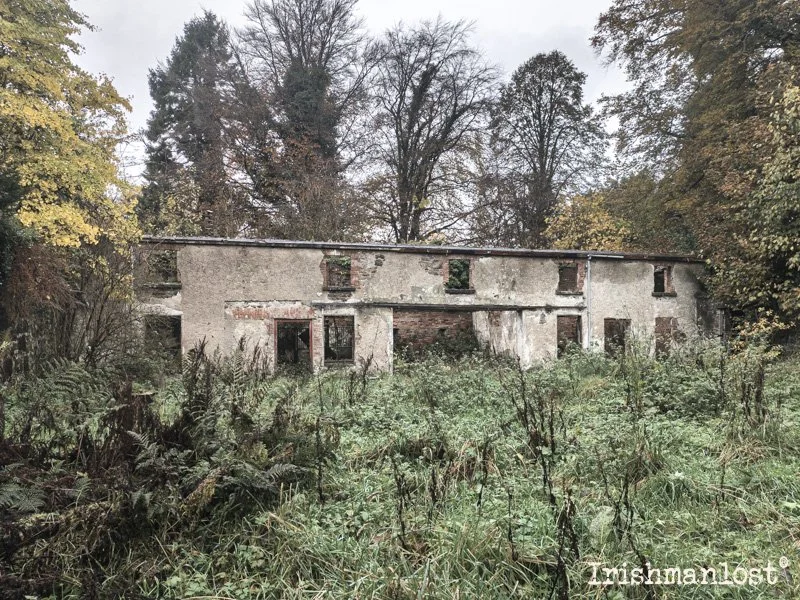
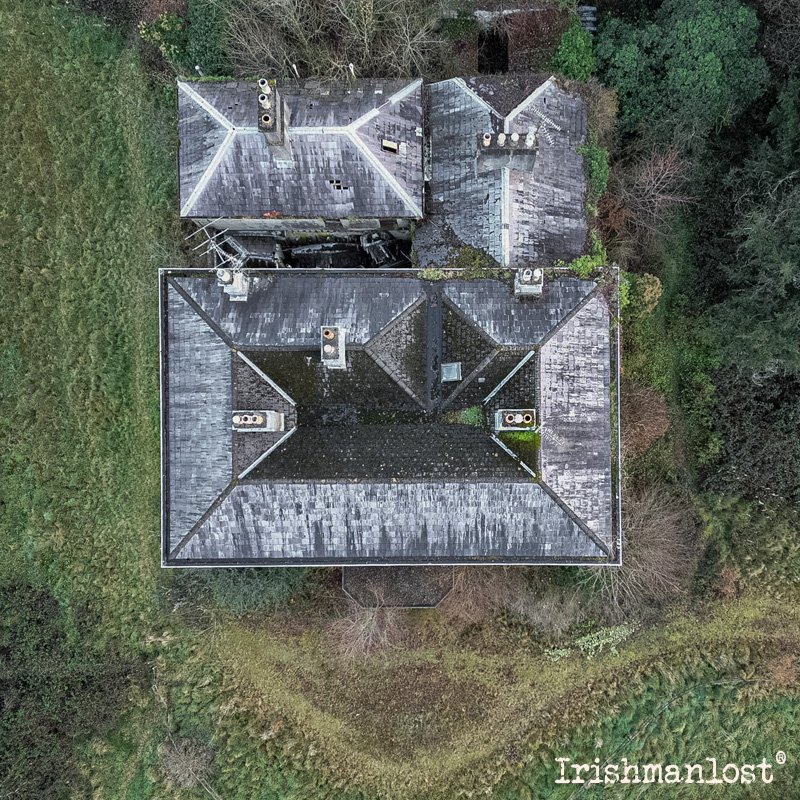
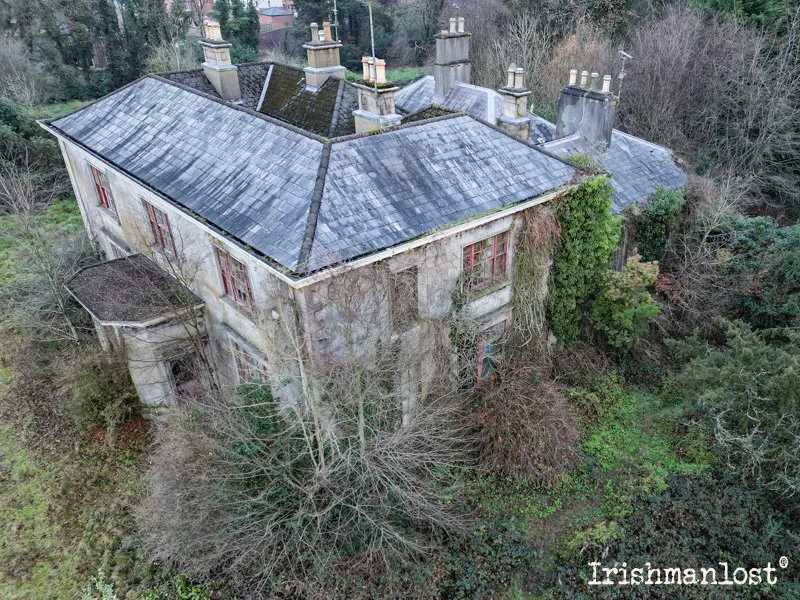
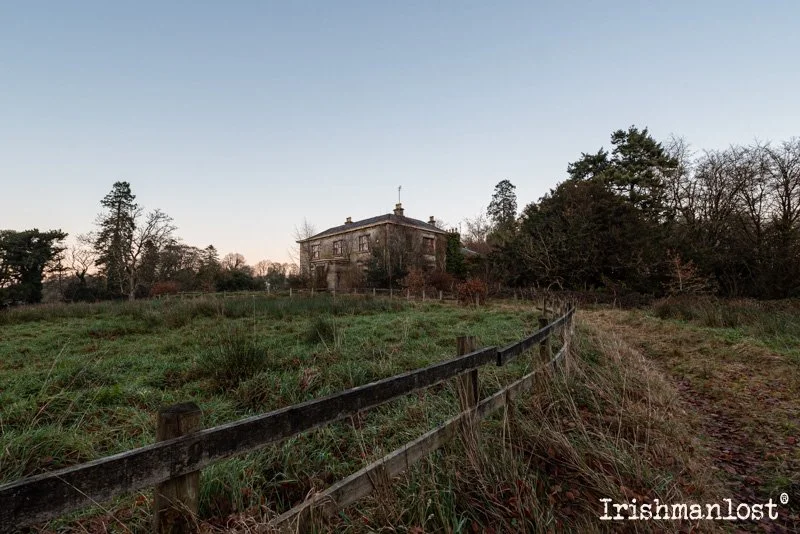
When it was first built, the house would have been the centre of a small working estate. There was a gate lodge at the entrance, stables, farm buildings, and gardens surrounding the main house. Servants would have lived and worked here, maintaining the property and the grounds while the family lived the life expected of a nineteenth-century landed household. The estate overlooked the Drumragh River, and the surrounding land would have been carefully managed farmland.
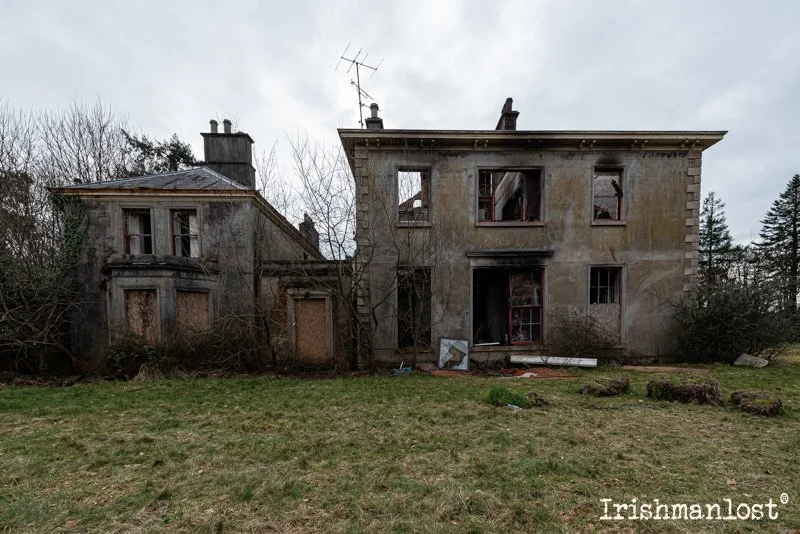
For much of the nineteenth century, the house remained in the hands of the Auchinleck family. They were not only landowners but part of the professional and military circles of the time. Over the years, the house was expanded, with additional sections built onto the rear to provide more living space as the family grew.
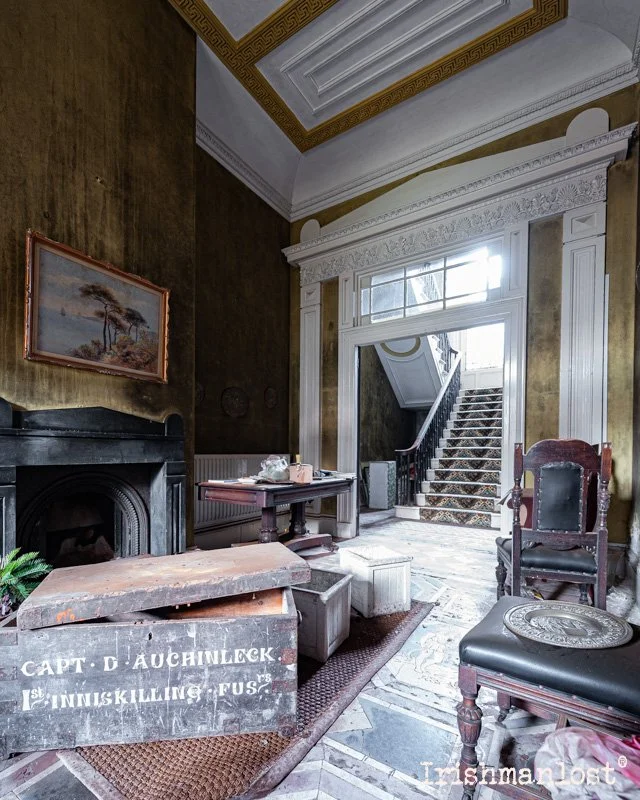
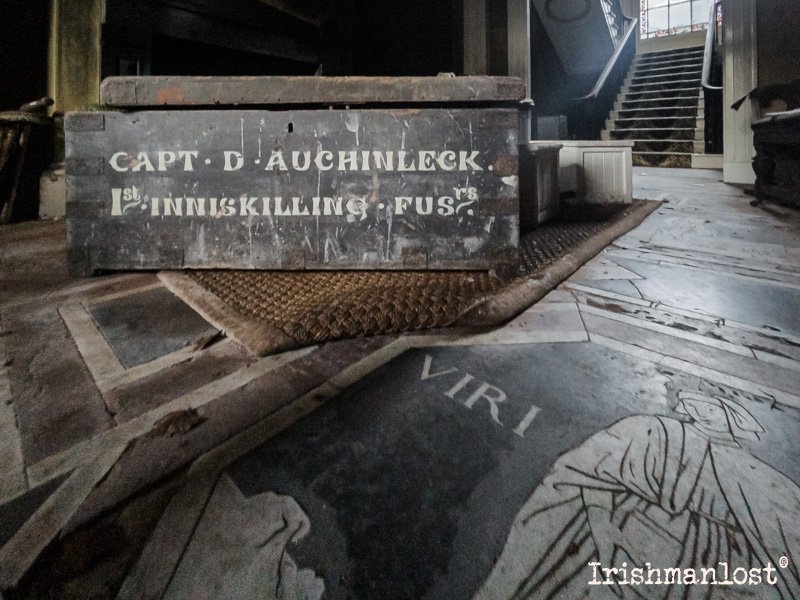
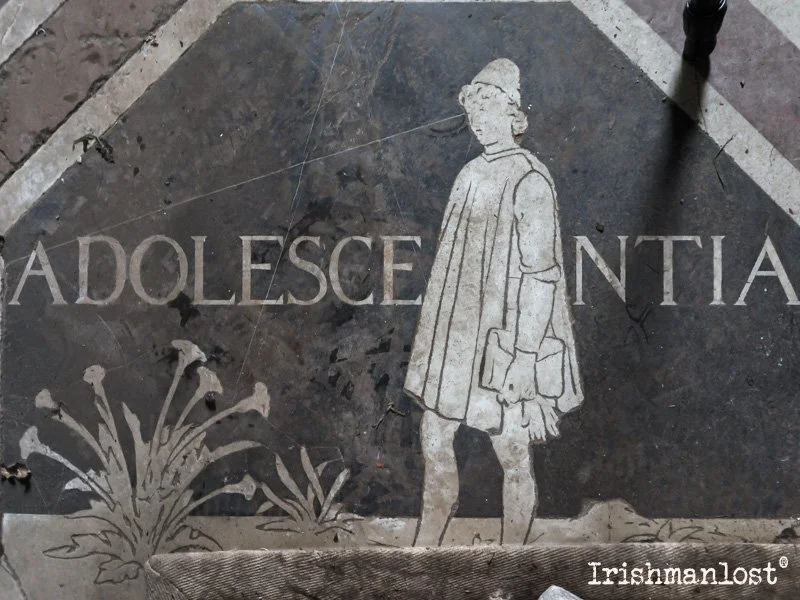
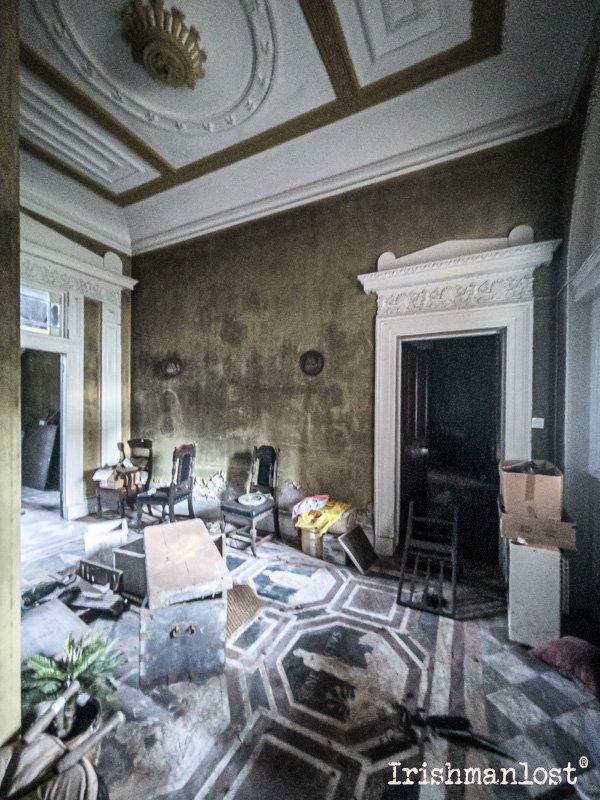
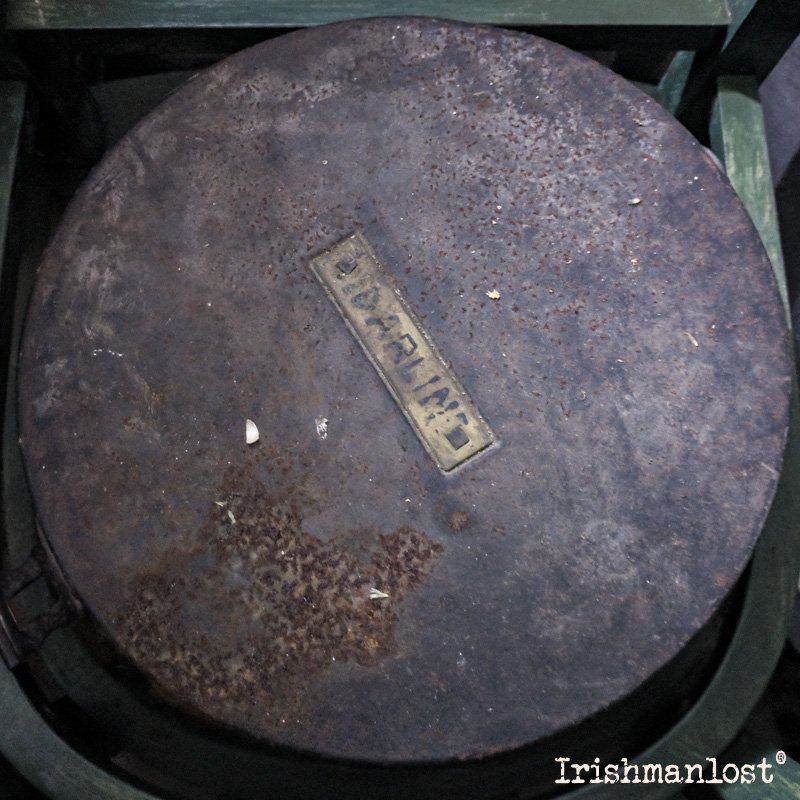
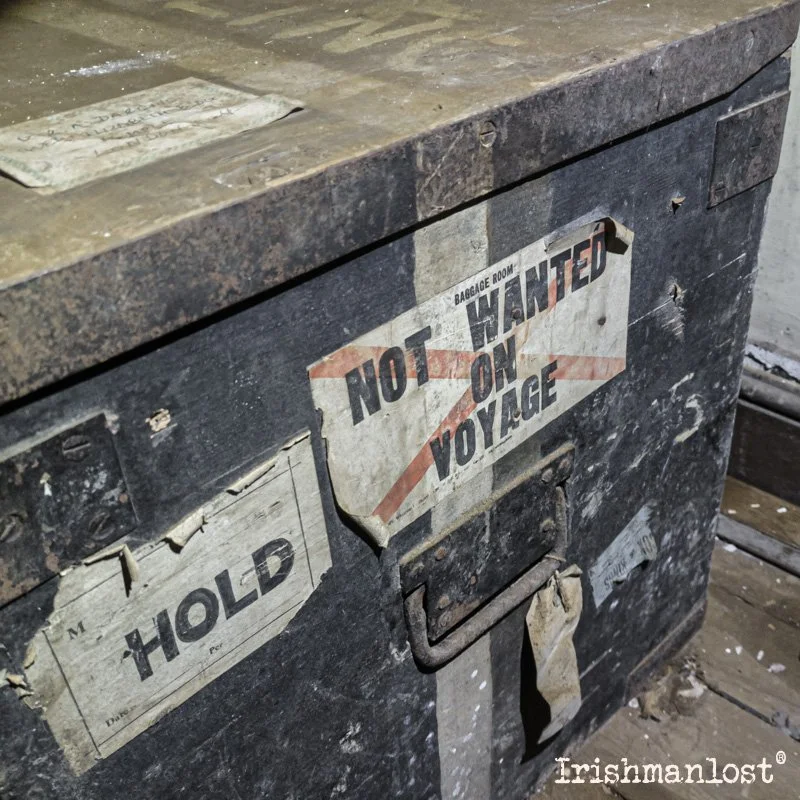
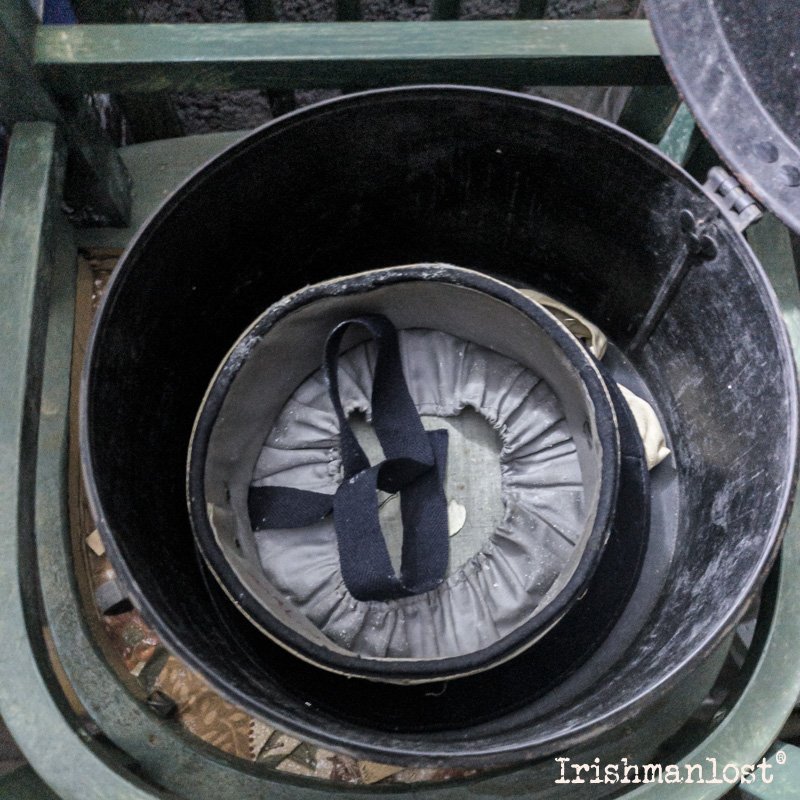
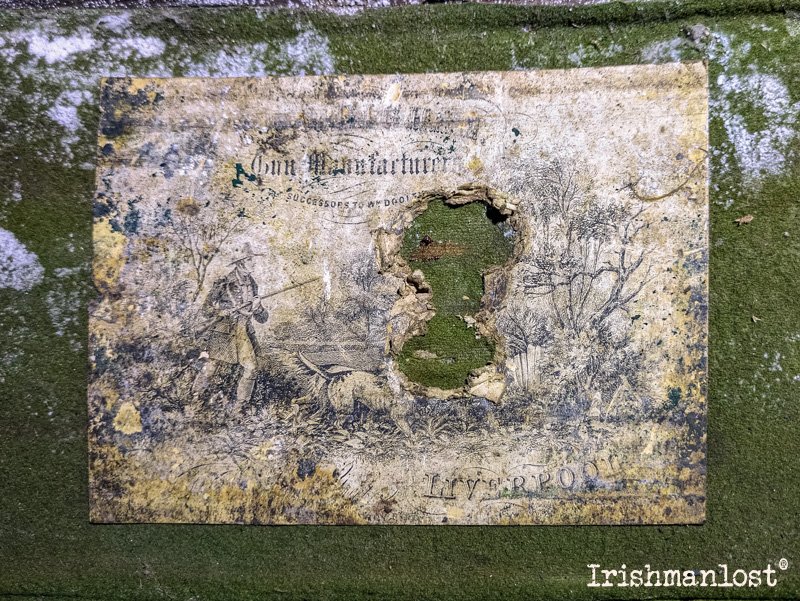
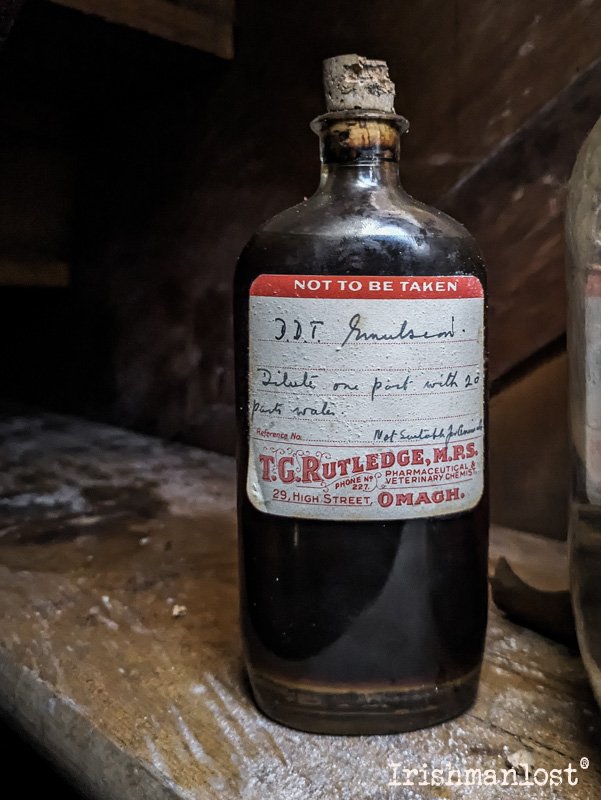
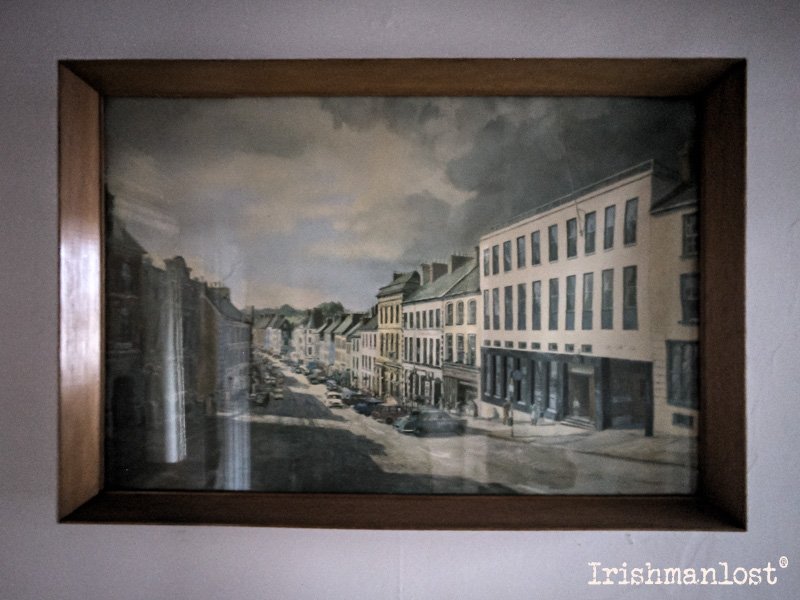
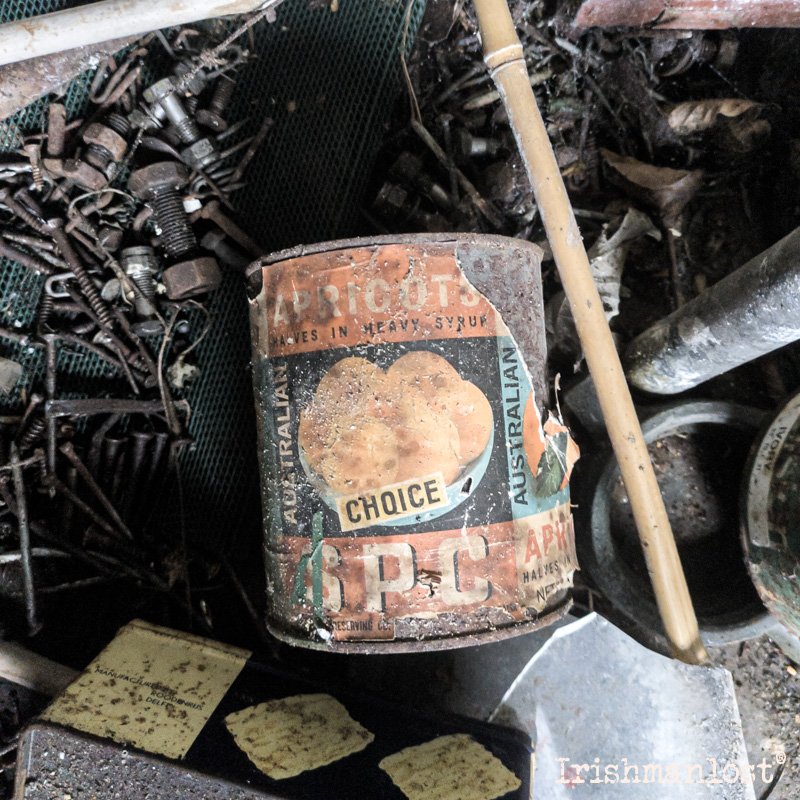
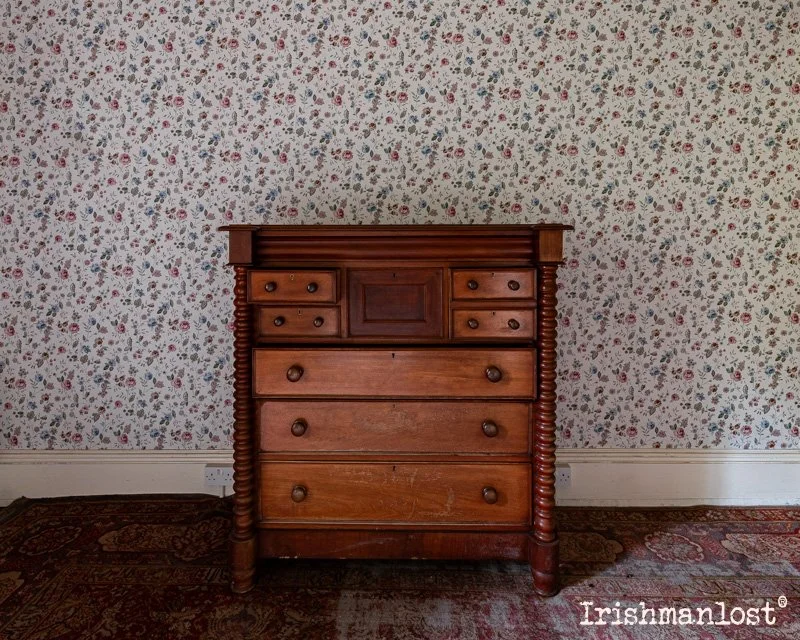
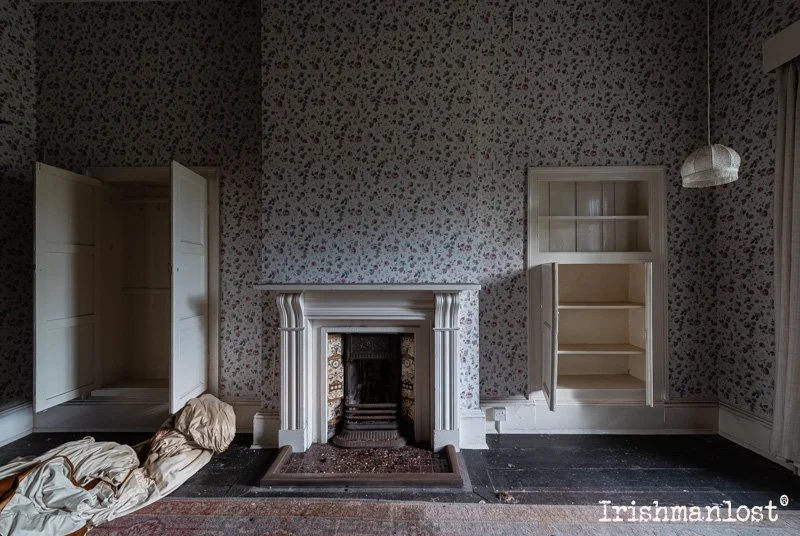
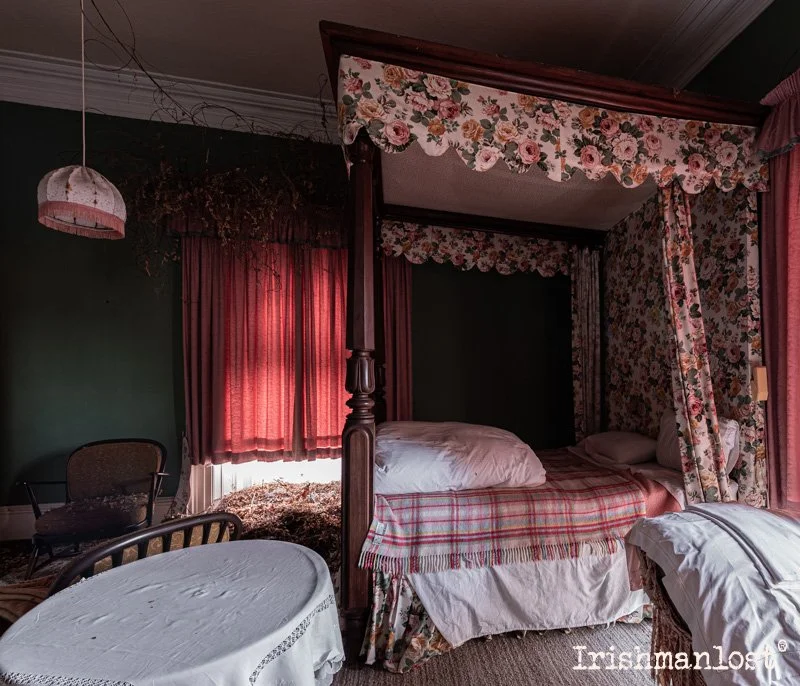
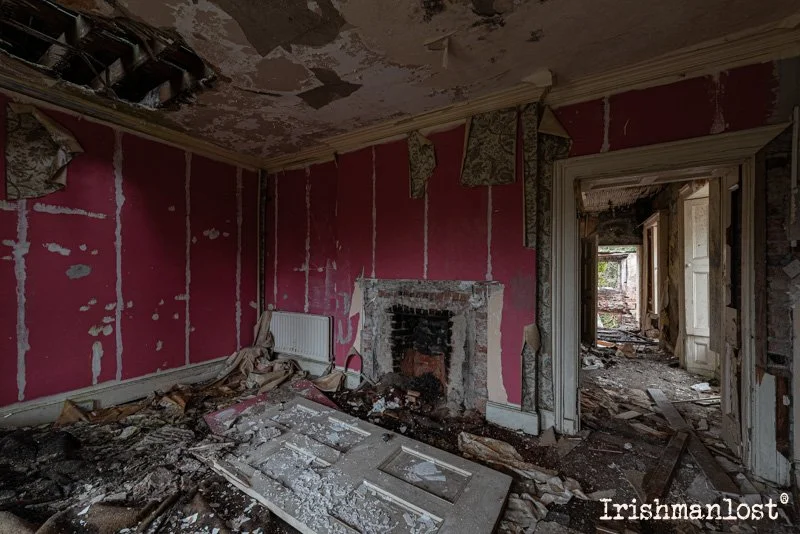
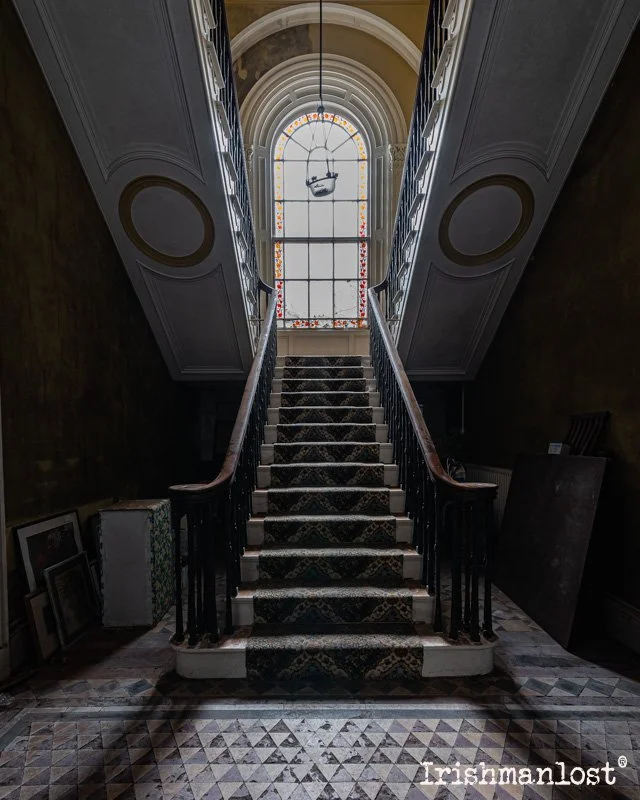
Walking through the house, it was easy to imagine what it must have looked like in its earlier years. Many of the rooms were still intact, with furniture left in place as if time had simply stopped. Chairs, fireplaces, and personal traces of daily life remained, quietly holding onto the past. The house felt frozen rather than ruined, its proportions and symmetry still clear, its character not yet lost but waiting in silence.
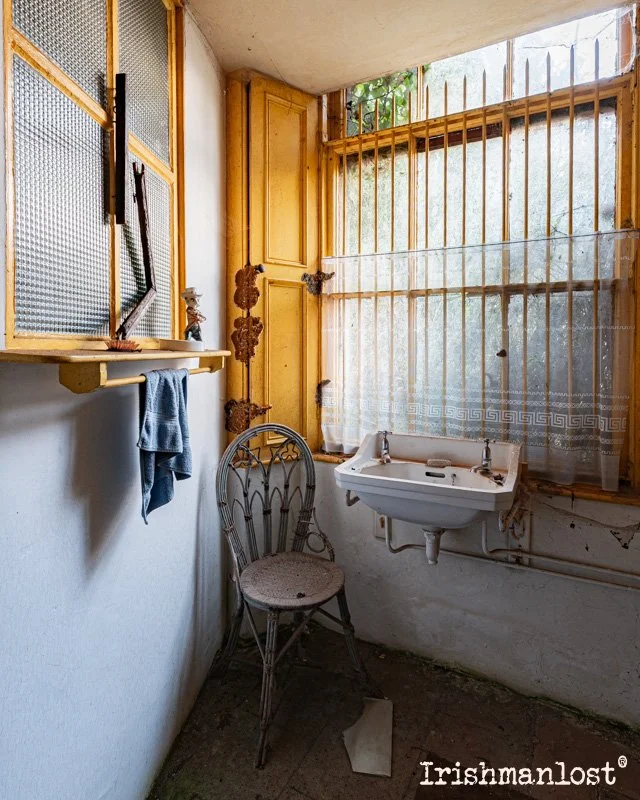
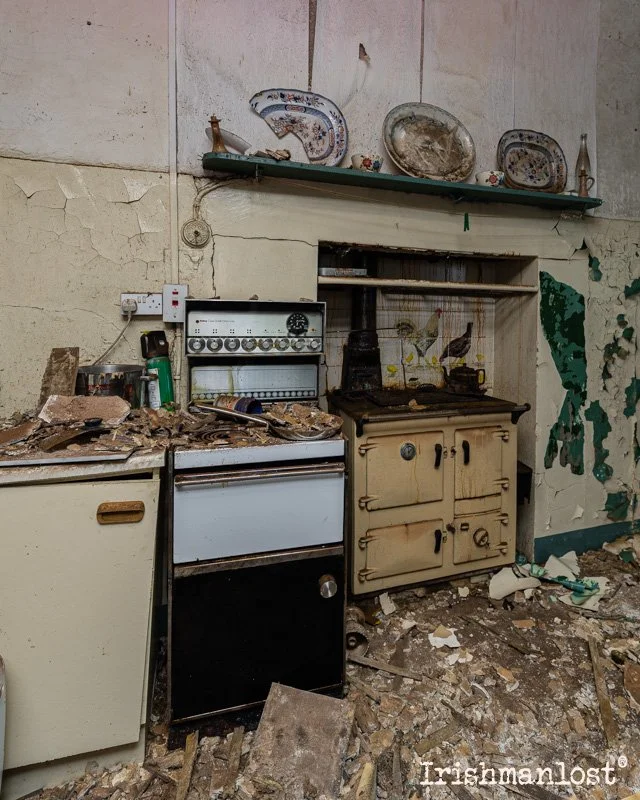
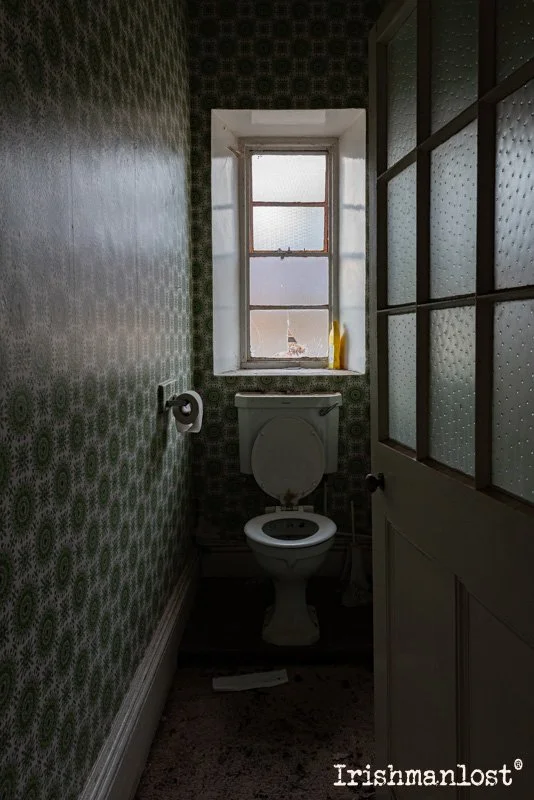
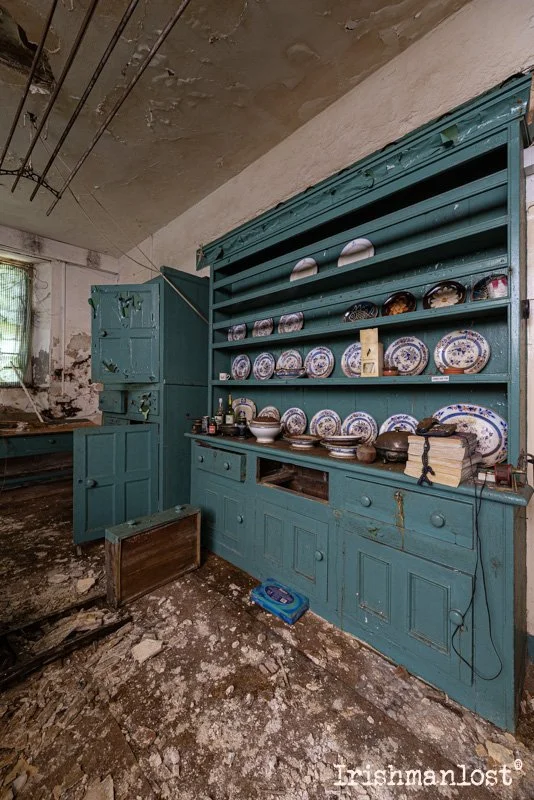
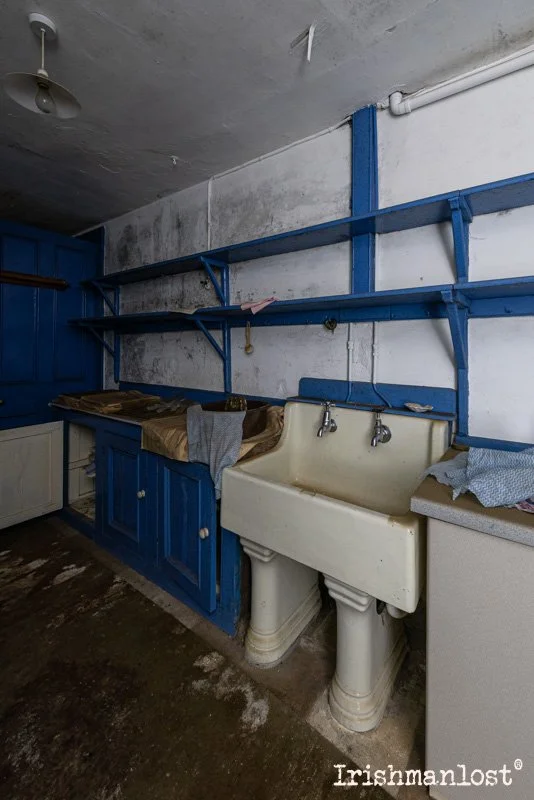
As the decades passed and the twentieth century arrived, the fortunes of many Irish country houses began to change. The world that had supported large estates was slowly disappearing. War, economic change and shifting social structures meant that maintaining houses like Crevenagh became increasingly difficult.
Members of the extended family served in the military during the First World War and later conflicts. One of them, Captain Daniel George Harold Auchinleck, was killed during the early stages of the war in 1914. Stories like that were repeated across countless families of the time, and Crevenagh House was no exception.
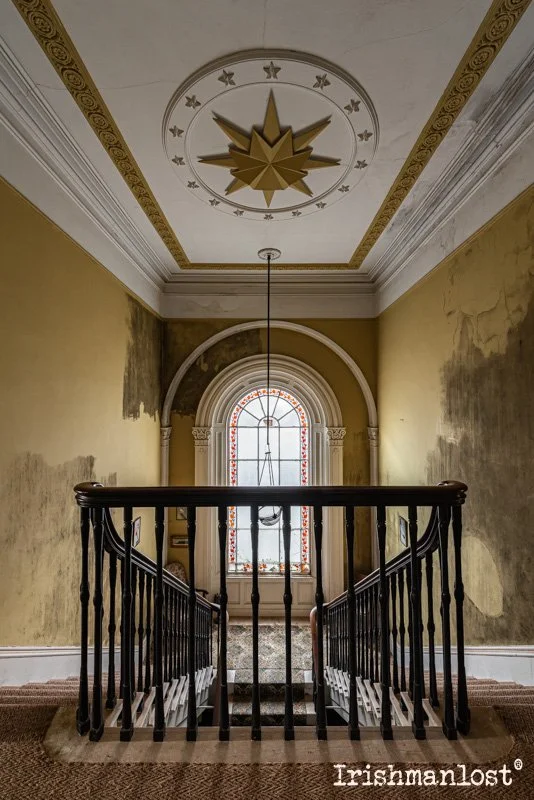
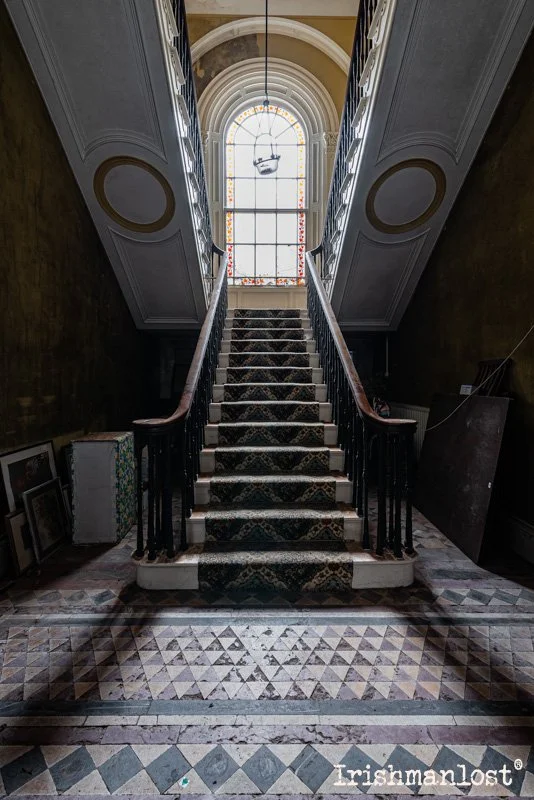
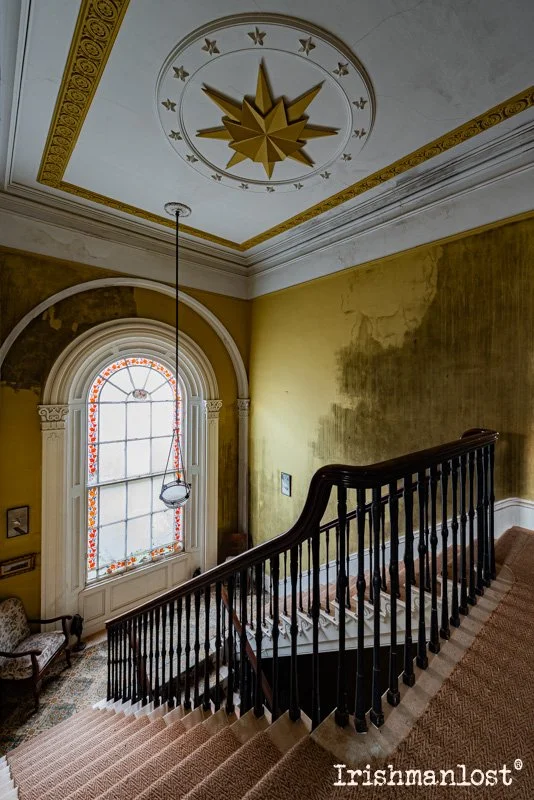
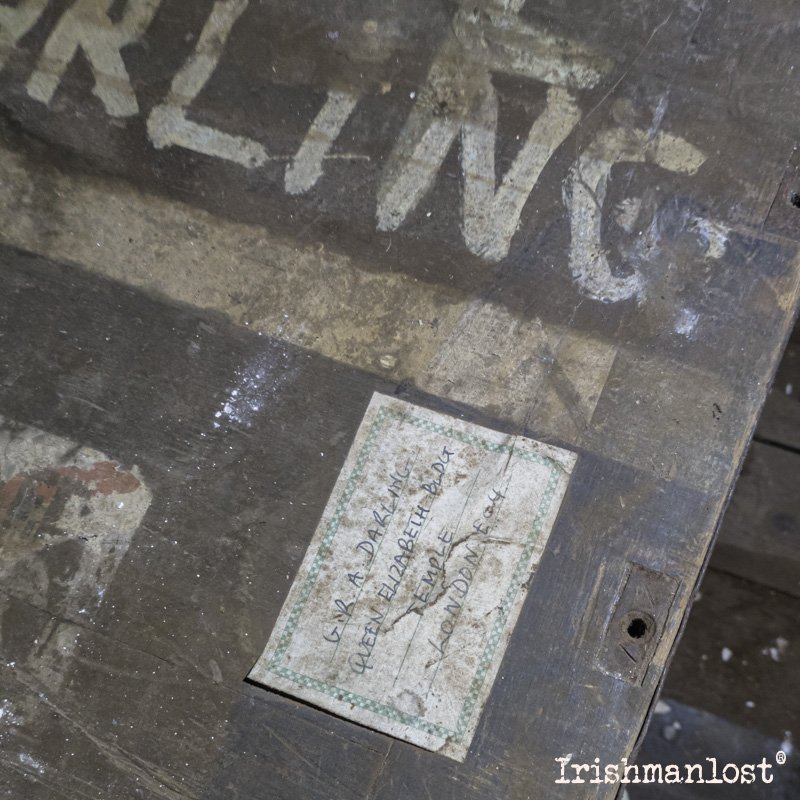
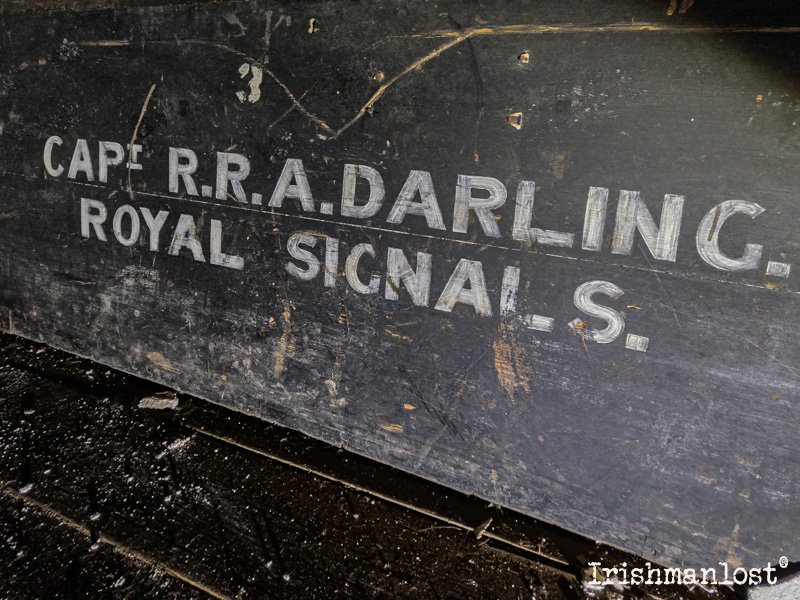
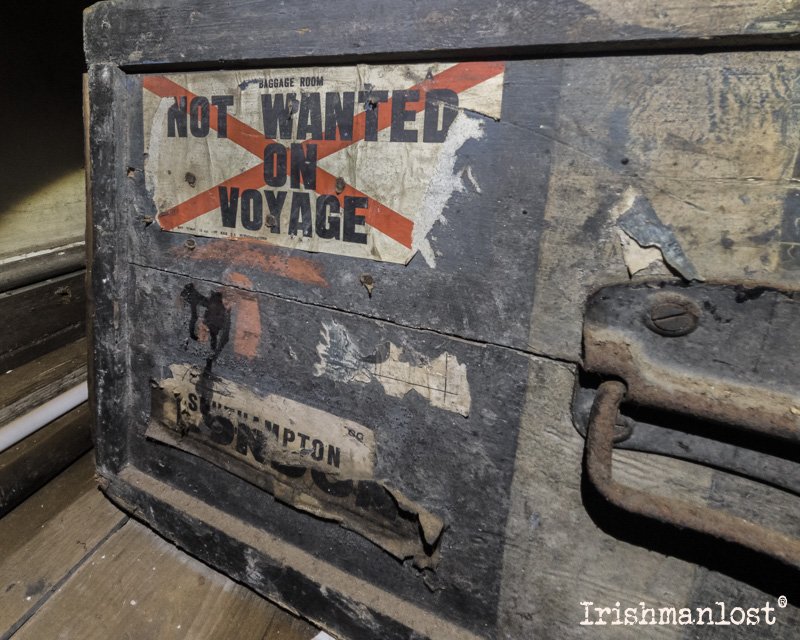
Eventually, the estate passed through the family line to Lieutenant-Colonel Ralph Reginald Auchinleck Darling. After his military career, he returned to Northern Ireland and made Crevenagh House his home. His son, Gerald Ralph Auchinleck Darling, would later inherit the estate. Gerald had served in the Royal Navy Reserve during the Second World War and later became a maritime lawyer, eventually serving as a judge in the Admiralty Court of the Cinque Ports.
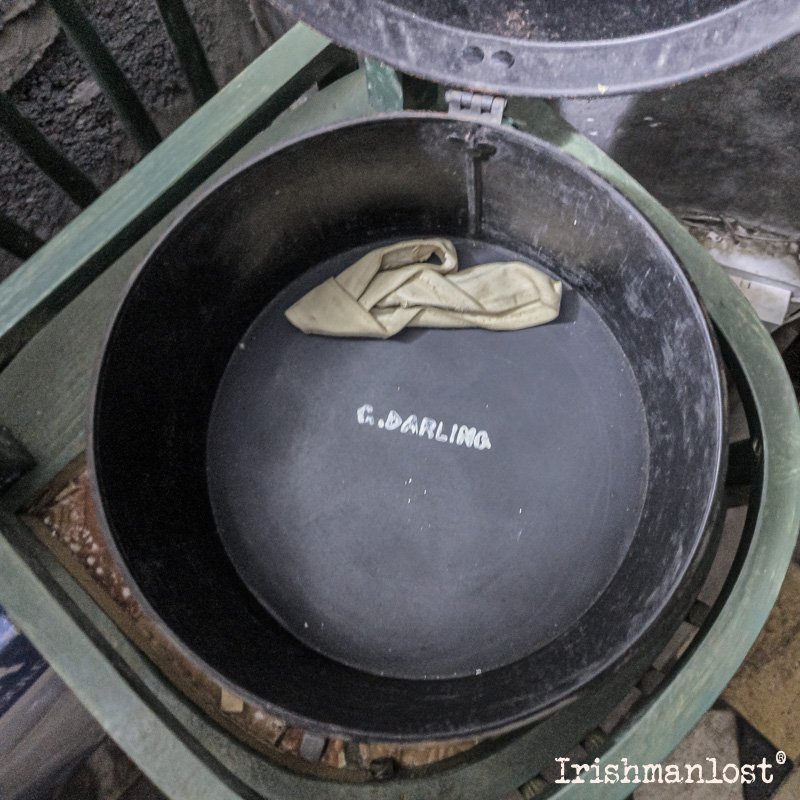
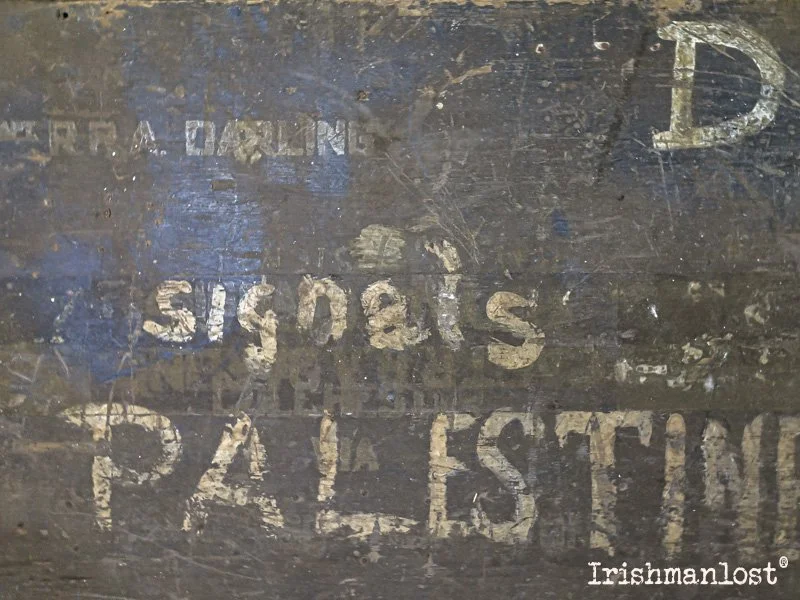
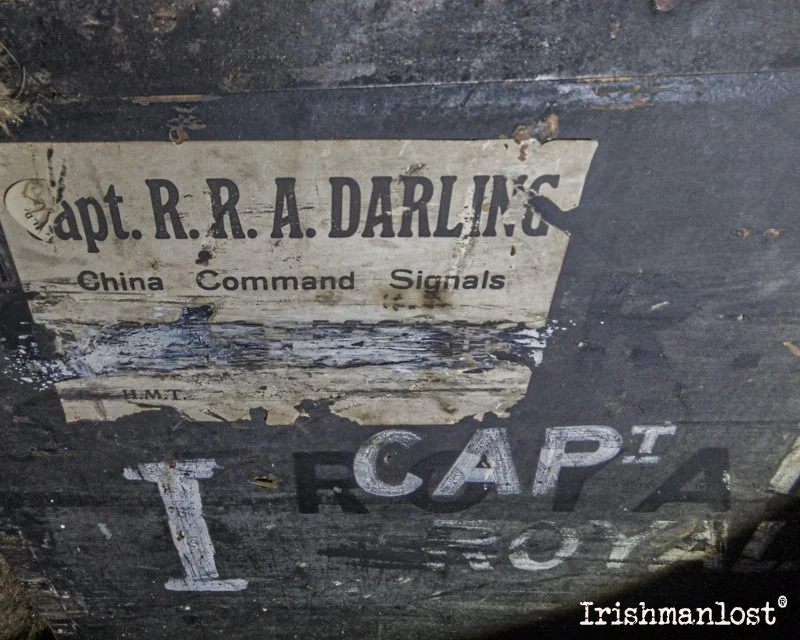
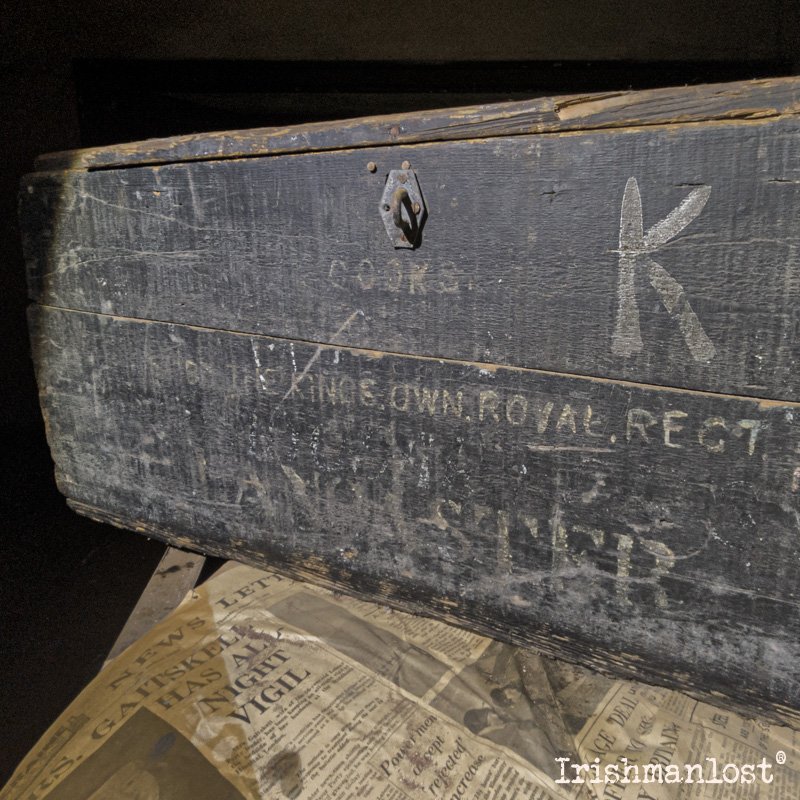
At its height, Crevenagh House was more than just a home. It was a small rural community.
The estate included:
A gate lodge where the gatekeeper lived
Stables and farm buildings
Gardens and orchards
Servants’ quarters attached to the main house
Visitors would arrive along a curved driveway leading from the road up the hill toward the house. The surrounding gardens were known for their flowers and carefully kept grounds.
Like many estates of the period, the house symbolised both wealth and social status. Yet it was also tied closely to the local economy, employing gardeners, farm workers and domestic staff from the surrounding area.
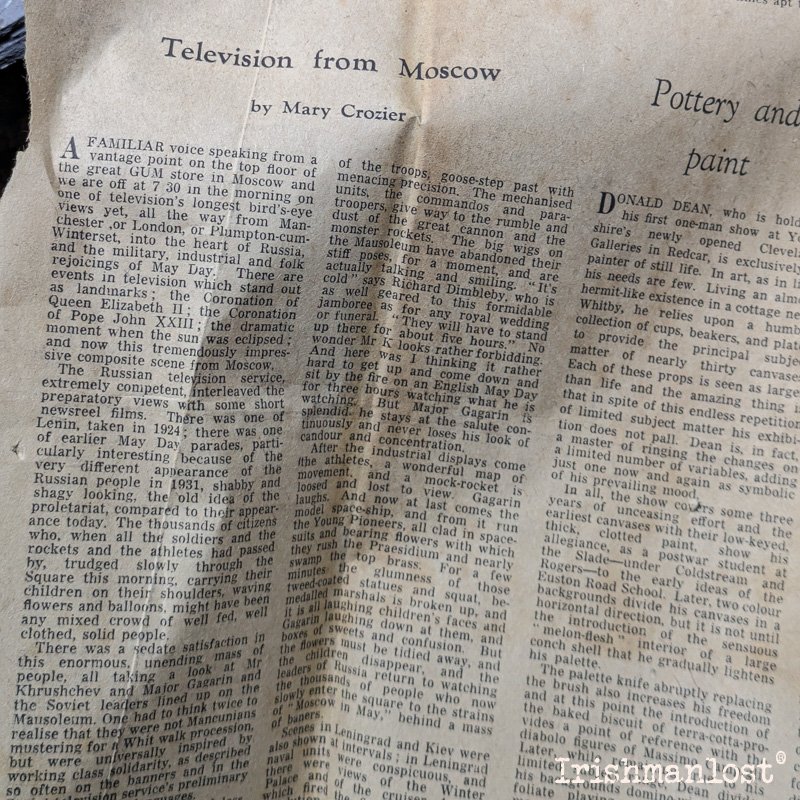
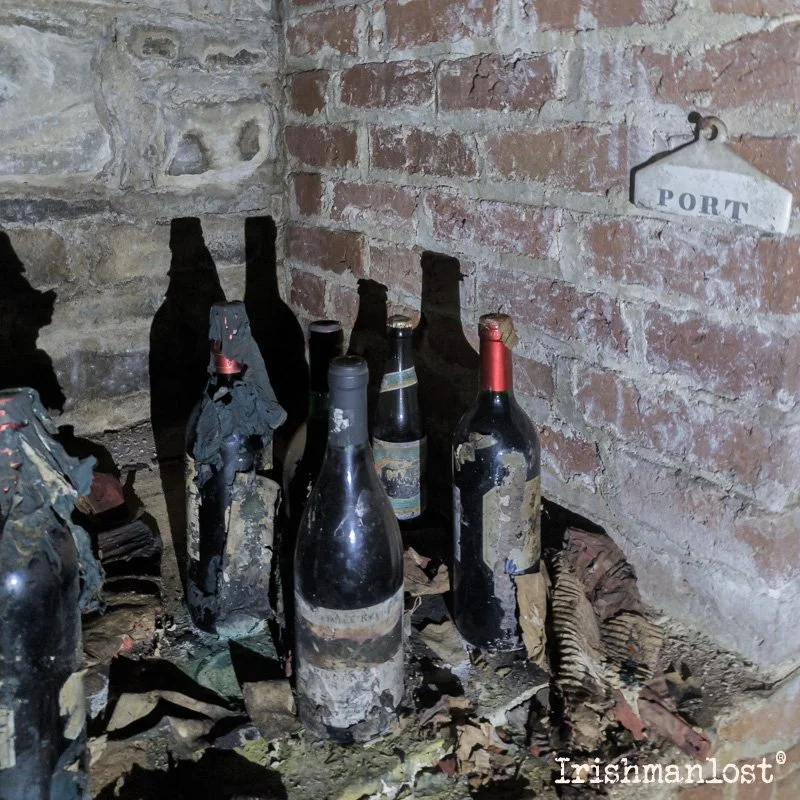
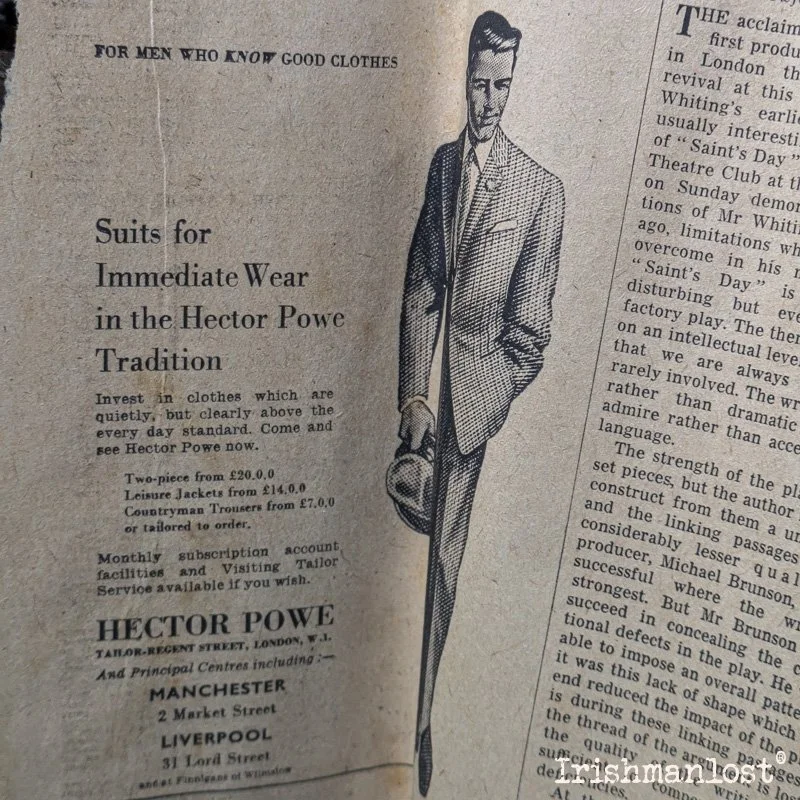
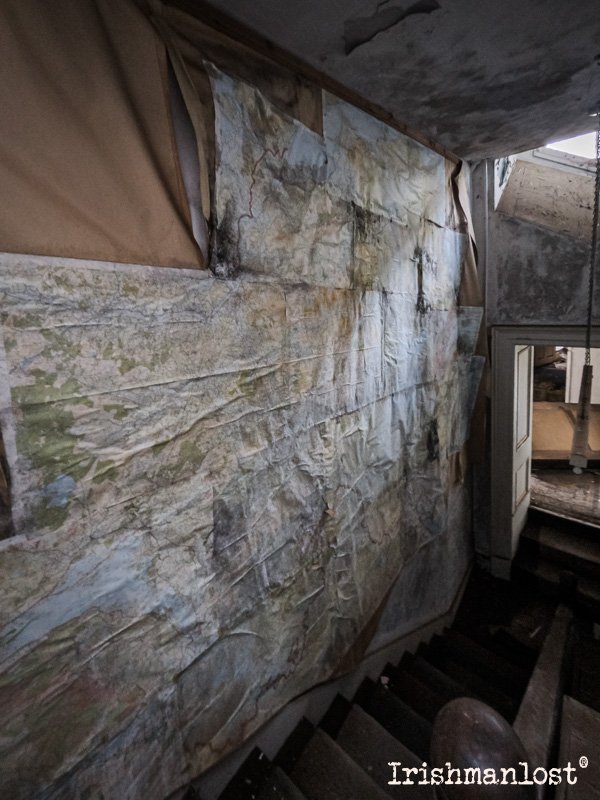
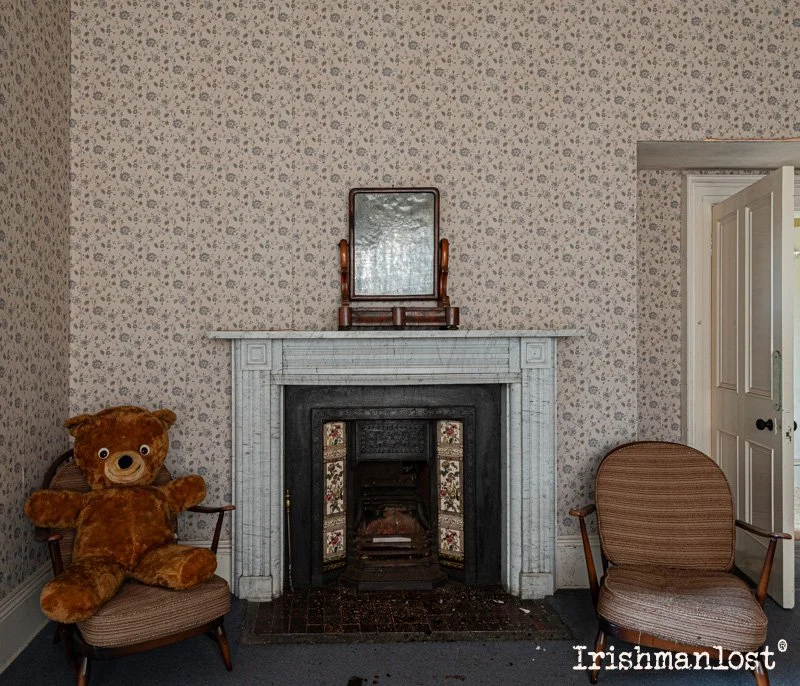
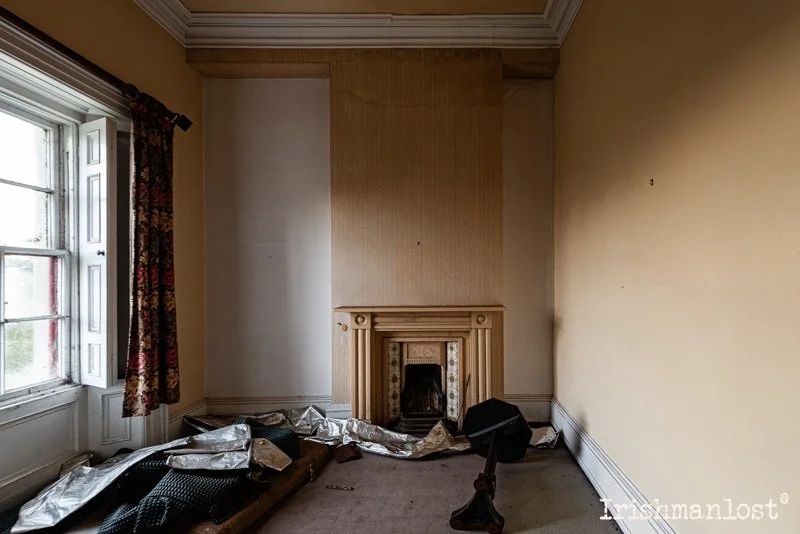
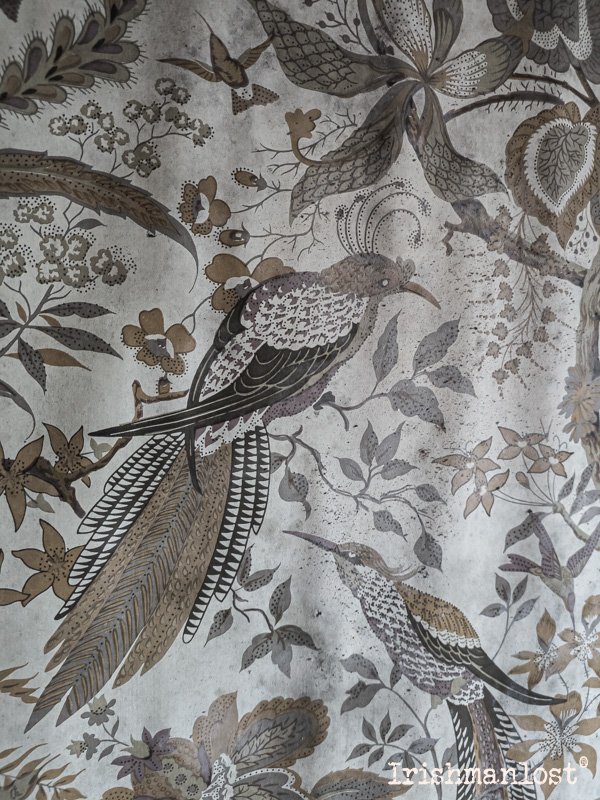
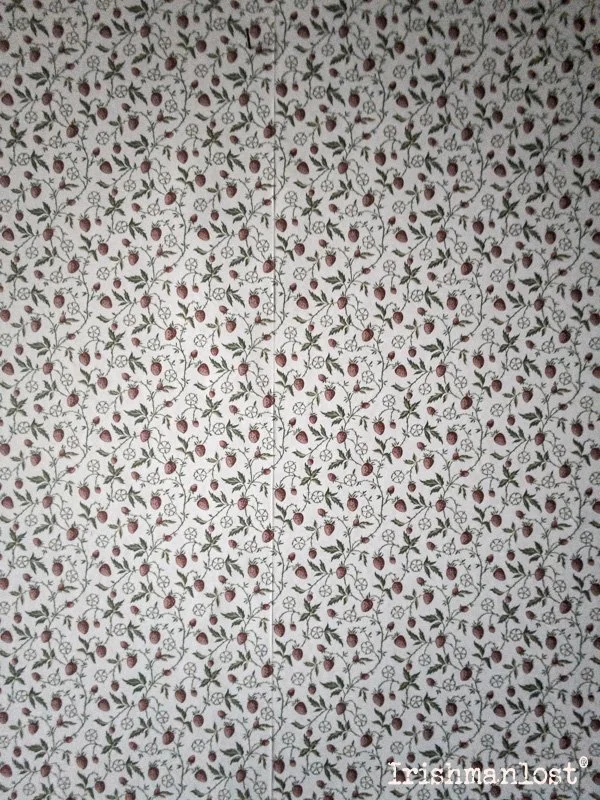
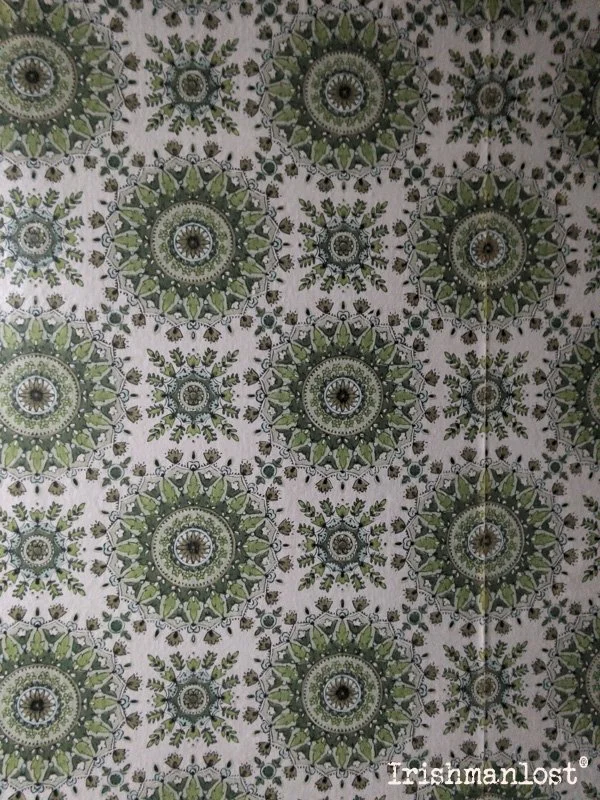
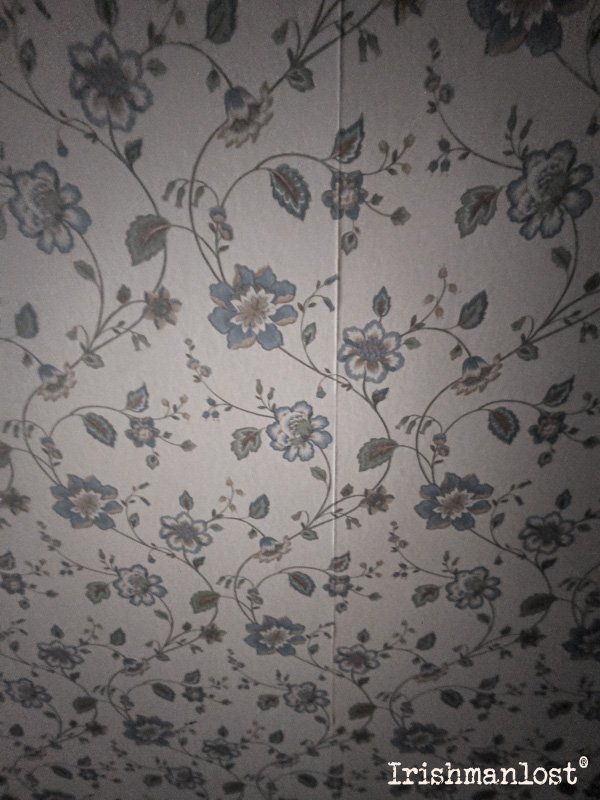
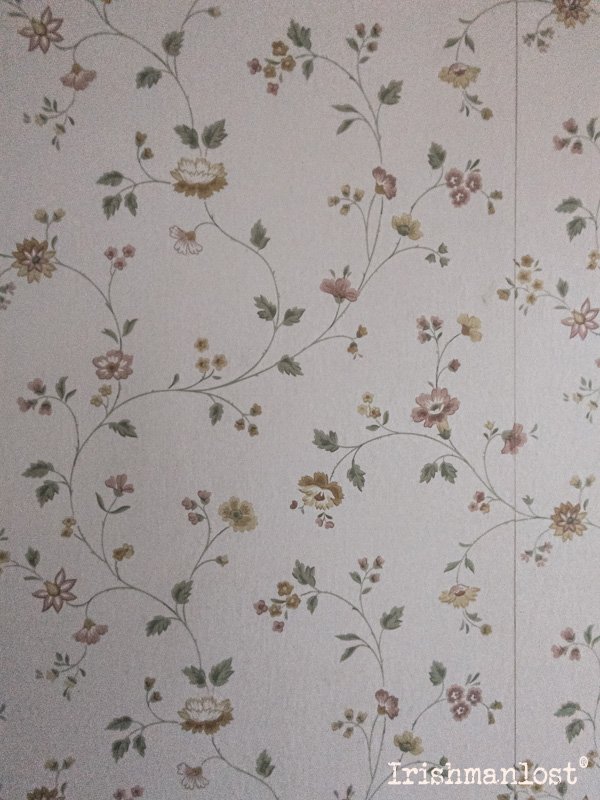
By the early 2000s, the long connection between the family and the estate finally came to an end. In 2004, the house was sold to a private investor. This was the Sales Brochure. There was talk at the time that the property could be turned into a luxury hotel. It was one of those plans that sounded promising — the kind of redevelopment that might have preserved the building and given it a new purpose.
But nothing ever came of it.
Instead, the house was left empty.
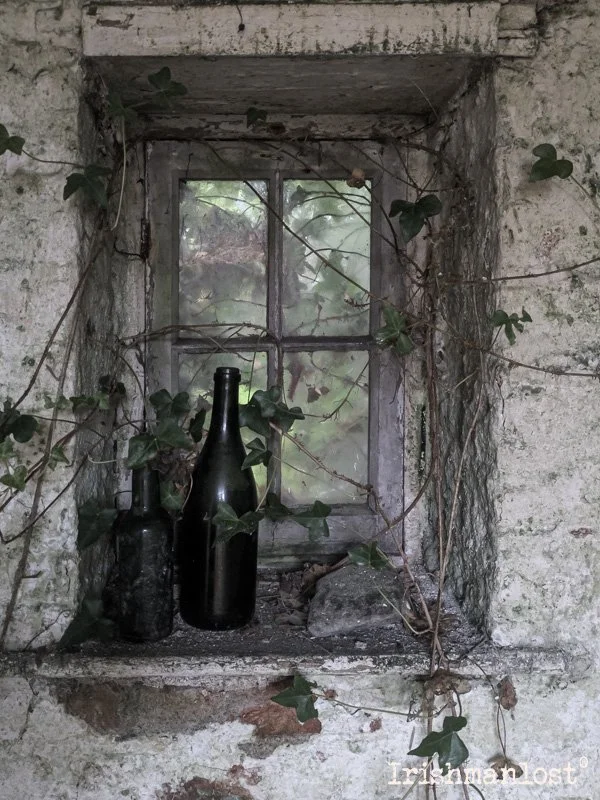
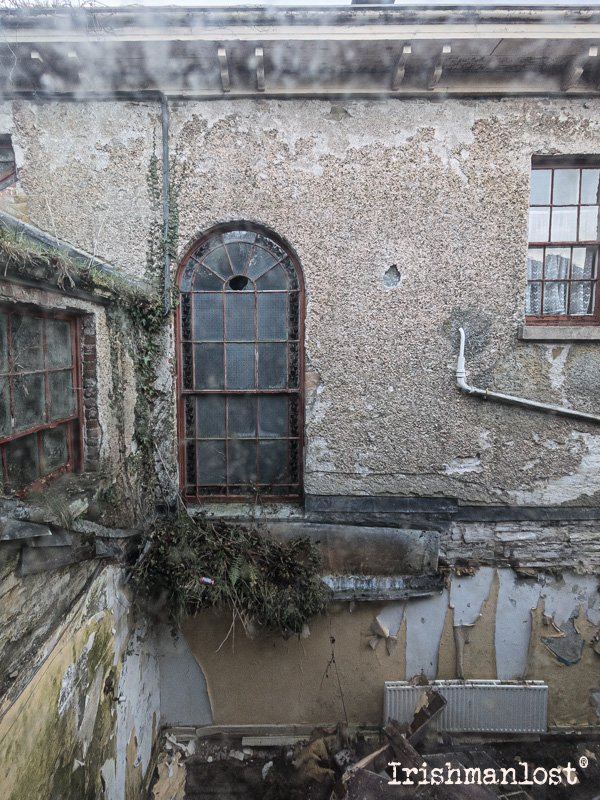
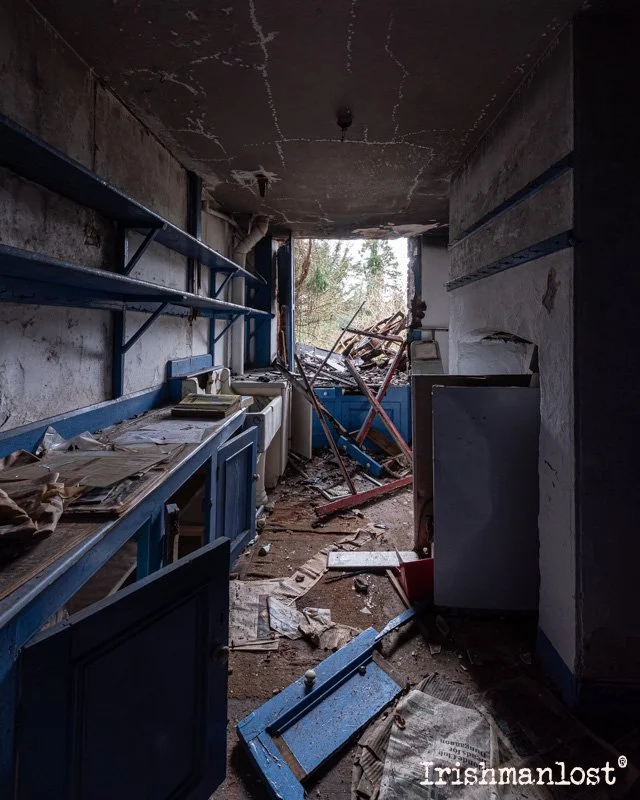
When buildings like this are abandoned, the decline sets in quickly. Windows give way first, then the roof begins to fail, and before long, the weather starts working its way inside. What was once maintained and ordered slowly turns wild, the grounds slipping back into neglect.
But it wasn’t just time that had taken its toll.
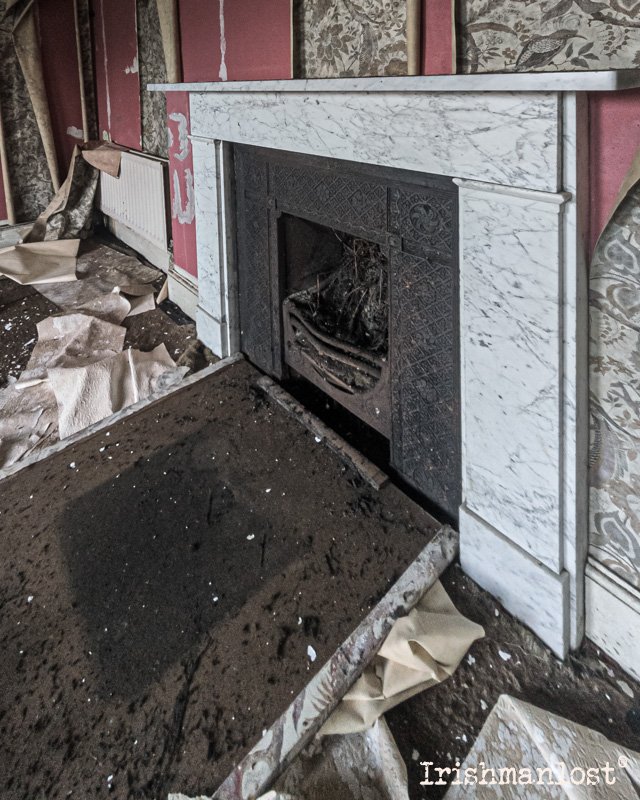
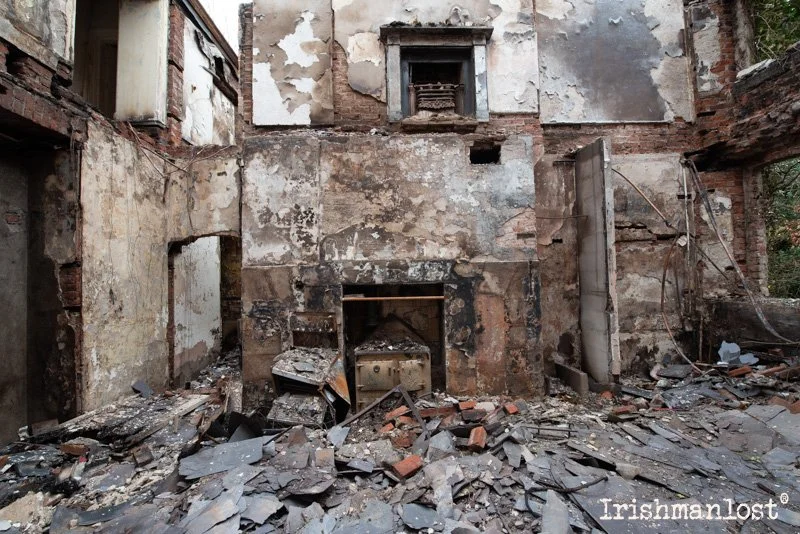
Anything of value had already been stripped away. Fireplaces were removed, the staircase rail dismantled piece by piece, and whatever couldn’t be taken was simply destroyed. What remained felt hollow, as if the life had been pulled out of the place long before the fire ever came.
The gate lodge at the entrance to the estate suffered first. It was eventually set alight, reduced to a burnt-out shell — the first real sign of how far things had fallen.
Even after that, the main house remained — battered, exposed, but standing.
It was one of those places that felt like it could still have been saved… if someone had stepped in at the right moment.
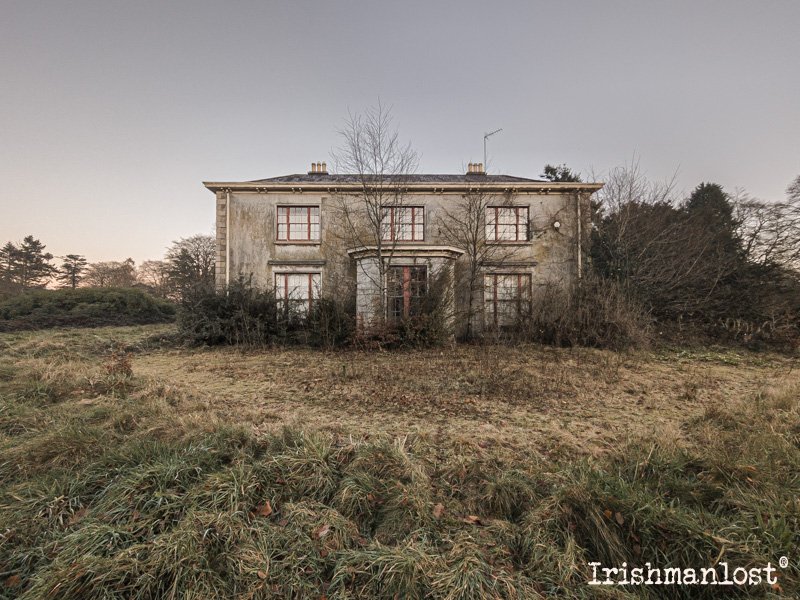
Then came 2026.
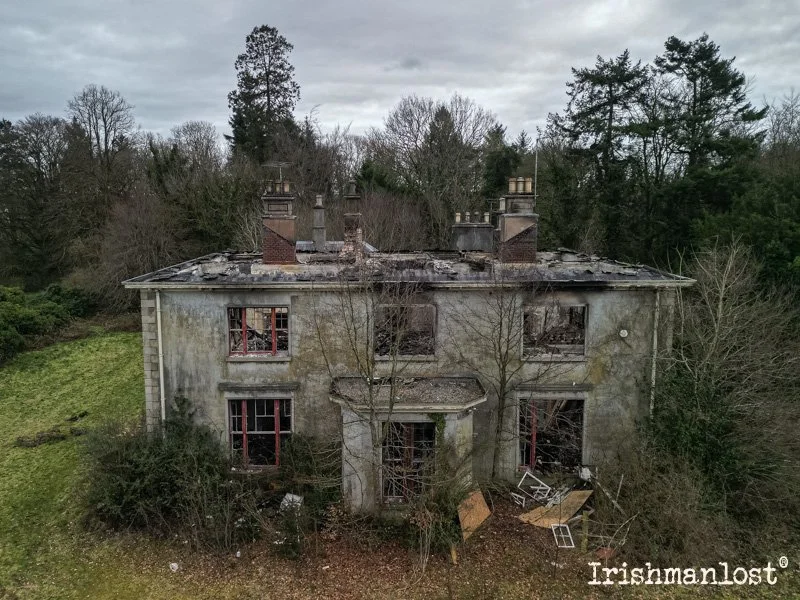
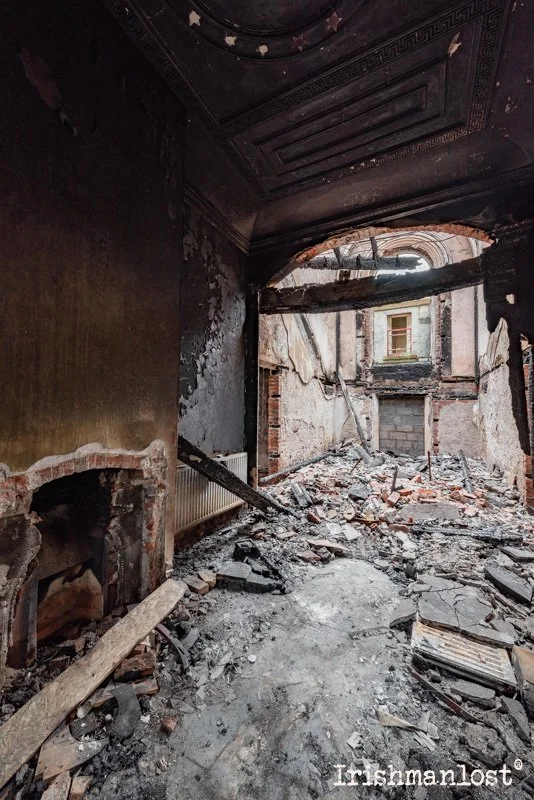
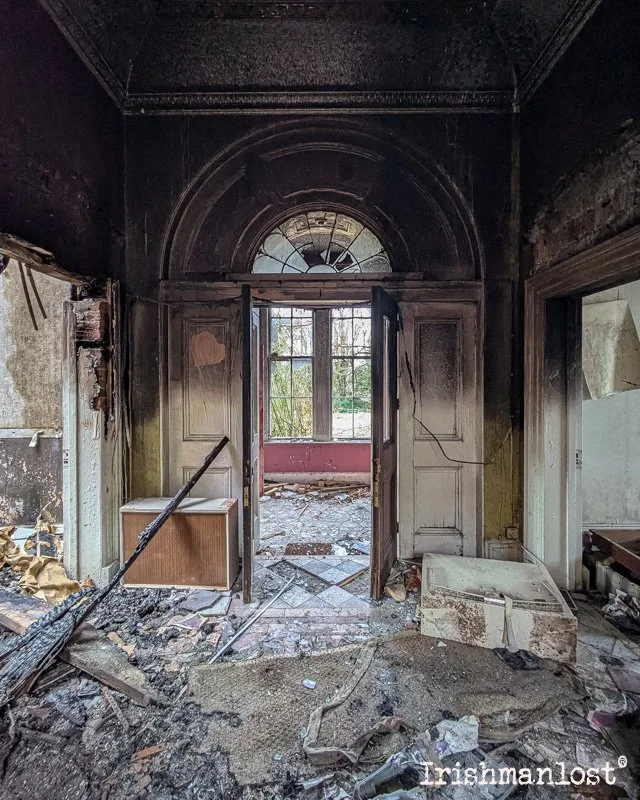
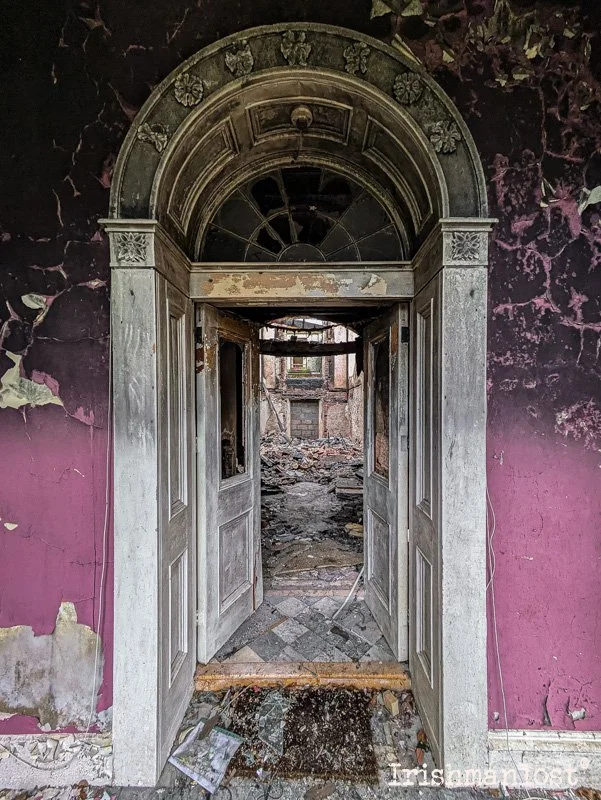
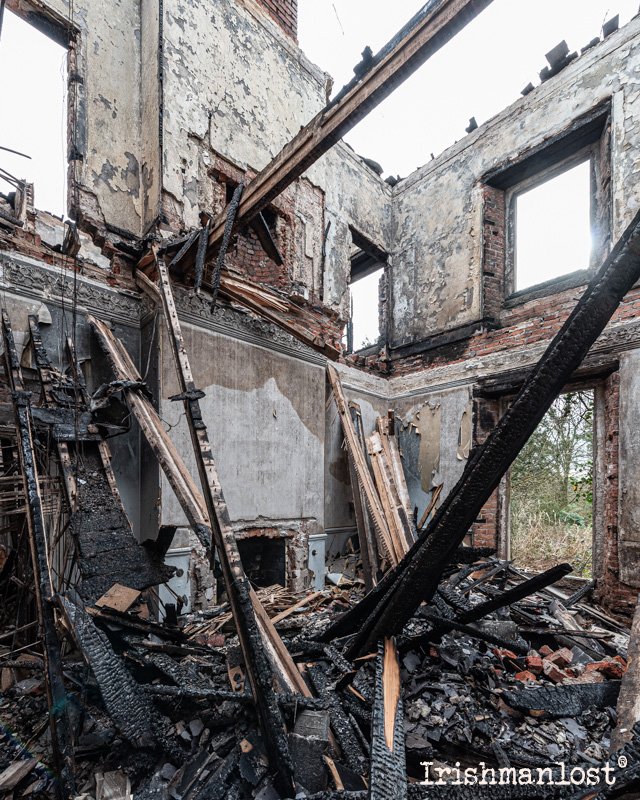
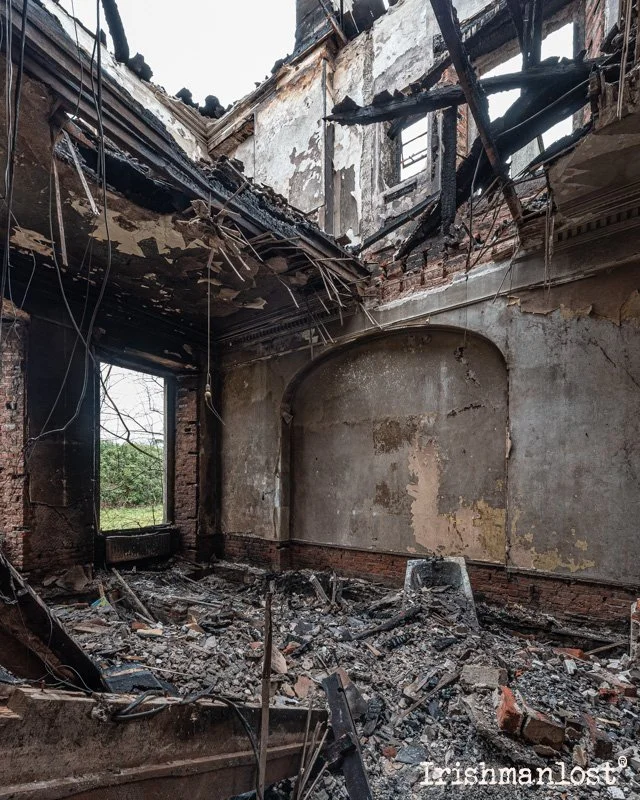
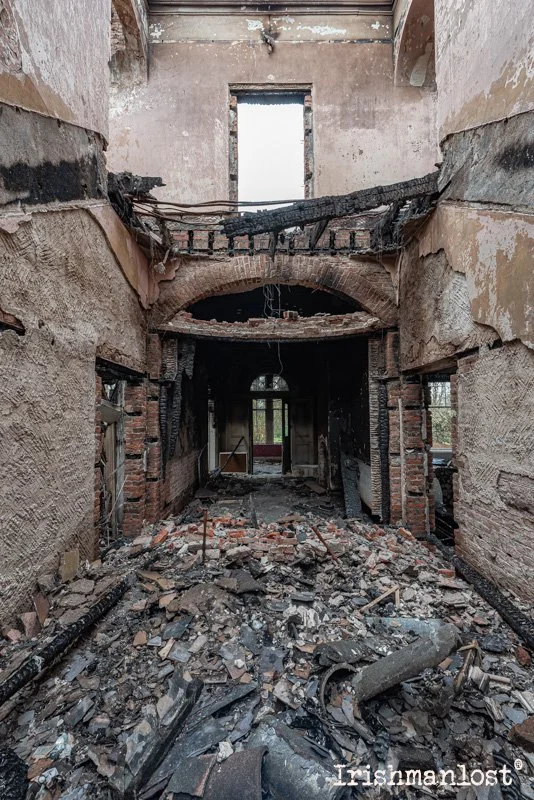
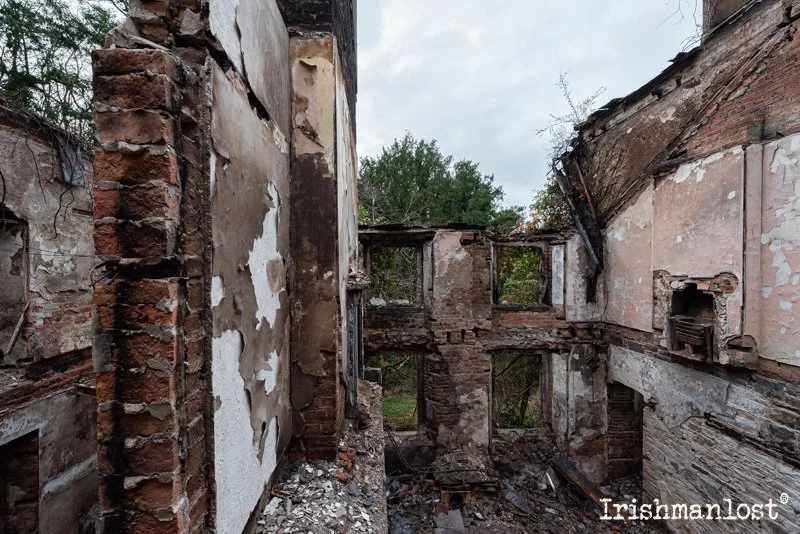
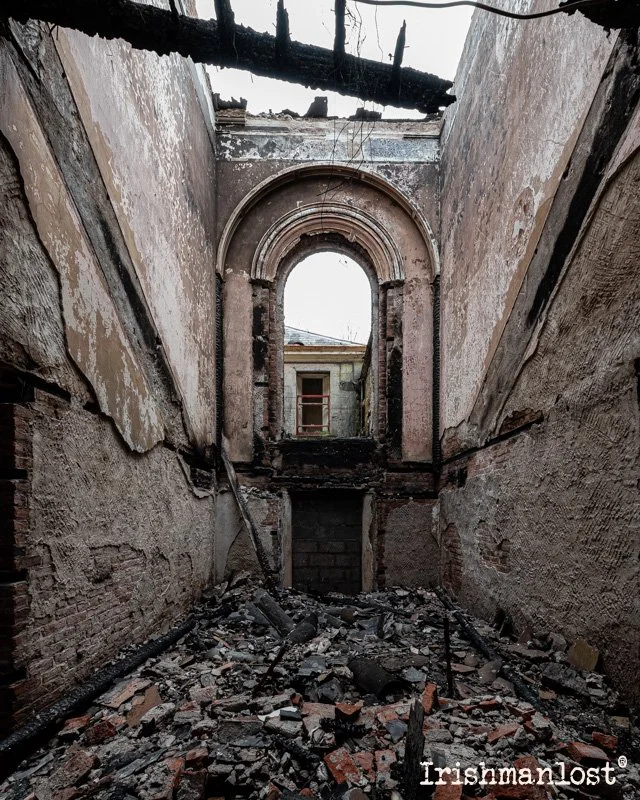
An arsonist set fire to the building, and the blaze tore through the structure. By the time the fire had burned itself out, most of the main house had been gutted. Floors collapsed, the roof was destroyed, and the interior that had somehow survived years of abandonment was reduced to charred ruin.
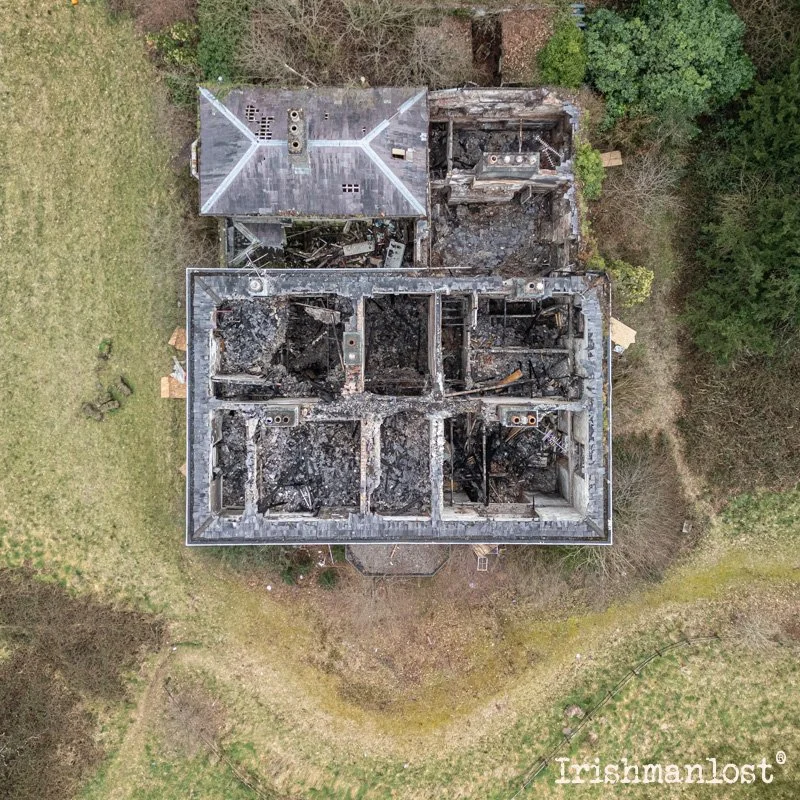
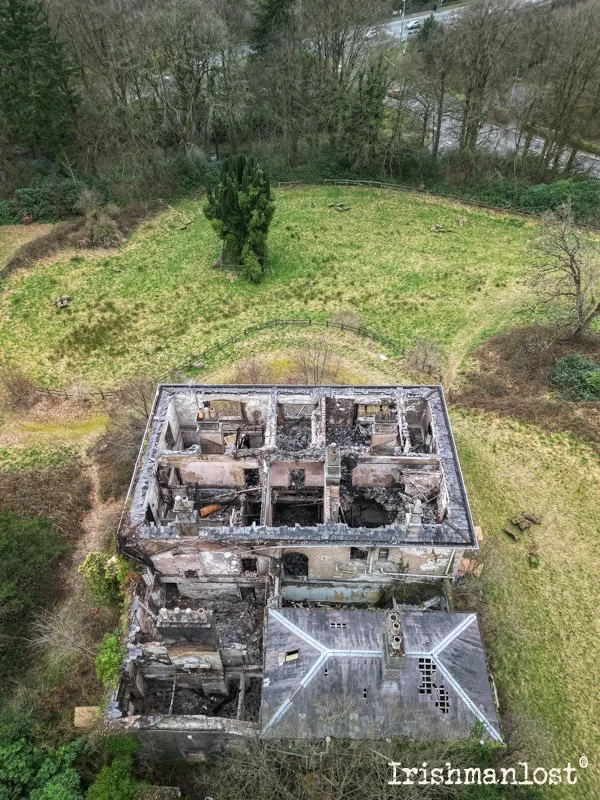
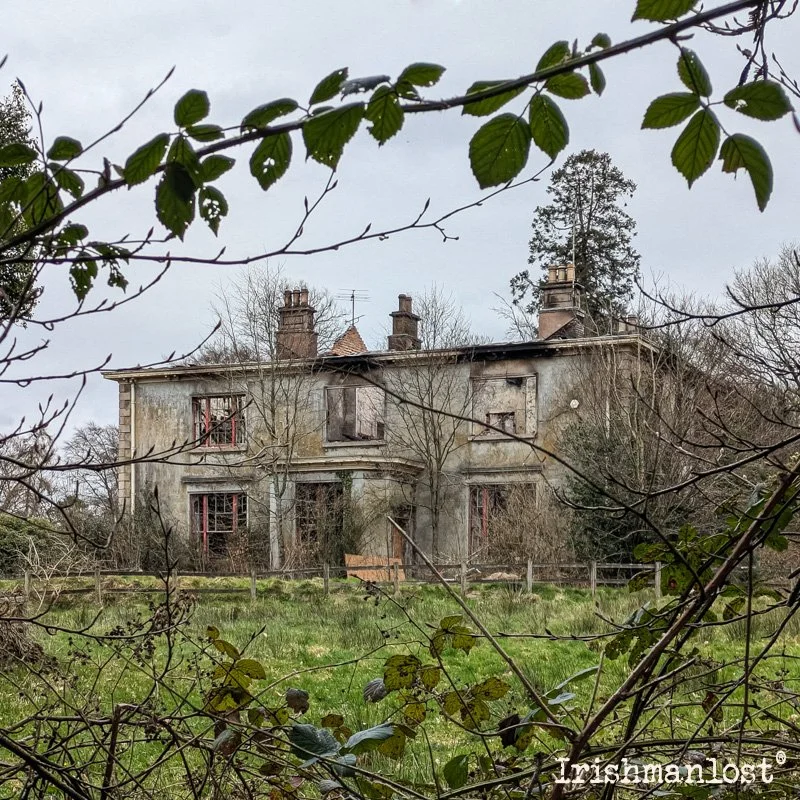
Standing there now, it is hard not to think about how quickly a piece of history can disappear. Two centuries of stories — families, servants, visitors, war, change — all tied to a building that now sits as little more than a burnt shell overlooking the town.
Crevenagh House survived wars, changing generations and the slow decline of the country estate system. But in the end it was neglect and a single act of destruction that finished what time had started.
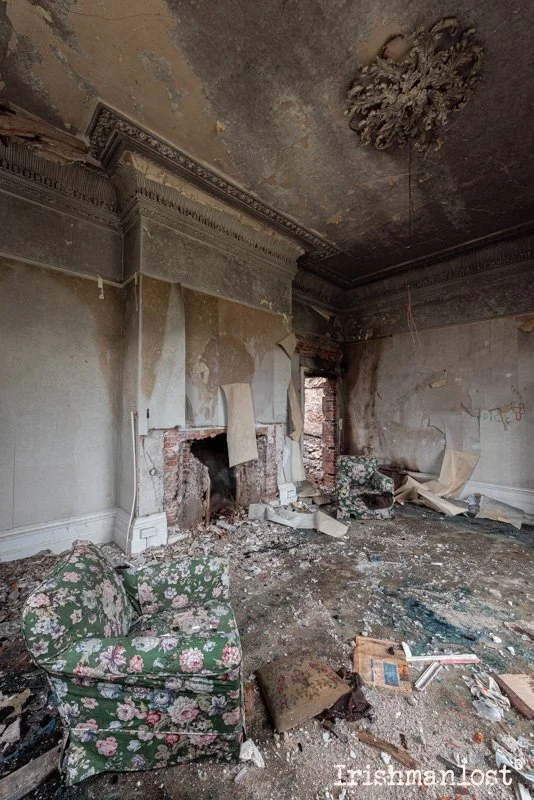
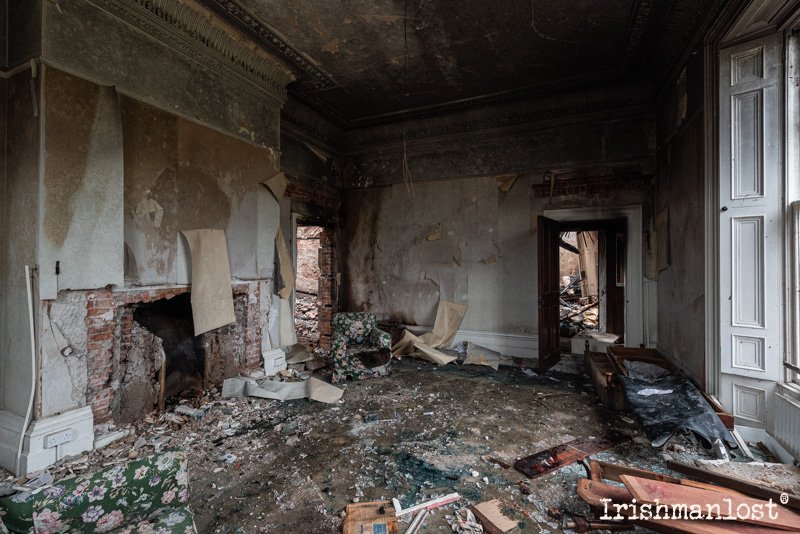
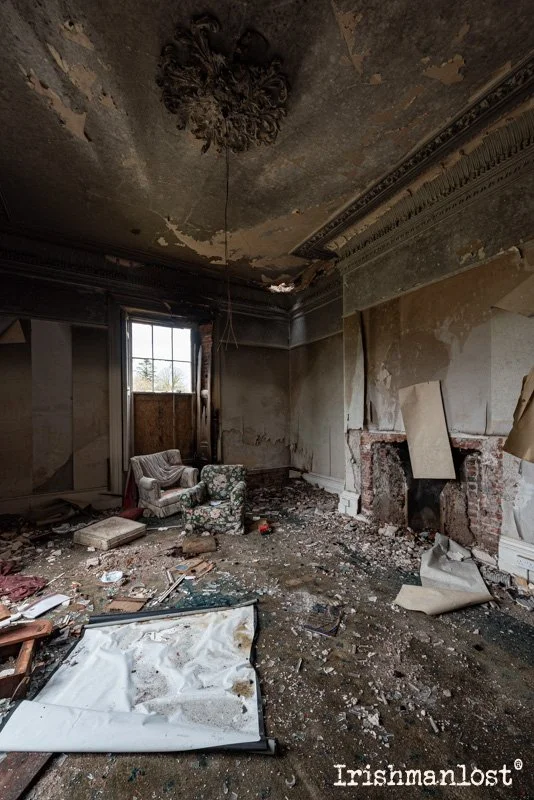
Places like this remind me that Ireland is full of forgotten buildings, each carrying their own stories. Some are saved, some are restored, but many simply fade away.
Crevenagh House is now one of those losses — a house that stood for over two hundred years before disappearing in flames.
And with it, another piece of Ireland’s past slipped quietly into memory.
