
CWM Colliery & Coke Works - Wales
The story of CWM Colliery began in 1909, when the Great Western Colliery Company started sinking two deep mine shafts to supply high-quality steam coal for the ever-growing demands of the Great Western Railway. These shafts, known as Margaret and Mildred, eventually reached depths of more than 750 yards (686 metres), making them among the deepest in the South Wales Coalfield.
Although construction had begun several years earlier, it wasn't until 1914 that coal was first raised to the surface. From the outset, CWM proved to be a productive pit, extracting premium-quality coal from the rich seams beneath the Rhondda valleys. The colliery quickly became an important employer within the local community, providing work for generations of mining families whose lives revolved around the industry.
In 1928, ownership transferred to Powell Duffryn Associated Collieries Ltd., one of South Wales' largest mining companies. Under their management, the colliery expanded significantly, employing around 1,000 men and continuing to supply coal to both industry and the railways. Following the nationalisation of Britain's coal industry in 1947, CWM became part of the newly formed National Coal Board, ushering in a new chapter of investment and modernisation.
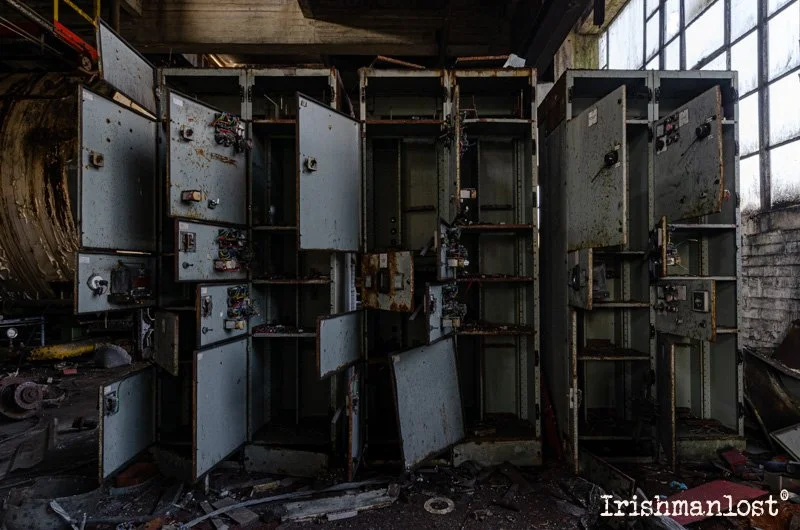
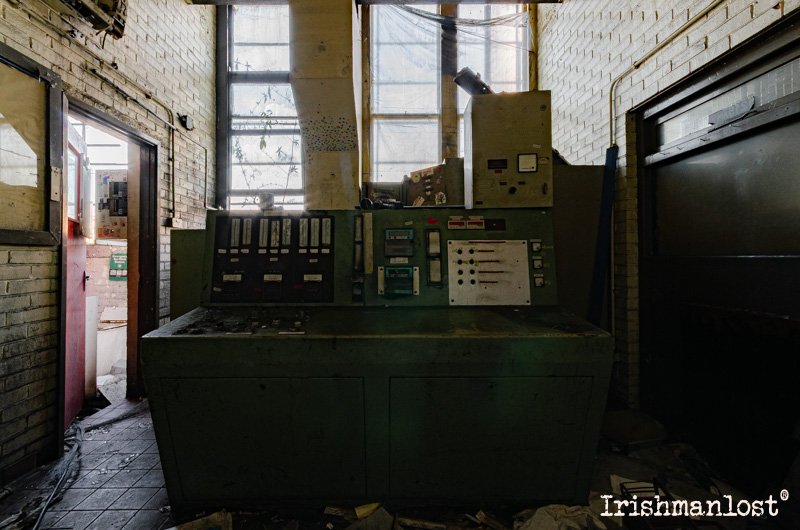
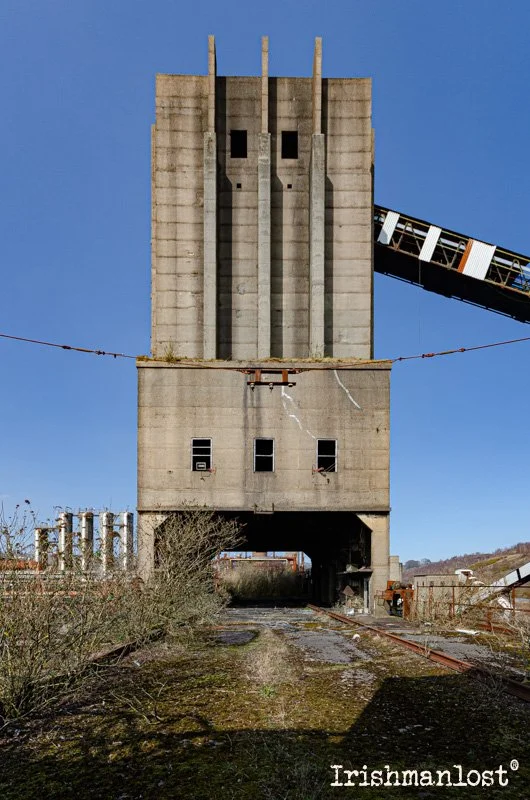
During the 1950s, CWM underwent one of the most ambitious redevelopment schemes in the South Wales coalfield. Between 1952 and 1960, approximately £9 million was invested in modernising the pit, including the construction of new winding gear, upgraded surface facilities and underground connections linking CWM with the nearby Coedely Colliery at Tonyrefail. These improvements transformed CWM into one of the most modern and efficient collieries in Wales.
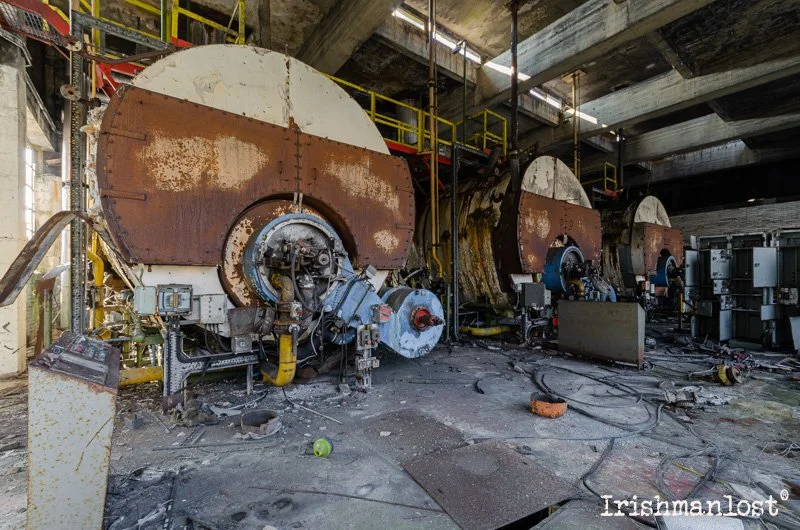
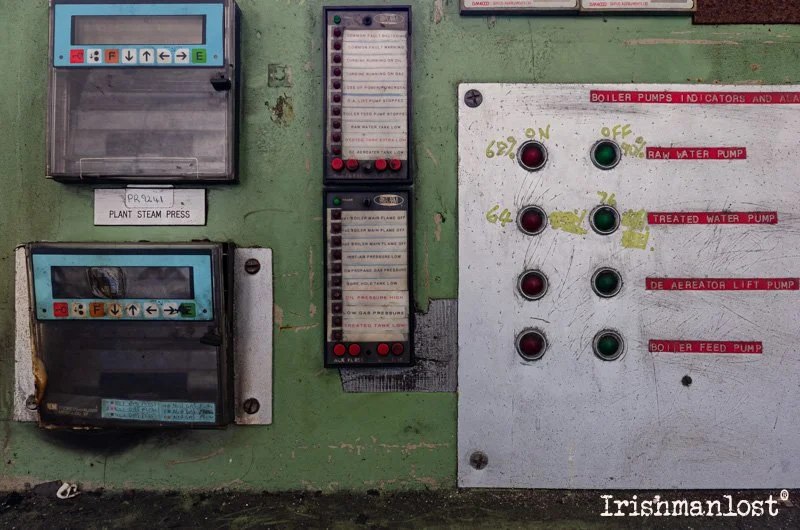
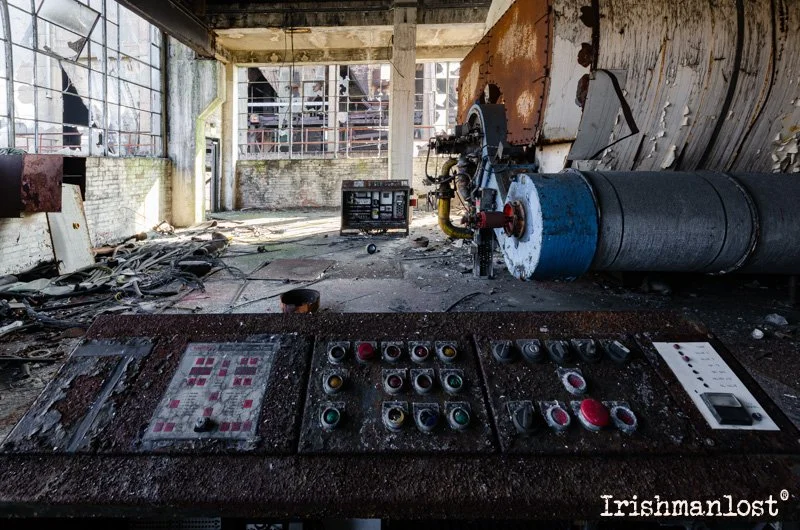
By the early 1970s, the workforce had grown to around 1,500 miners, producing more than 500,000 tonnes of coal annually. Much of this coal possessed a naturally low sulphur content, making it especially suitable for the production of high-quality foundry coke. To take advantage of this, the adjoining CWM Coke Works was developed to centralise the manufacture of foundry coke across South Wales, supplying iron foundries and heavy industry throughout Britain.
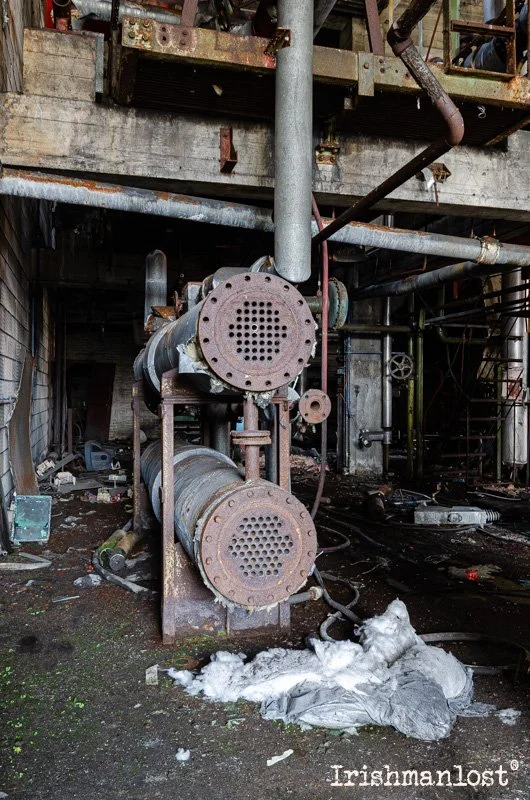
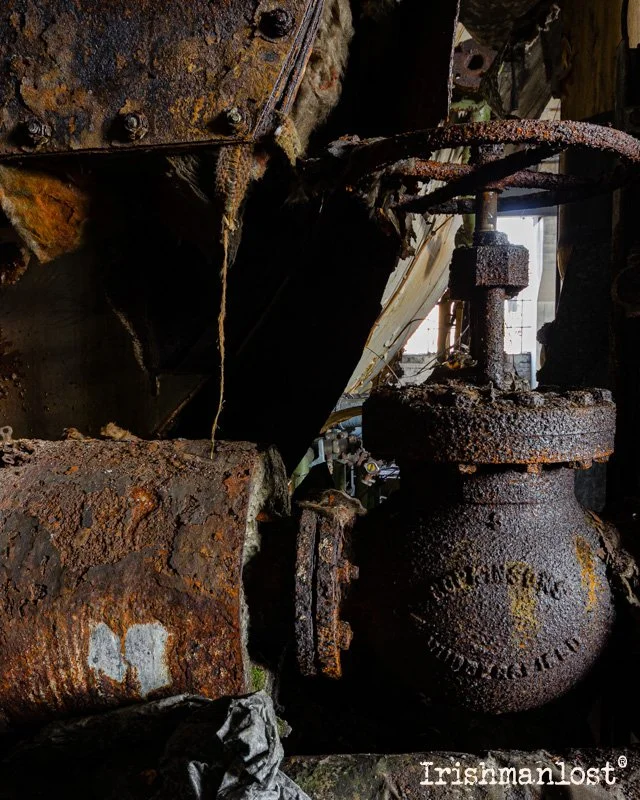
Despite its productivity and substantial remaining reserves—estimated at around 80 million tonnes of workable coal—the changing economics of the coal industry proved insurmountable. Following widespread restructuring and pit closures during the 1980s, CWM Colliery ceased coal production in 1986. The coke works continued operating for another sixteen years before finally extinguishing its ovens in June 2002, marking the end of nearly a century of industrial activity on the site.
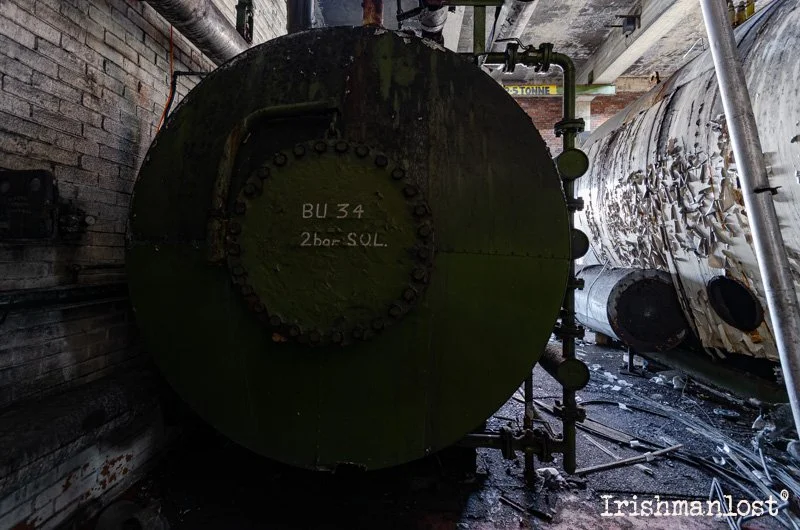
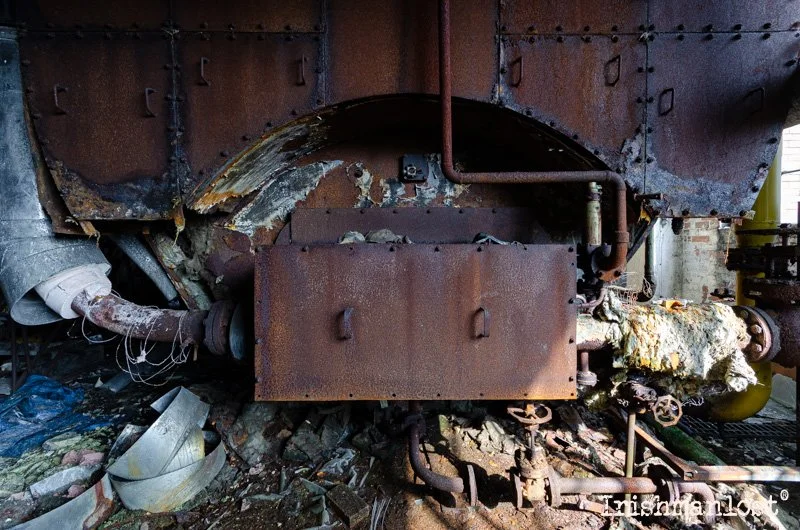
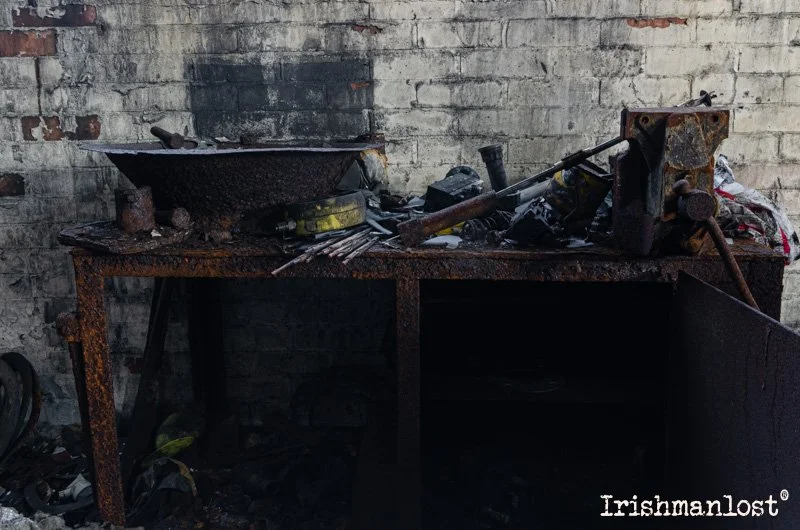
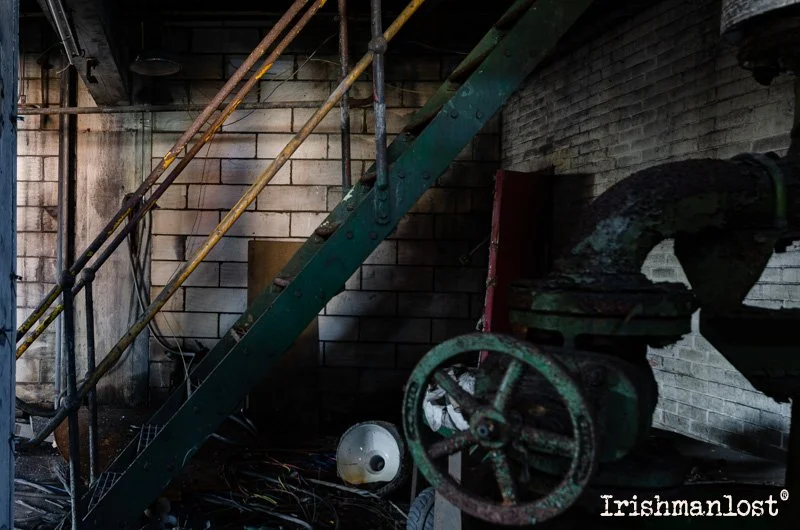
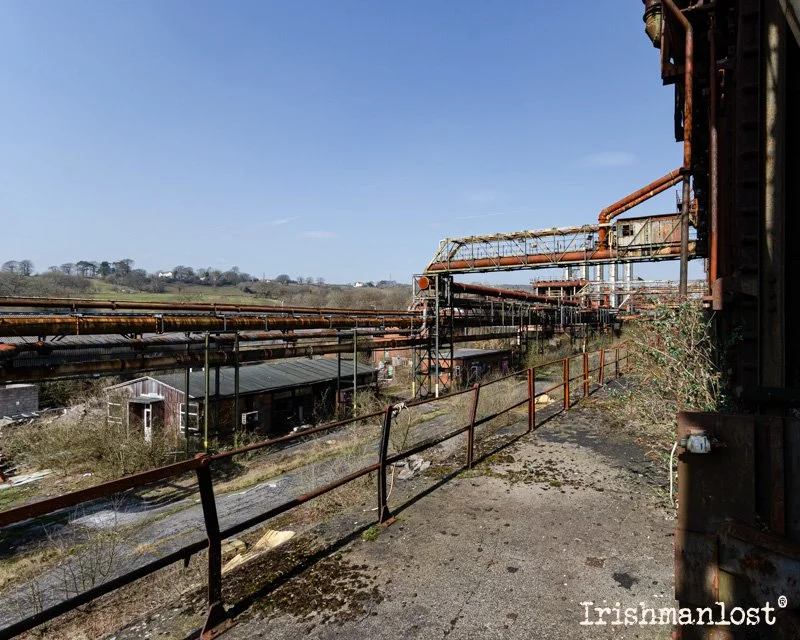
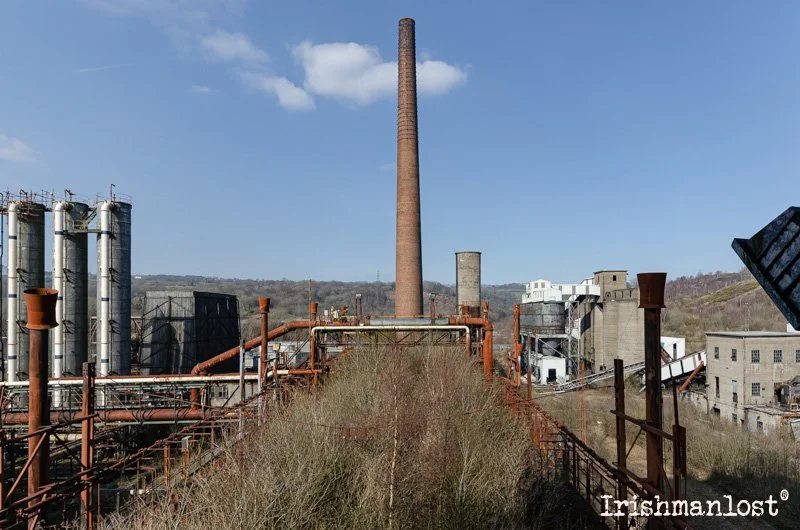
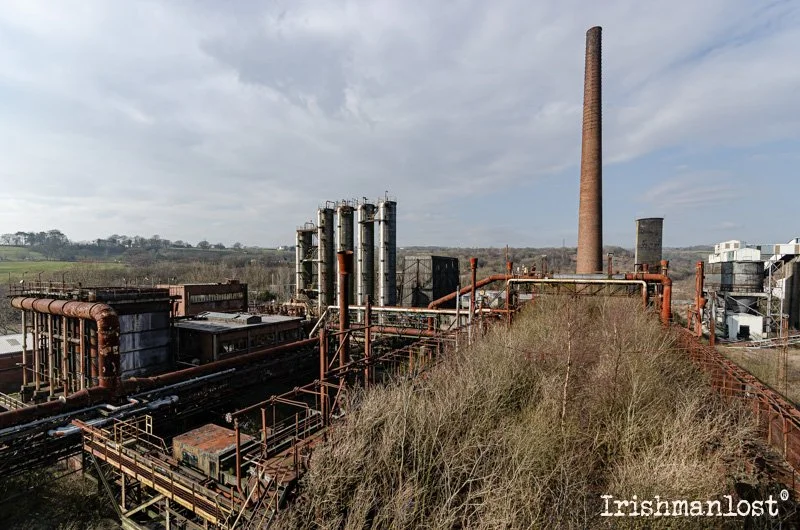
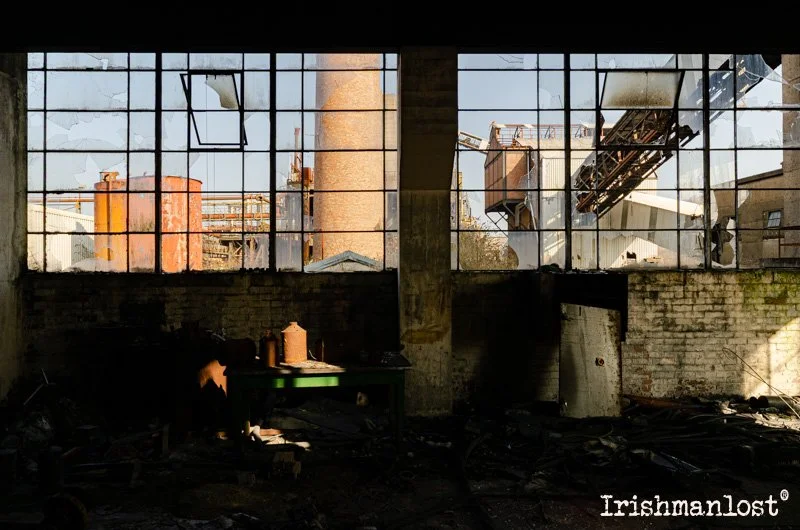
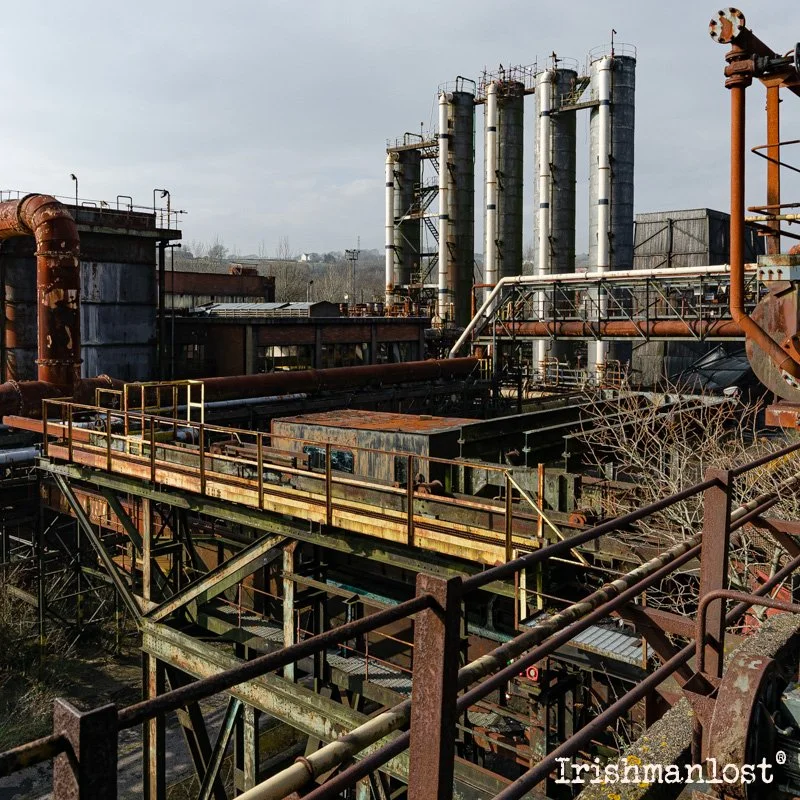
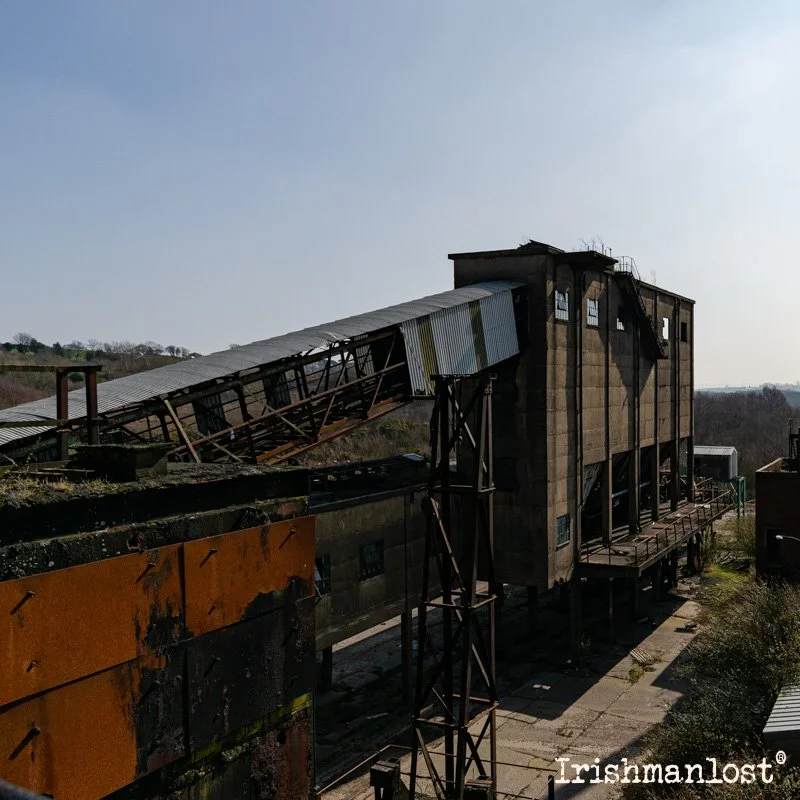
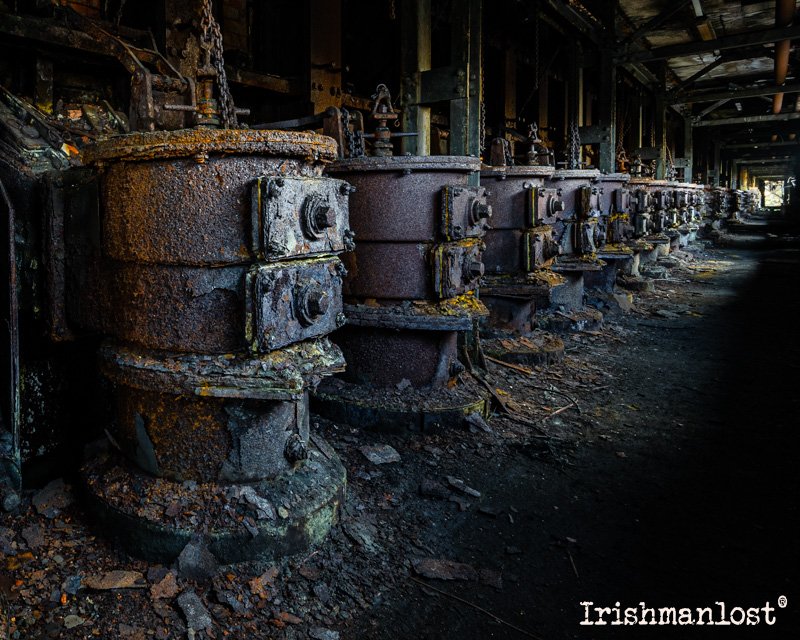
For years afterwards, the vast complex remained largely abandoned, standing as one of the last great monuments to South Wales' industrial heritage. Its towering batteries, conveyors, chimneys and rusting steelwork attracted photographers and urban explorers from across the country. However, by 2020, demolition had begun, gradually erasing one of Britain's most impressive surviving coke works from the landscape.
My Visit
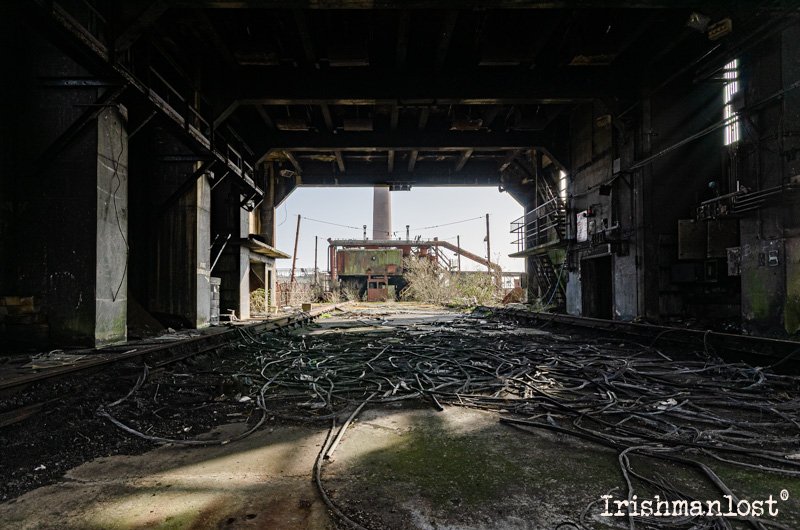
Reaching CWM wasn't straightforward. We'd heard countless stories of explorers being escorted off the site after being spotted by security and his dog, so every step inside felt like a calculated risk. More than once, we heard barking echoing across the sprawling complex, and on one occasion we had no choice but to hide inside one of the abandoned buildings for well over an hour while security searched nearby.
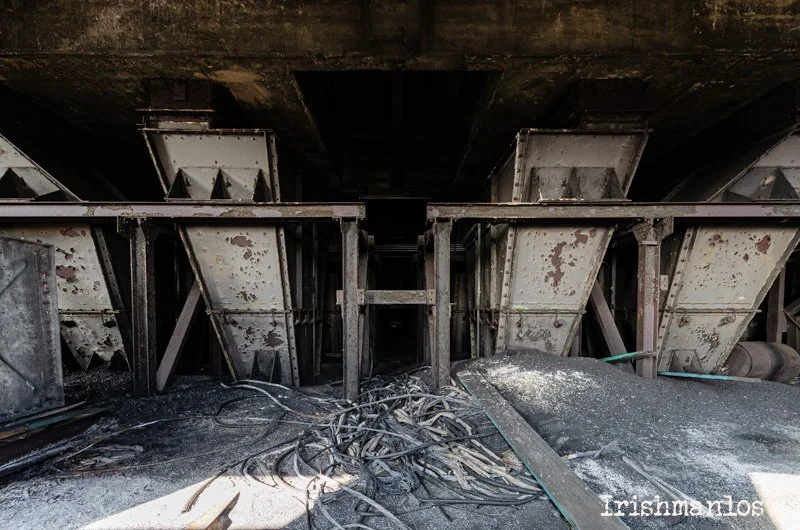
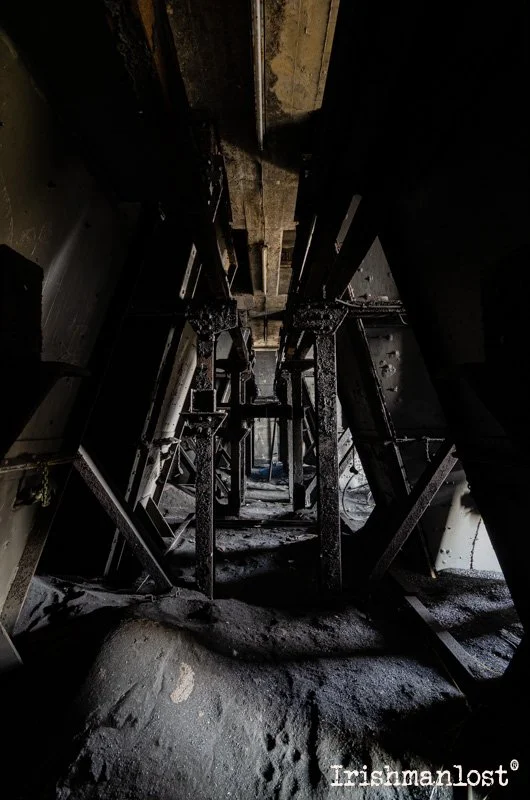
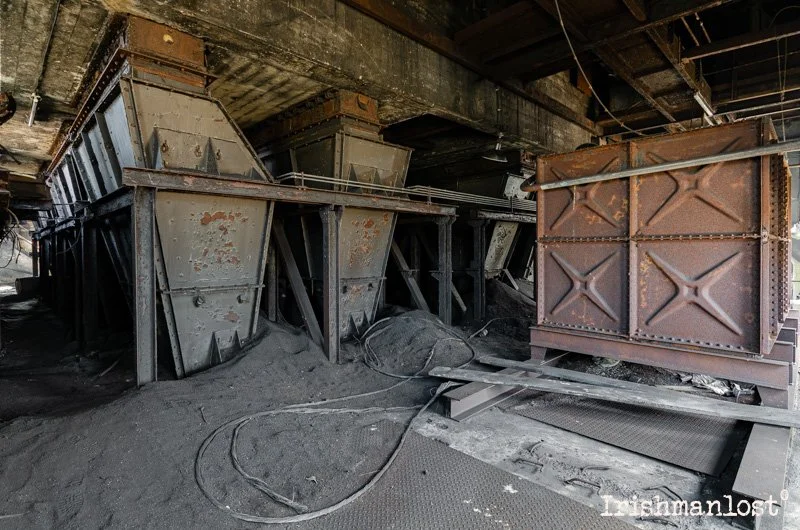
That close encounter completely changed the atmosphere. Every noise became amplified—the groan of rusting steel, loose sheets of corrugated metal clattering in the wind, distant footsteps that may or may not have been real. It was impossible to fully relax.
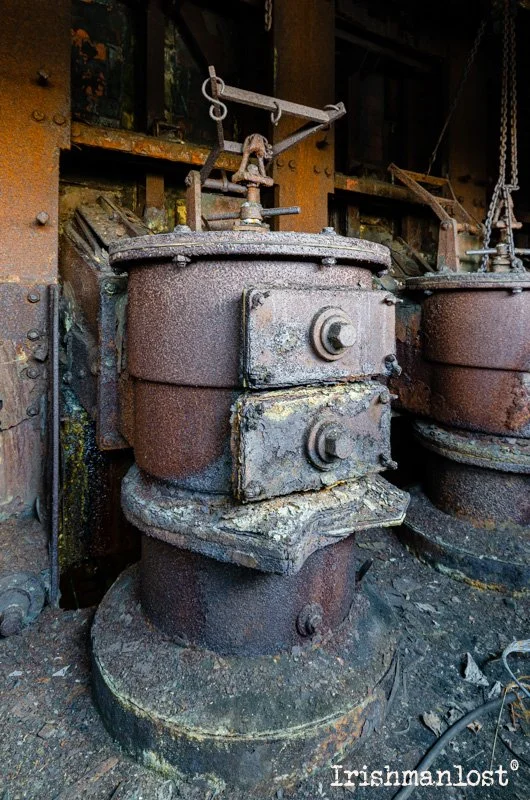
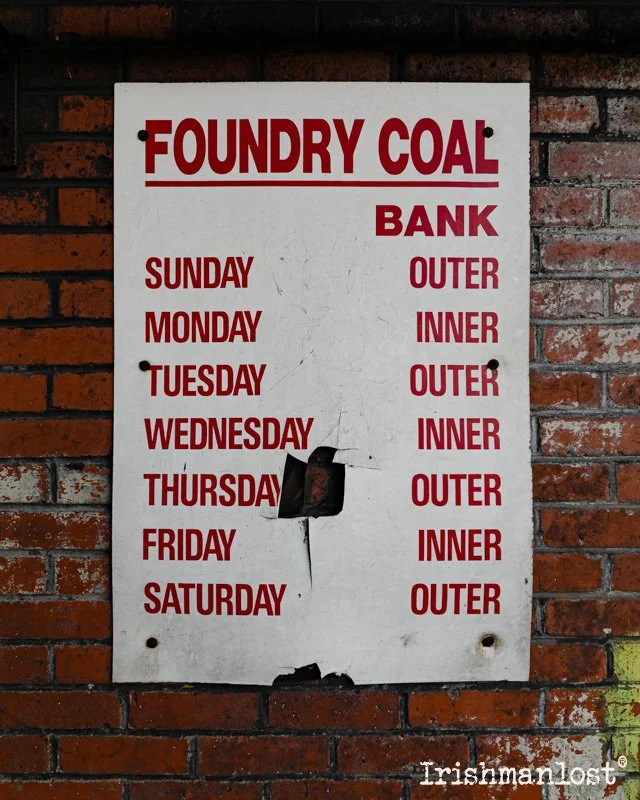
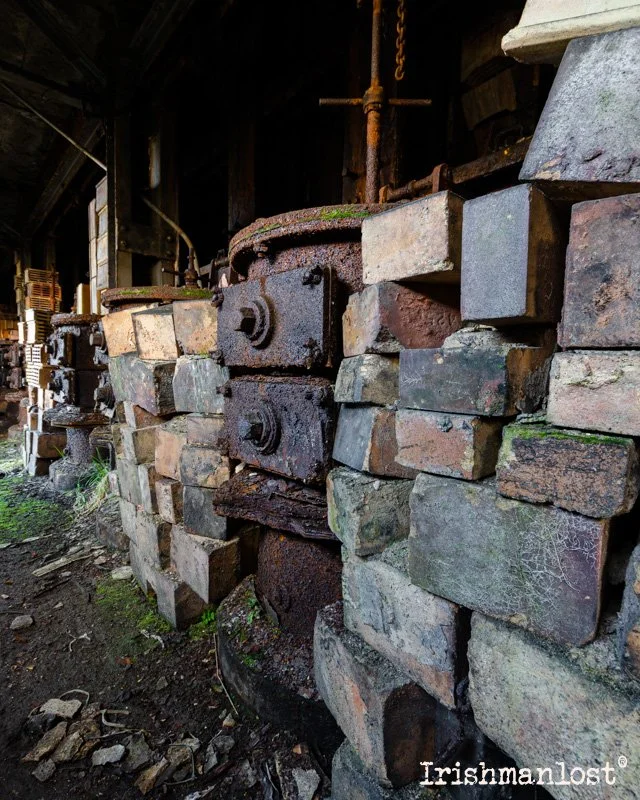
Eventually, after making our way deeper into the complex, we climbed onto the roof of the towering coking plant. The clouds began to break and the afternoon sun cast long shadows across miles of rusting conveyors, chimneys and ovens. It seemed like the perfect place to stop for a quick lunch. Sitting there in silence, listening to the wind whistle through the steelwork while the occasional bark of the security dog drifted across the site, I couldn't help but appreciate the scale of what surrounded me.
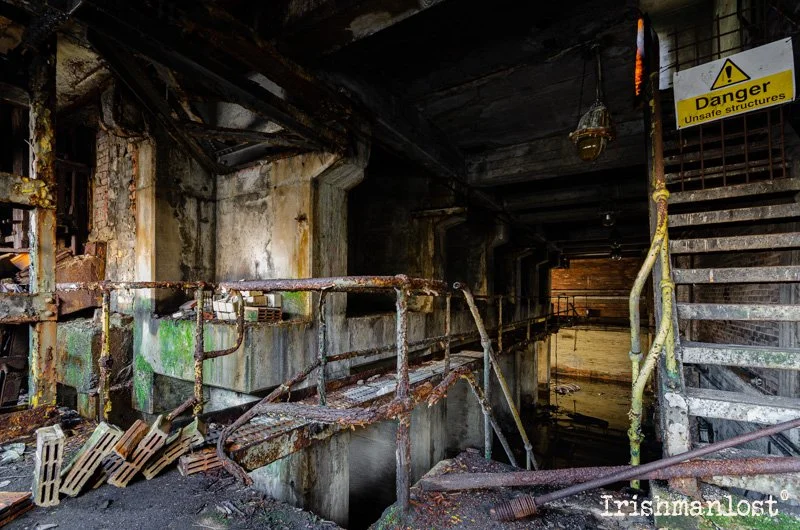
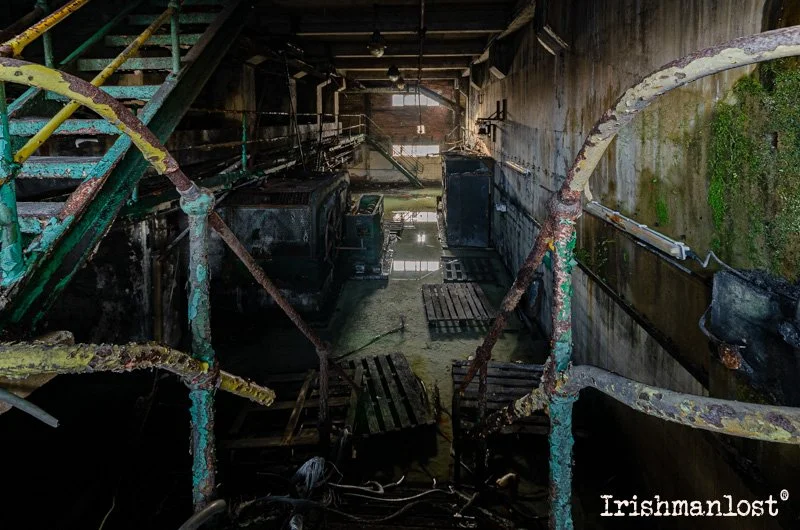
Even though I explored only a small section of CWM that day, it left a lasting impression. The sheer size of the works, the ever-present sense of danger and the knowledge that this vast industrial landscape would soon disappear made it one of those places I'll never forget. Today, much of what stood during my visit has vanished forever, leaving only photographs to preserve the memory of one of South Wales' greatest industrial giants.
