RAF Murlough Bay Rotor Radar Station
A Cold War Outpost on the Antrim Coast
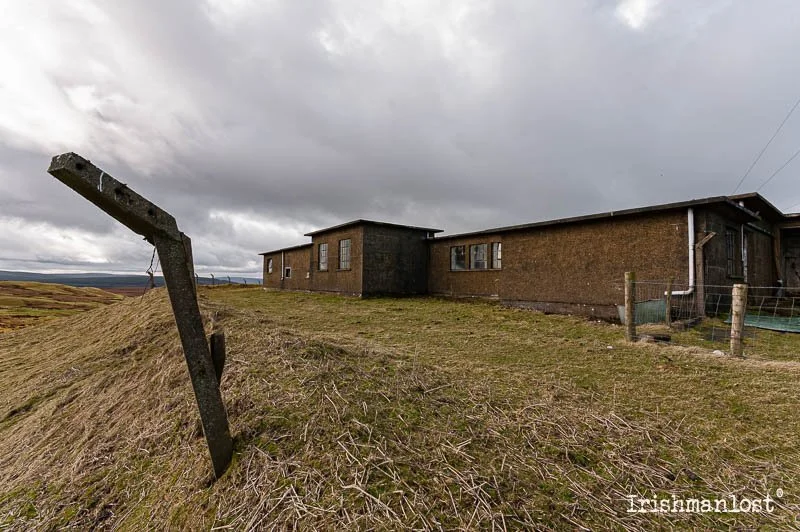
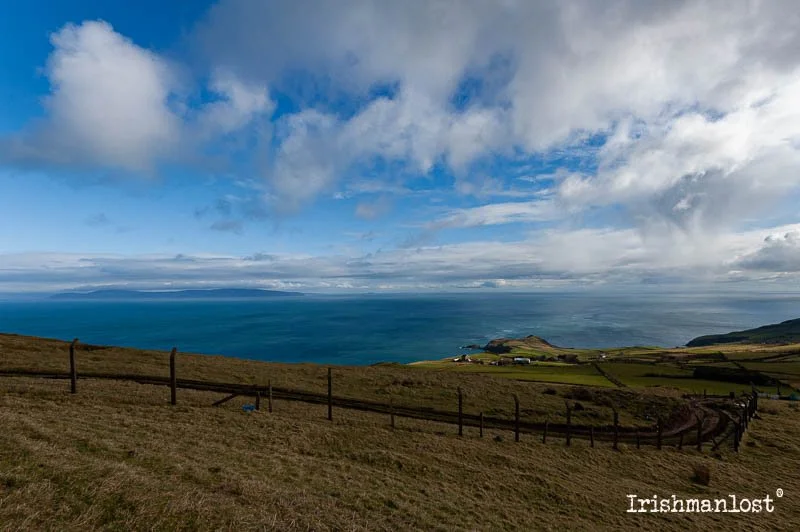
Nestled amidst the rugged and picturesque landscapes of Ballycastle in Northern Ireland, stands a silent sentinel of a bygone era. The former Rotor Radar Station at Murlough Bay is a place shrouded in mystery and history. Abandoned for decades, it offers a hauntingly beautiful glimpse into the past, where secrets were once whispered in the electronic hum of radar equipment.
The Rotor Radar Station at Murlough Bay was established in the aftermath of World War II, during the early years of the Cold War. It played a crucial role in the defence of Northern Ireland and the surrounding waters. The station was strategically positioned to monitor maritime activities in the North Atlantic, a region of significant strategic importance during the Cold War. The radar operators scanned the seas, keeping an ever-watchful eye on any signs of enemy submarines or aircraft.
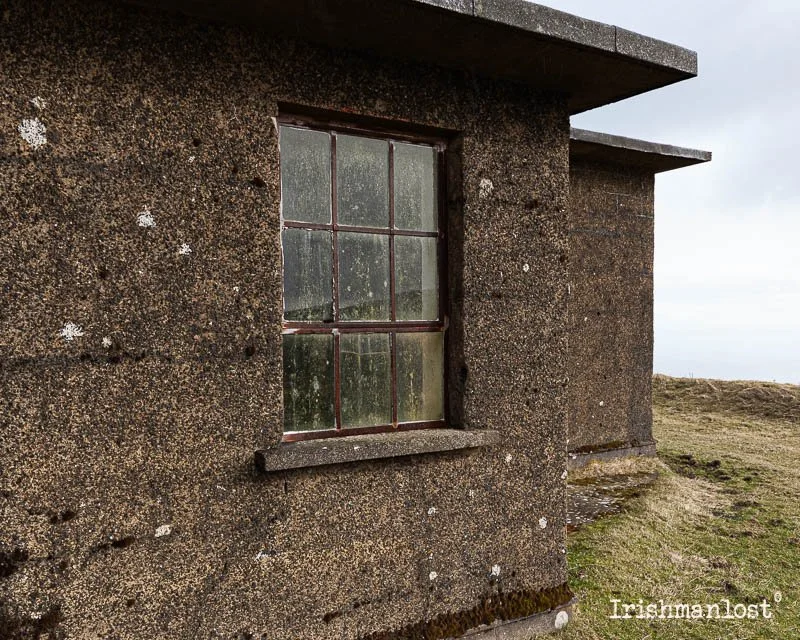
The station itself was a testament to the technological advancements of the time. Equipped with high-frequency radar arrays and advanced communication systems, it was at the forefront of early warning systems. The operators' job was demanding and required constant vigilance, as a moment's inattention could mean the difference between safety and catastrophe.
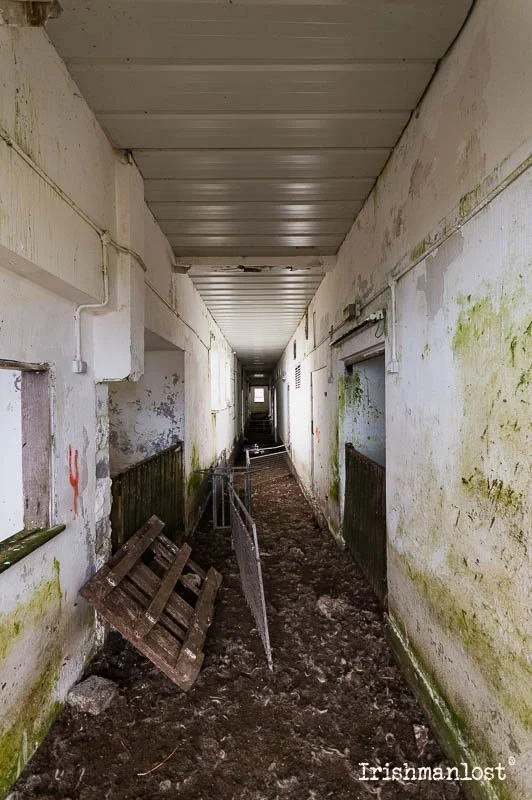
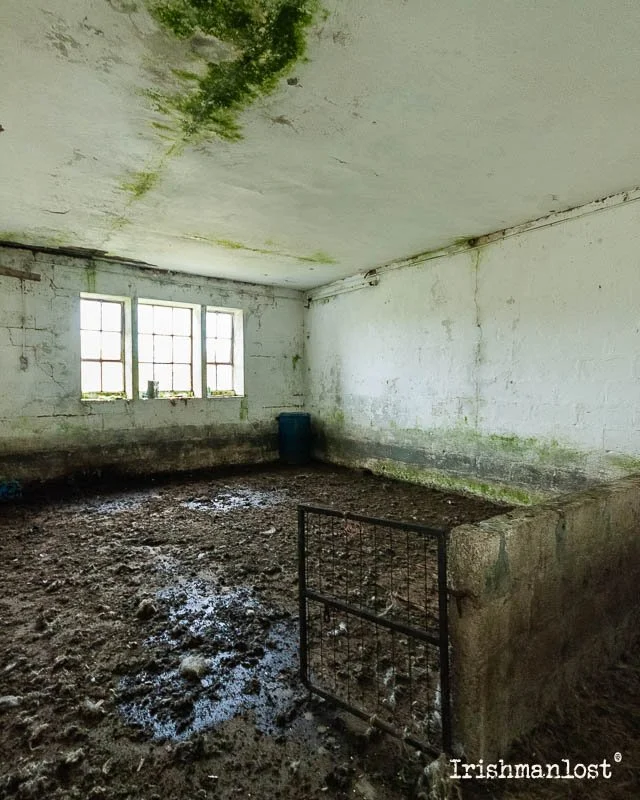
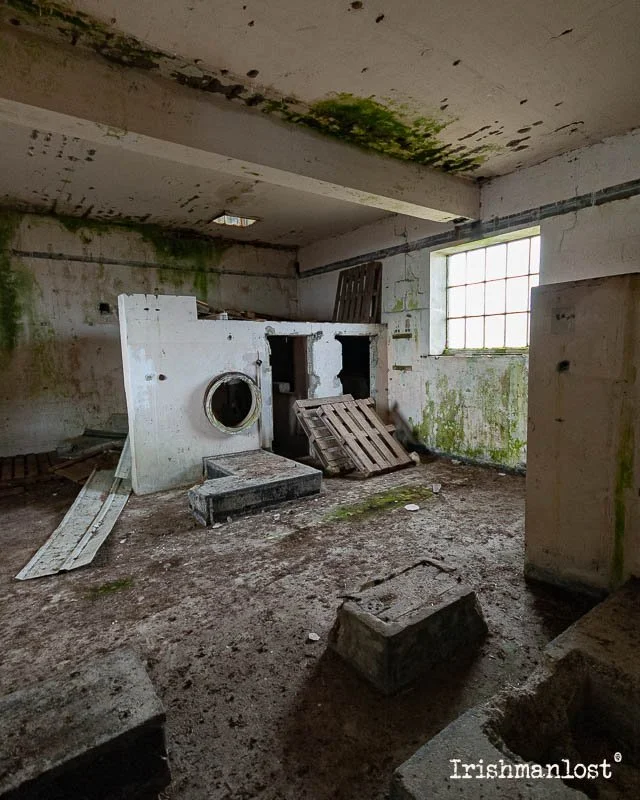
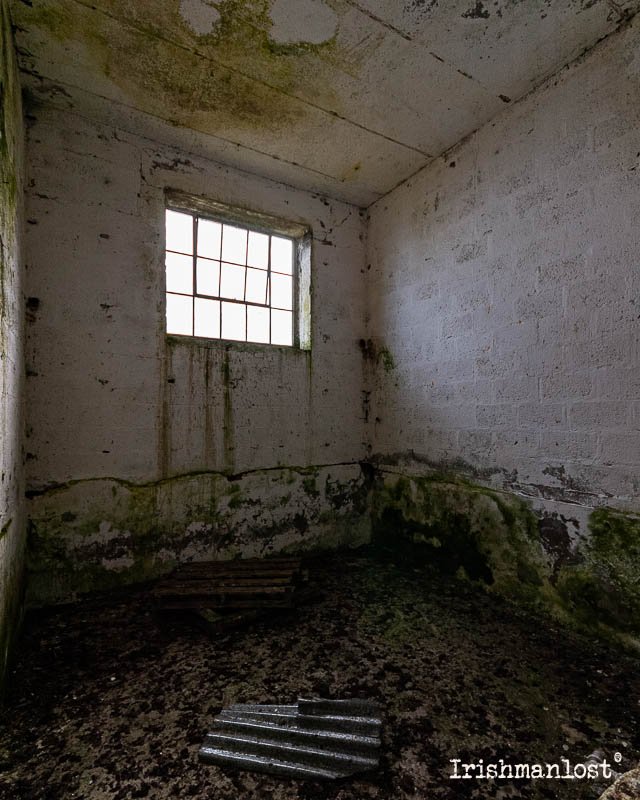
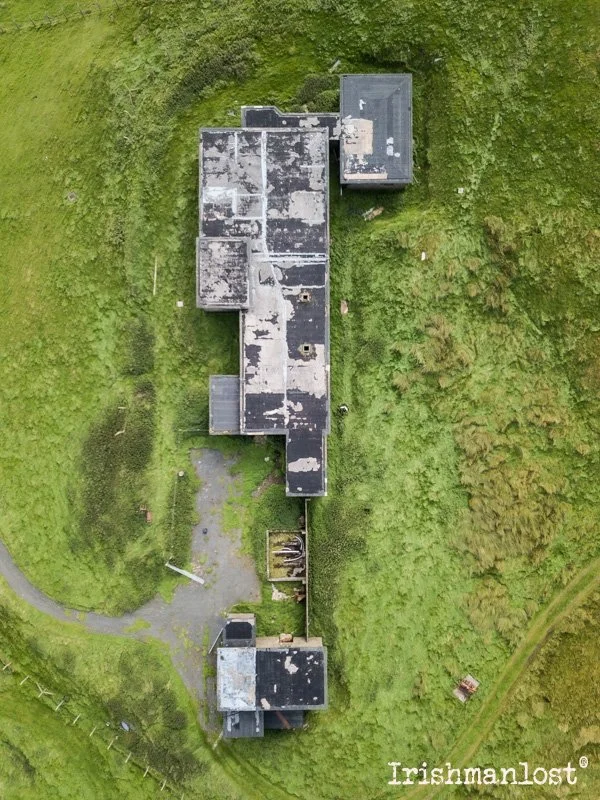
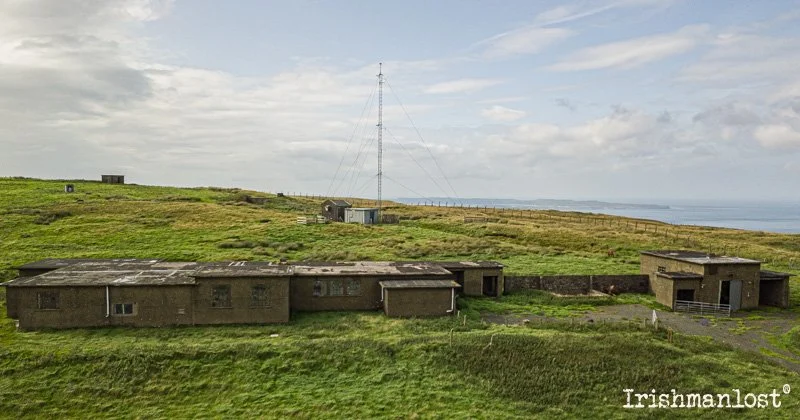
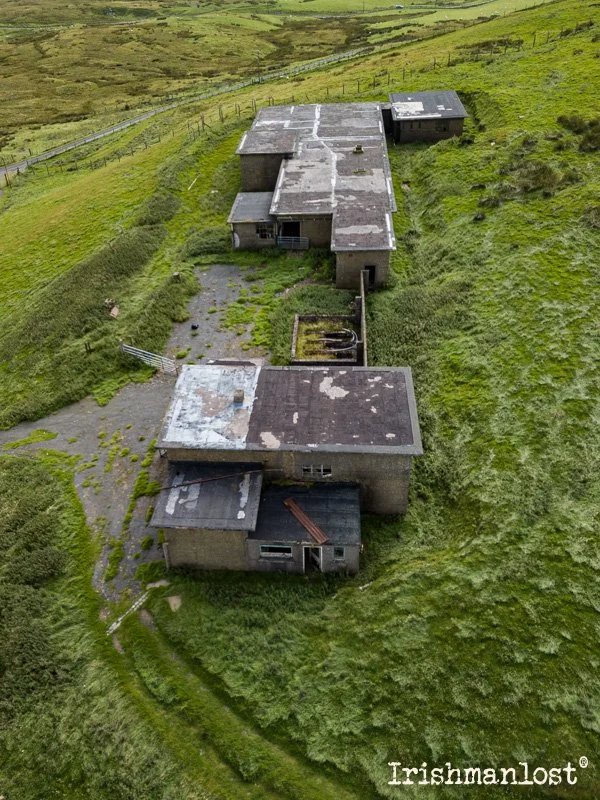
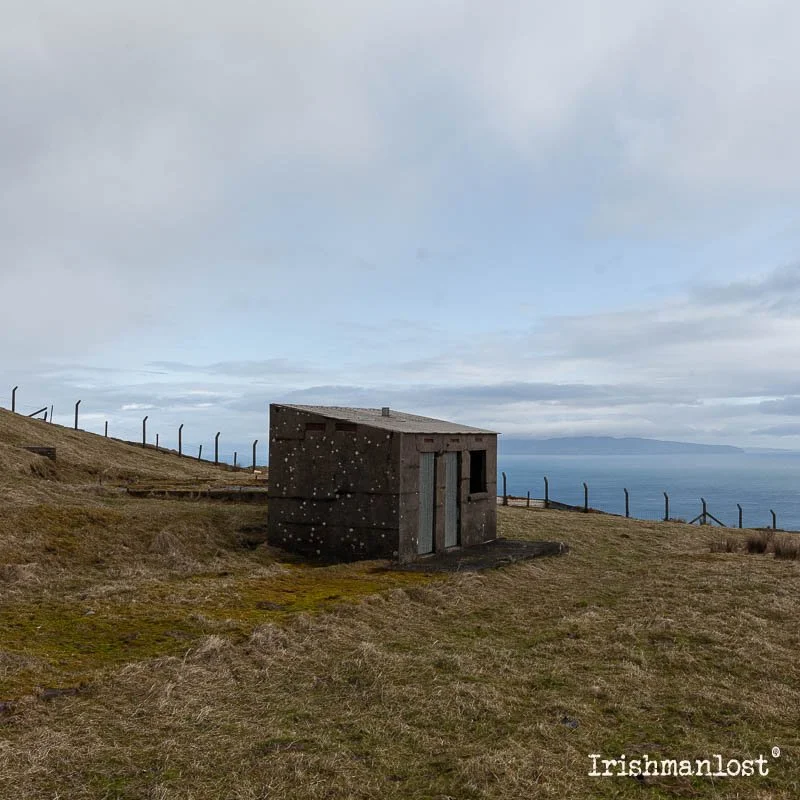
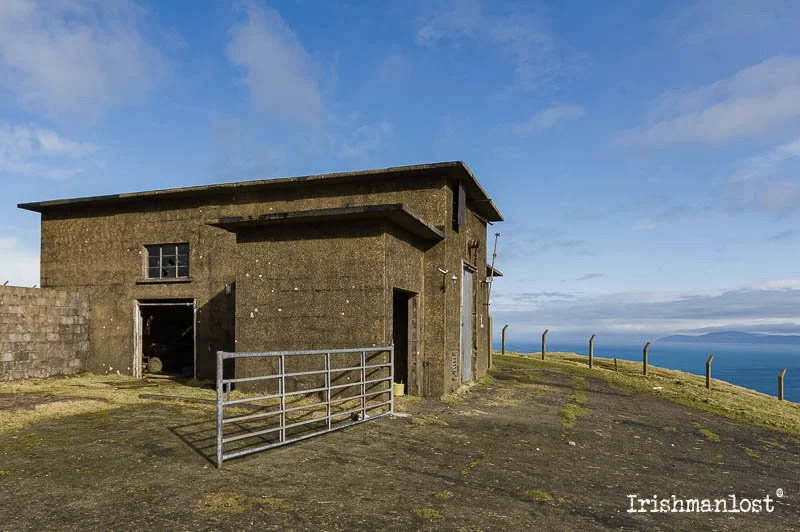
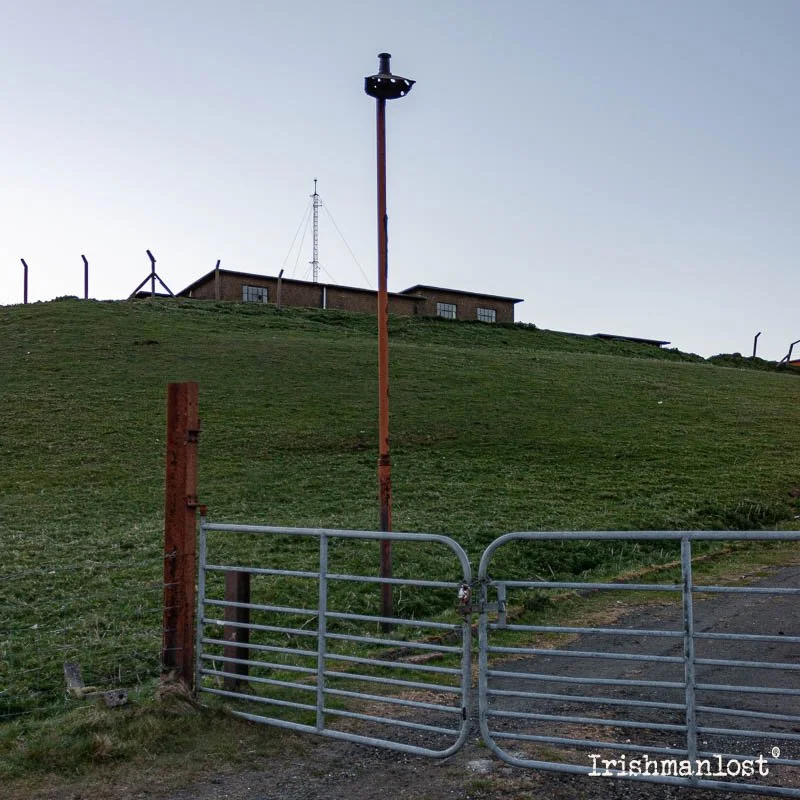
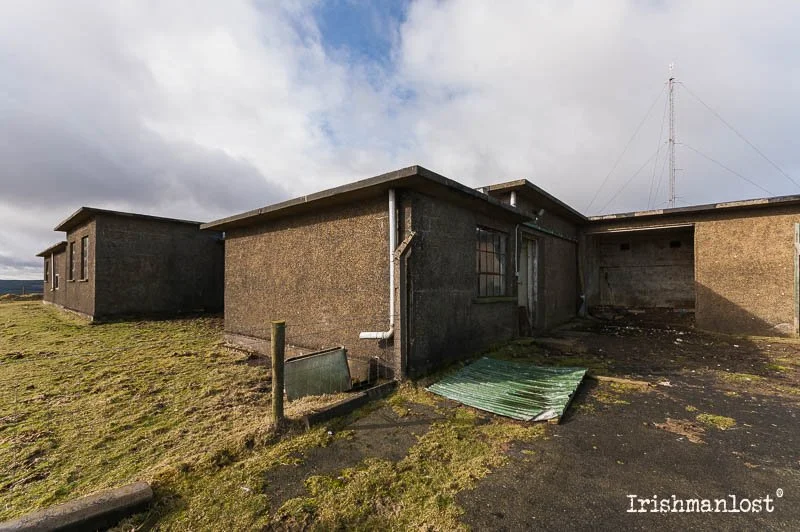
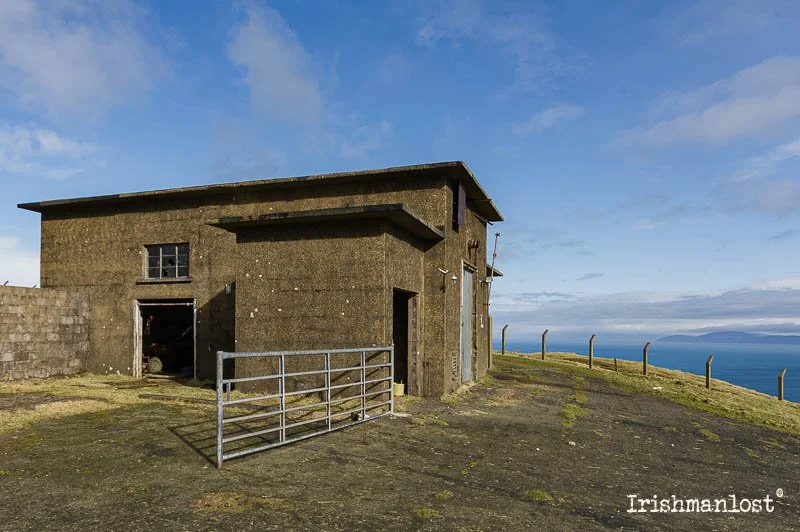
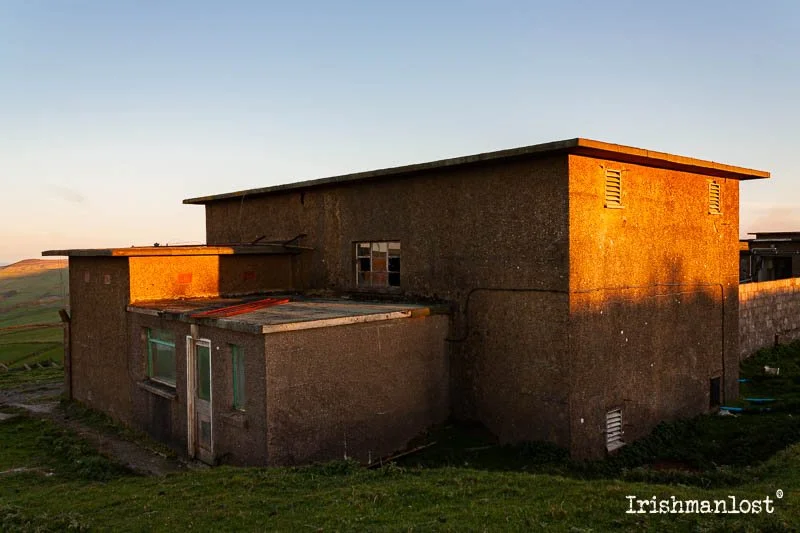
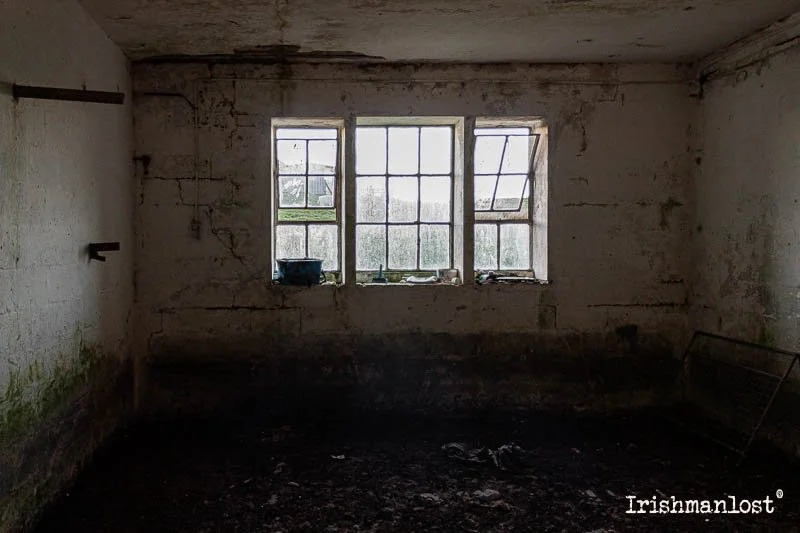
As you approach the abandoned Rotor Radar Station at Murlough Bay today, you are greeted by a striking sight. The weathered structures stand in stark contrast to the natural beauty that surrounds them. The station comprises several buildings, including the technical block, a standby set house, a single brick radar plinth, and concrete blocks that would have held the radar support cables
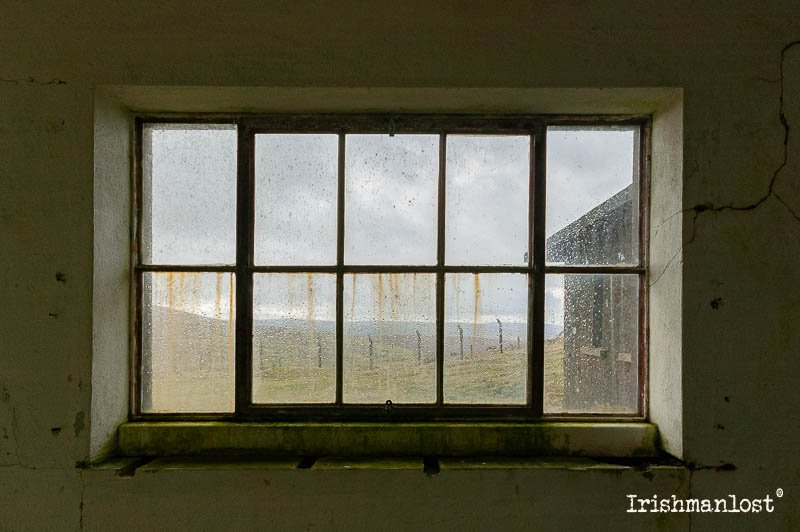
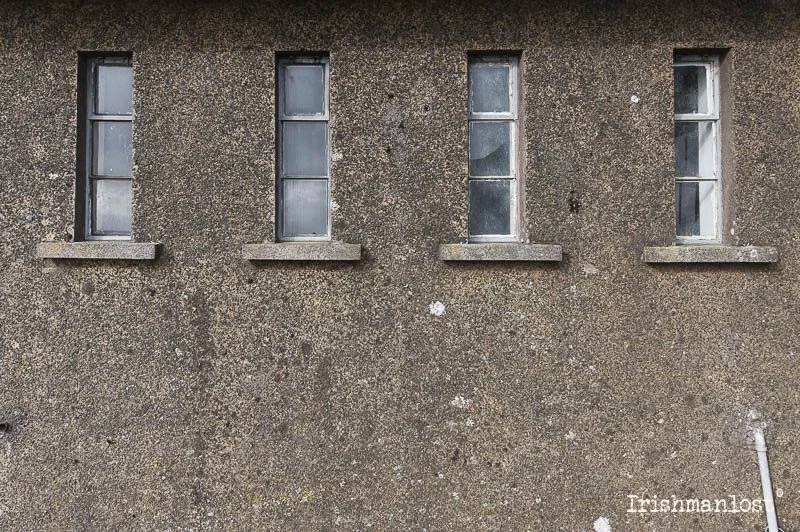
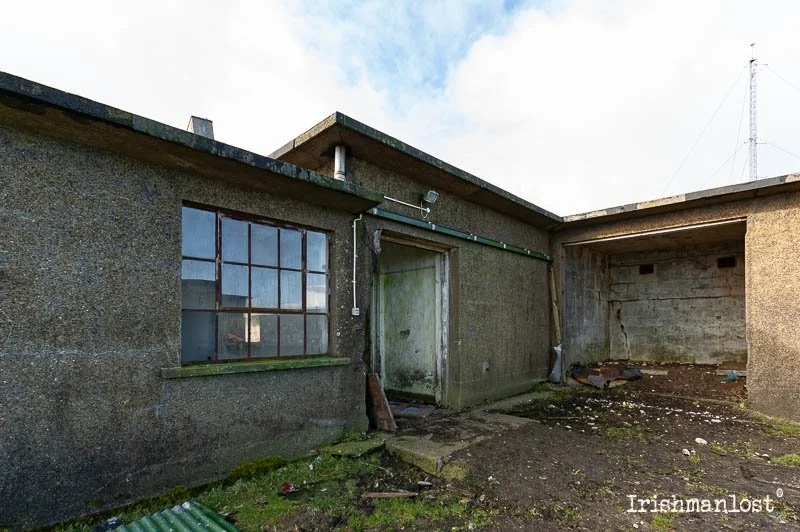
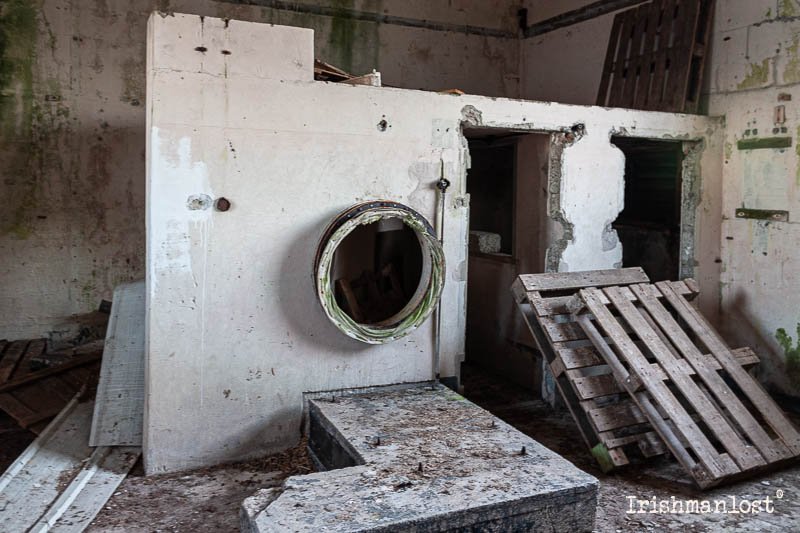
One cannot help but wonder about the lives and experiences of those who served at this remote outpost during the Cold War. What was it like to work here, far away from the front lines but essential to the nation's security? The buildings may have aged, but their echoes still resonate with history.