
Ardavon House
The Lost Victorian Mansion of Belfast Lough
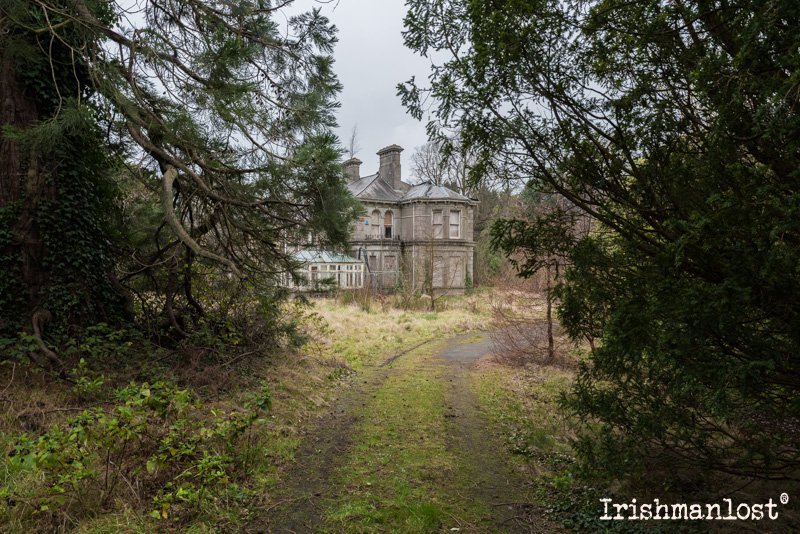
Ardavon House was once a grand Victorian mansion, set within mature woodland and just a short distance from the coastline of Belfast Lough. Built in 1887 by Samuel Trimble, who served as Deputy Treasurer of County Antrim, the house stood as a clear statement of status and permanence, rooted firmly in its time and place.
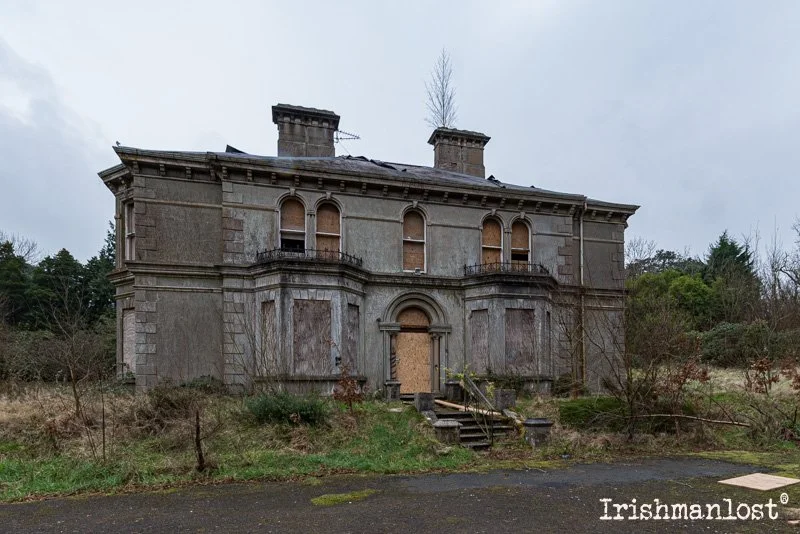
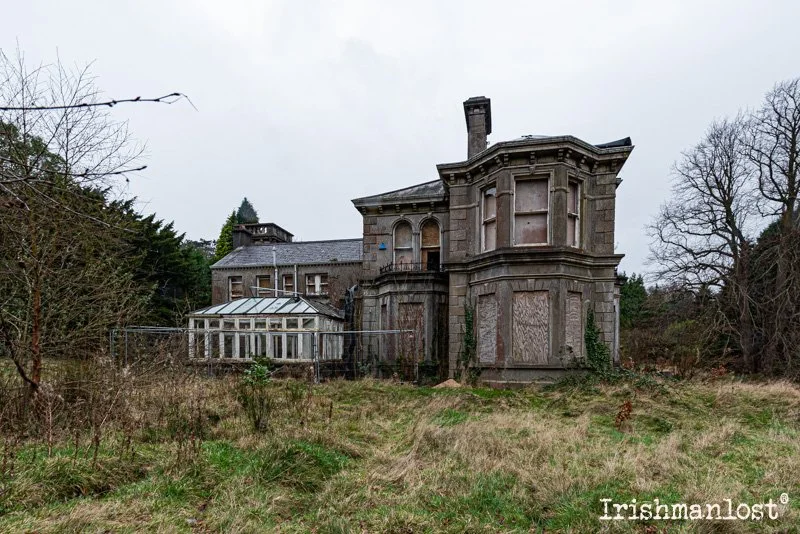
The grounds were every bit as impressive as the house itself. Well-established fruit trees and flower gardens surrounded the property, giving the estate a sense of careful planning and long-term stewardship. There was even a neatly kept lawn used for tennis, hinting at a social life and lifestyle that once revolved around the house. Walking the grounds, it wasn’t difficult to imagine summer afternoons, quiet routines, and a building very much alive with purpose.
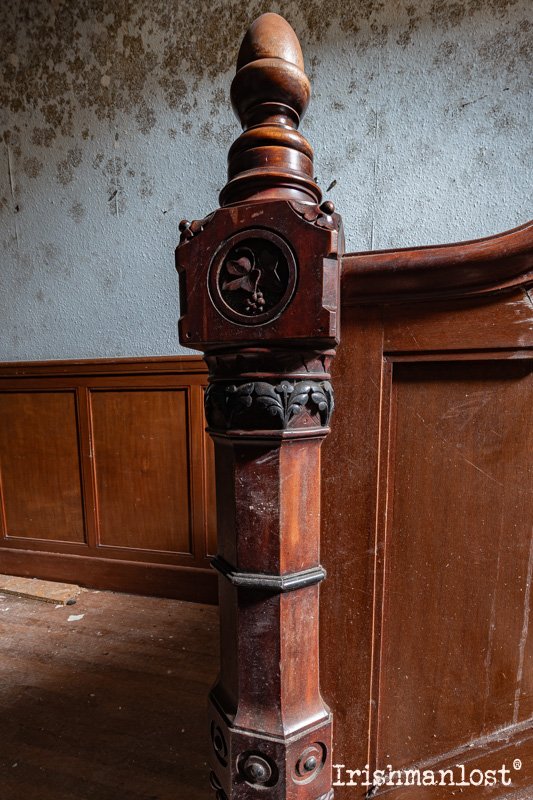
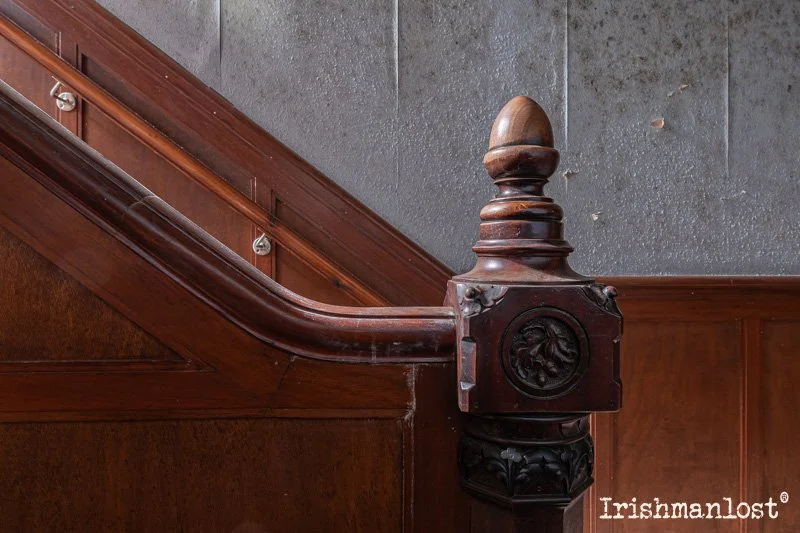
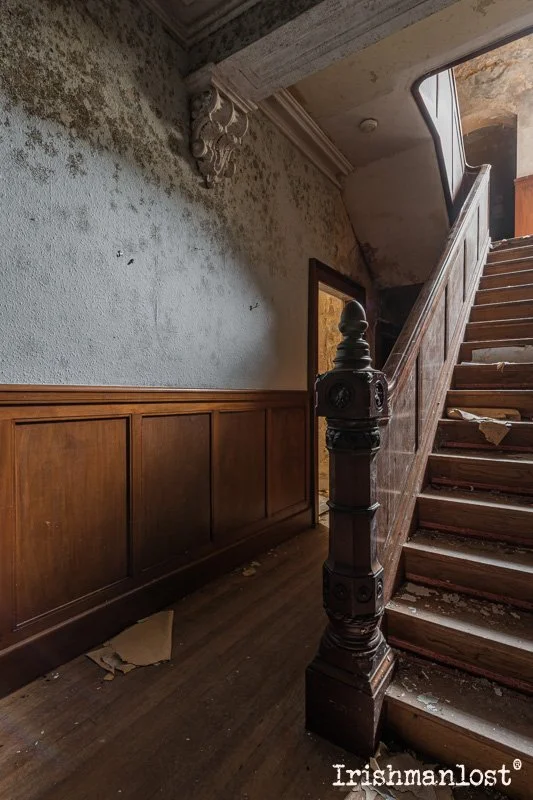
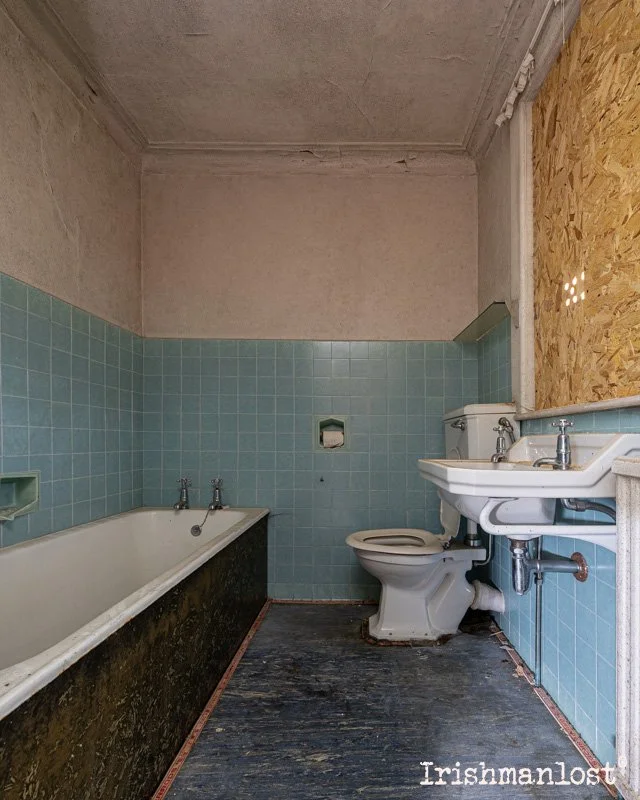
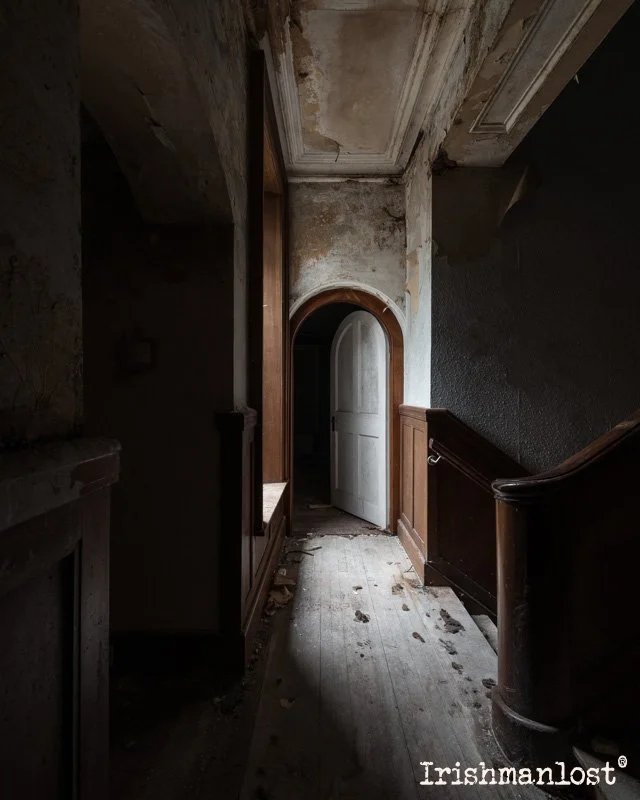
I visited Ardavon House in 2017, likely shortly before it was fully stripped of anything considered valuable. Even then, there was a feeling that its days were numbered. Rooms stood empty, details were fading, and the silence felt temporary — not the settled quiet of abandonment, but the uneasy calm before removal. Still, the structure retained its presence. It was a house with weight and character, something that didn’t deserve to be reduced to rubble
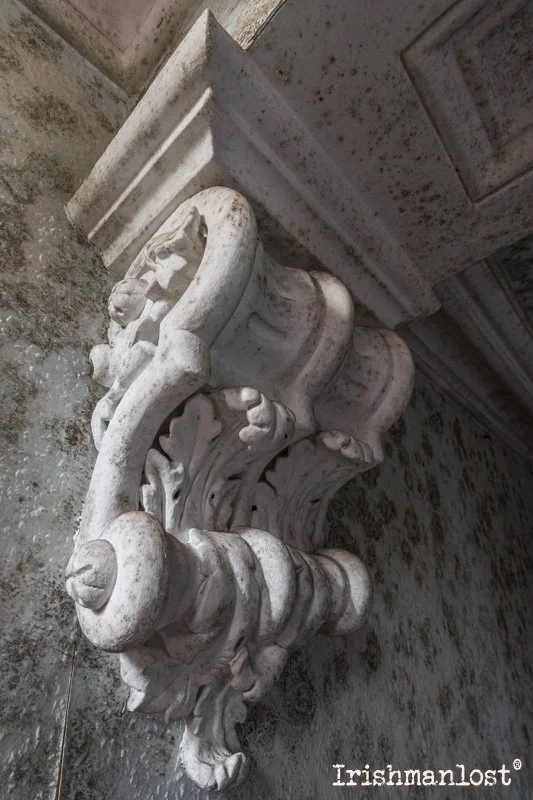
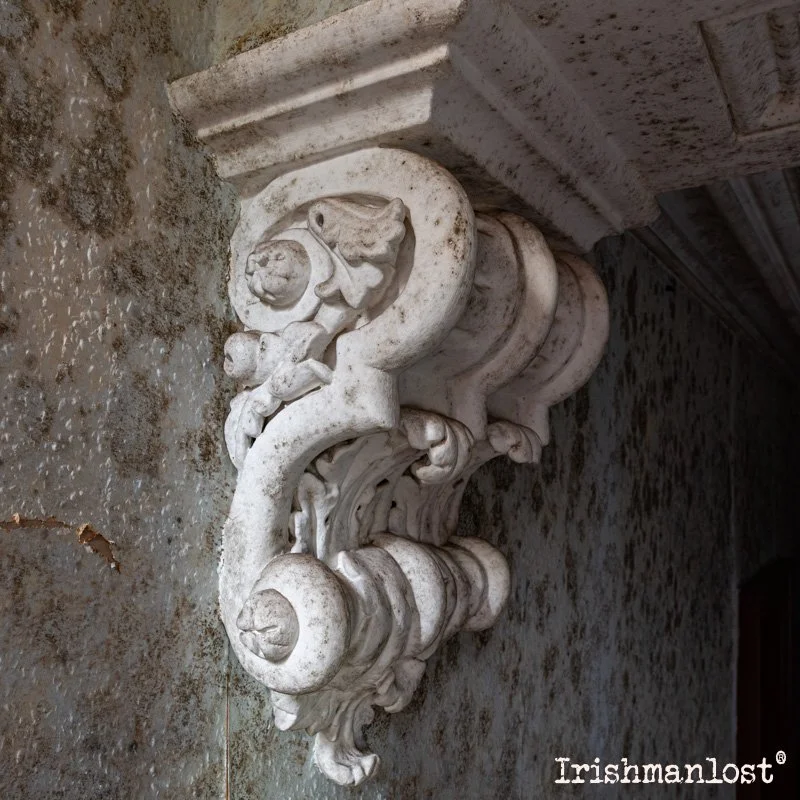
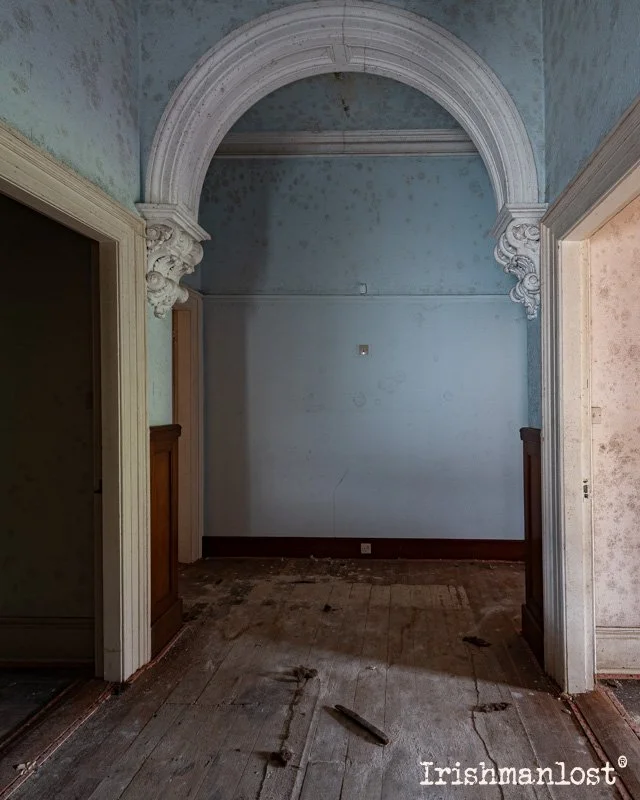
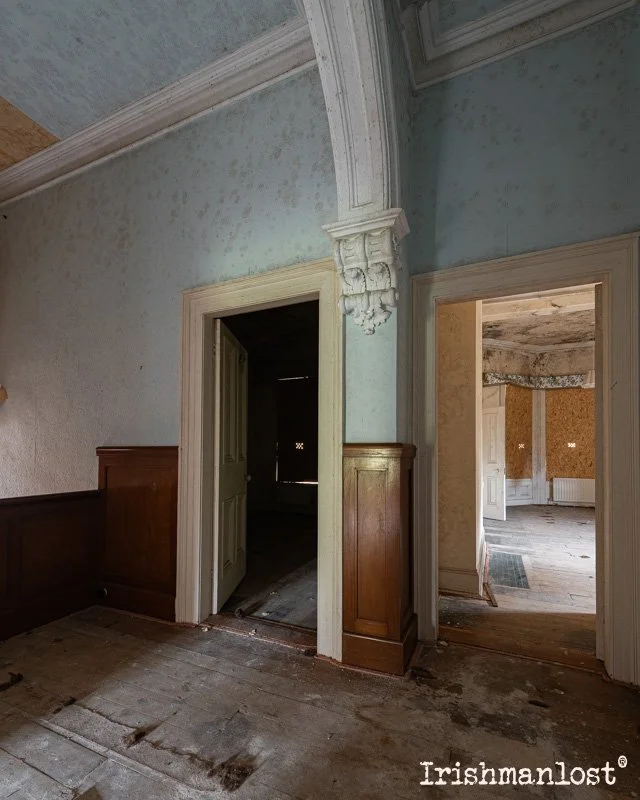
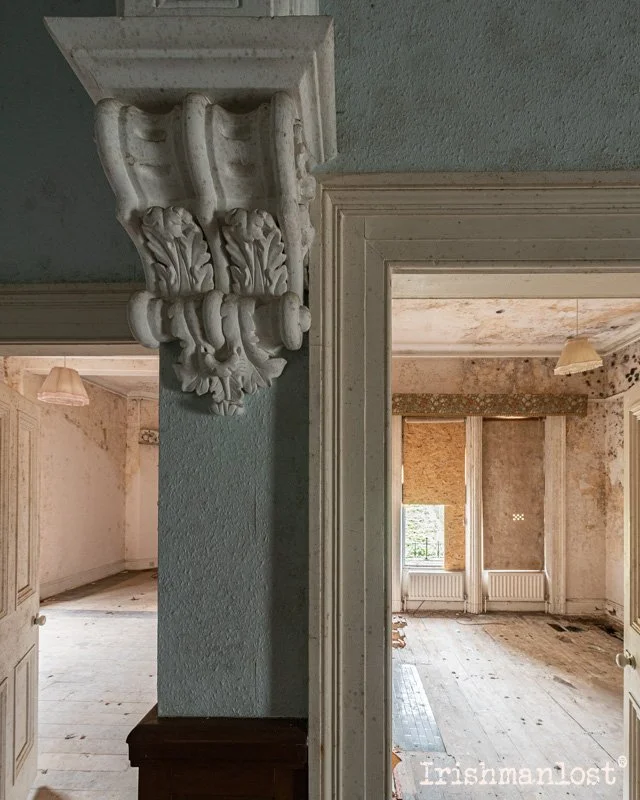
Today, the building is gone, demolished to make way for new housing. I find that deeply frustrating. Ardavon House was more than capable of being incorporated into the site plans. It was grand in its own right, and with imagination and care, it could have been reused — given a new function while still preserving its history. Instead, what’s left is development with a name borrowed from the past, stripped of the meaning and substance that once gave it value.
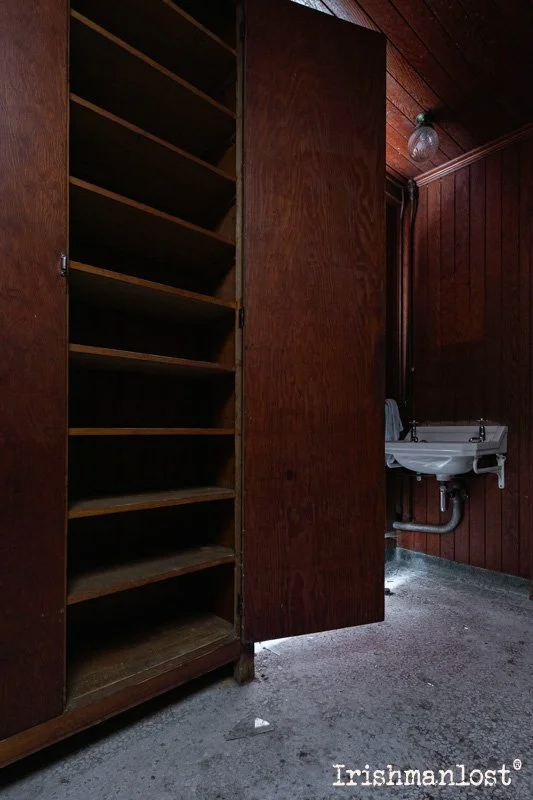
It’s hard not to see this as another missed opportunity. Too often, developers fail to recognise the potential in buildings like this — not just their architectural merit, but their cultural and historical importance to an area. Once they’re gone, they’re gone for good. What remains is a sense of loss, and the familiar feeling that a tangible piece of local history has been quietly erased, with little thought given to what it might have continued to offer if it had been saved.
