
Gorteen House Hotel & Jenson's Nightclub
A Look Inside Limavady’s Former Hotel and Nightclub
When I think about the former Gorteen House Hotel in Limavady, I don’t picture it as a building straight away. I think about the feeling of it. For years, it sat there so quietly and so reliably that I barely noticed it at all. I drove past it without looking. Walked by without slowing down. It was just part of the town’s background, as permanent as the hedgerows or the grey sky. I assumed it would always be there. I never thought I’d one day be writing about it in the past tense.
The deeper I looked into it, the further back the story went. Gorteen House didn’t begin life as a hotel at all. It was built around 1903 by the Boyle family as a large Edwardian villa — the kind of confident, well-proportioned house that suggested permanence and quiet wealth. I imagine tall ceilings, wide windows, and rooms designed for family life rather than guests. At one point, it was even listed, which tells me it must have had real architectural character. It wasn’t just another building. It mattered enough to be protected.
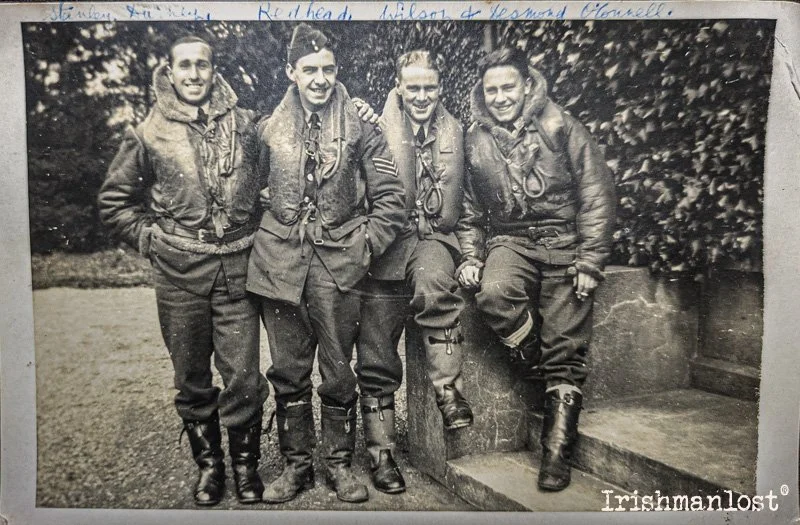
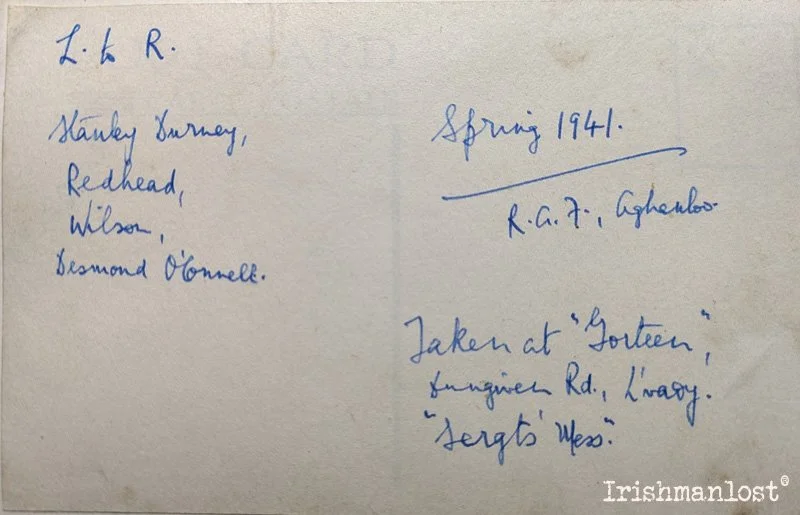
To read up more on these airmen and what happened to them you can see it on ‘The Second World War in Northern Ireland’ Facebook page.
During the Second World War, the house was requisitioned for officers. That detail stopped me when I first read it. I tried to picture the place during those years — uniforms where there had once been family dinners, maps spread across tables, boots on the floors, a different kind of tension in the air. The building must have felt very different then, less domestic, more functional, pressed into service by history itself. I like the idea that even before it became a hotel, it had already played a quiet role in something much bigger than itself. It had already seen the world change.
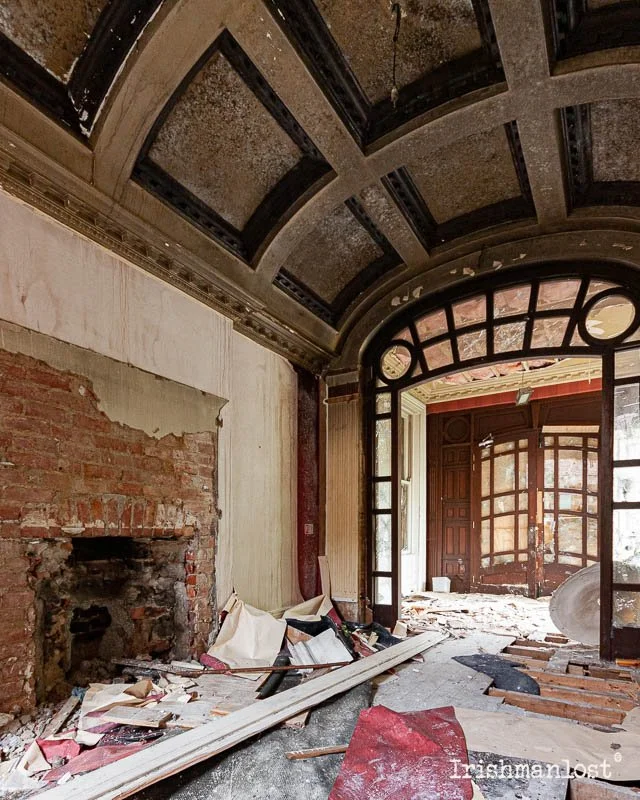

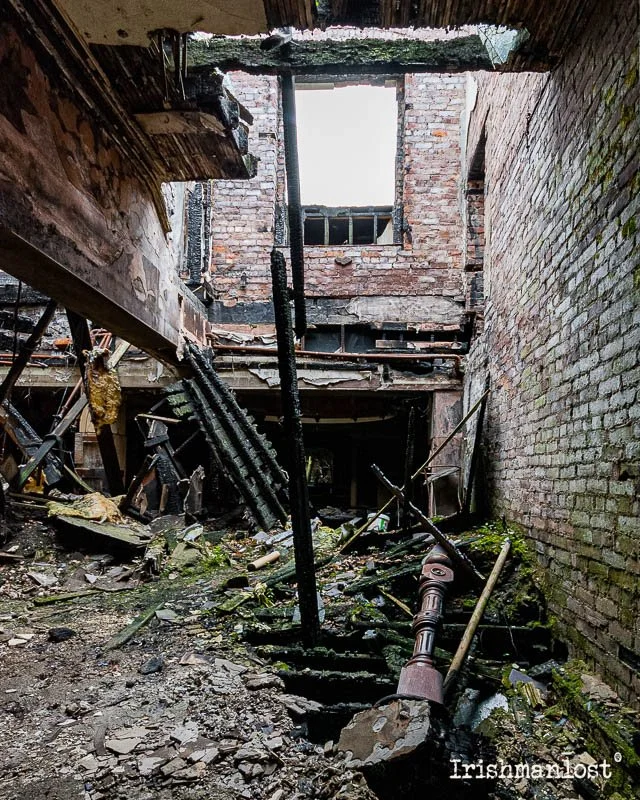

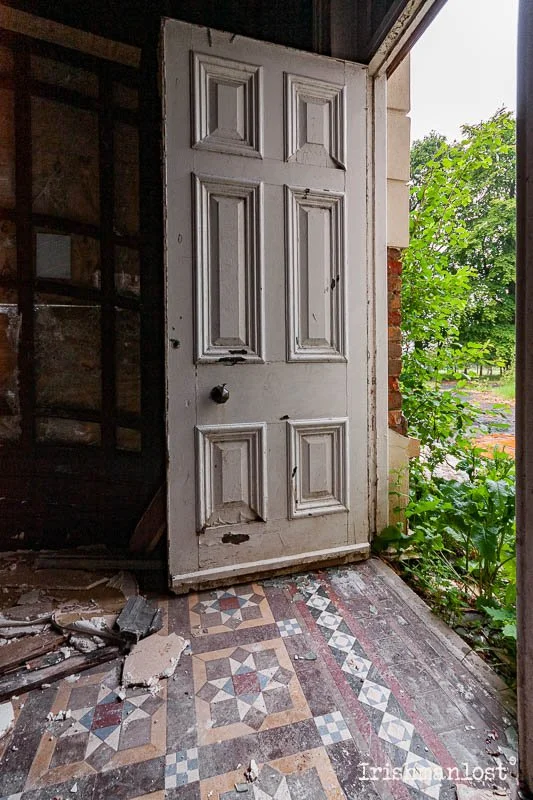
By 1974, it changed again. The McLaughlin family bought it and transformed it into a hotel, and that’s when it really entered the version of the story most people remember. From then on, it stopped being private and became public. It became somewhere you could walk into without invitation. Somewhere that belonged, in a strange way, to everyone.
And it wasn’t small. Twenty-seven bedrooms, two restaurants, meeting rooms, and later a nightclub. For a town the size of Limavady, that’s significant. It wasn’t just accommodation — it was an anchor point. A place where things happened.
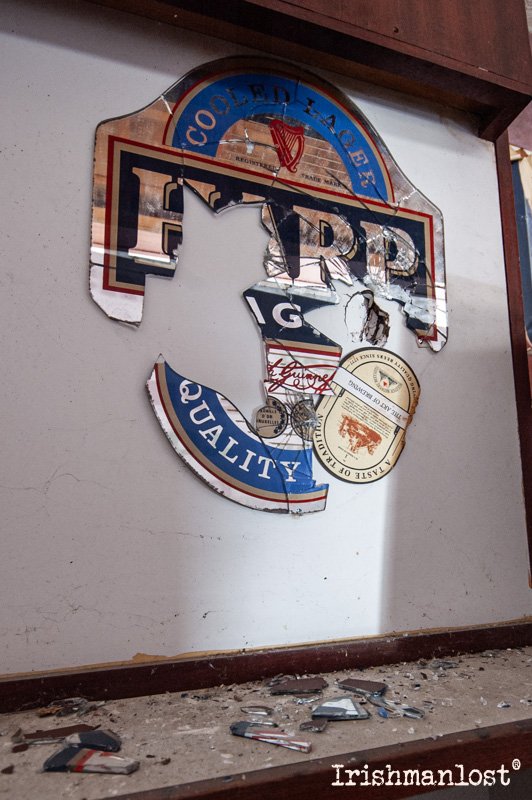


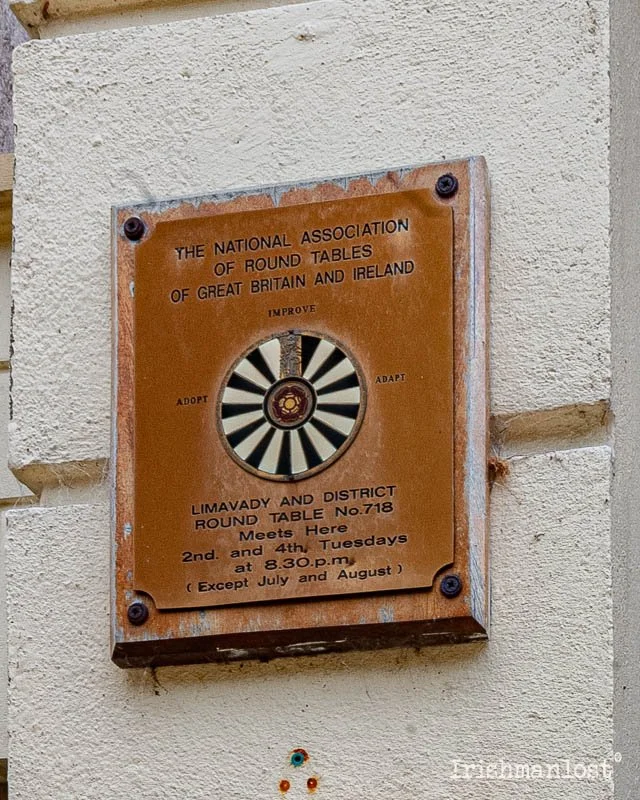
When I talk to people about Gorteen House now, nobody mentions staying overnight first. They talk about events. Weddings. Christmas dinners. Birthday parties. Club meetings. Funeral gatherings. It feels like half the town must have passed through those doors at some point in their lives. I can almost see it clearly — function rooms dressed up with white tablecloths, chairs scraping across floors, the hum of conversation, someone tapping a microphone and asking for quiet. The ordinary milestones of life are all held under one roof.
That’s what strikes me most. Not glamour, not luxury — just usefulness. The building did its job for decades. It showed up for people.
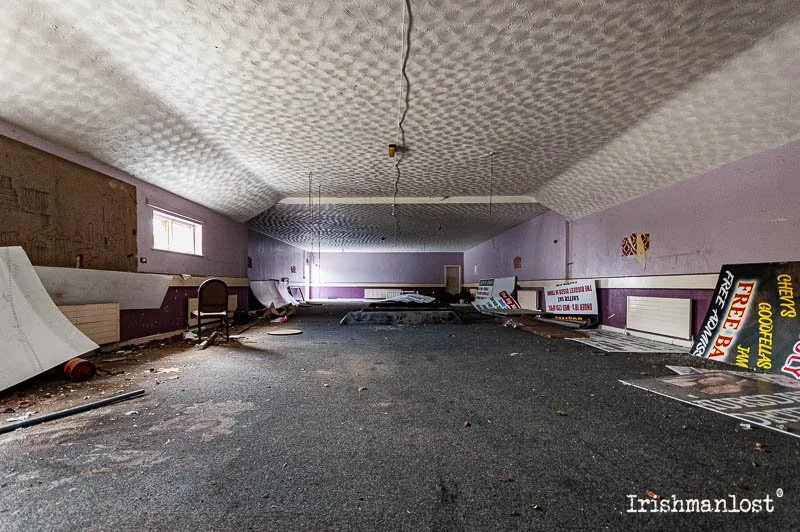
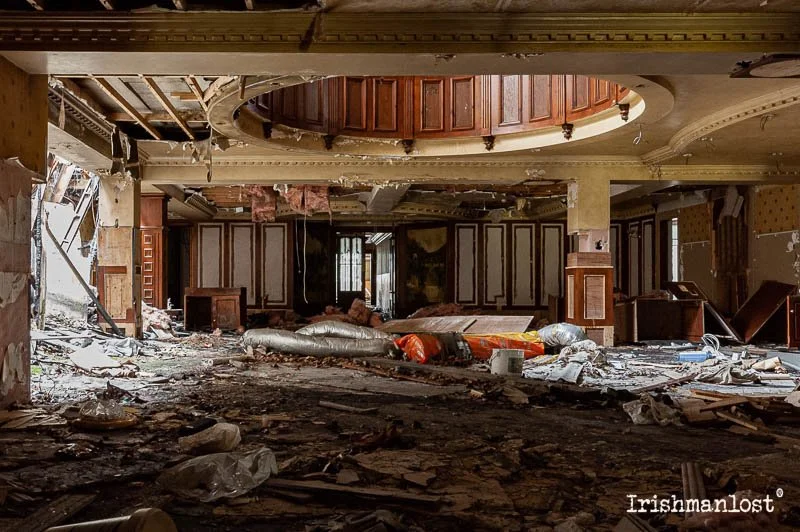
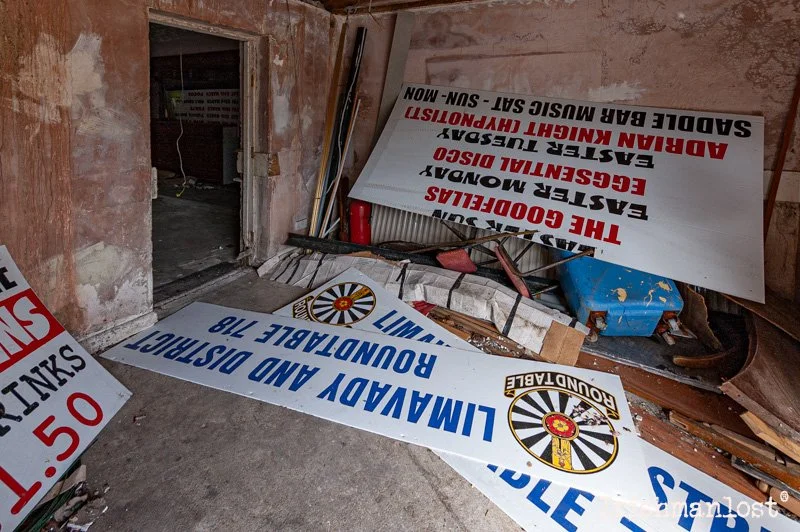
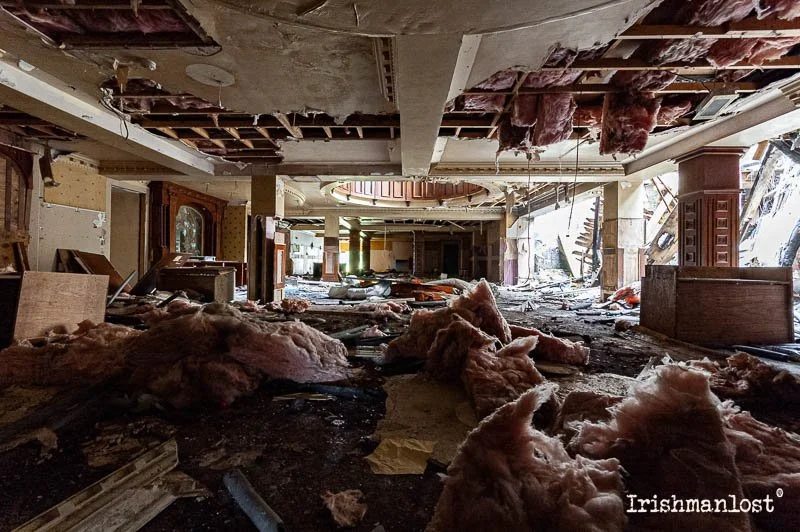
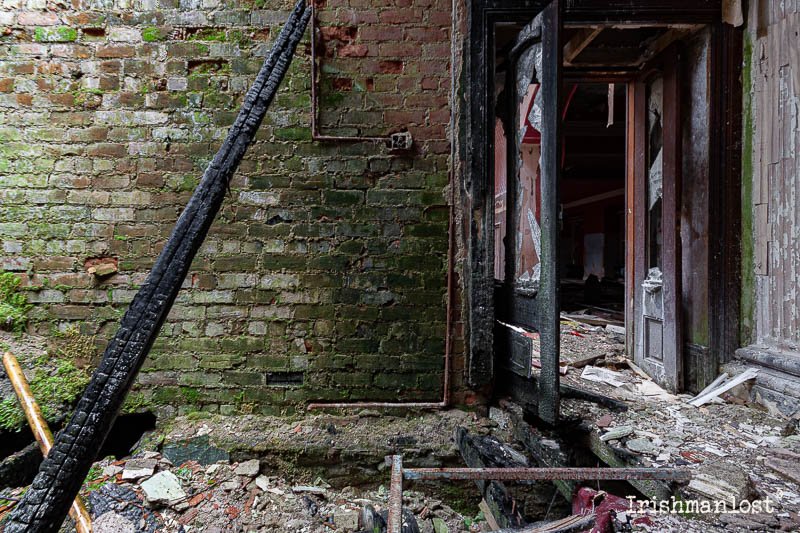
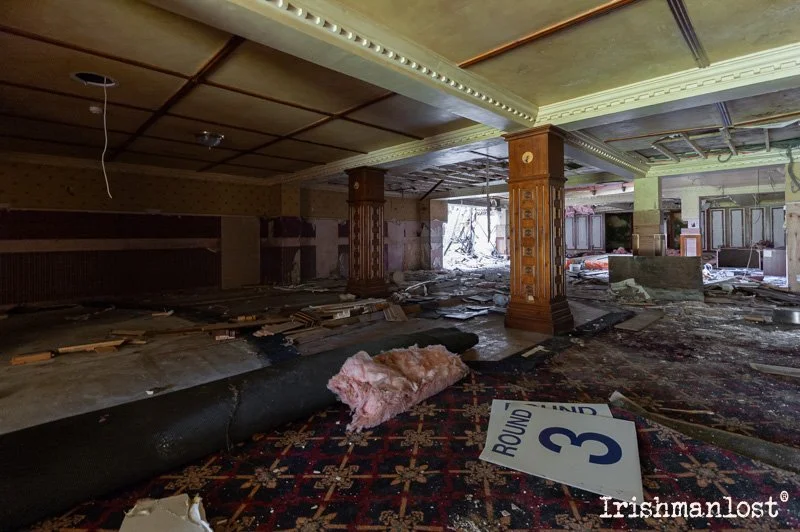
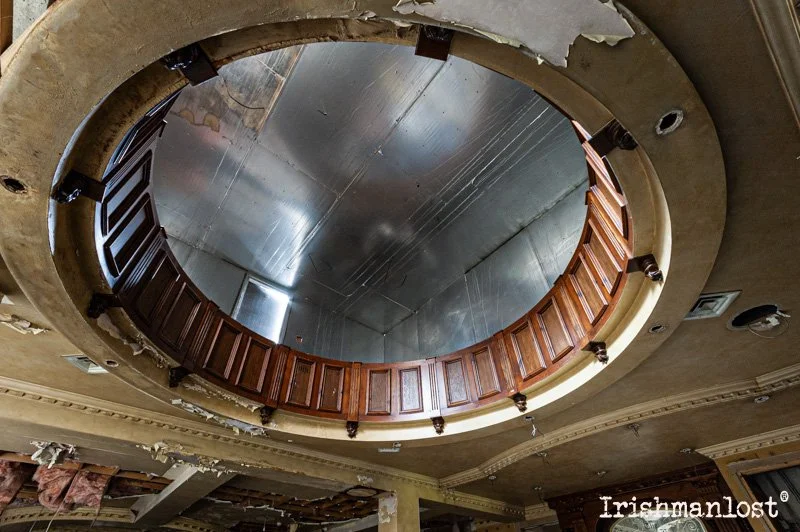
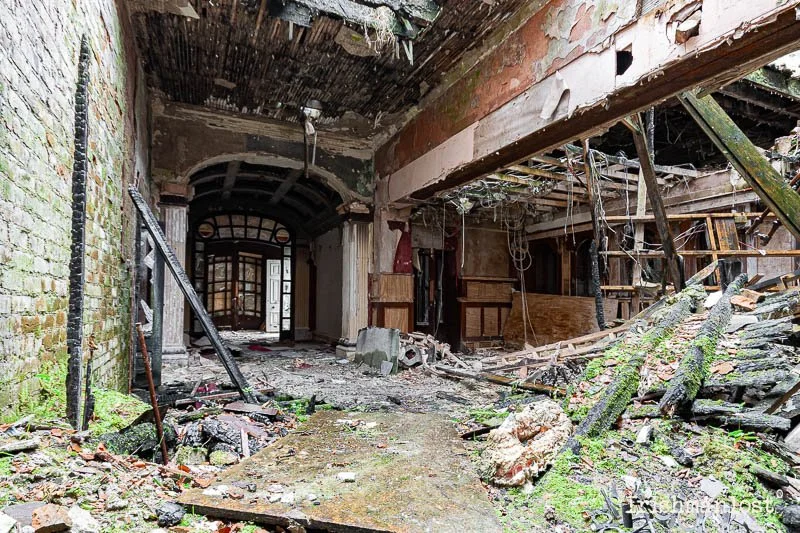
Then there was the livelier side of it. Jenson’s Nightclub. Even saying the name seems to spark stories. I didn’t spend my nights there myself, but I’ve heard enough tales to feel like I almost did. Queues outside in the cold. Music thumping through the walls. Coloured lights flashing across packed dancefloors. For a while, it must have felt like the centre of the universe on a Friday or Saturday night.
What always surprises me is learning who actually played there. Judge Jules. Sash! Big names that you wouldn’t expect to see attached to a small-town venue. And then finding out it appeared in the old Showbands-Dancehall listings too, which means the place had been hosting live entertainment long before the nightclub era properly kicked in. That tells me something important — this building has been entertaining people for generations. Music, dancing, crowds. Decade after decade. That’s a lot of life for one set of walls.
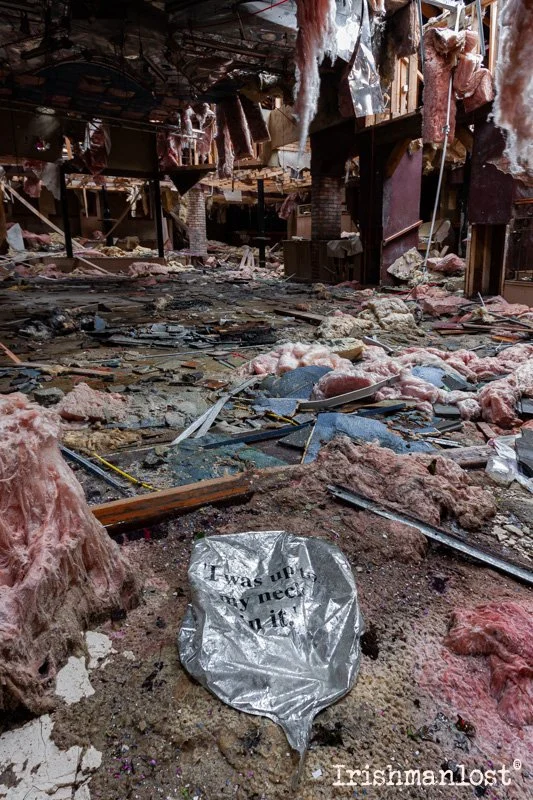
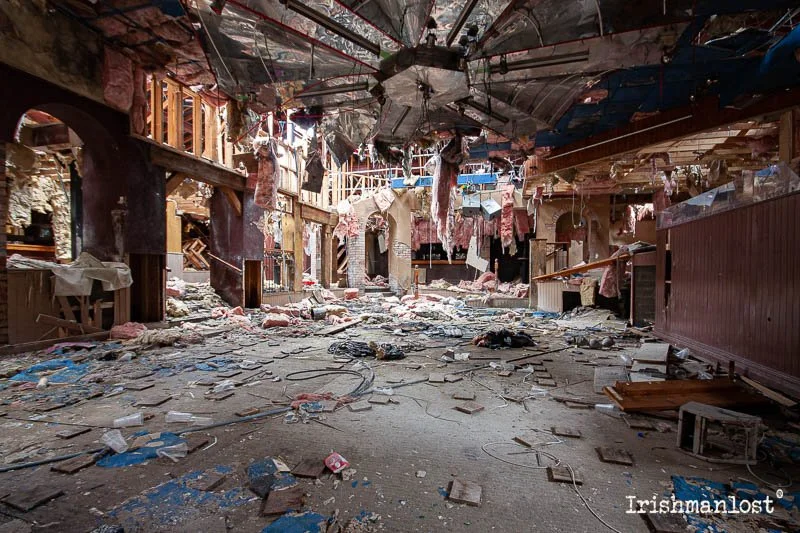
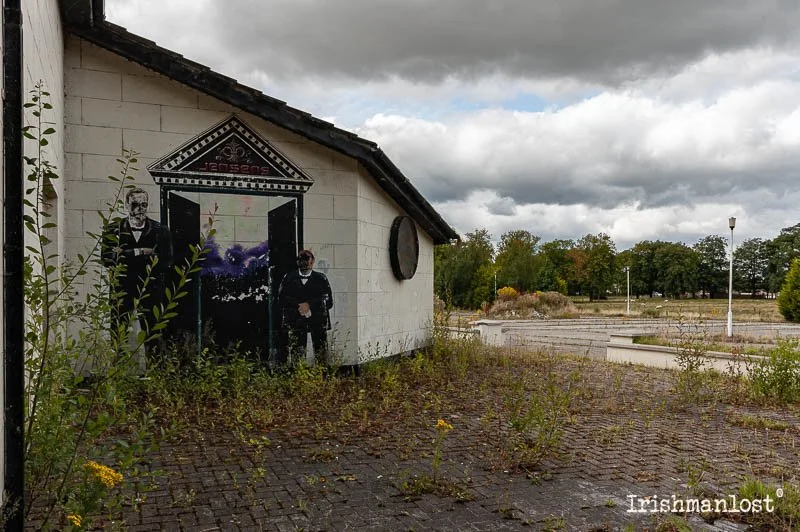
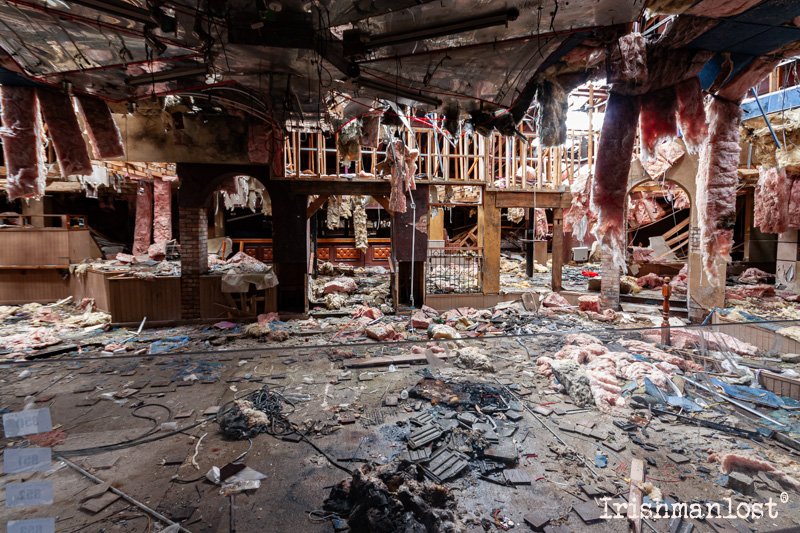
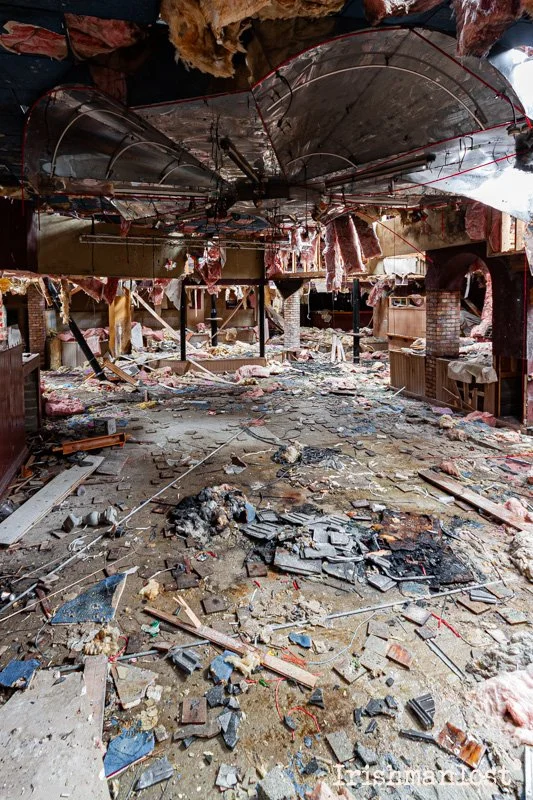
But places like this rarely get a clean ending. They fade slowly. I imagine the decline creeping in almost unnoticed—fewer bookings. Quieter weekends. Tastes changing. People are travelling elsewhere. Bigger chains offering cheaper rooms. The kind of slow drift that’s hard to fight against.
Then came the fire in 2003, and everything shifted. Arsonists started a blaze in a storeroom at the rear of the hotel. More than thirty firefighters battled it for over four hours. I try to picture that night — smoke pouring into the sky, blue lights flashing against the walls, hoses dragged across the car park that had once been filled with wedding guests and late-night taxis. And in the middle of all that chaos, a firefighter lost his life.
That fact changes the whole tone of the story for me. A building closing is sad. A tragedy is something else entirely. From that moment on, Gorteen House wasn’t just a former hotel. It was tied to sacrifice. To loss. And you can’t separate those things once they happen.
The hotel survived for a time after that. In 2006 or 2007, it even went up for sale as a going concern, which suggests someone still believed it could come back. But the new owner closed it, and then there were two more fires. After that, it felt inevitable. Whatever chances it had left slipped away.
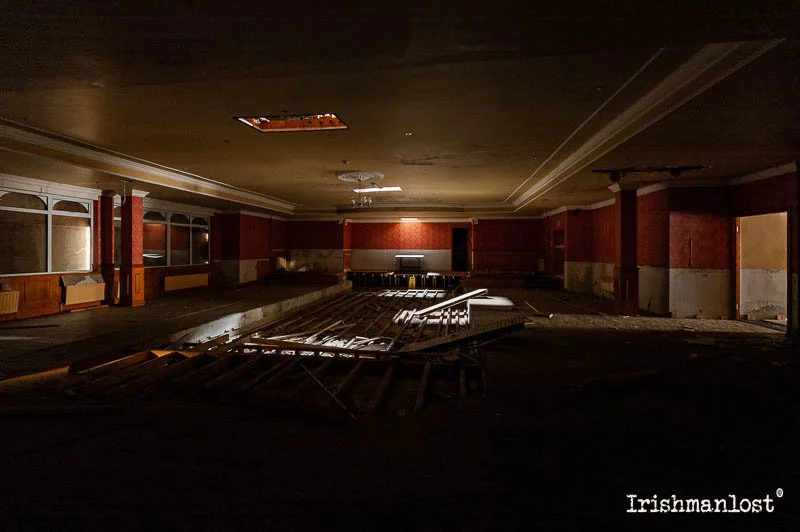
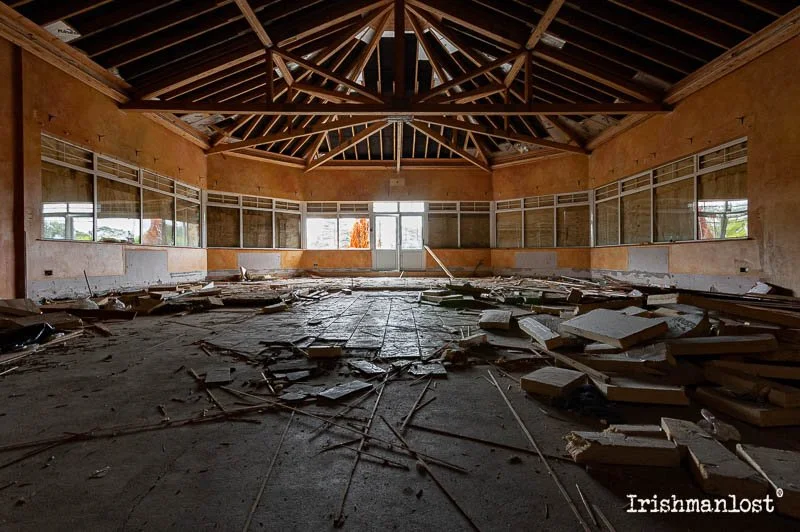
Eventually, it was demolished to make way for housing.
I remember standing near the site not long after, camera in hand, during visits in 2008 and again in 2011, trying to document what was left. Even then, it felt like I was photographing a ghost. And then, suddenly, even the ghost was gone. No walls. No roofline. No trace of the rooms that had held a century of life. Just open ground and new houses creeping in.
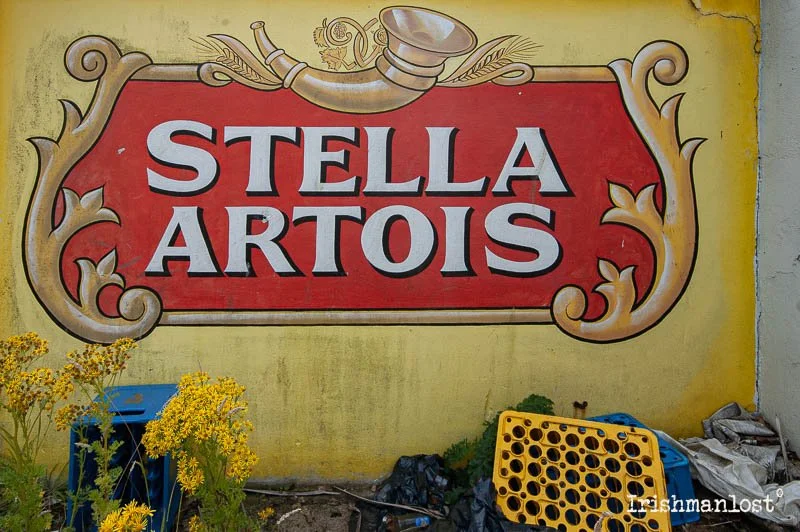
These days, I realise the building survives only in fragments. In old photos. In half-remembered nights. In conversations that start with, “Do you remember Gorteen House?” It’s strange how little official history exists for a place that meant so much to so many. I still feel like there are gaps someone out there could fill.
But maybe that’s how places like this live on — not in records, but in people.
Every time I pass that stretch of road, I still glance over automatically, expecting to see it standing there.
I never do.
And yet, somehow, it still feels like it hasn’t really left.
Do you remember working or visiting? I'd love to see your memories of your time here.
