
Marianvale Mother and Baby Home, Newry
A Lost Institution and Its Complex Past
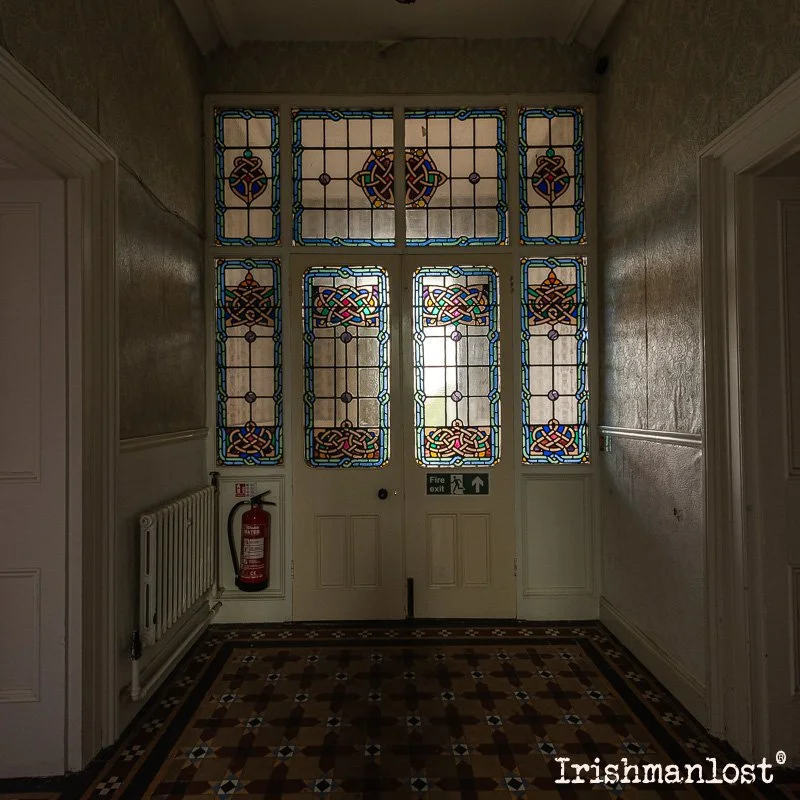
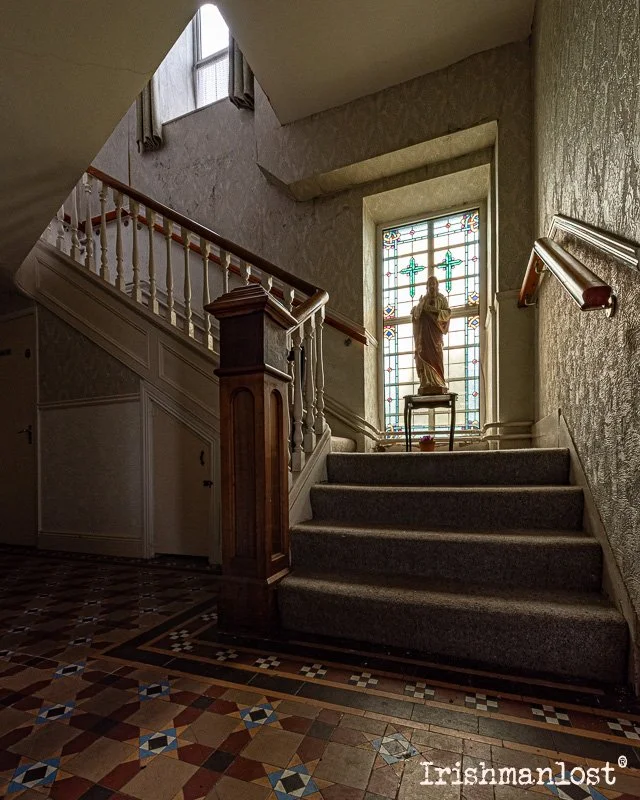
When I first came to Marianvale along the Armagh Road in Newry, it carried that same quiet stillness I’ve come to recognise in so many abandoned places across Ireland. From the outside, it looked like any other mid-twentieth-century institutional building — solid brick, long rows of windows, and grounds that would once have been carefully kept. For years, it stood there, a familiar but largely unspoken presence on the edge of the town. But Marianvale always felt different. There was a weight to it. Behind those walls, for decades, the lives of unmarried mothers and their children unfolded far from public view.
Marianvale opened in the mid-1950s under the care of the Good Shepherd Sisters and operated as a Mother and Baby Home during a time when Irish society treated pregnancy outside marriage as something to be hidden. Families often felt pressure to send daughters away somewhere discreet until a child was born, and places like Marianvale became part of that system. On paper, it was a refuge — somewhere safe. In reality, it often existed in that uneasy space between care and control.
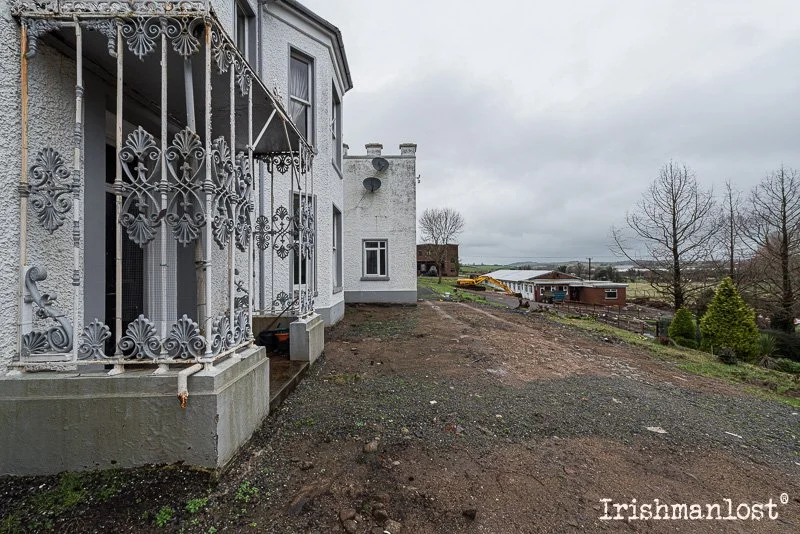
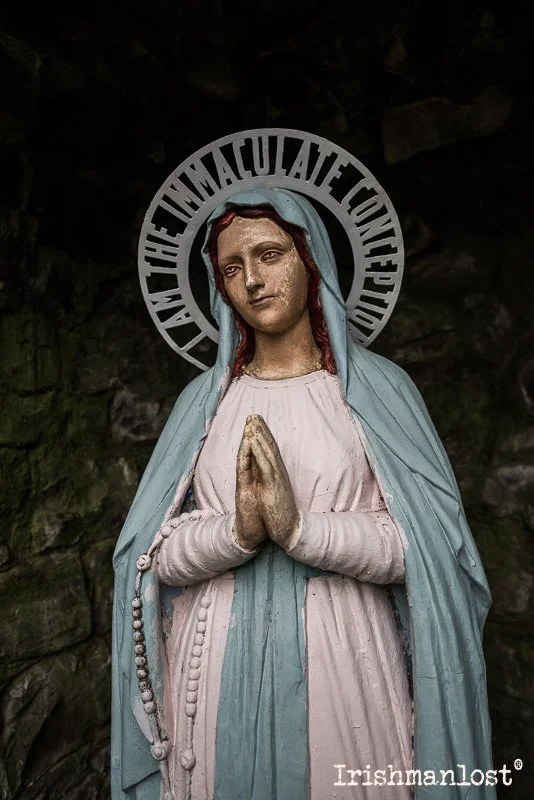
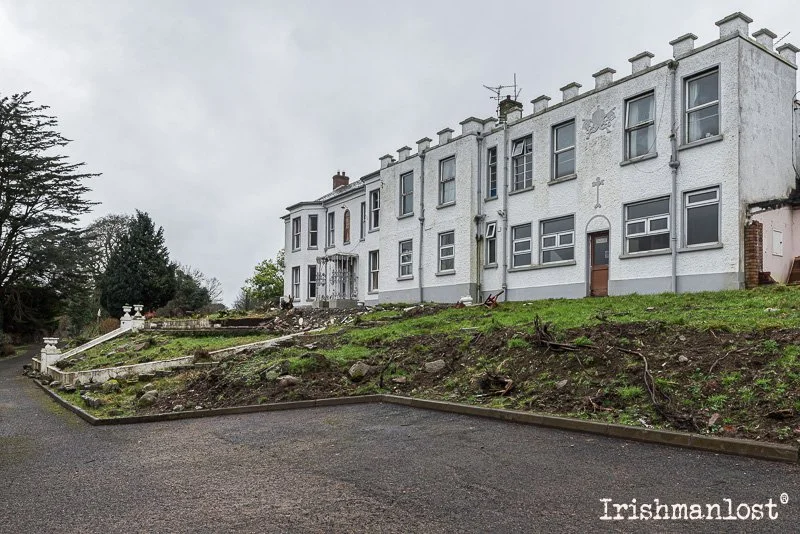
The home formed part of a wider Good Shepherd complex in Newry, which included convent buildings and a Magdalene-style laundry. Many of the women who arrived were very young, some still in their teens, and came from across Northern Ireland and beyond. For some, it was presented as their only option. For others, the decision was made for them by family, clergy, or authorities. Once inside, life followed strict routines shaped by religion, discipline, and silence. The expectation was clear — the outside world was not to know.
Through the 1960s and 1970s, Marianvale was at its busiest, with hundreds of women passing through its doors. Some stayed only for the final months of pregnancy, others for longer, depending on their circumstances. Inside, there would have been a shared sense of uncertainty — women living side by side, each facing the same unknown future. Bonds were likely formed in those quiet spaces, but so too was a deep sense of isolation.
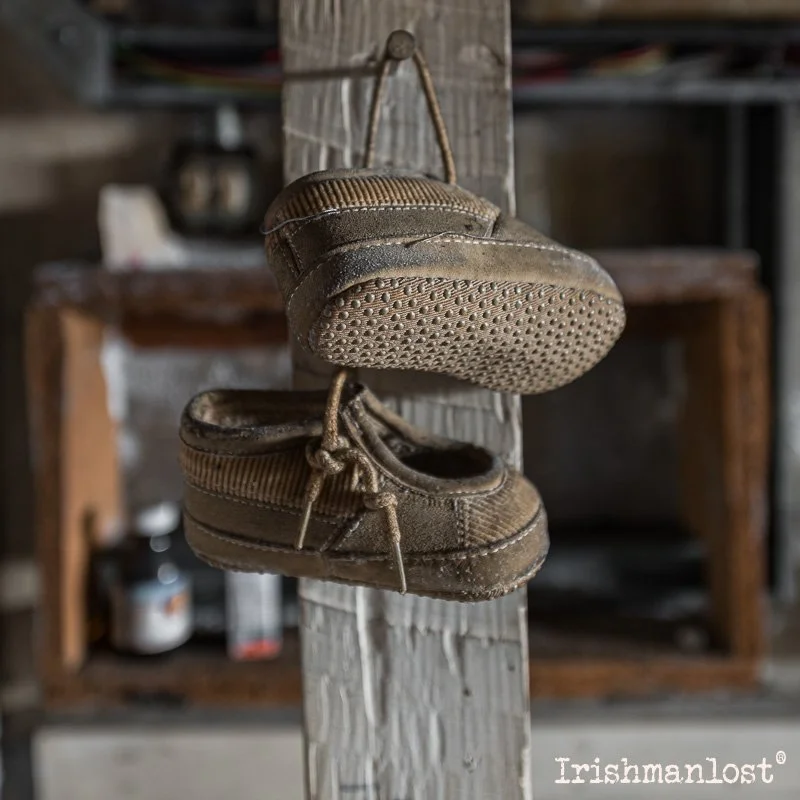
Most births connected to Marianvale took place in Daisy Hill Hospital rather than within the home itself. Afterwards, some mothers returned with their babies for a short time. But for many, that time was limited. Adoption became the expected path. Accounts from survivors and later investigations show that some women felt pressured into agreeing to adoption, while others believed they had no real alternative. The power imbalance was undeniable, and decisions made in those moments would shape lives for decades.
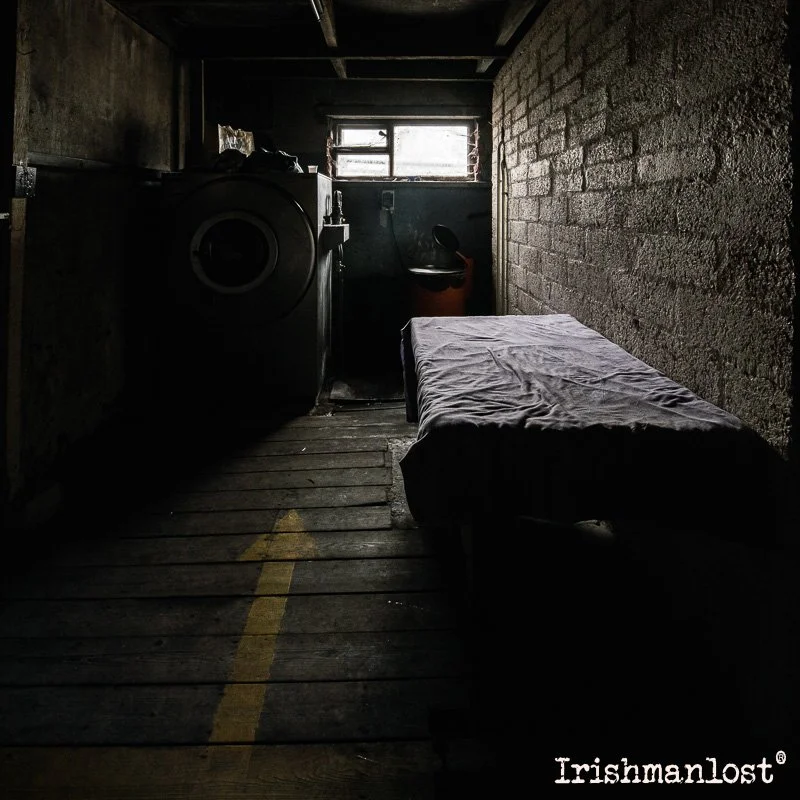
Looking back now, Marianvale sits within a much wider network of mother and baby homes that operated across Ireland throughout the twentieth century. These institutions were supported, directly or indirectly, by both church and state, and existed within a society that prioritised reputation over compassion. Unmarried motherhood was treated as something to be managed quietly, and Marianvale was one of many places where that management took place.
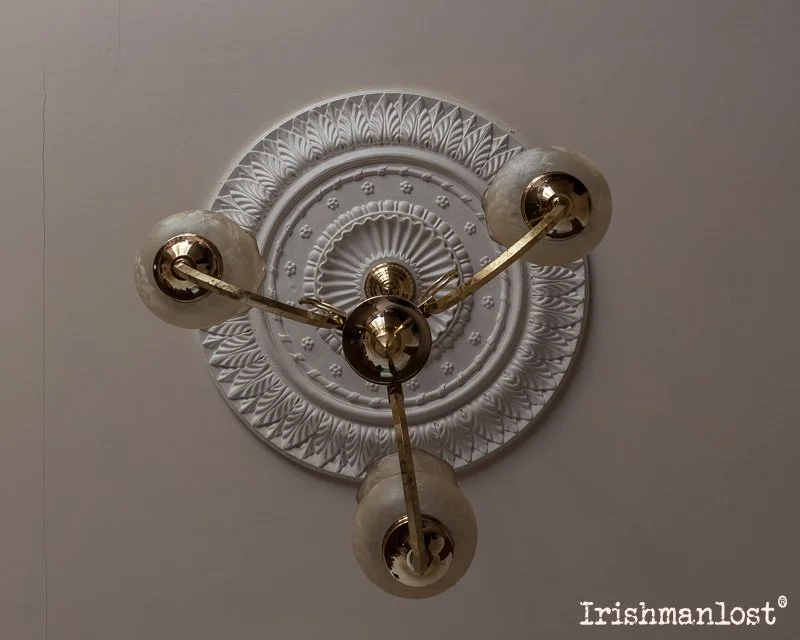
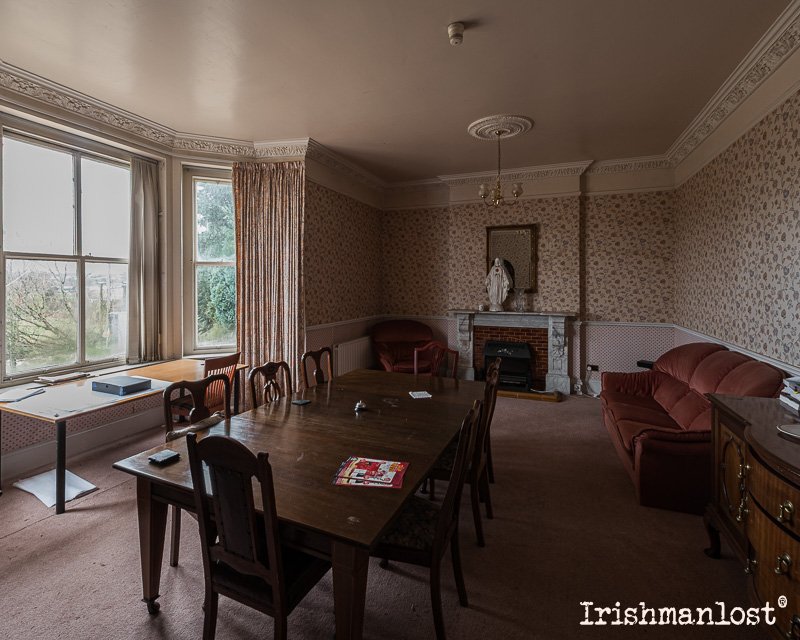
As time moved on and attitudes slowly began to shift, Marianvale’s role changed too. In its later years, the site became associated with Cuan Mhuire, the rehabilitation organisation focused on addiction treatment and recovery. It marked a transition — from a place once used to conceal pregnancies to one aimed at helping people rebuild their lives in a different way. It reflected a changing Ireland, though still one grappling with social challenges.
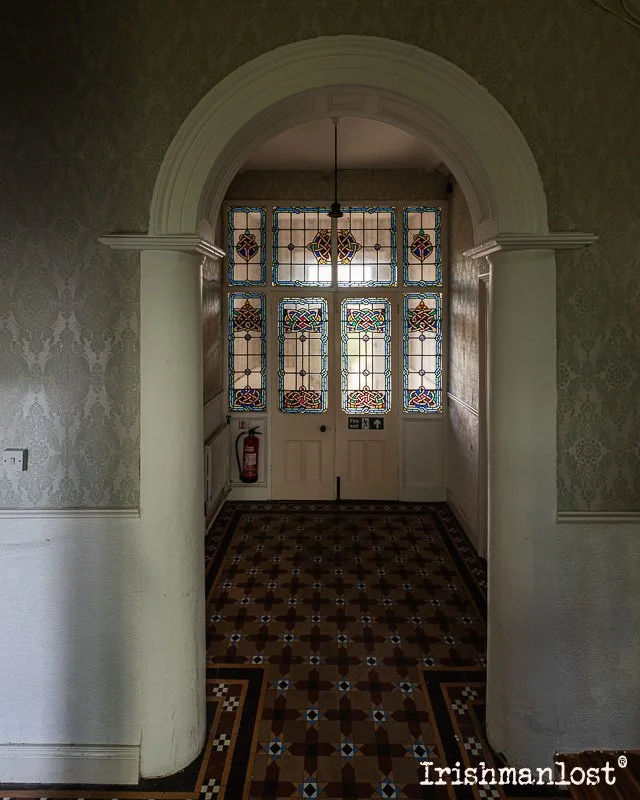
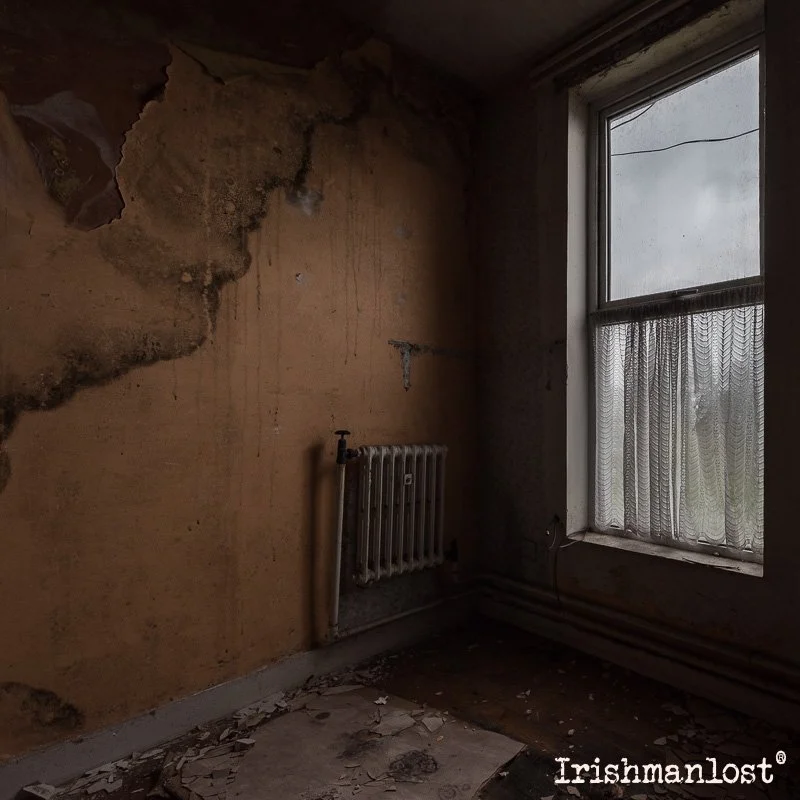
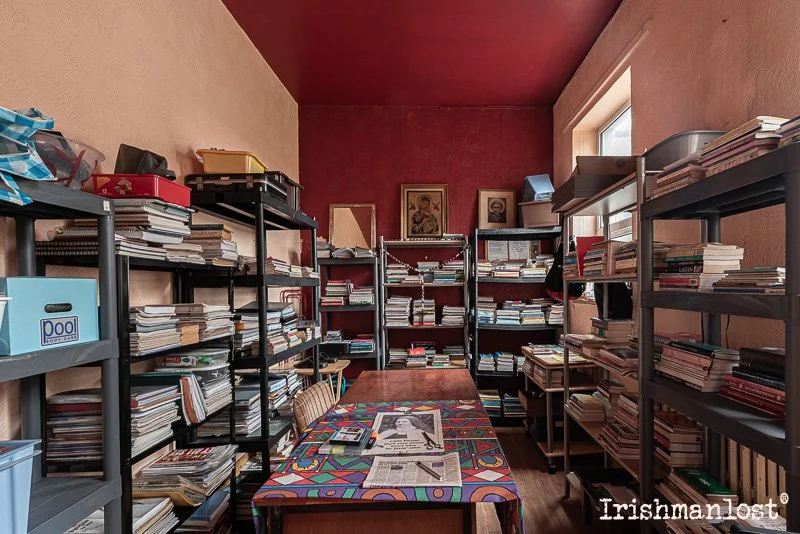
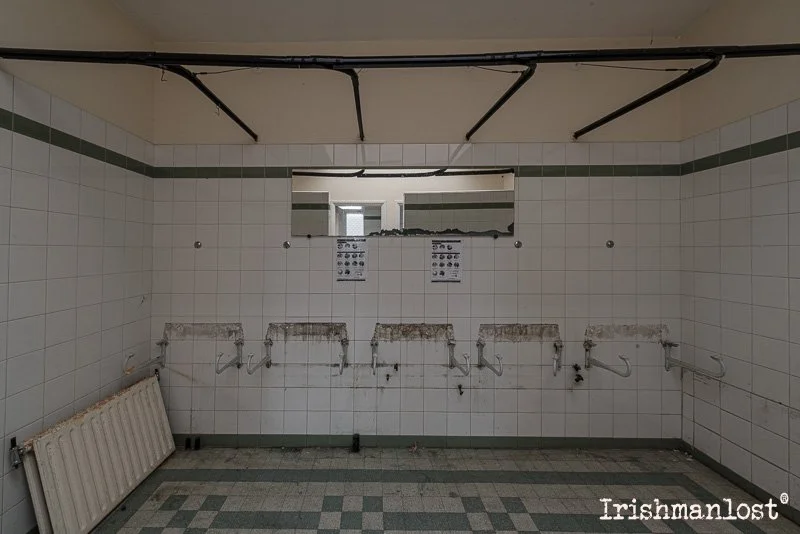
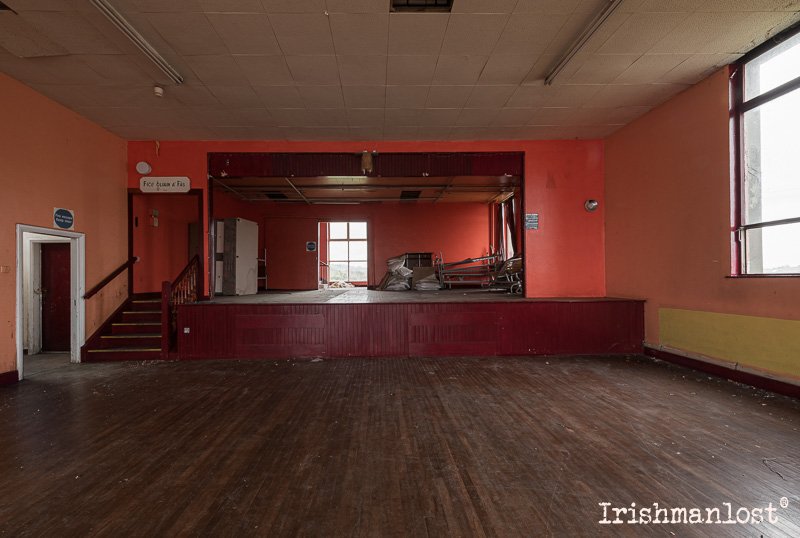
That chapter as a Cuan Mhuire centre would be Marianvale’s last. Eventually, the facility closed, and the buildings were left behind — empty corridors, darkened windows, and a silence that settled in where lives had once been lived. For years, it remained like that, a physical reminder of a past many were only beginning to talk about.
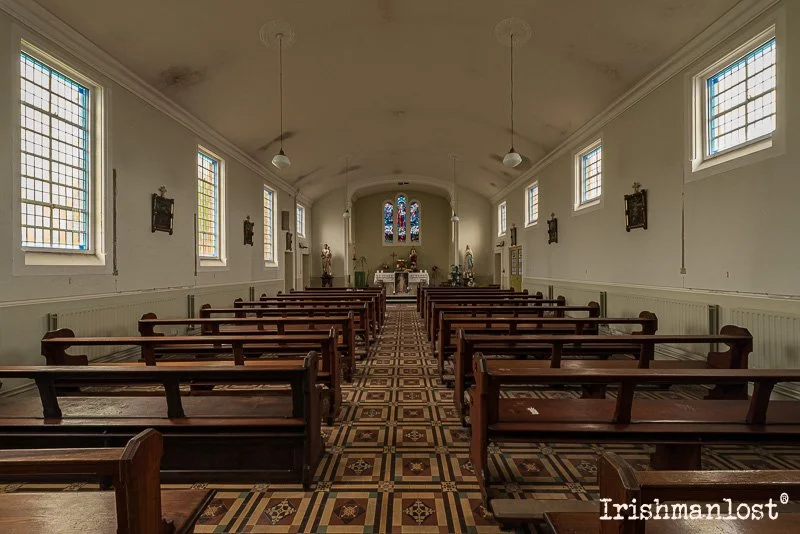
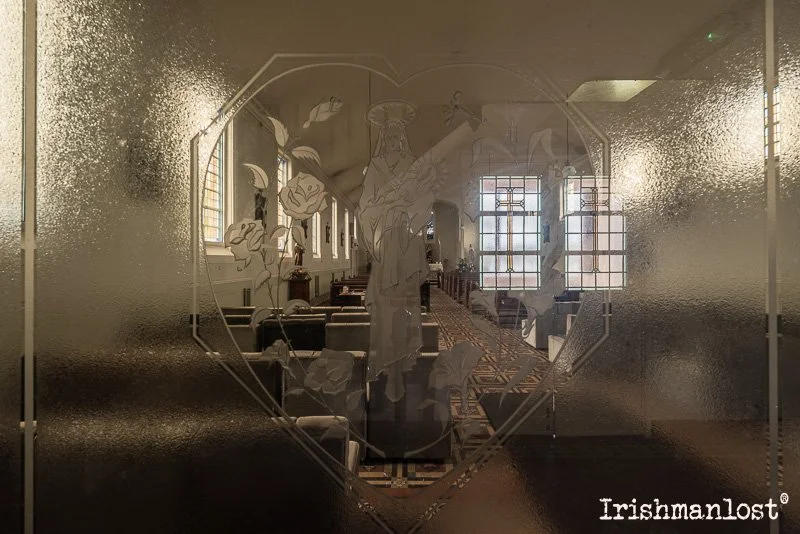
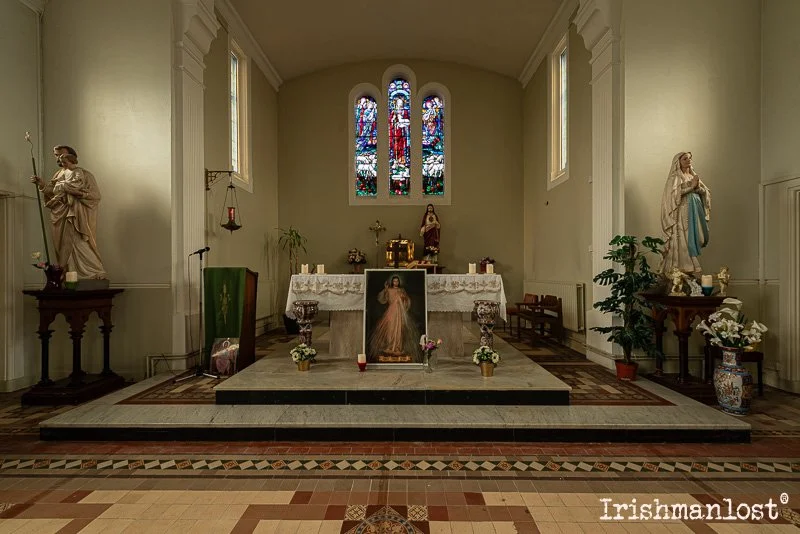
Then, in late 2021, Marianvale was demolished. The buildings that had stood for over half a century were cleared away, removing the last physical trace of the home. Today, there is little left to show what once stood there. But the absence is noticeable. Sometimes it’s only when a place is gone that its significance becomes even clearer.
Even without the structure, Marianvale hasn’t disappeared. Its history continues to surface through survivor testimony, research, and public discussion. In recent years, there has been a growing effort across Ireland and Northern Ireland to confront the legacy of mother and baby homes. Reports have been published, questions have been asked, and voices that were once silenced are now being heard.
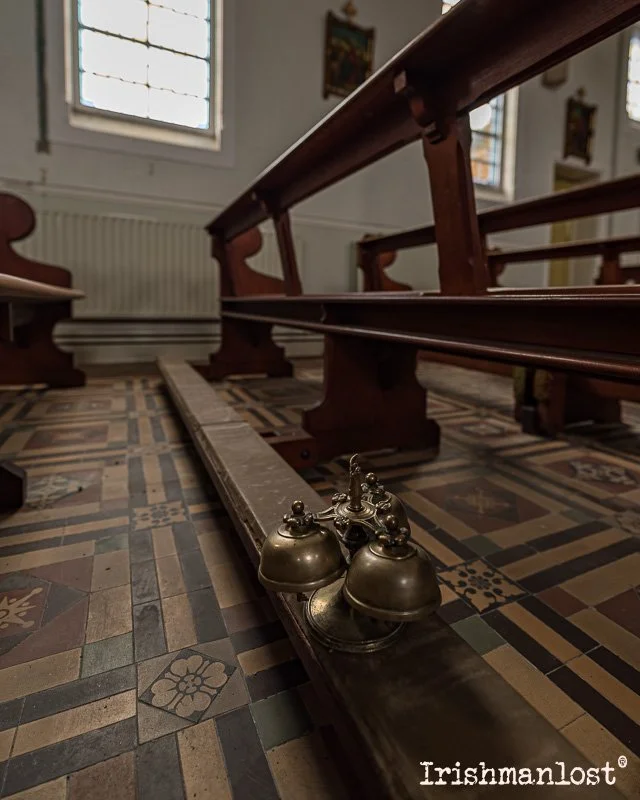
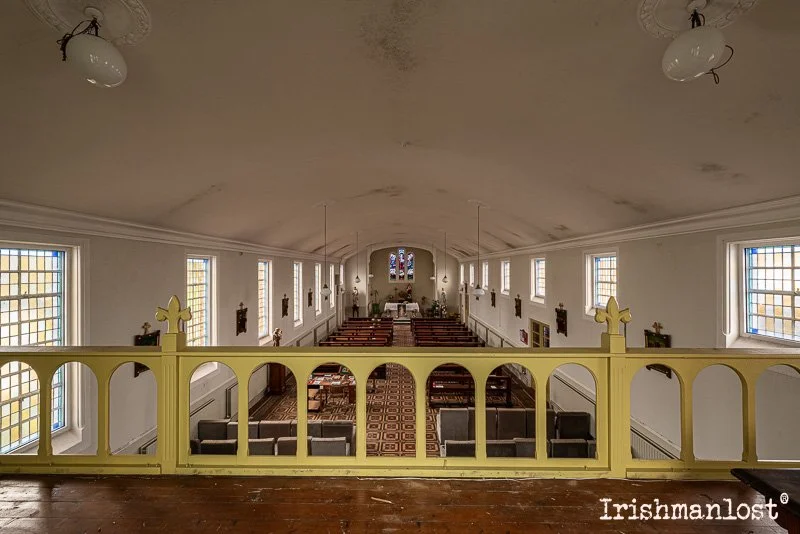
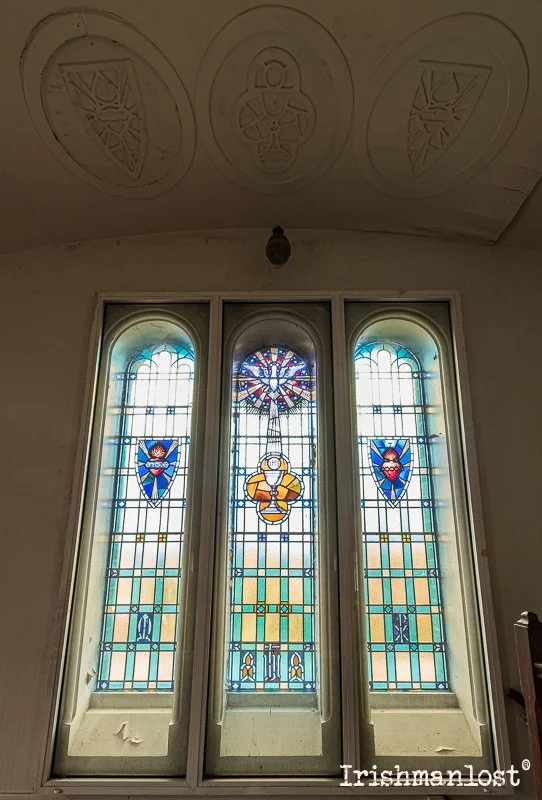
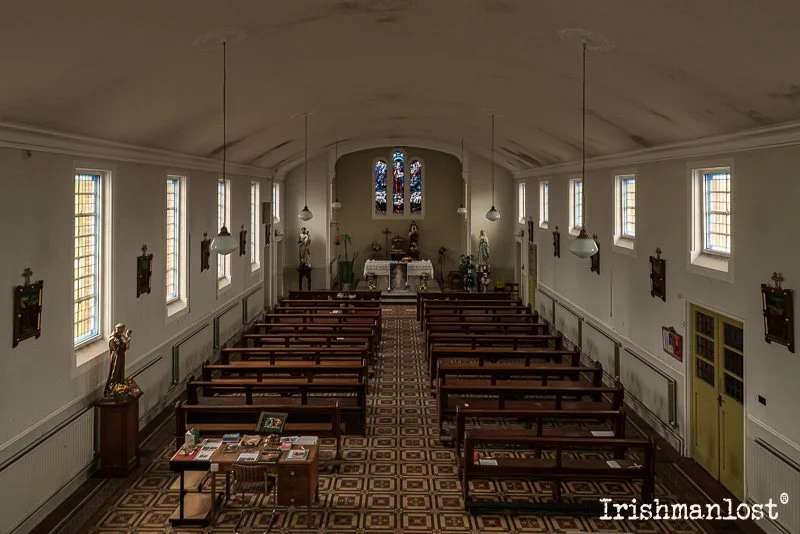
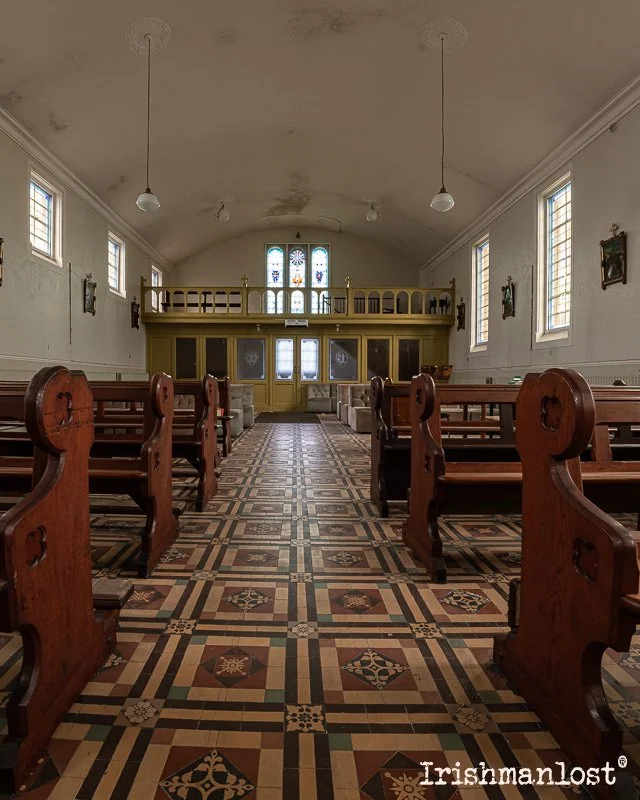
The women who passed through Marianvale have carried those experiences with them long after they left. Many have spoken of isolation, of decisions made under pressure, and of the lasting impact those years had on their lives. For adopted children, the search for identity and connection continues. Access to records, answers, and acknowledgment remains an ongoing issue.
Standing there now — or where it once stood — what strikes me is how ordinary it must have seemed to those passing by. There was nothing in the architecture that revealed the reality inside. And yet, for so many, Marianvale was a place where lives were changed forever.
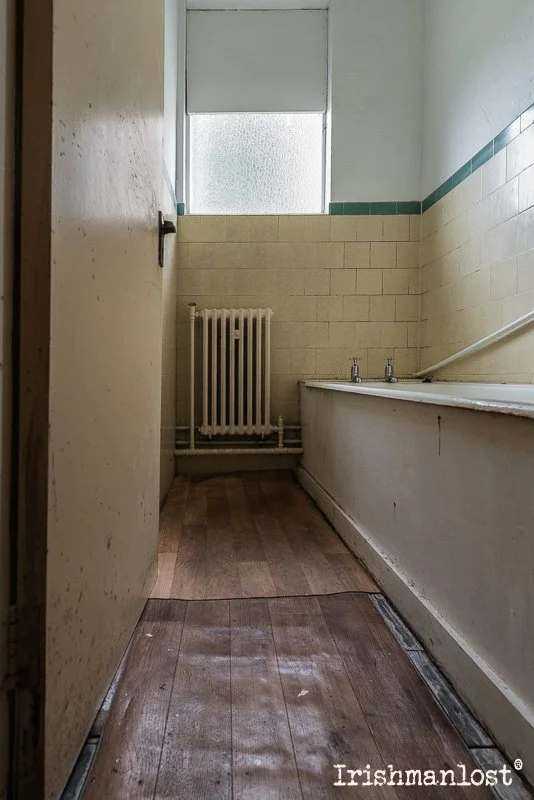
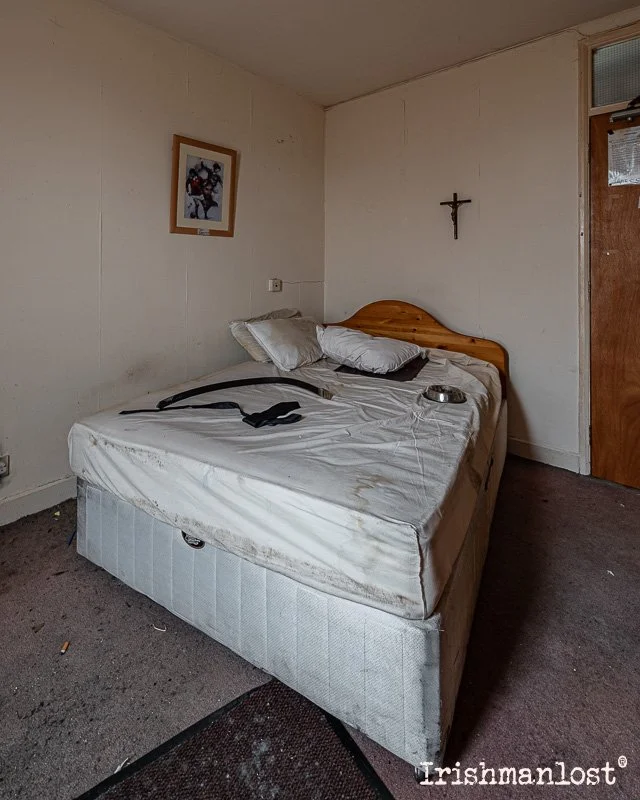
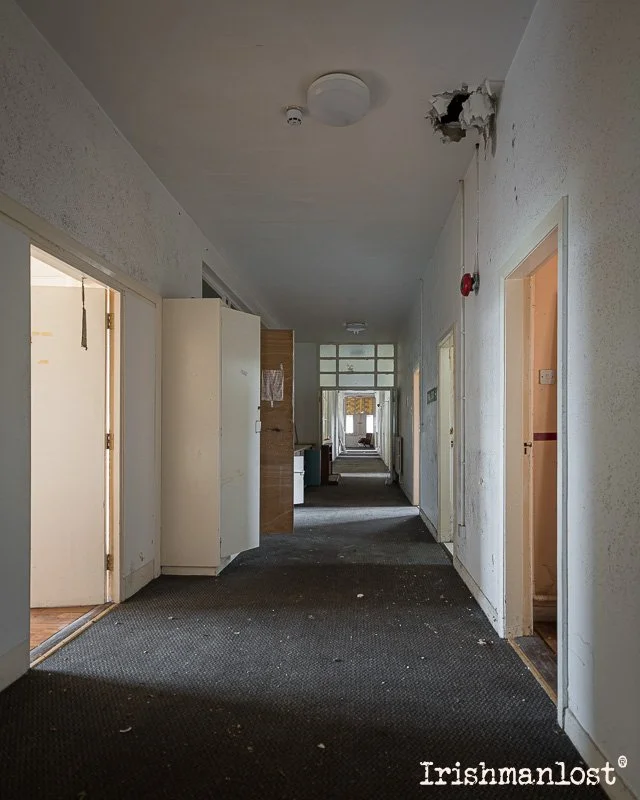
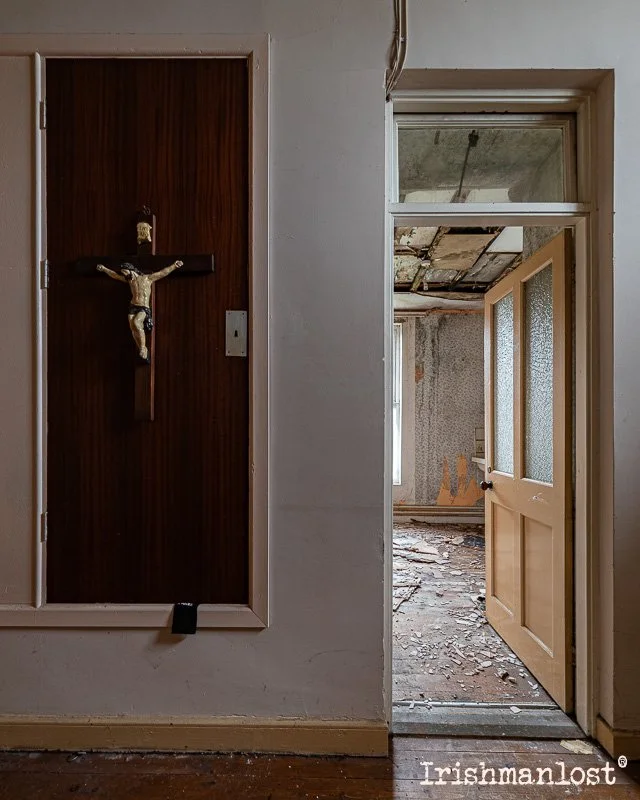
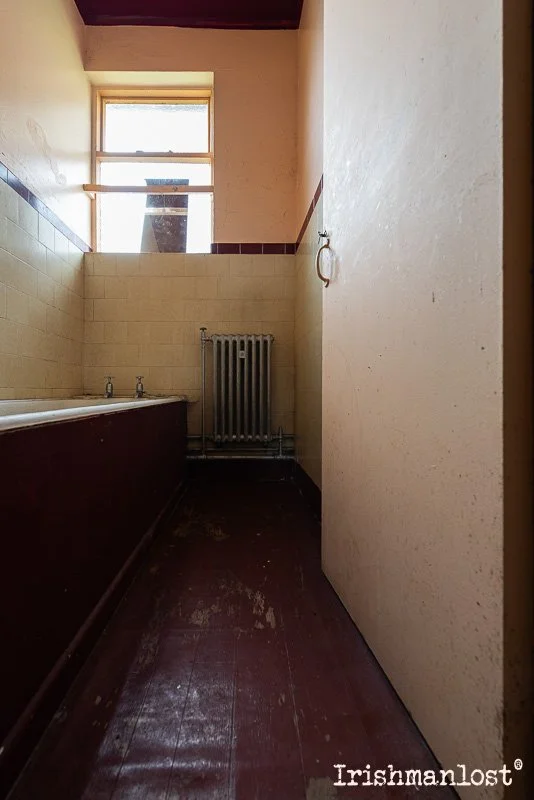
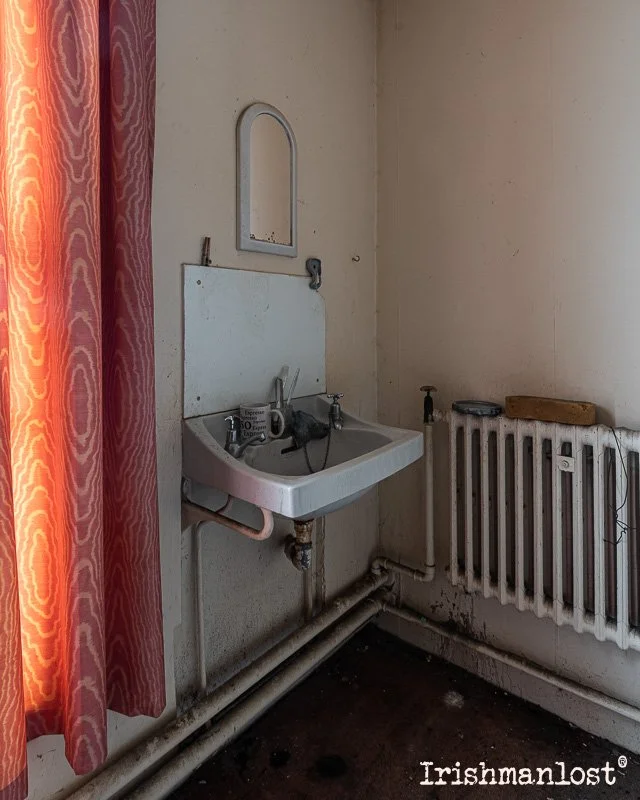
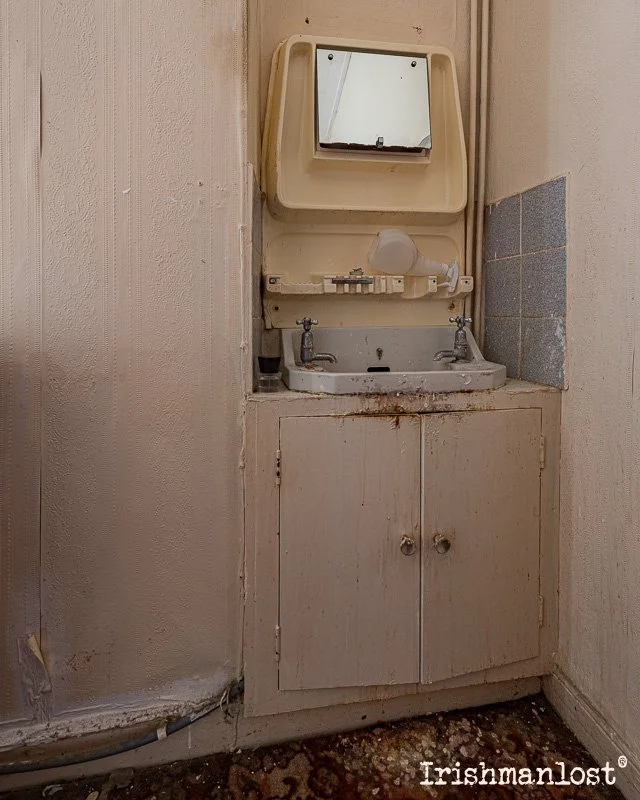
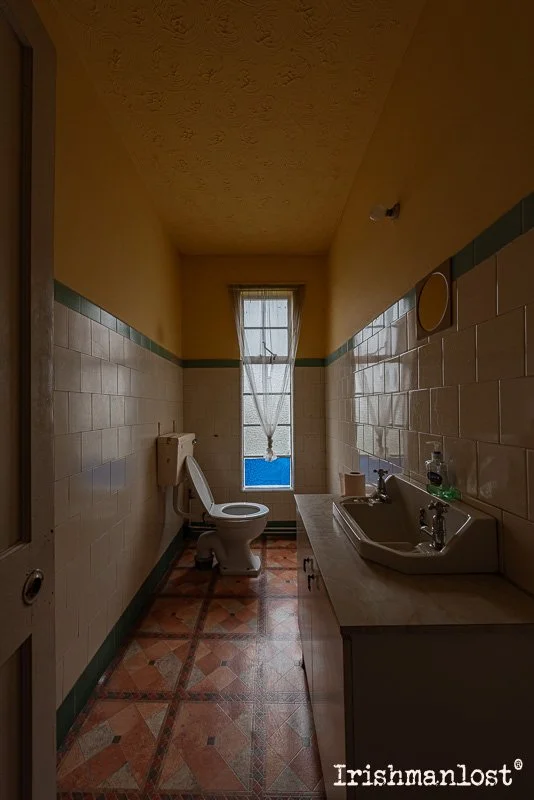
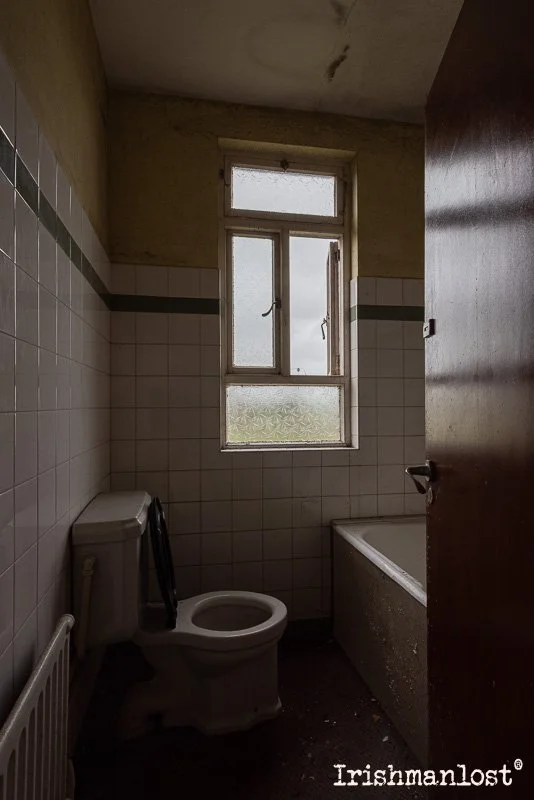
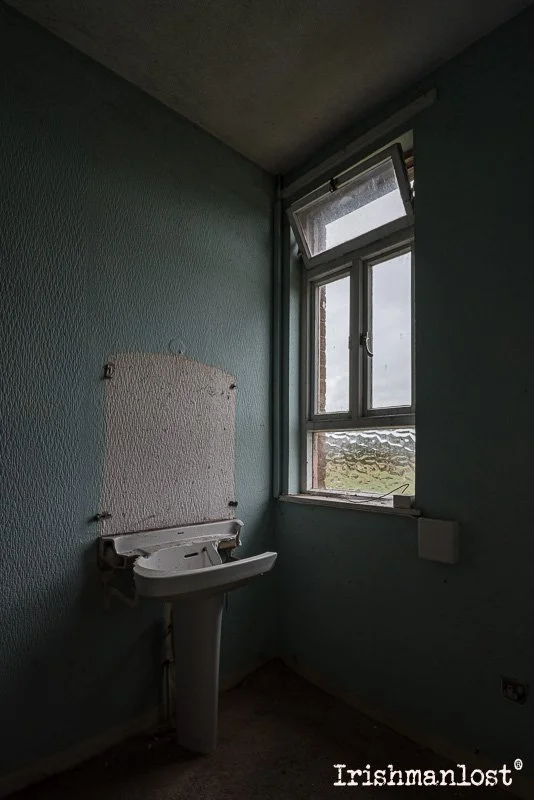
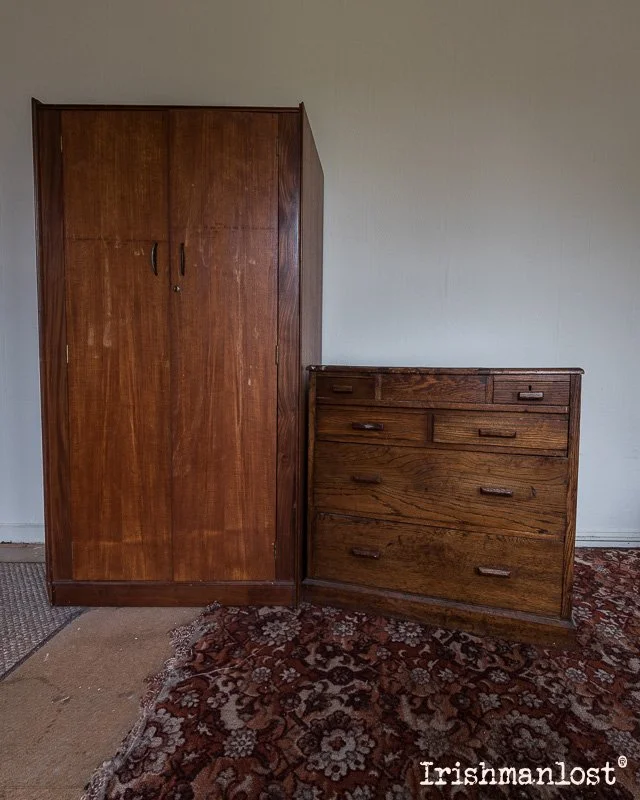
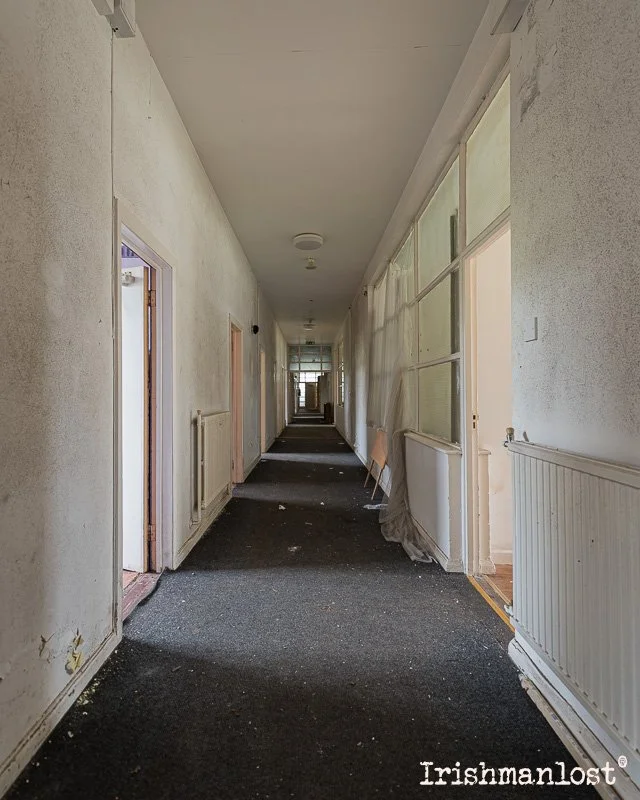
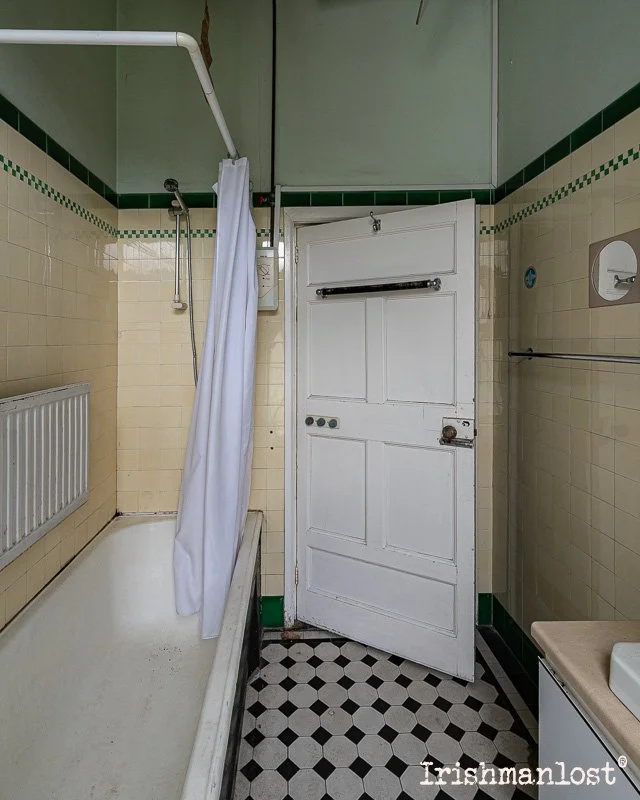
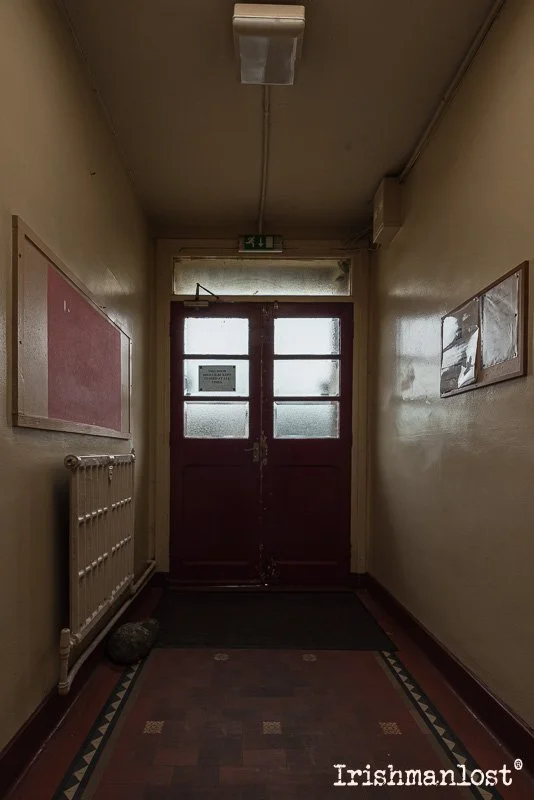
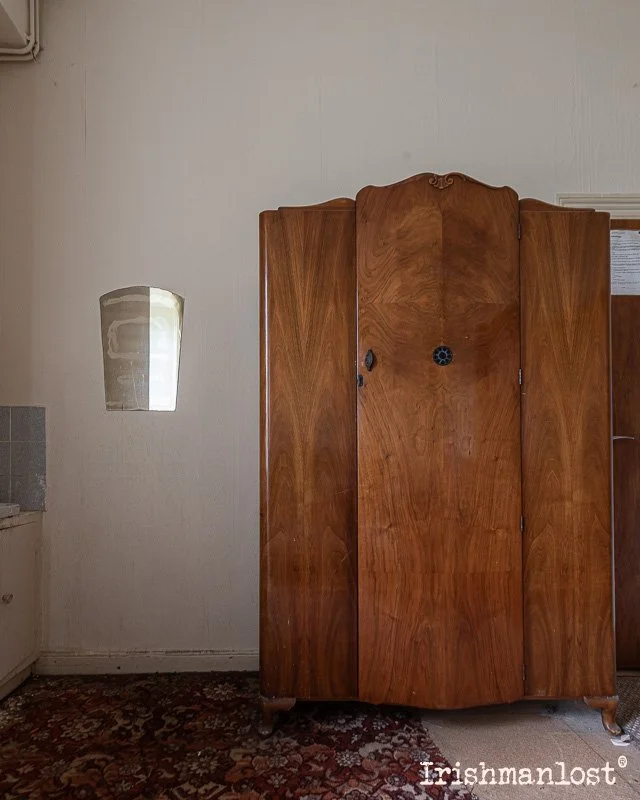
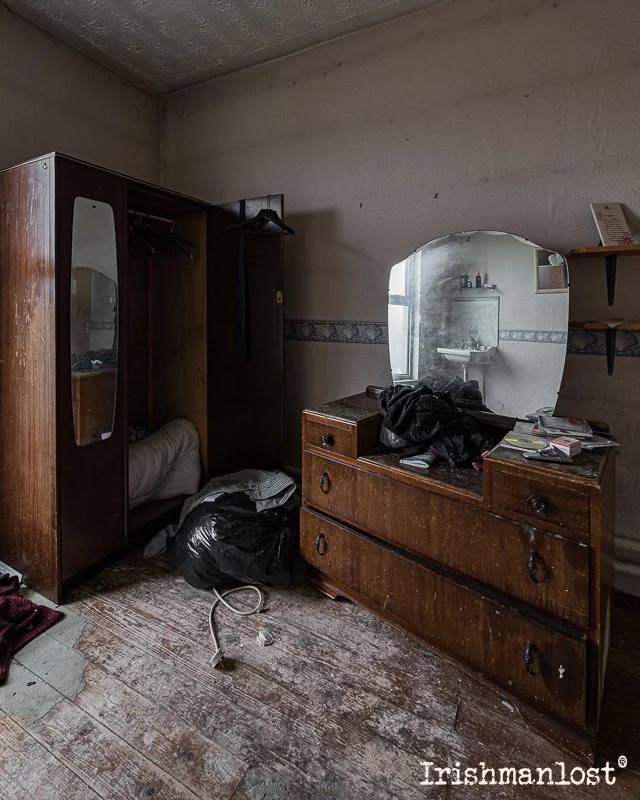
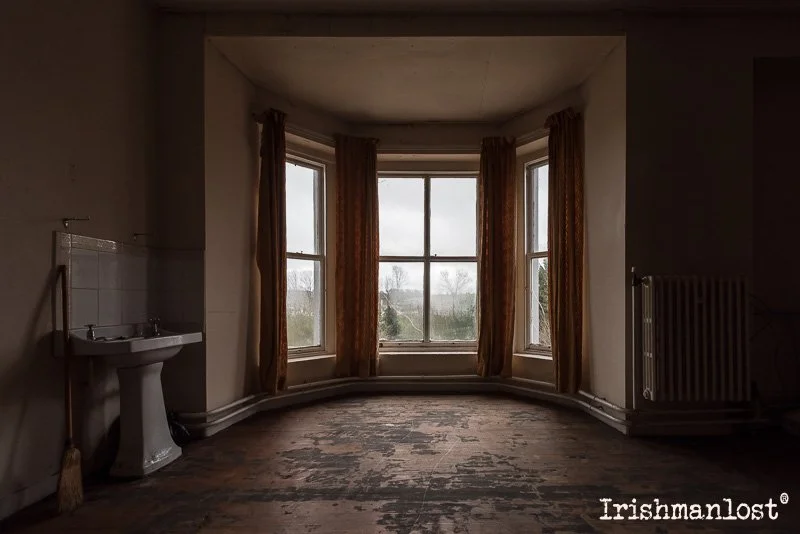
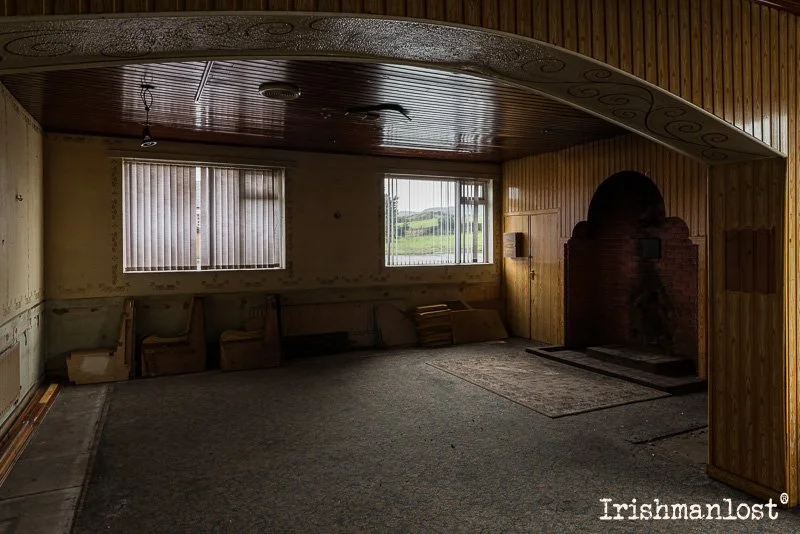
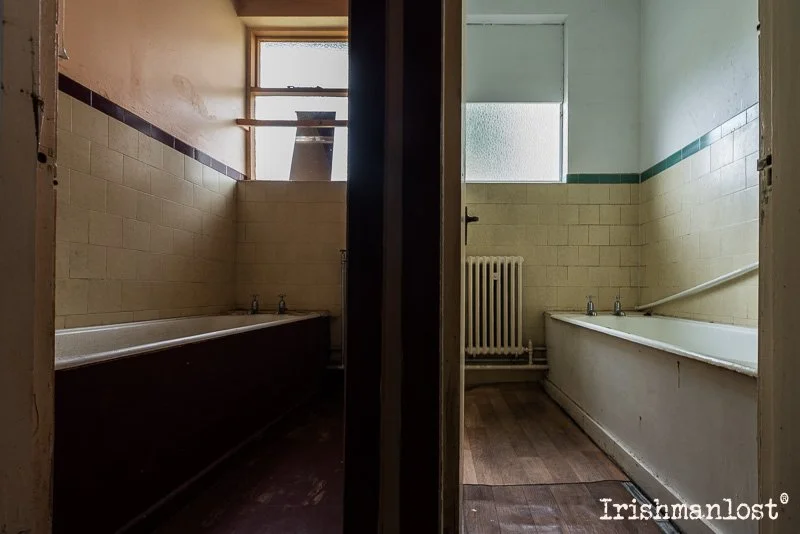
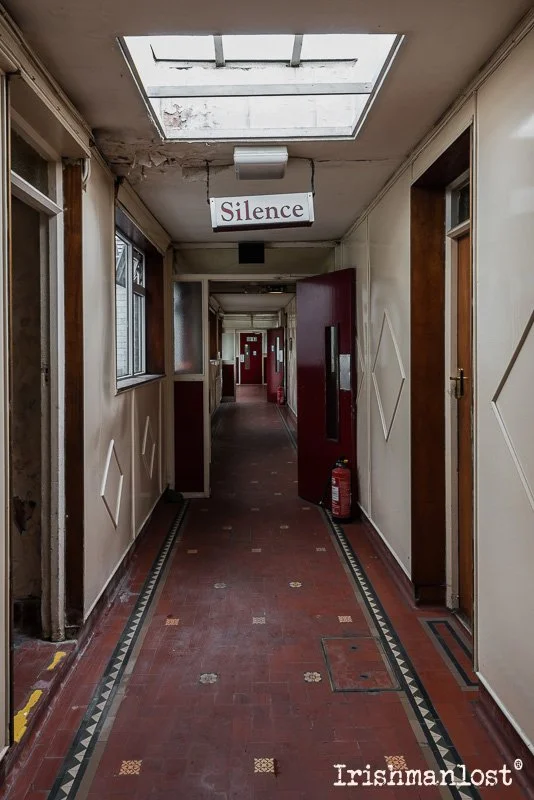
For me, it’s a reminder of something I see time and time again, documenting abandoned Ireland. Buildings may fall into ruin or disappear entirely, but the stories tied to them don’t go with them. They remain — in memory, in testimony, in the landscape itself.
Marianvale represents a time when society was rigid and unforgiving, when personal circumstances could lead to a life lived in secrecy. Ireland has changed since then, but understanding places like this is part of that change. It’s about acknowledging what happened, not just letting it fade away with the buildings.
Even though Marianvale is gone, it remains part of Newry’s story, and part of Ireland’s. A place once hidden in plain sight, now remembered not for what it looked like, but for what it held.
The Site Today
A new chapter in Marianvale’s story is the one that exists now — or rather, what’s left. The site today sits as waste ground, cleared of the buildings that once defined it but not of the history they carried. Where there were walls, corridors, and lives unfolding behind closed doors, there is now open space, quiet and unmarked. To anyone passing, it could be mistaken for just another vacant plot, another piece of land waiting for whatever comes next. But knowing what stood there changes that completely. The absence feels as significant as the structure once did. It’s a stark reminder of how easily physical traces can be erased, while the stories tied to them remain, lingering beneath the surface of an otherwise ordinary stretch of ground.
Sources and Further Reading
Northern Ireland Executive Research Report
Research report on Mother and Baby Homes and Magdalene Laundries in Northern Ireland
https://www.health-ni.gov.uk/publications/research-report-mother-and-baby-homes-and-magdalene-laundries-northern-ireland
Queen’s University Belfast / Research Study
Historical research on mother and baby homes in Northern Ireland
https://www.qub.ac.uk
BBC News Coverage
Reporting on mother and baby homes and survivor testimony in Northern Ireland
https://www.bbc.co.uk/news
Amnesty International Campaign
Calls for inquiry into mother and baby homes in Northern Ireland
https://www.amnesty.org.uk
Cuan Mhuire Organisation
Information on the addiction treatment charity that later used the Marianvale site
https://www.cuanmhuire.ie
National Archives of Ireland – Social History Resources
https://www.nationalarchives.ie
