
Moscow Army Camp, Belfast
Abandoned Military Base Behind City Airport
I visited Moscow Army Camp on three separate occasions, in 2008, 2011, and again in 2012, each time feeling as though I was stepping into a place quietly slipping out of existence. Tucked behind Belfast City Airport in East Belfast, it was never a location that announced itself loudly. Even when it was active, it existed on the periphery, practical, functional, and largely unnoticed by anyone who didn’t have reason to go there. By the time I first walked through its grounds, it was already in that in-between state I’m always drawn to, no longer alive with purpose but not yet erased.
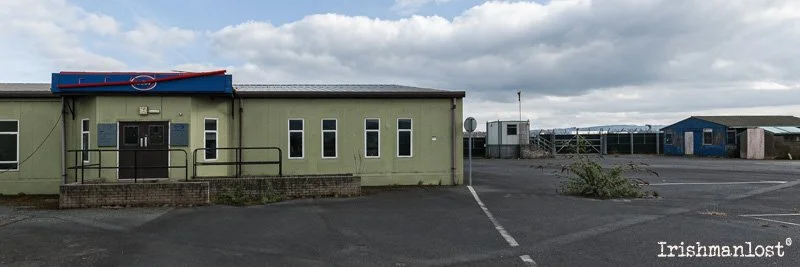
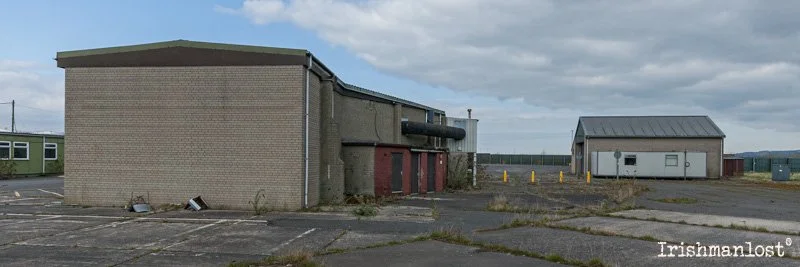
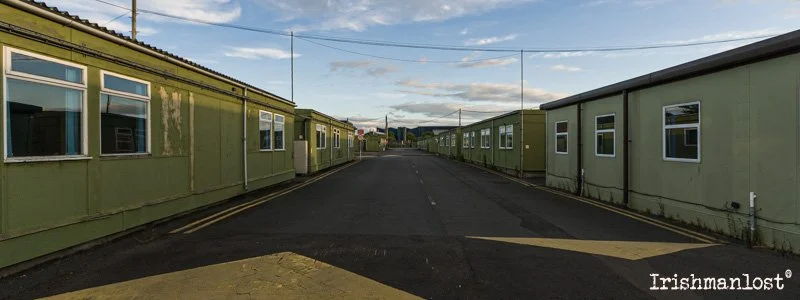
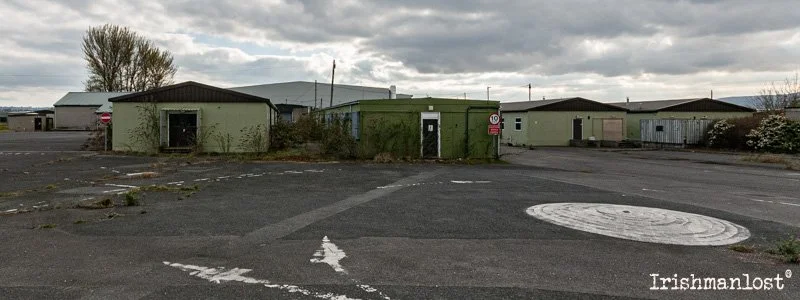
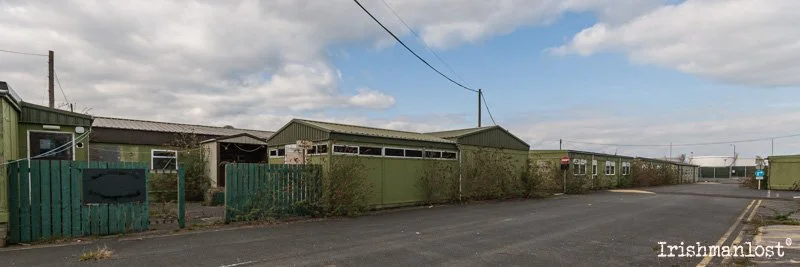
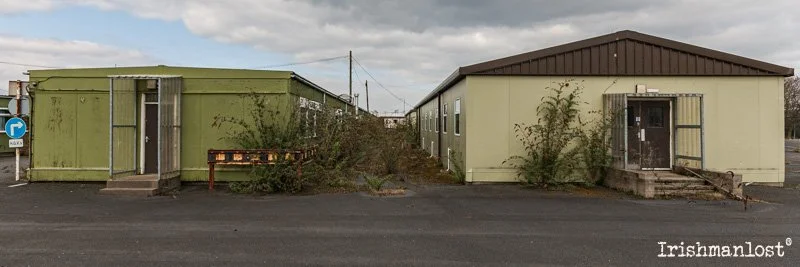
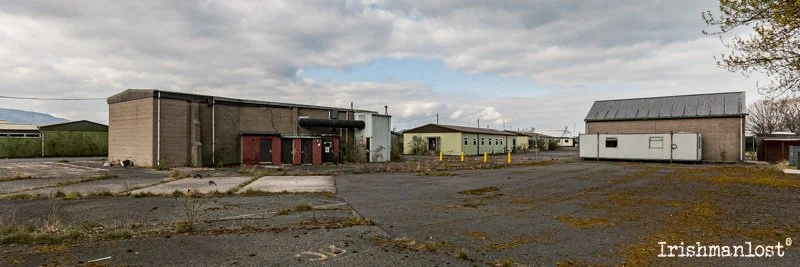
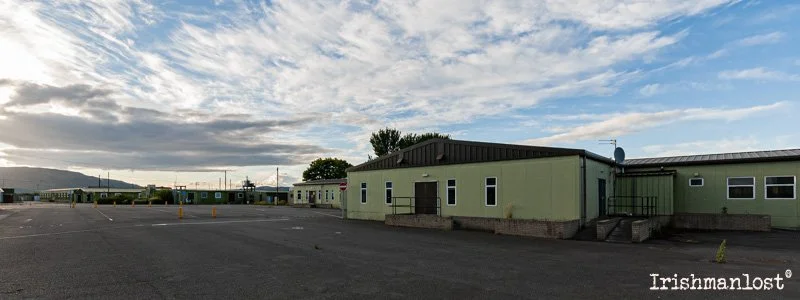
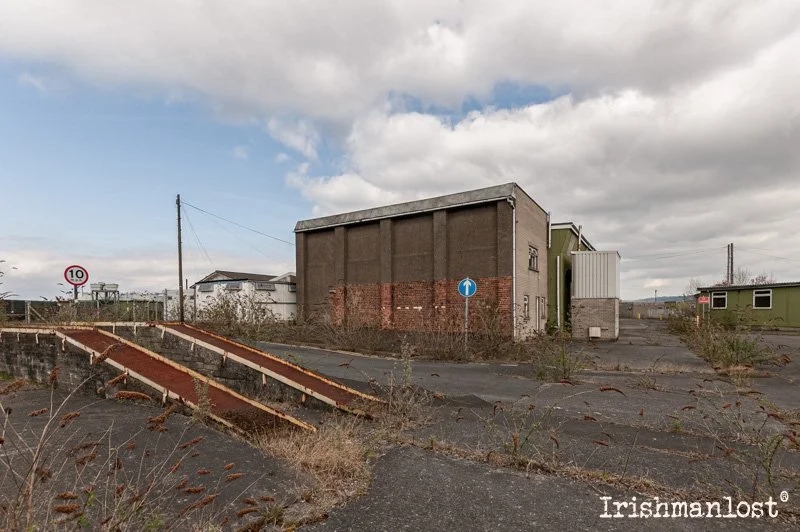
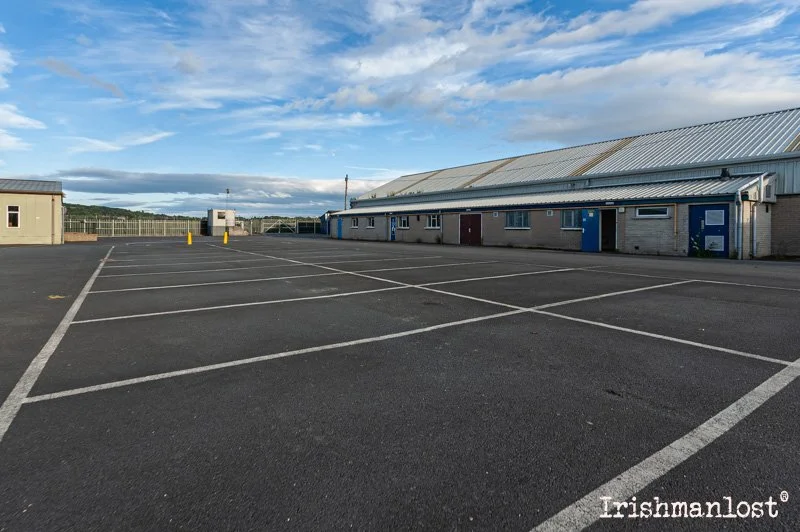
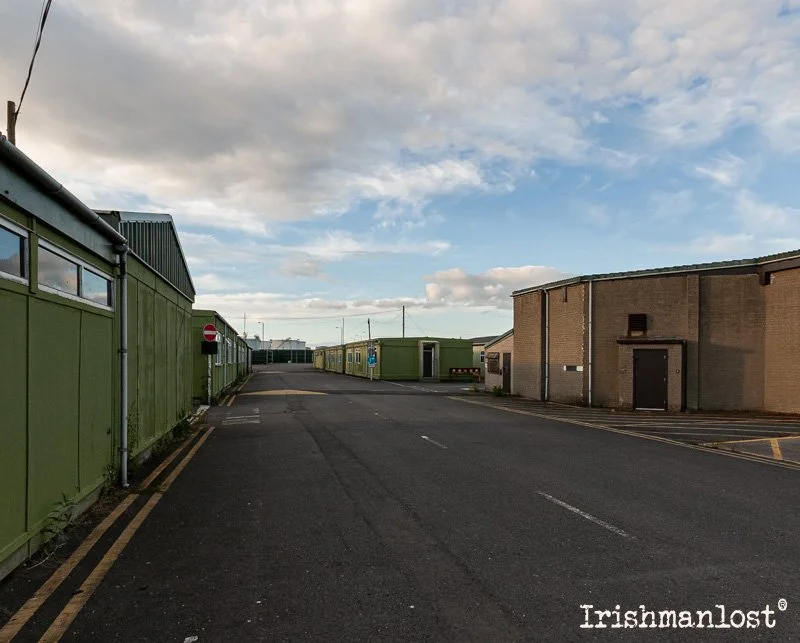
My first visit in 2008 felt like an introduction to the scale of the place. From the outside, it looked unremarkable, almost like a cluster of temporary buildings you might find on a construction site. But once inside, the layout revealed itself as rows of mobile huts arranged along service roads, open yards, and larger communal buildings, hinting at how many people must once have passed through here. The airport sat just beyond, and the constant movement of planes overhead created a strange contrast: above, everything was motion and progress; below, time seemed stalled.
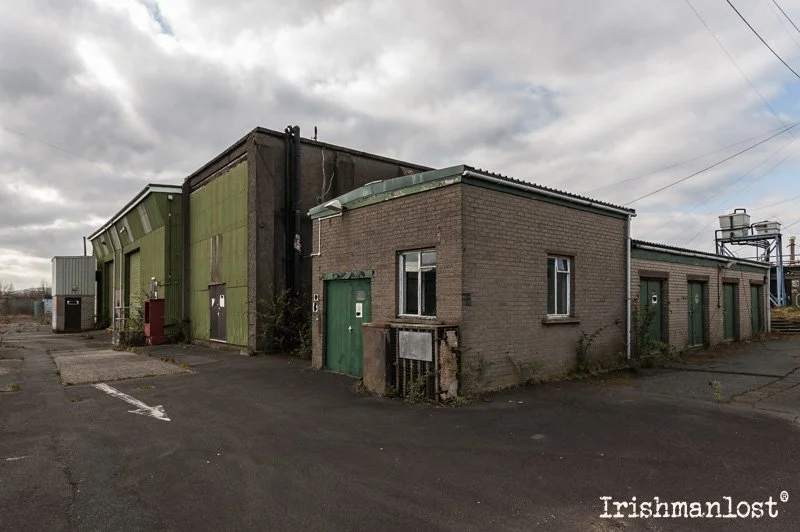
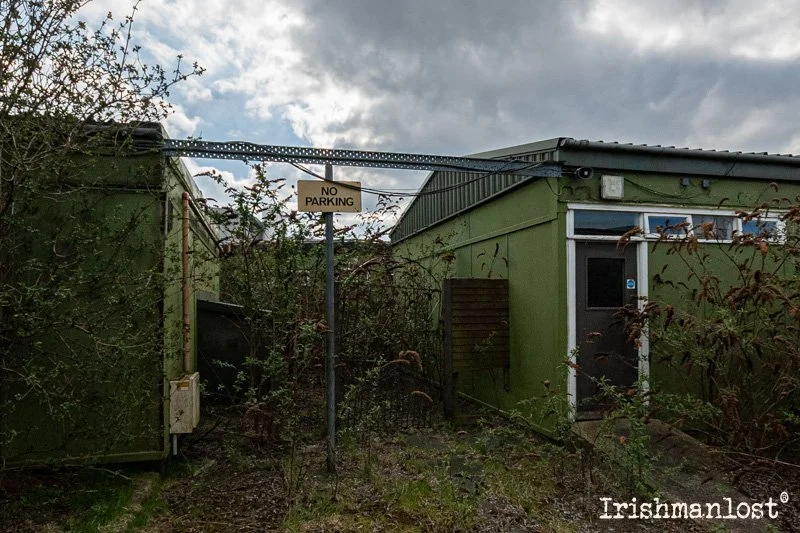
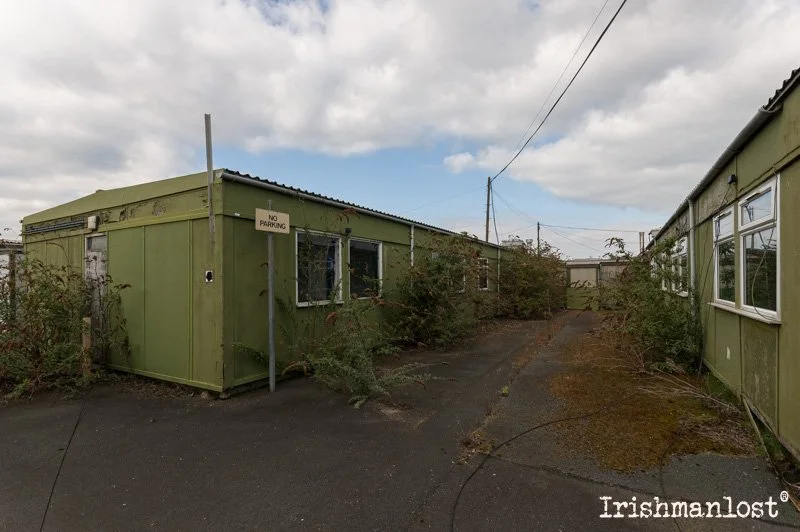
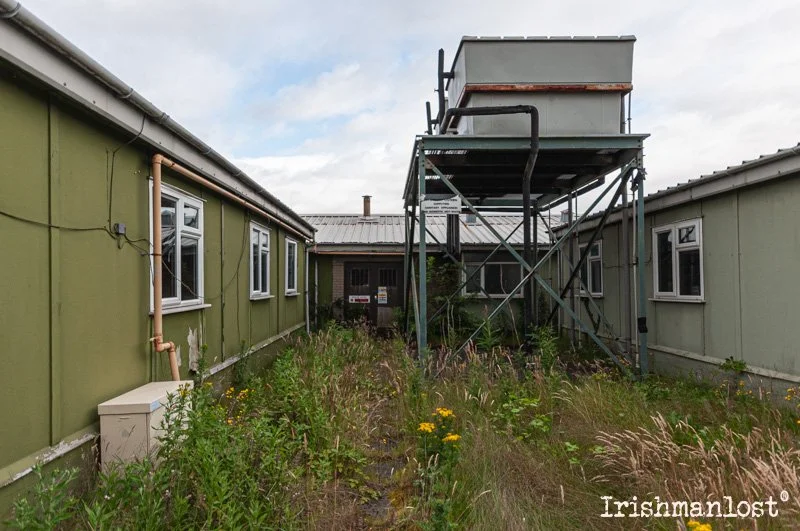
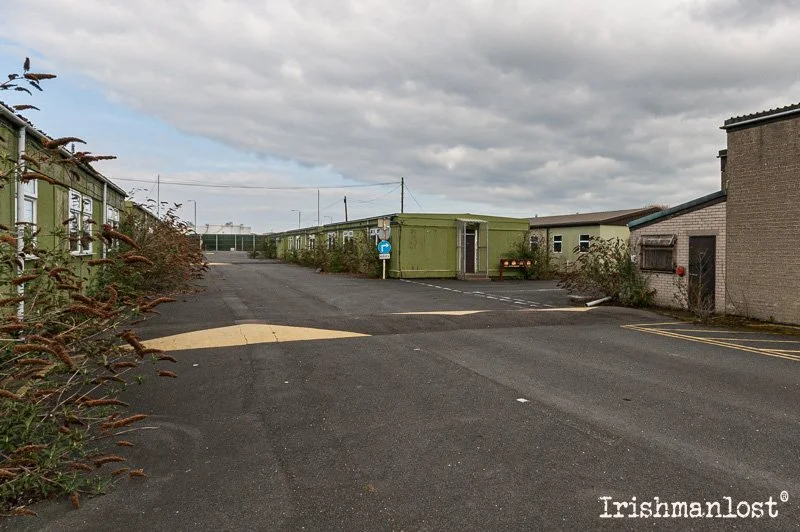
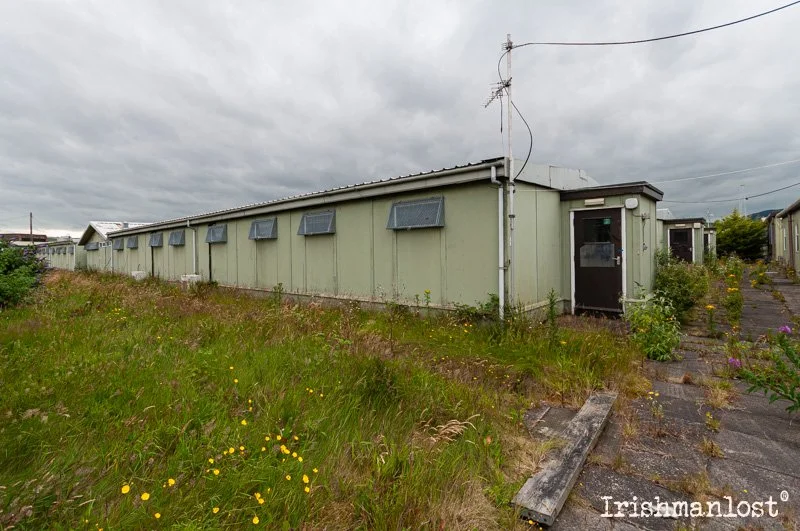
To understand the quietness I encountered, it helps to look back at what the site once was. Moscow Army Camp had been a significant military installation during the Troubles, the conflict that stretched from the late 1960s until 1998. Positioned close to the airport, it played a steady but vital role in the British Army’s operations in Belfast, acting primarily as a base for logistical and transport units rather than a heavily fortified front-line post.
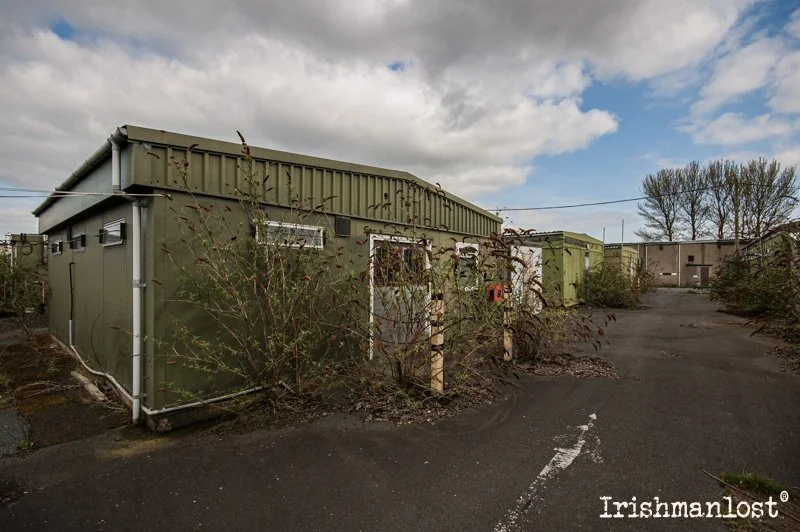
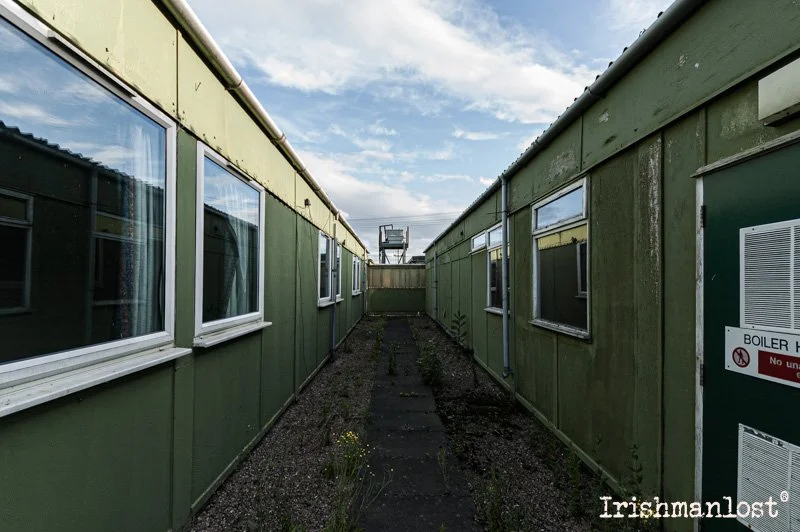
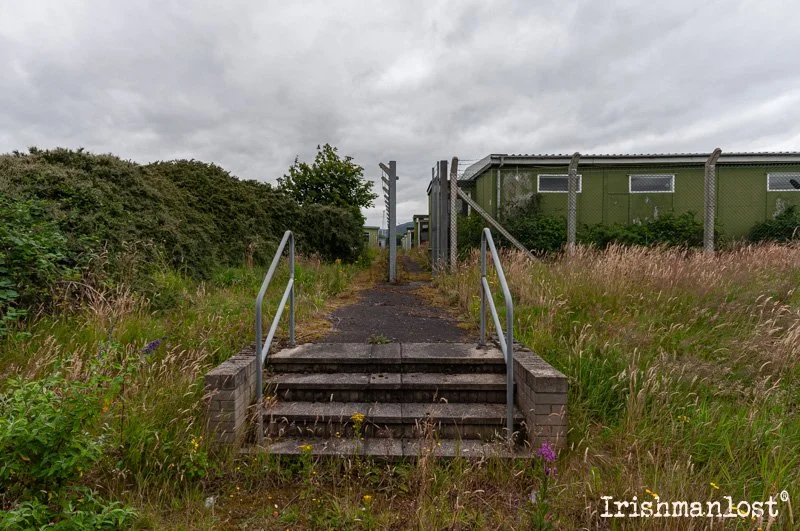
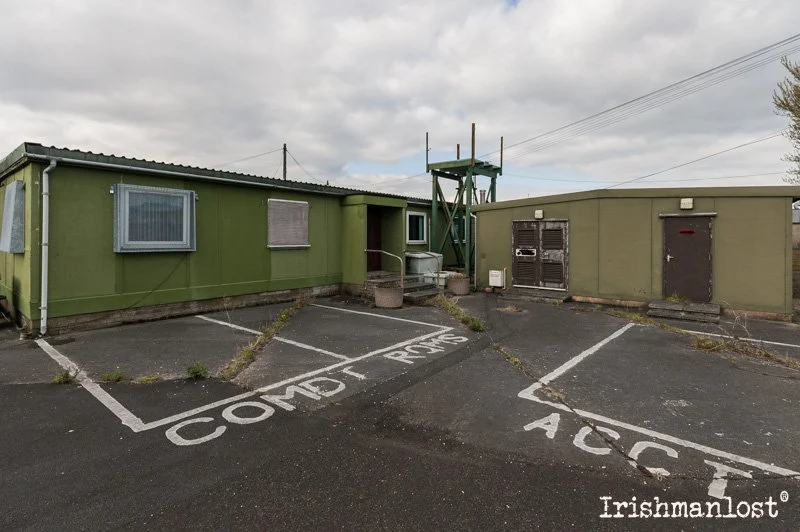
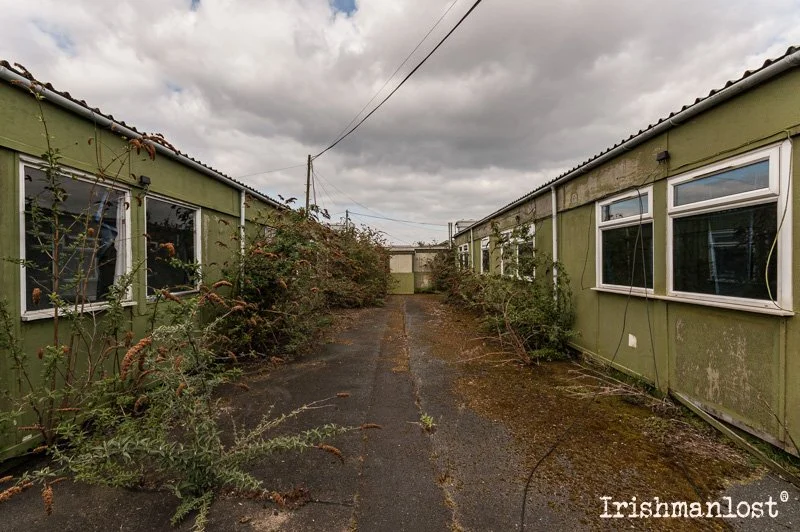
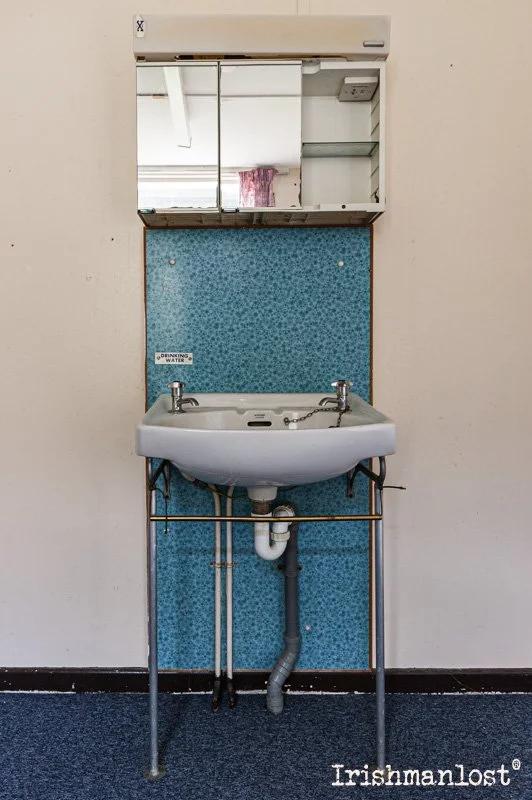
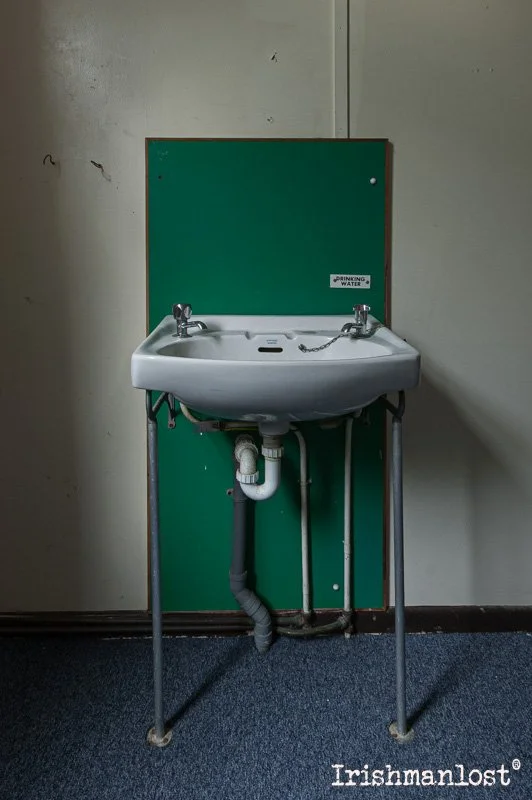
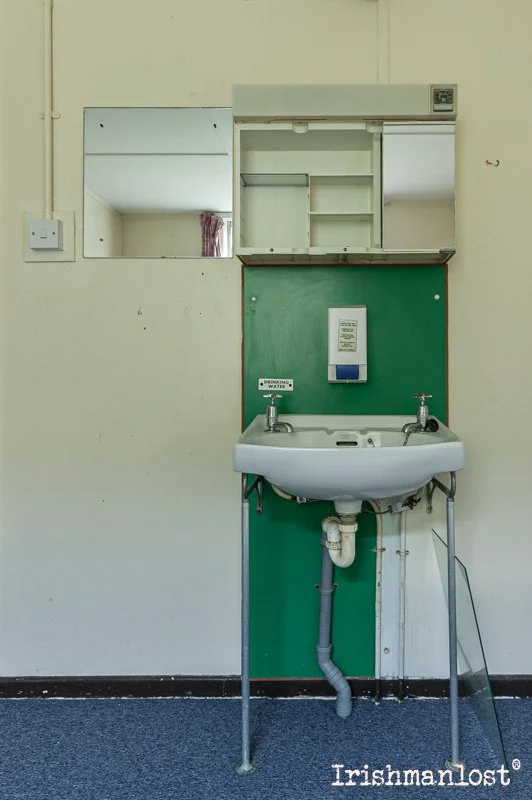
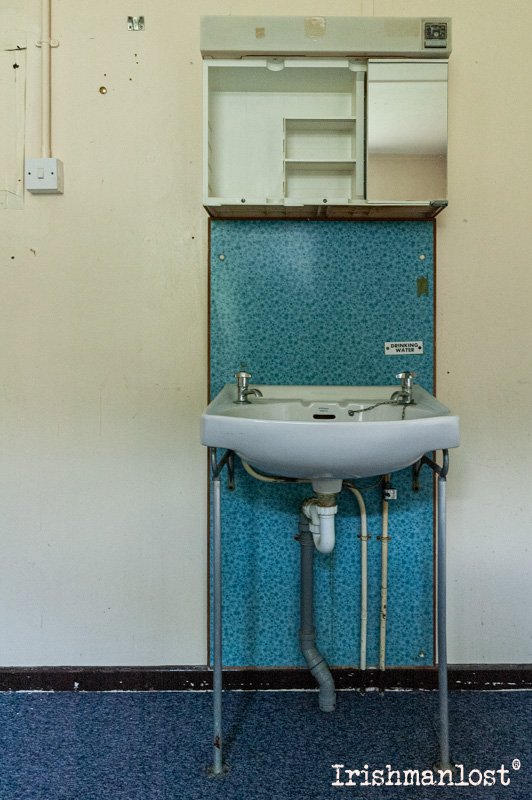
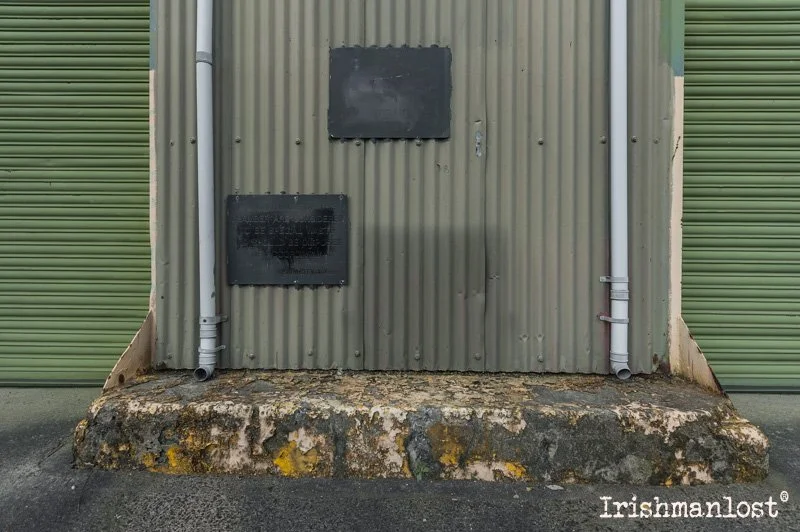
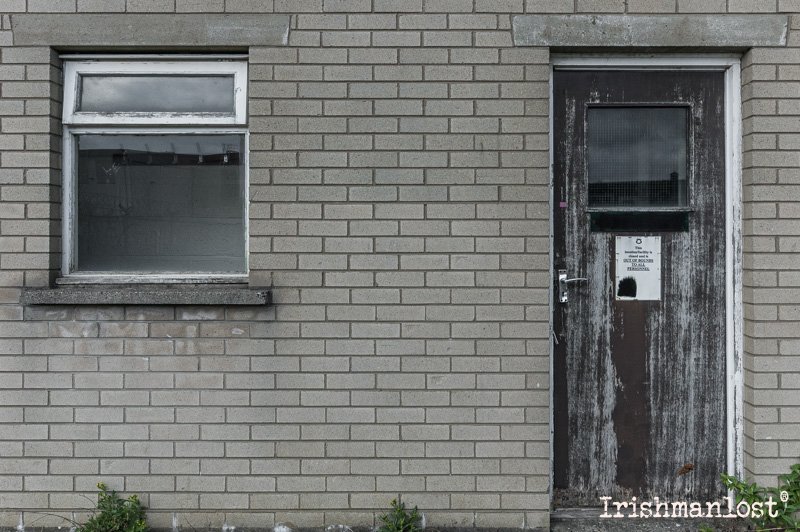
The camp wasn’t built like the hardened, defensive bases people often imagine. There were no sangers or heavy fortifications, no looming watchtowers casting shadows across the yard. Instead, it was made up of rows of mobile huts — long, low, prefab structures painted military green — laid out along cracked service roads. Functional, temporary, and a little bleak. They looked more like classrooms or site offices than army accommodation, which somehow made the history feel even stranger.
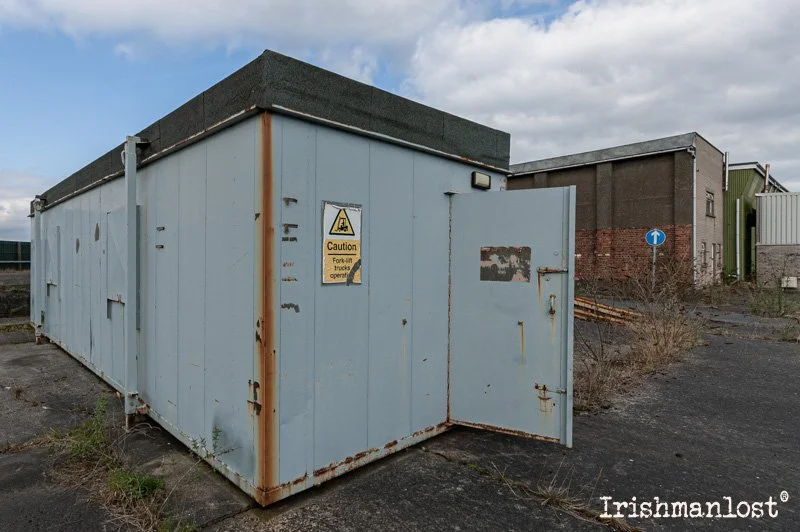
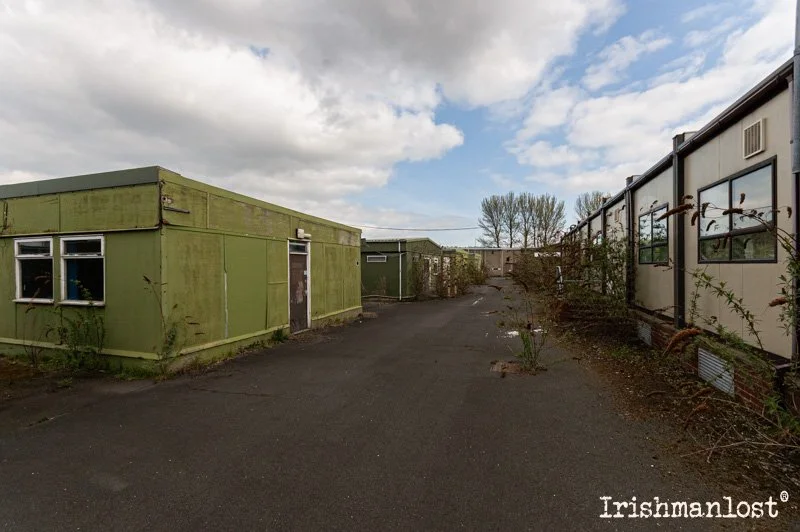
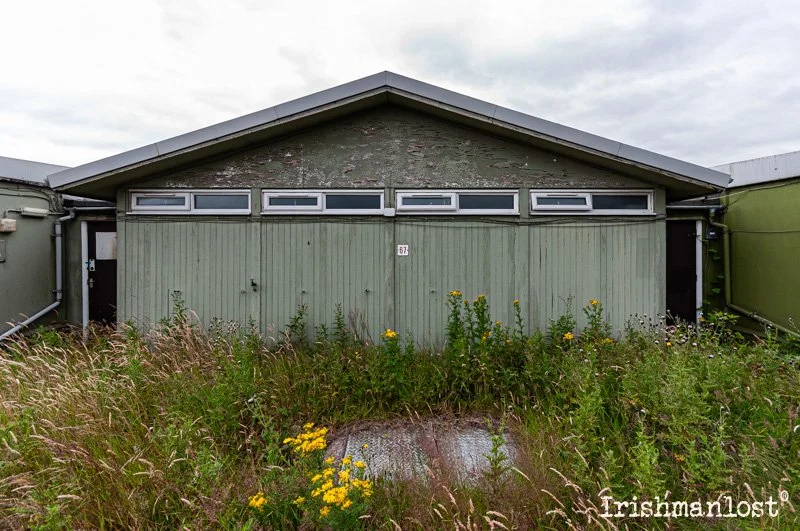
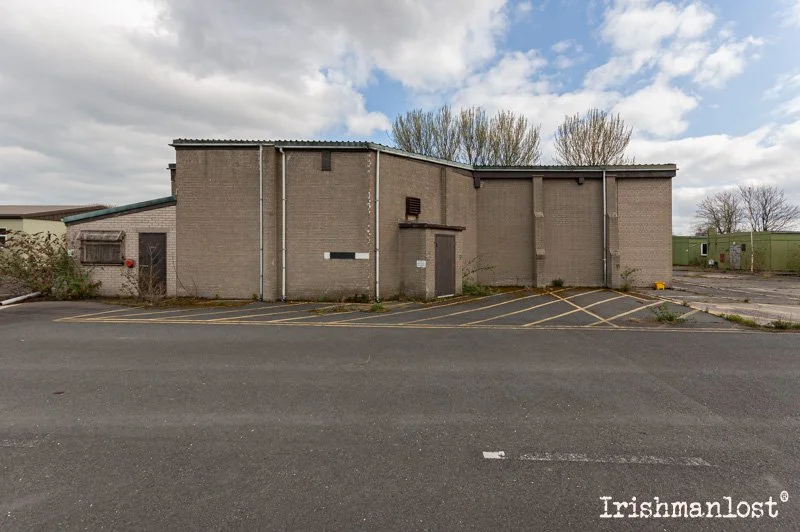
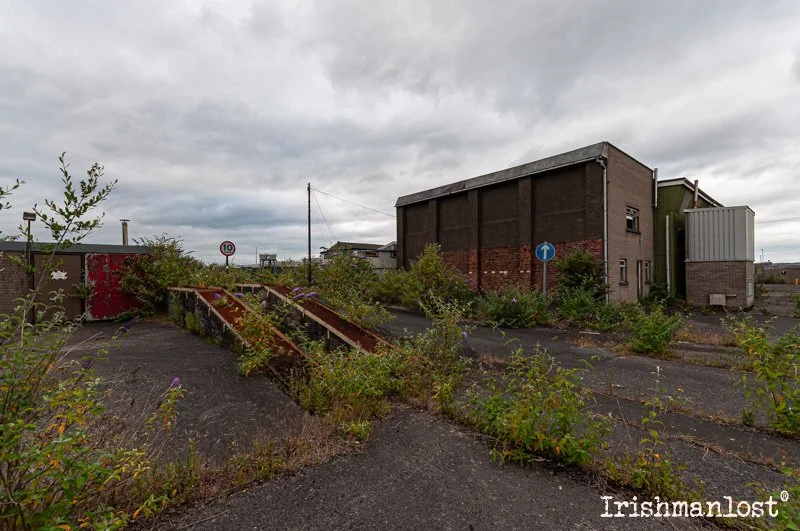
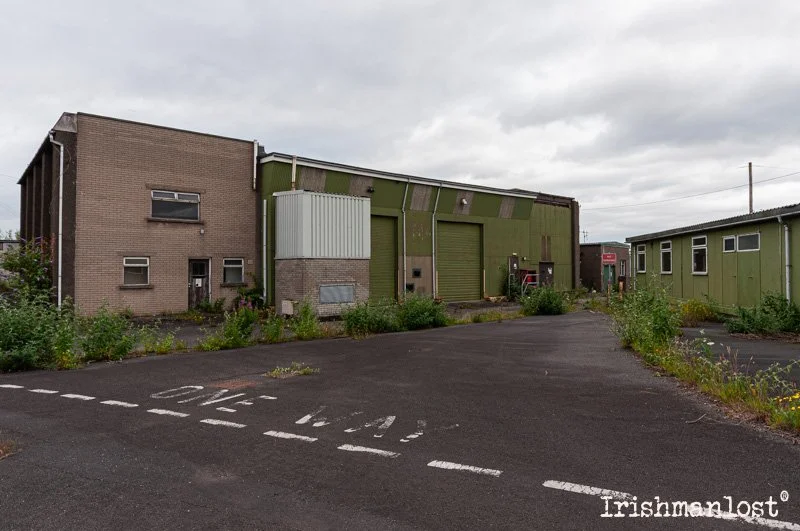
The origins of the camp go back further than many realise. The site was developed in 1971 as part of the Royal Naval Aircraft Yard in Belfast, and during the Second World War it is believed to have functioned as a communications site. As the situation in Northern Ireland escalated after 1969, the military importance of the area grew. With HMS Maidstone moored nearby and the airport offering immediate access for personnel and equipment, the location was ideal. Converted hangars and temporary accommodation were brought into use, at times housing close to 3,000 troops.
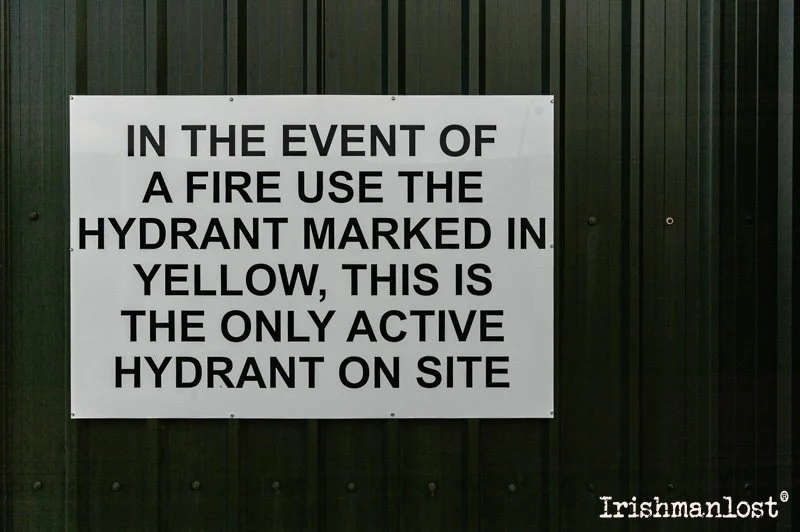
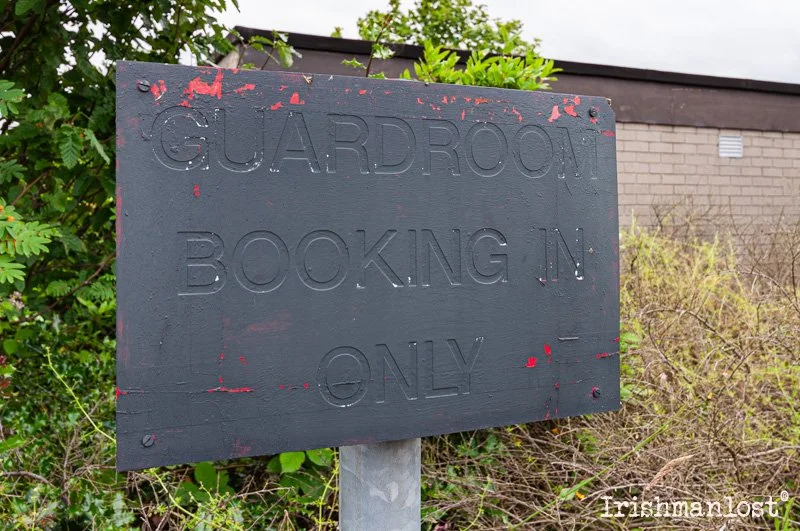
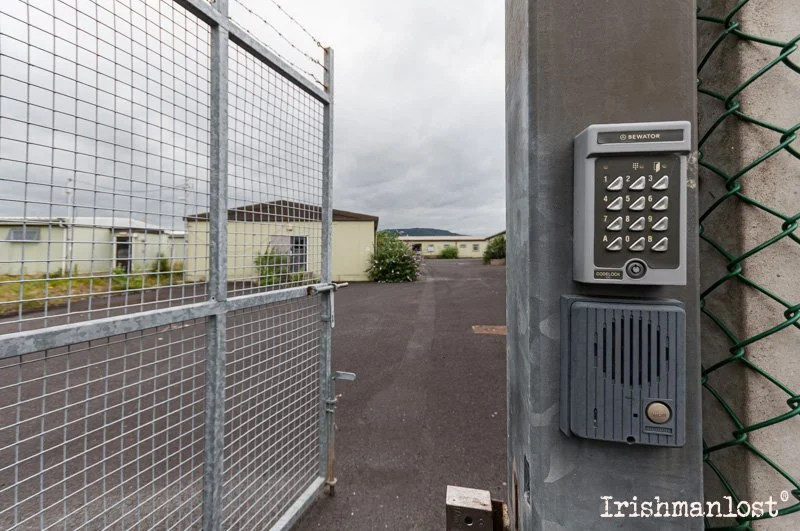
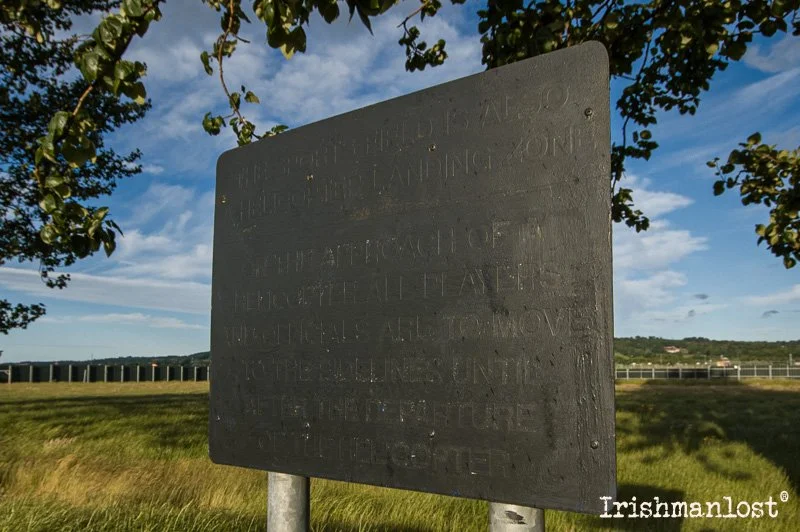
During the core years of the conflict, roughly between 1973 and 1994, the camp became home to the Royal Corps of Transport and later the Royal Logistic Corps. Their role was the practical backbone of military operations, moving troops, maintaining vehicles, coordinating supplies, and ensuring that units across Northern Ireland could function effectively. The proximity to Belfast City Airport enabled rapid deployment and resupply, making the camp an essential hub in the wider network of bases.
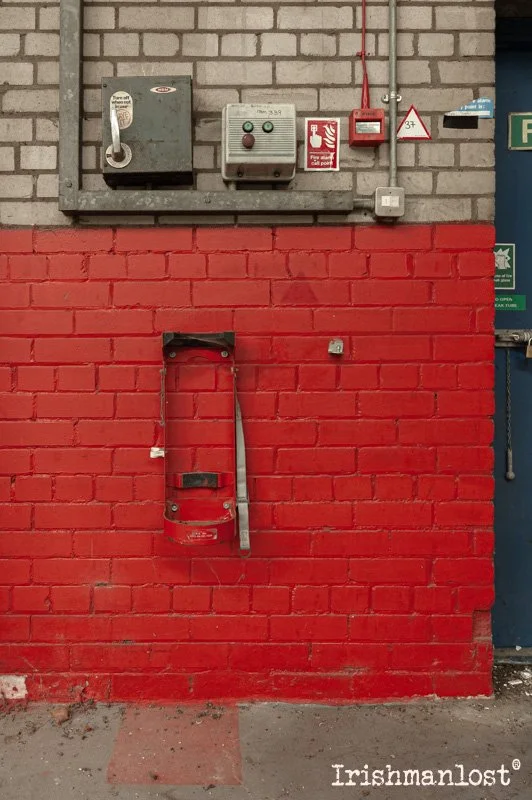
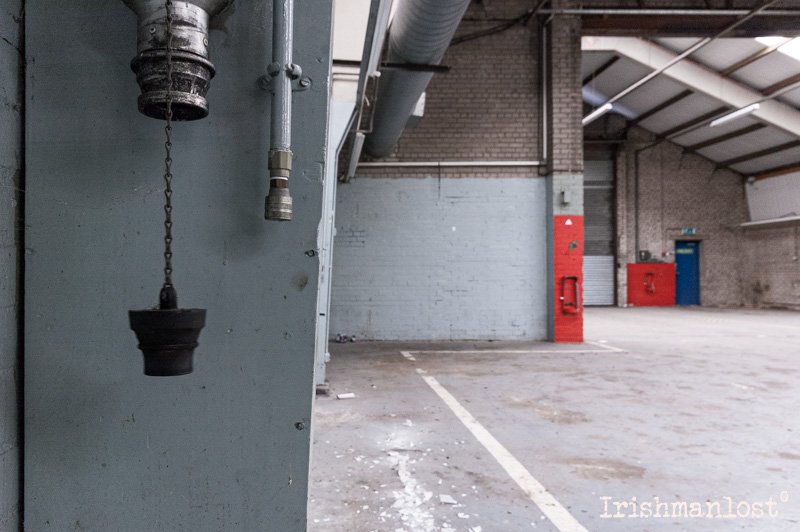
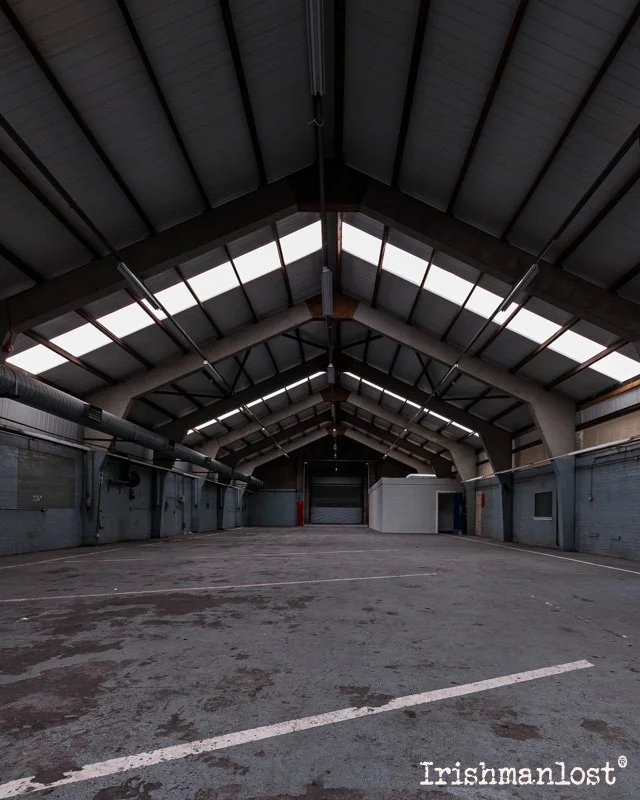
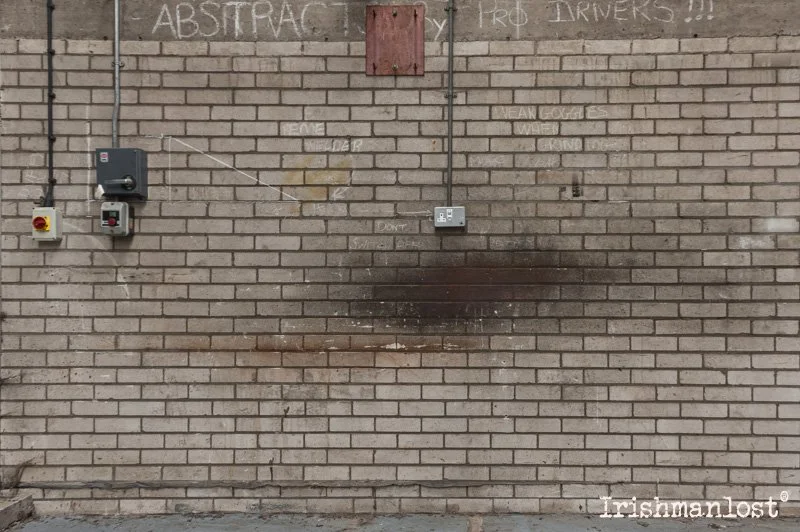
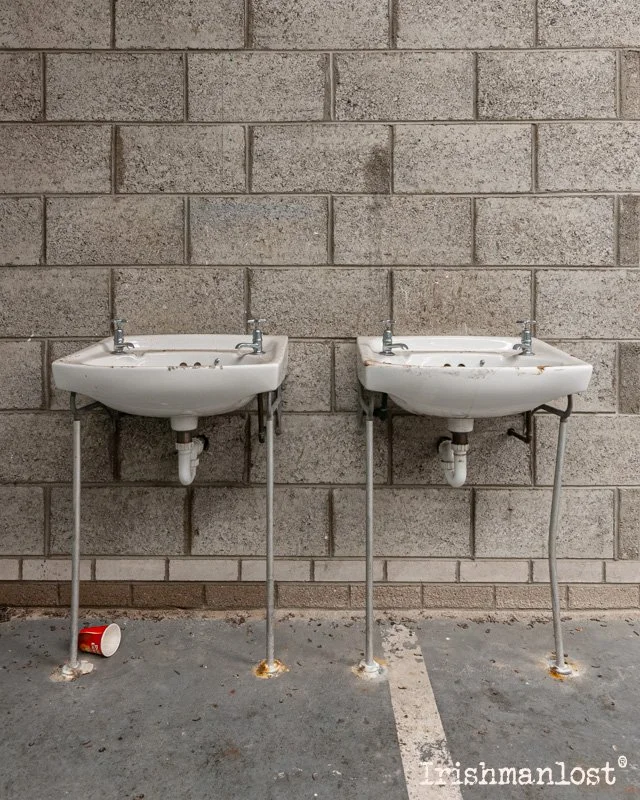
Although it sat in East Belfast, its reach extended across the city. Units based here supported operations in areas of intense unrest, including parts of West Belfast such as the Falls Road and the Shankill. From this quiet logistical base, vehicles and personnel moved out daily into a city defined at the time by tension and division. Standing there decades later, it was striking to think how much activity had once flowed through such an unassuming place.
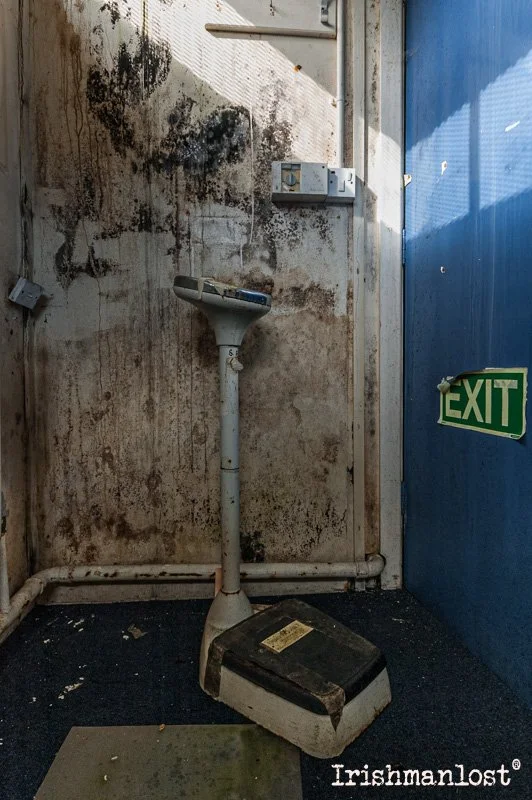
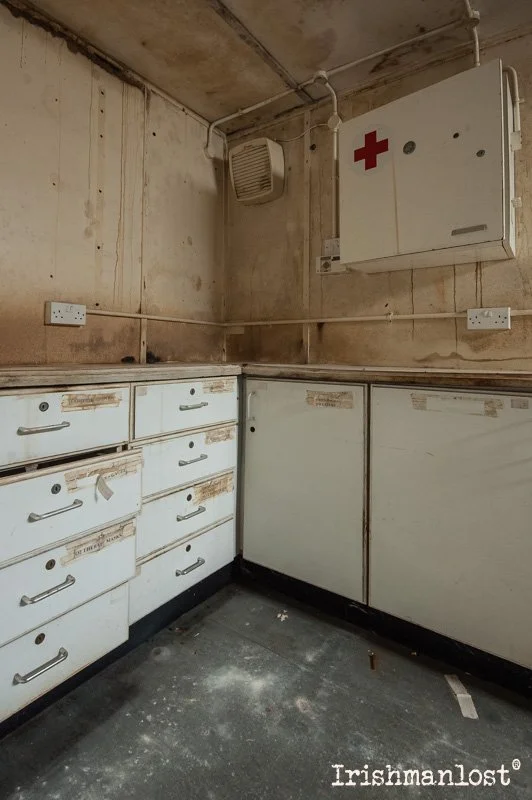
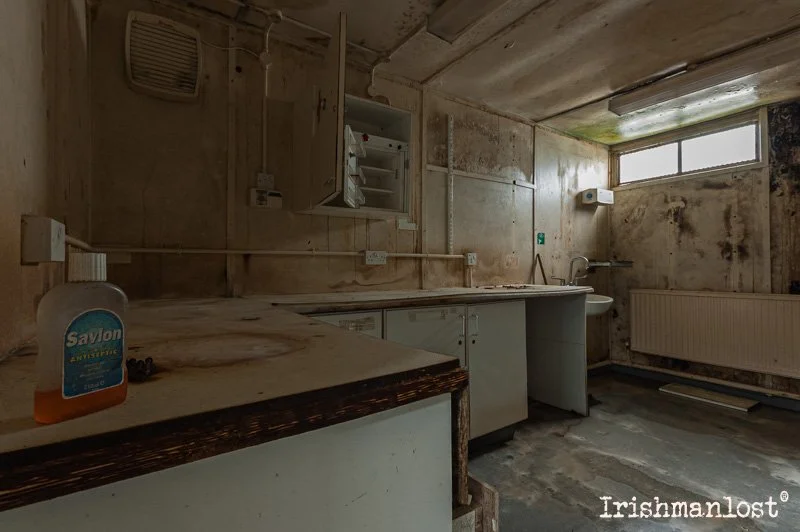
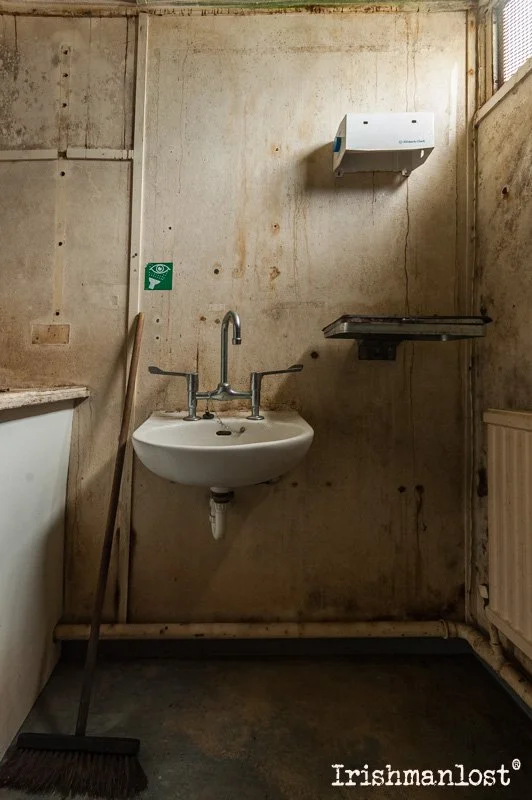
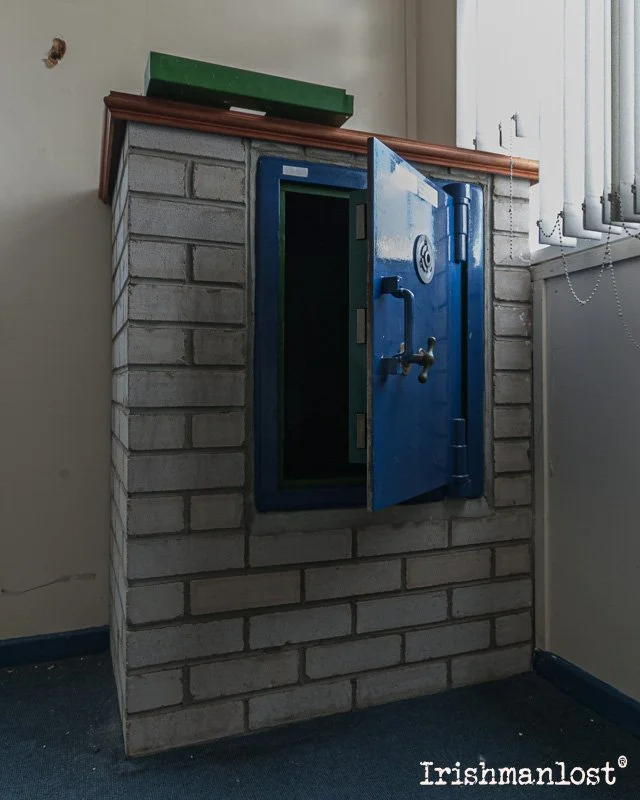
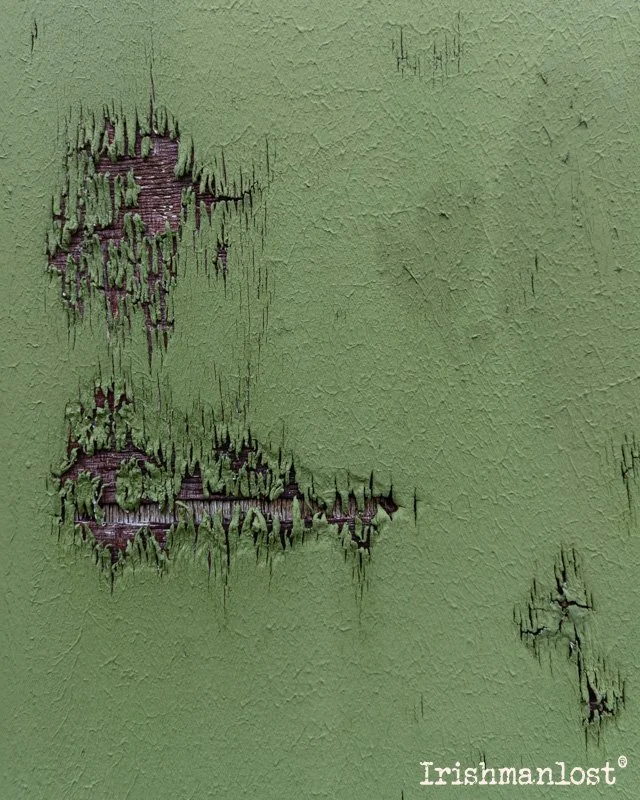
When I returned in 2011, the sense of decline was far more visible. The weather had begun to take hold. Paint peeled in long strips from the green exteriors, and weeds forced their way through the tarmac, softening the hard edges of the camp. Some windows were broken now, and the wind moved more freely through the rooms, lifting debris across the floors. It was during this visit that I spent more time exploring the larger interior spaces, including what appeared to have been a social or recreational area. A long wooden bar still stood in place, its surface worn smooth, a reminder that life here hadn’t been all routine and logistics. Even in a camp built for function, there had been moments of normality — conversations, laughter, the small rituals that make any place feel inhabited.
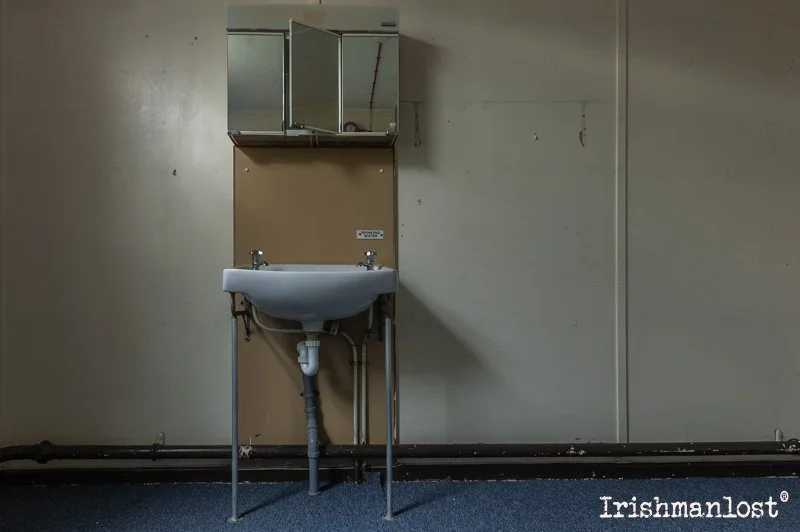
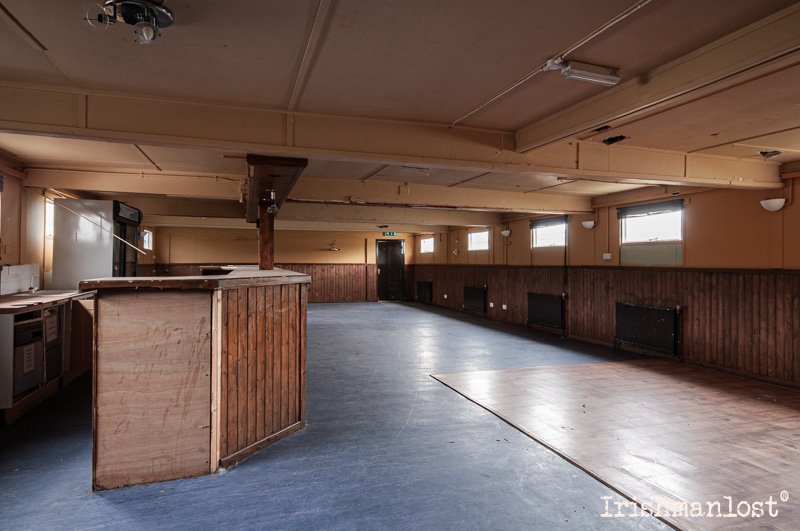
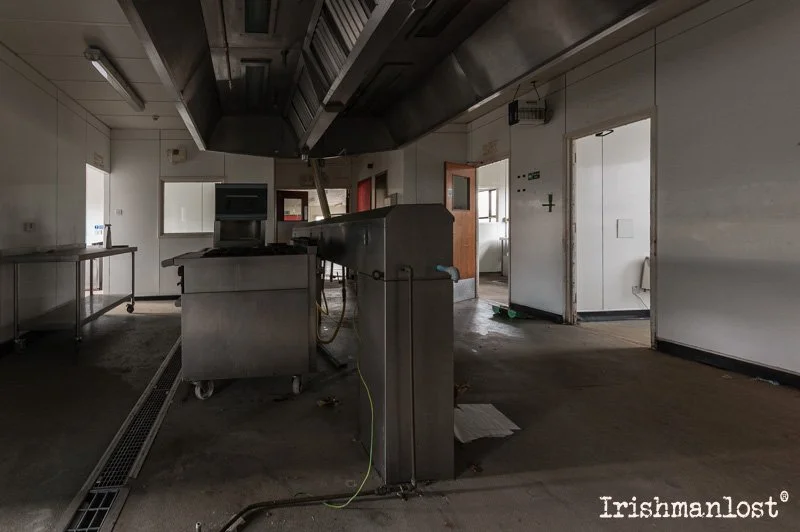
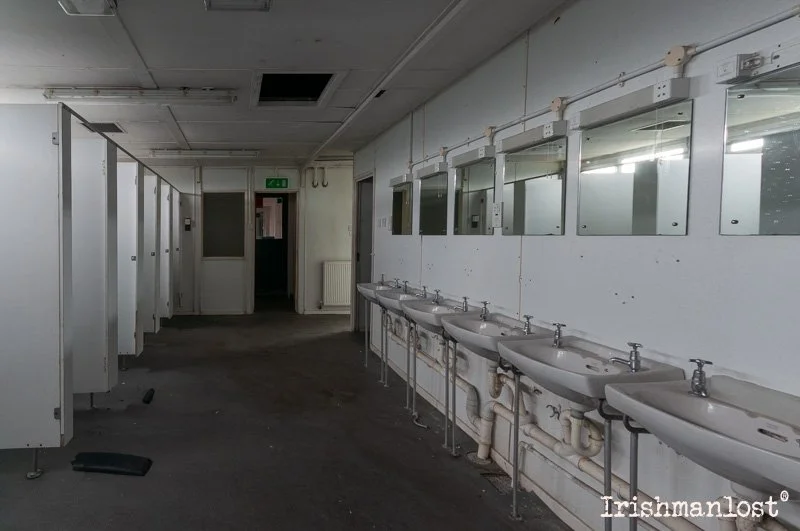
By the time of my final visit in 2012, the atmosphere had shifted again. There was a stronger sense that the end was near. Sections felt more exposed, more fragile, as though the site itself knew it was living on borrowed time. Nature had crept further in, grass pushing up along pathways and wild plants clustering around the edges of buildings. The silence felt deeper, too, broken only by the steady rhythm of aircraft engines from the airport. Standing there, I found myself thinking about how many routines had played out in these spaces over the decades — the quiet rhythm of daily life that rarely makes its way into history books.
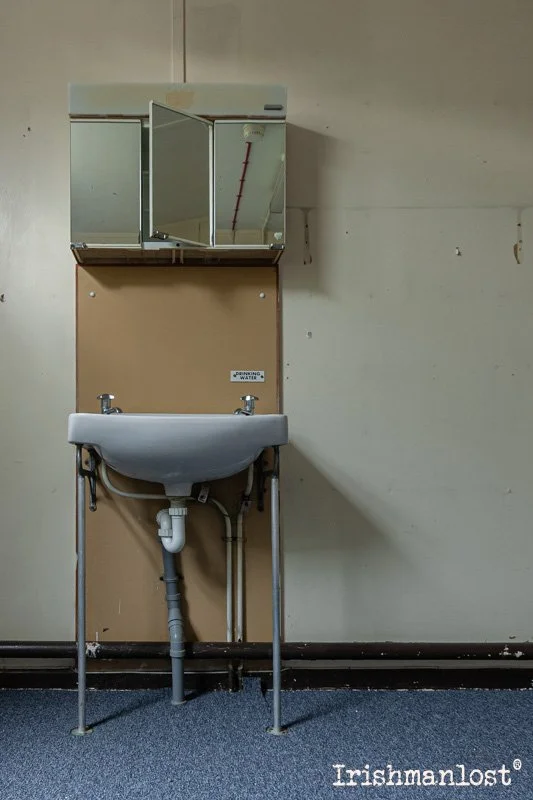
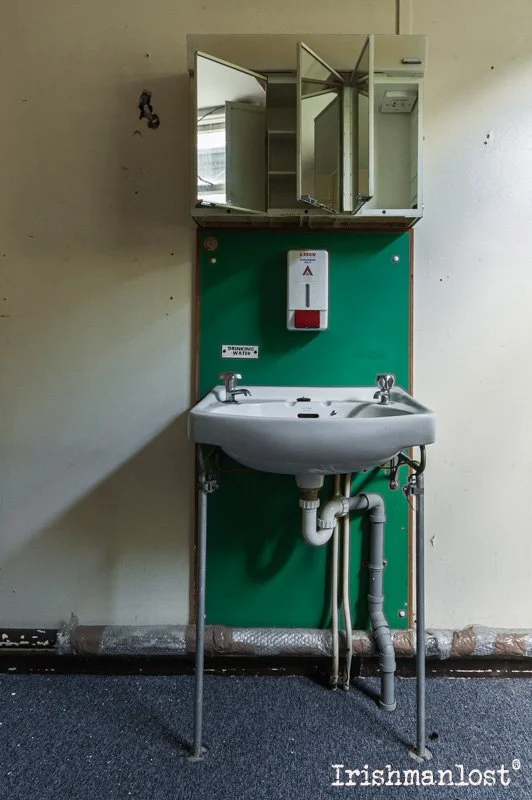
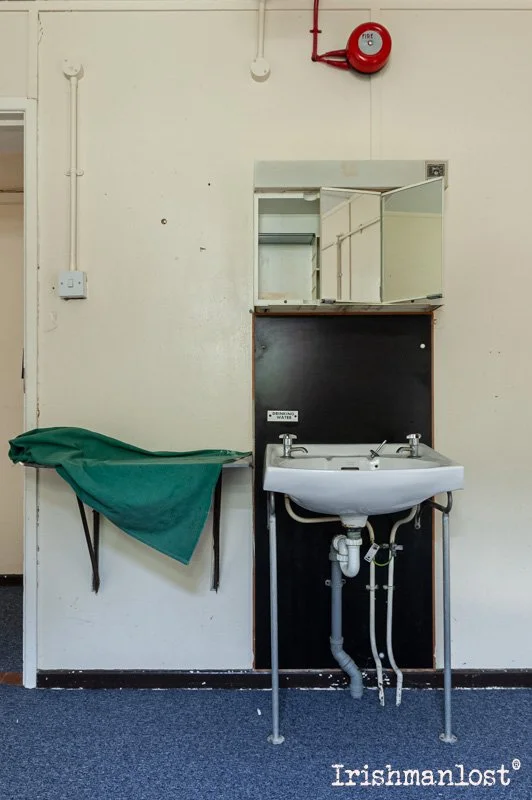
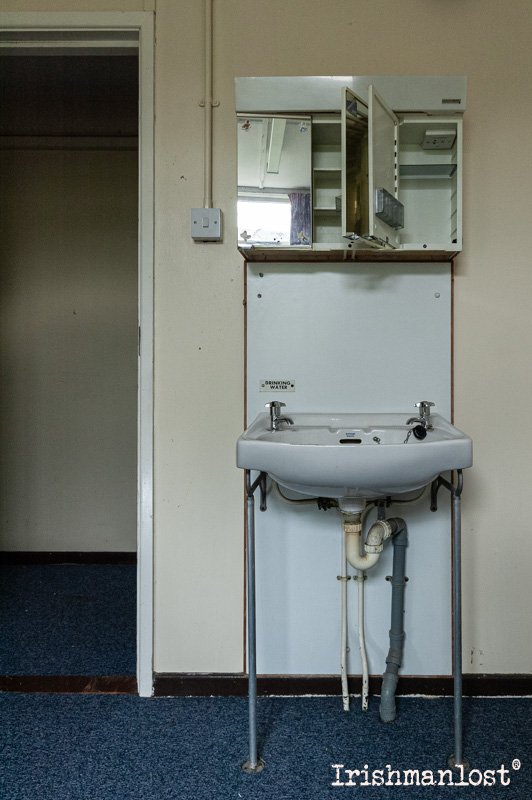
Moscow Camp remained operational until the final stages of Operation Banner, with troops withdrawing in 2007. After that, the site was left vacant, its purpose suddenly gone. Like many military installations, once the activity stopped, the decline came quickly. Weather, time, and neglect did their work, and within a few short years the place I walked through felt like a fading memory rather than a recently active base.
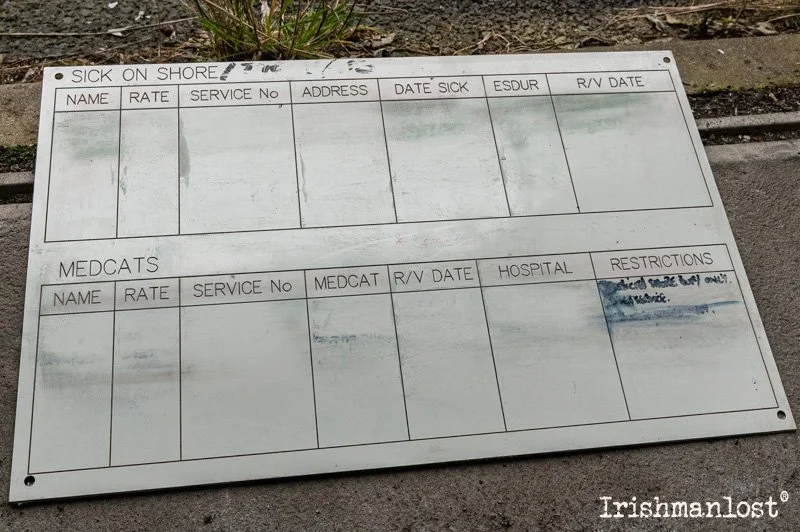
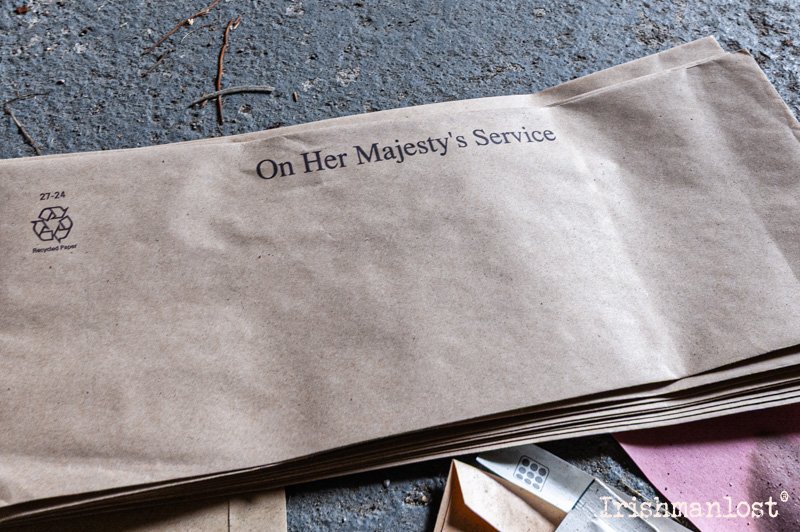
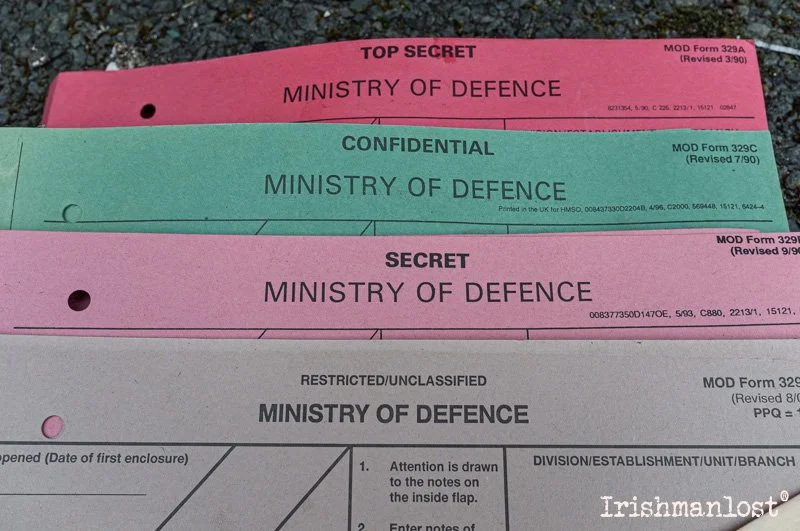
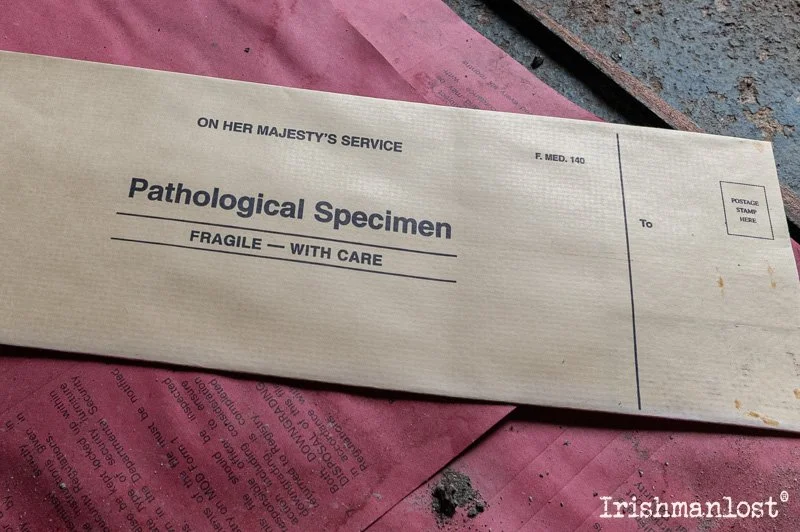
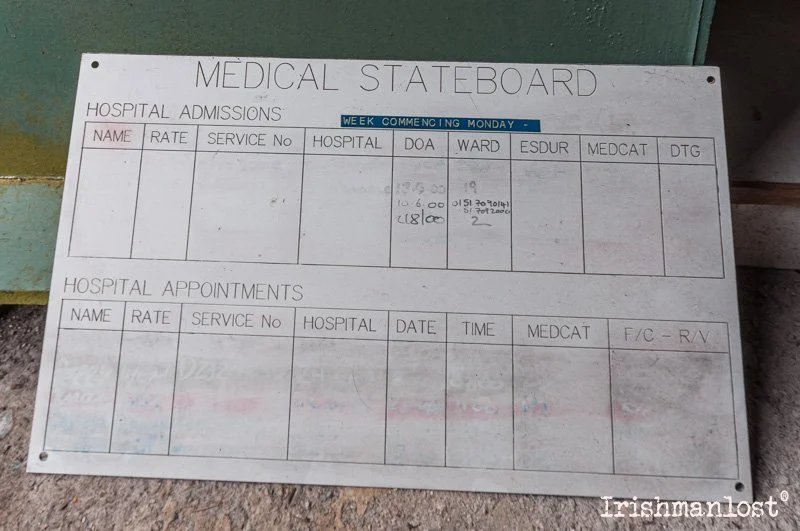
Across the three visits, I became aware of how differently a place can feel depending on when you encounter it. In 2008, it still felt like a recently vacated site, holding onto its shape and purpose. In 2011, it had entered a more reflective stage, weathered and softening. By 2012, it felt like a memory in physical form, the details beginning to blur as decay and time worked together. Experiencing those stages gave me a deeper appreciation for the way abandoned places change, not just physically but emotionally.
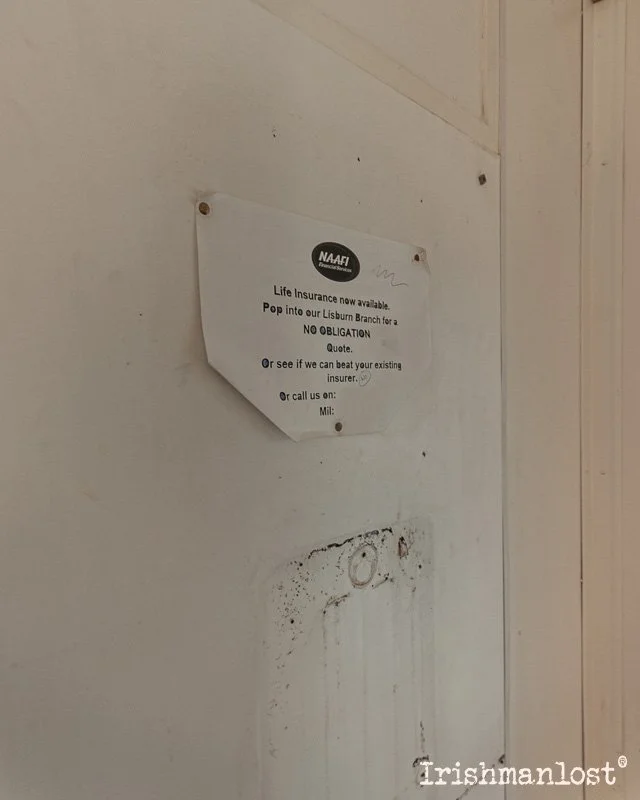
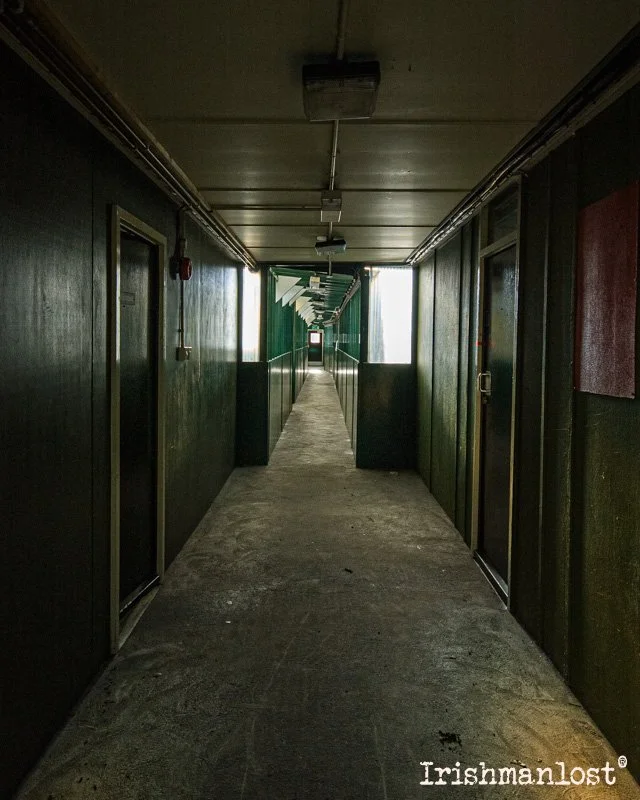
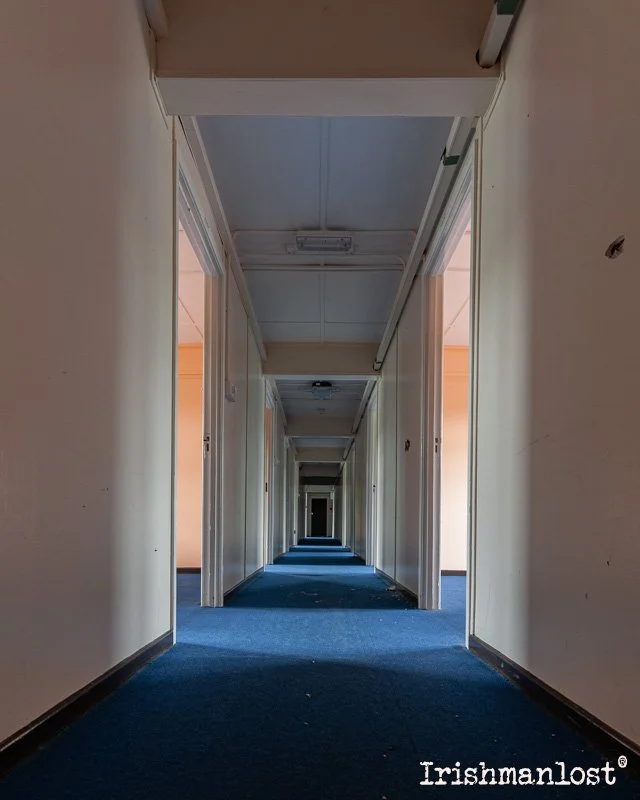
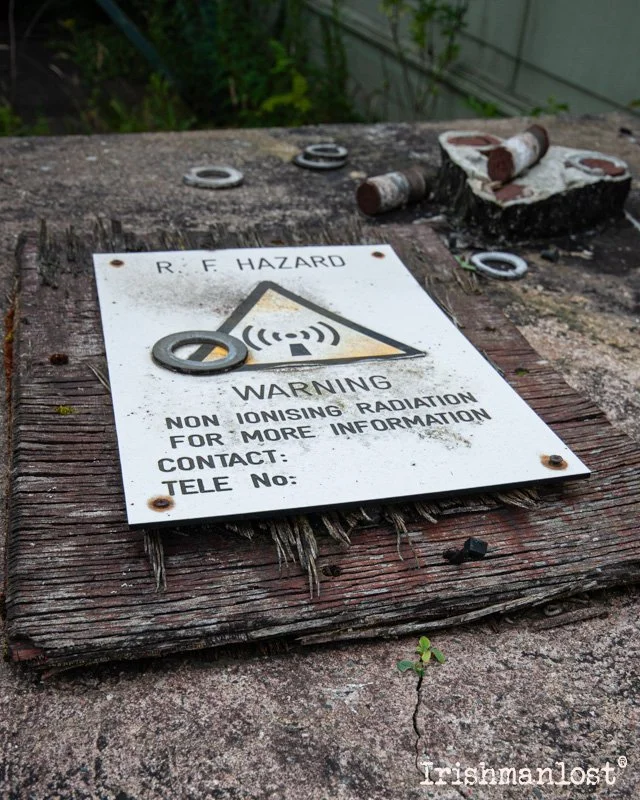
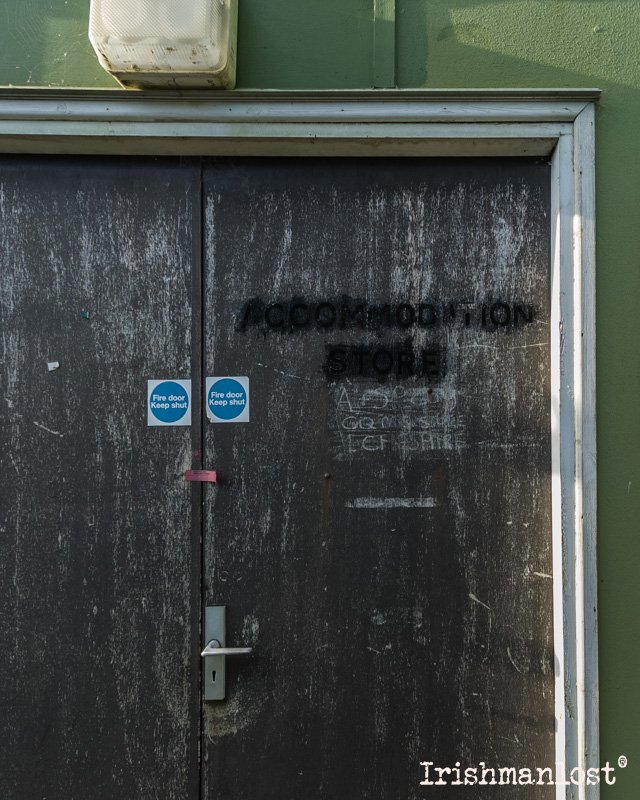
What stayed with me most was the contrast between the camp’s modest appearance and the weight of its history. It didn’t have the imposing architecture people often associate with military sites. There were no grand buildings or dramatic ruins. Instead, its significance was embedded in ordinary materials — prefab walls, utilitarian interiors, simple layouts designed for efficiency. Yet within those plain structures were decades of movement, preparation, and routine that formed part of a much larger story.
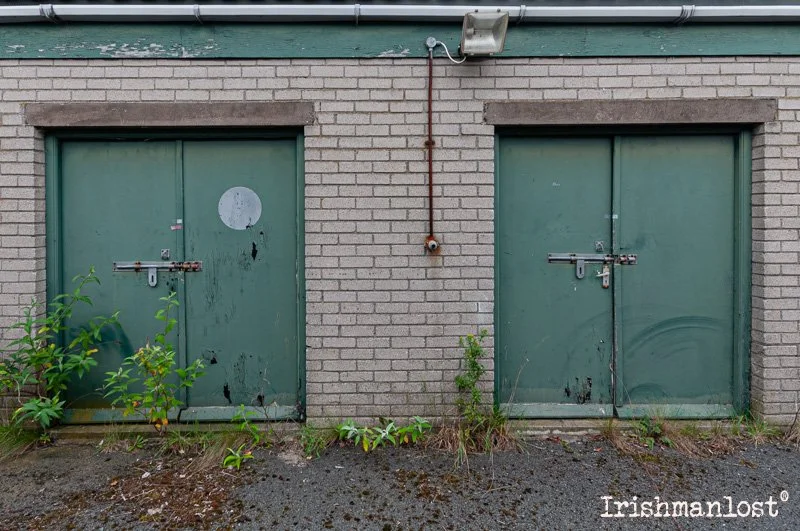
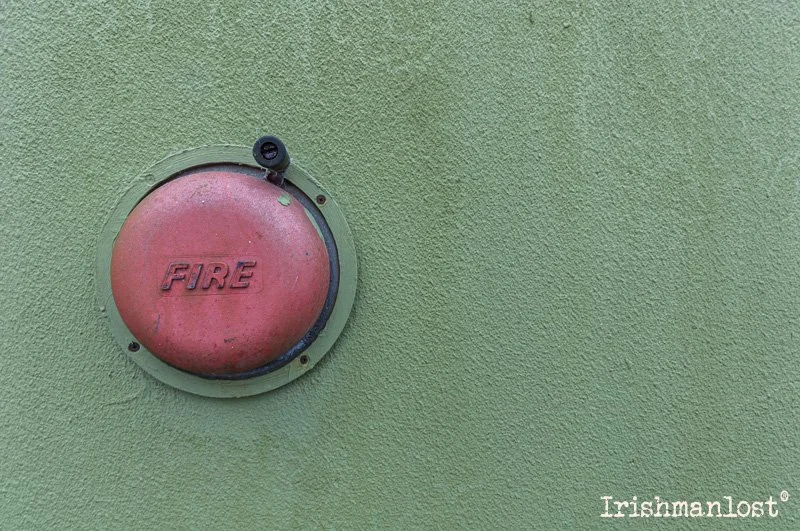
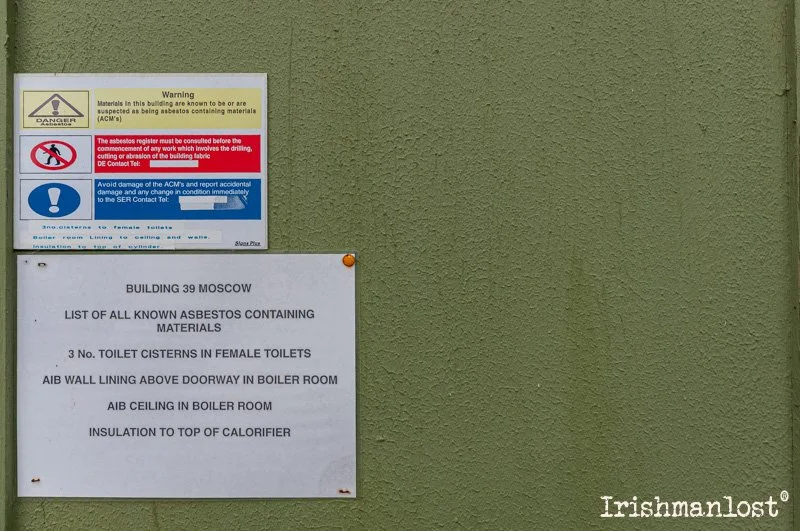
When demolition eventually came, it felt inevitable, almost expected. Today, the area has been redeveloped, and there is little to suggest what once stood there. Without photographs or memory, it would be easy for the site to slip entirely from public awareness. But for those who served there, lived nearby, or simply passed through, its legacy remains part of Belfast’s complex story during the Troubles.
Looking back now, Moscow Army Camp stands in my memory as a place defined not by dramatic events, but by the quiet persistence of its role. It was a workplace, built for a purpose, and when that purpose ended, it simply slipped away. Visiting it across those years allowed me to witness its final chapter unfold — from presence, to absence, to disappearance — and it reinforced something I’m reminded of time and again: history often lingers longest in the most ordinary places.
The Site Today
Today, the camp is gone, reduced to a stretch of rough ground scattered with rubble. Only faint lines in the earth hint at where the roadways once ran between rows of huts, the last traces of a place that quietly supported decades of military activity. Without context, you’d never know what stood here — but for those who remember, it remains a small, almost invisible footprint of Belfast’s past.
Alongside the photographs of the camp in its final days, a small collection of historic images taken by former soldiers helps complete the story. These photographs capture the site when it was still active — offering glimpses of daily life, routines, and the base's scale at its height. You can explore that archive to see Moscow Army Camp through the eyes of those who lived and worked there.
If you served at the camp or have photographs from your time there, you’re very welcome to get in touch by email. I’d be glad to include your images in the archive with full credit.
