
Horsham Road Cemetery, Petworth
A Quiet Place of Wartime Loss and Neglect
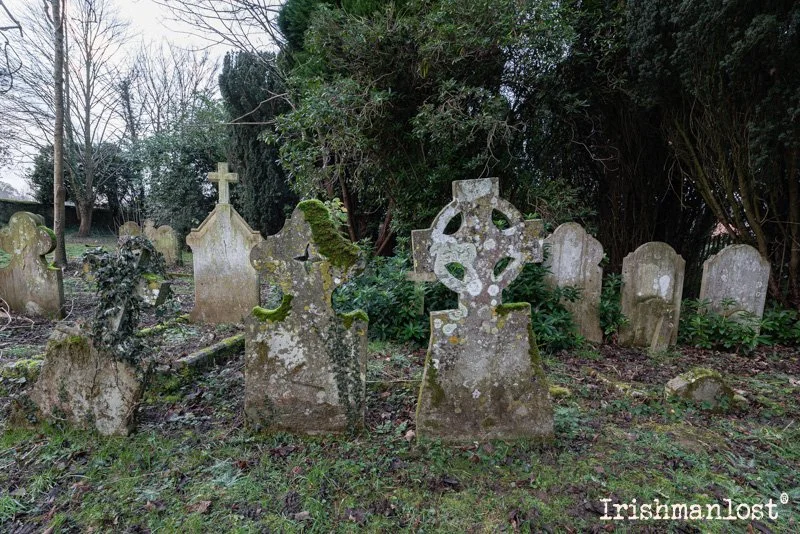
Horsham Road Cemetery in Petworth was one of those places I had long wanted to visit, and while staying with family nearby, I finally had the opportunity. I arrived with a sense of quiet anticipation, aware that this was not just a cemetery but a site marked by one of the town’s most tragic wartime moments.
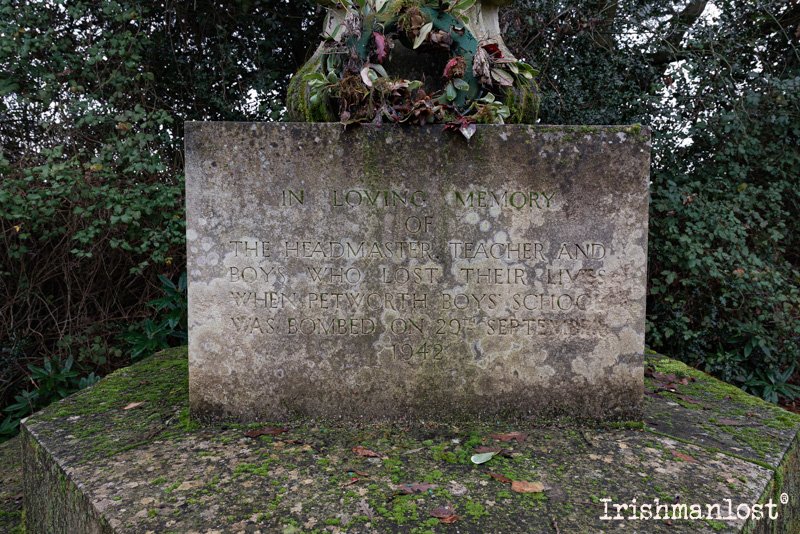
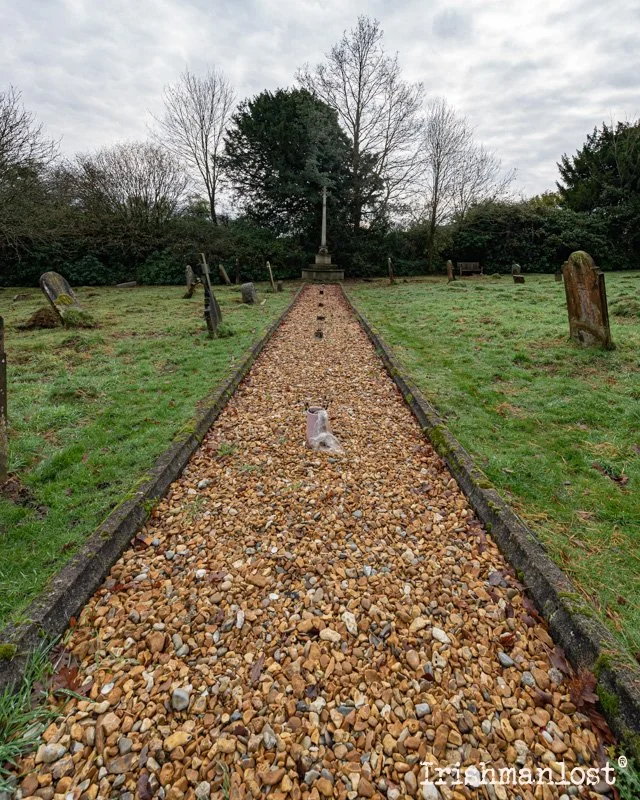
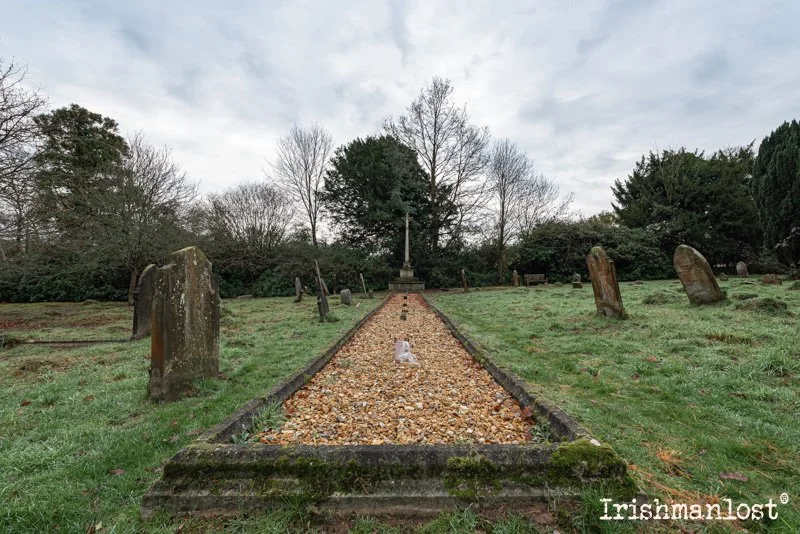
On Tuesday, 29 September 1942, at 10.25 am, a lone German bomber approached from the south, flying over Hoes Farm. Its target was troops stationed on the grounds of Petworth House, but all bombs missed. Instead, they fell on a boys’ school near the junction of North Street and Horsham Road. There was no air raid warning. Of the eighty children attending school that morning, twenty-eight were killed, and many more were injured. Alongside the children, two adults also lost their lives — headmaster Charles Stevenson A.G.P., M.R.S.T (56) and assistant teacher Charlotte Catherine Marshall (27). Standing in the cemetery, it was impossible not to think about how a single moment forever changed so many lives.
Walking through the grounds, I was immediately struck by the condition of the place. Much of the cemetery felt neglected — paths overgrown, headstones leaning, nature steadily reclaiming the space. The only area that appeared carefully maintained was the grave of the schoolboys, which stood out as a focal point of remembrance amid the general decline. That contrast felt telling: a community determined to remember the tragedy, yet seemingly powerless to care for the site as a whole.
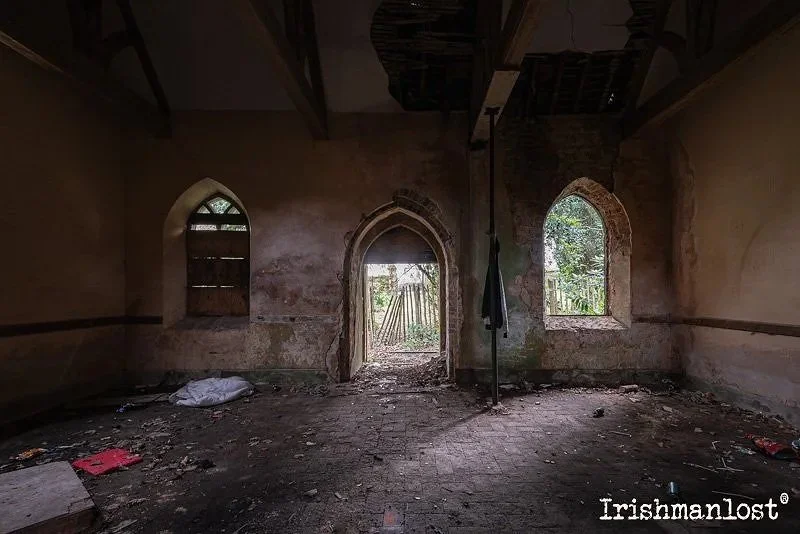
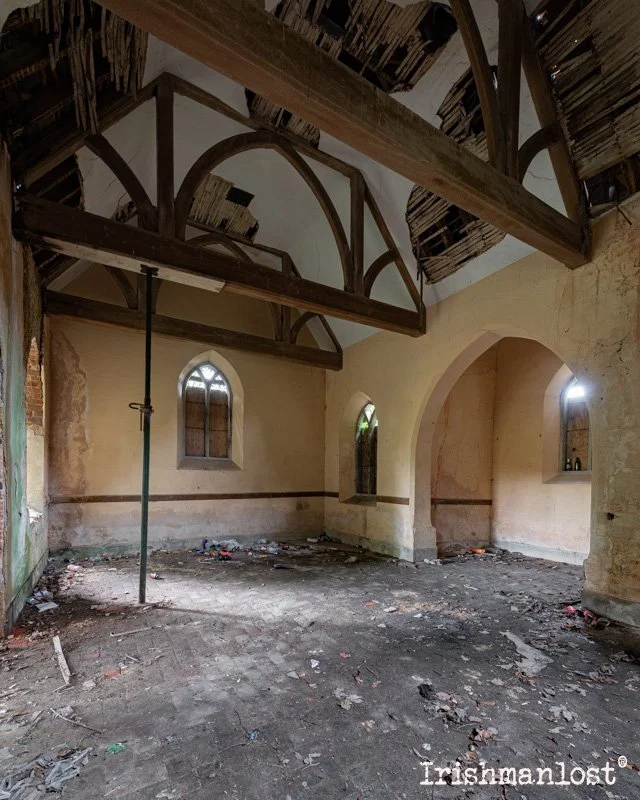
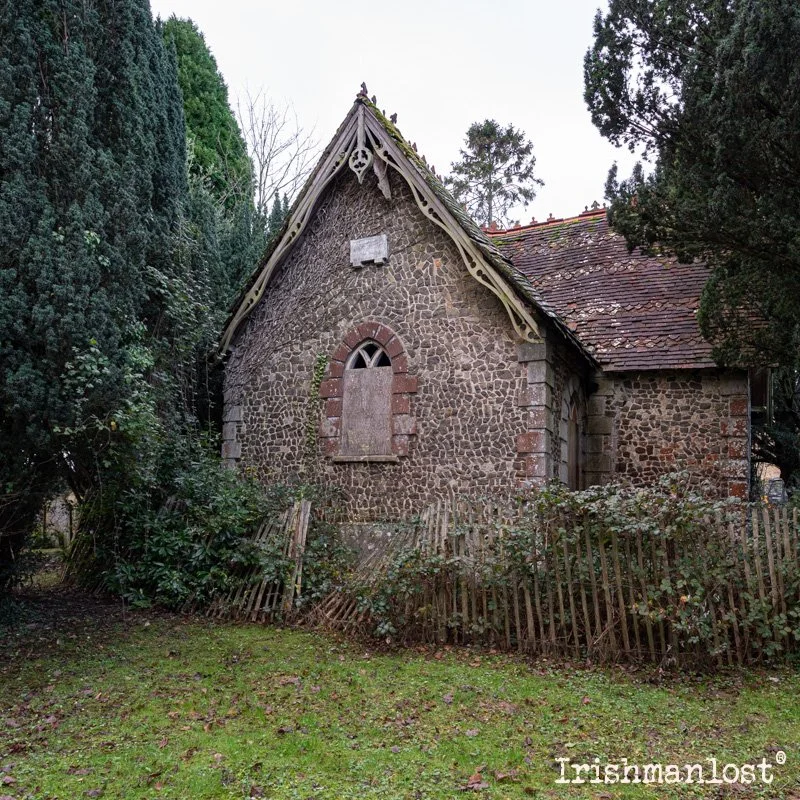
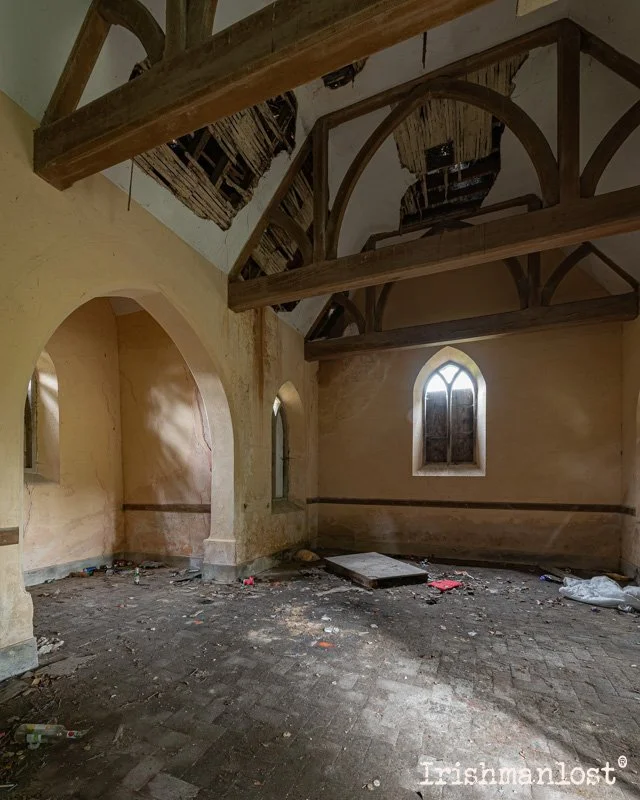
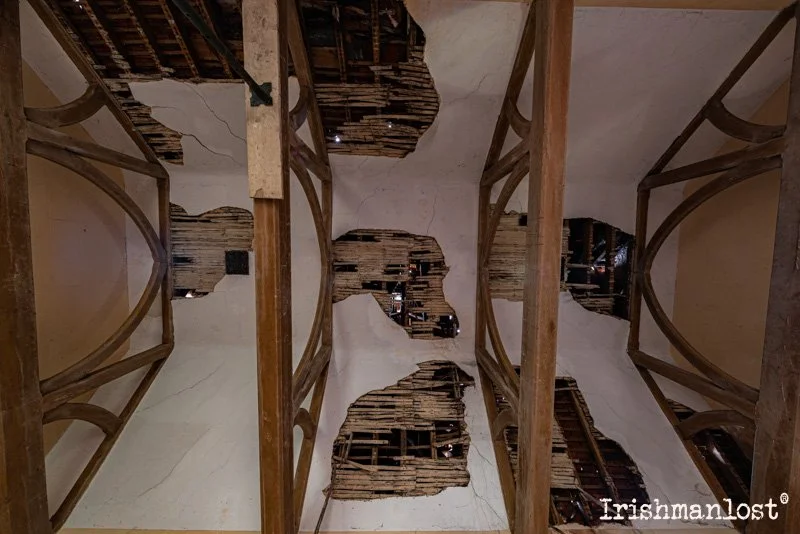
The small chapel within the cemetery left the strongest impression on me. It was clearly in a poor state, suffering from years of abandonment and decay. At the time of my visit, the large oak front doors had already been stolen, likely sold on, leaving the building exposed and further damaged. What troubled me most was learning that this neglect wasn’t simply down to a lack of interest, but to decades of uncertainty surrounding who actually owns the chapel.
For years, people have been left perplexed by the mystery of the chapel’s ownership. The building has become a controversial and contentious issue, with no authority stepping forward to take responsibility. This situation has been made worse by the absence of clear, documented proof of ownership. As a result, the chapel has been left in a state of limbo — abandoned, deteriorating, and vulnerable to vandalism and theft. More recently, Petworth’s town council has proposed demolishing the building altogether if no one comes forward to claim ownership.
The chapel is now experiencing severe structural failure, with growing concerns about the building's stability and the potential for the roof to collapse. Each year, the need to take action has become more urgent, driven not only by health and safety concerns but also by the question of whether the chapel can realistically be conserved at all. More than ten years ago, funds were set aside jointly by Chichester District Council, Petworth Parish Council, and the Leconfield Estates to repair what was, at the time, still a relatively safe structure. For various reasons, those plans never progressed, and the opportunity to intervene early was lost.
What makes the situation even more frustrating is that the chapel still does not fall within the remit of either Petworth’s town council or the local church, St Mary the Virgin. Spokespeople for both have been unable to confirm ownership or provide clear historical details about the building. In effect, the chapel exists without a guardian — a structure tied to memory and loss, yet officially belonging to no one, and that uncertainty now hangs over the chapel’s future, making its survival increasingly unlikely.
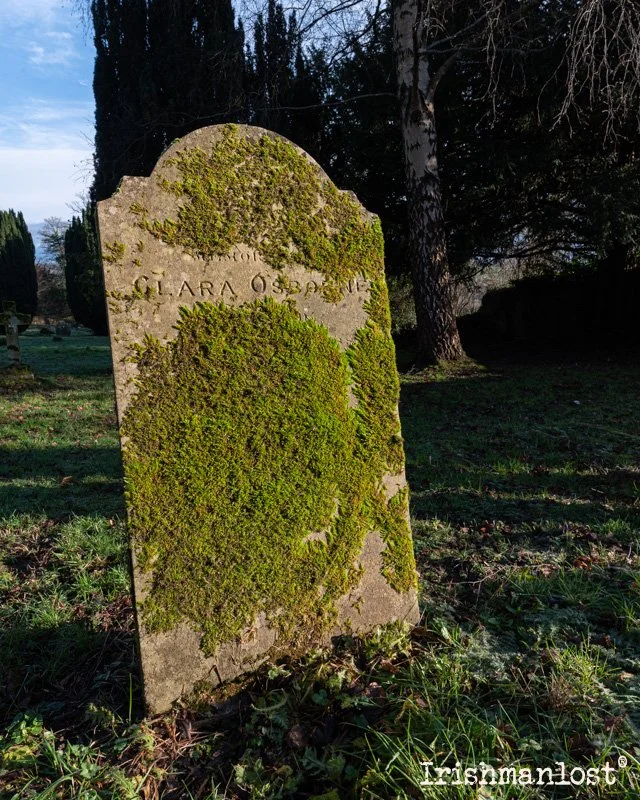
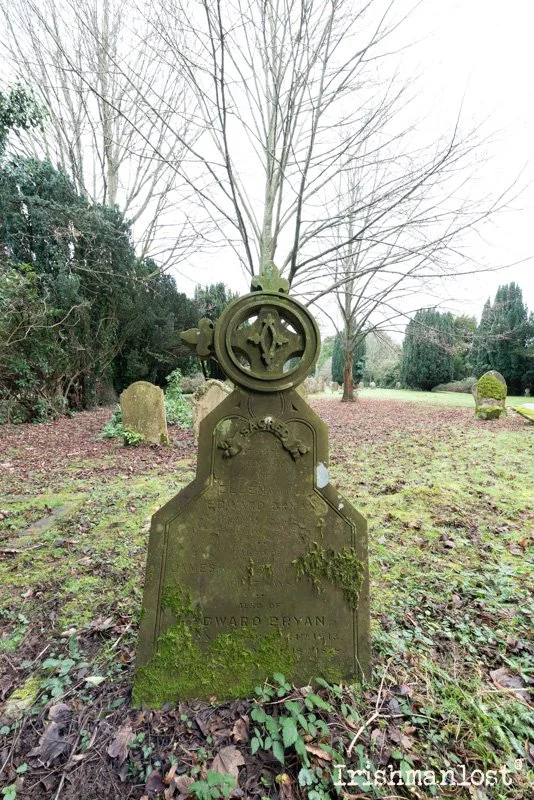
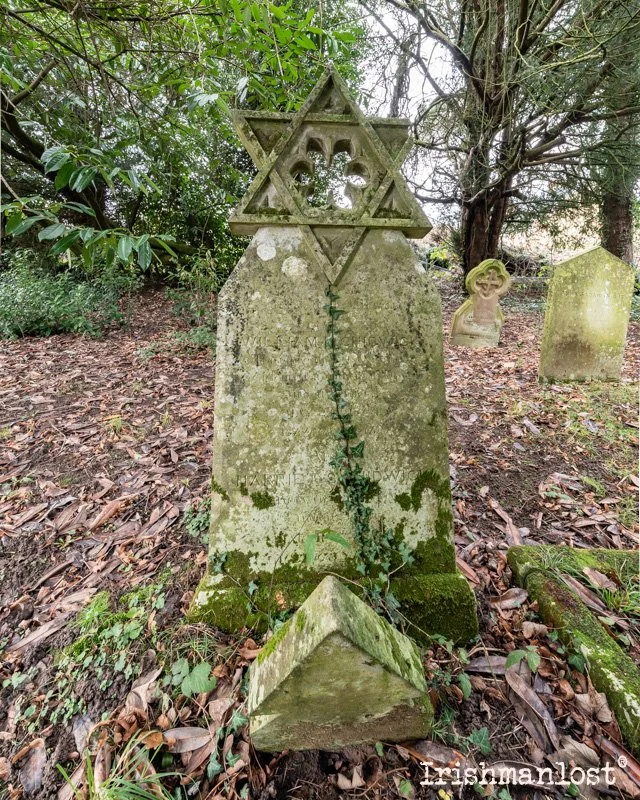
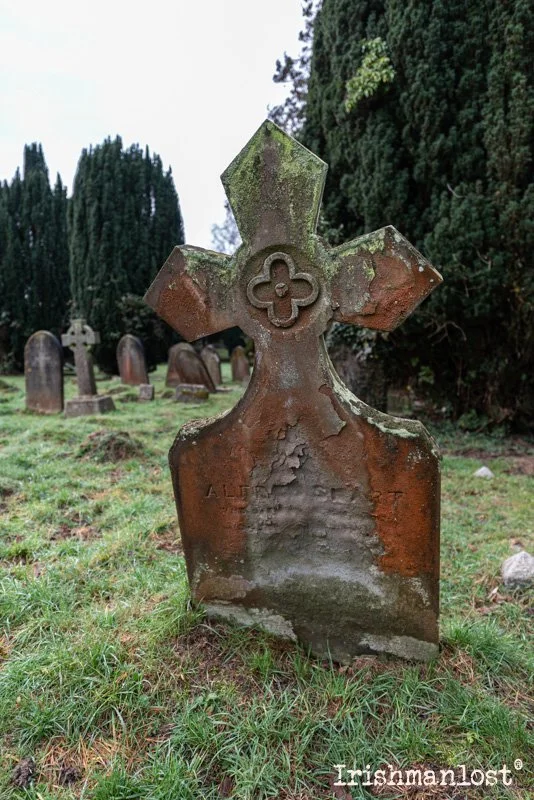
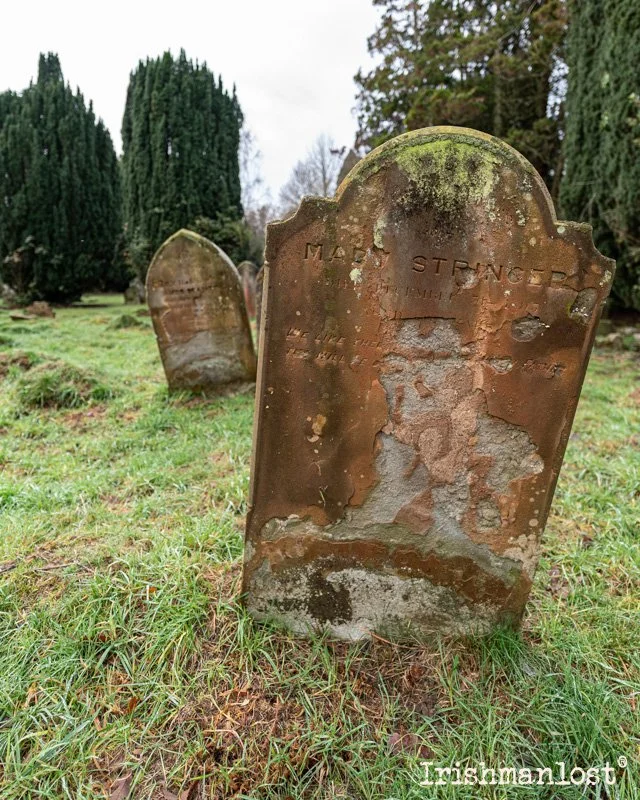
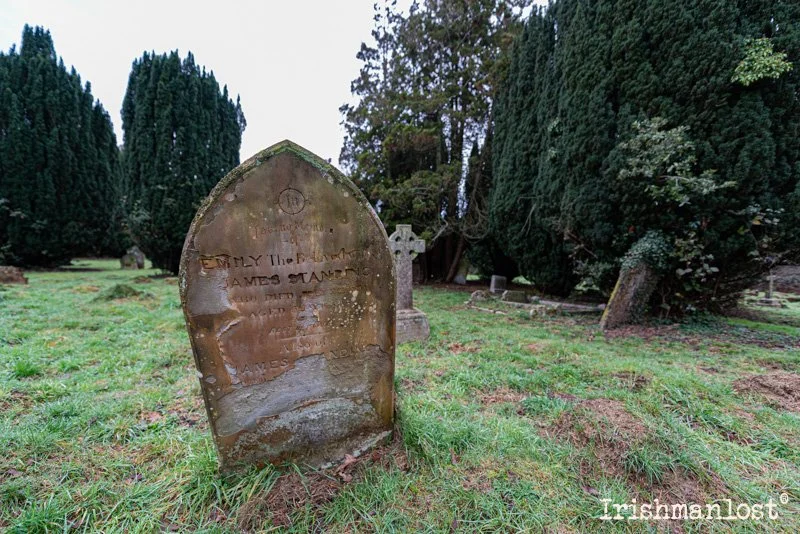
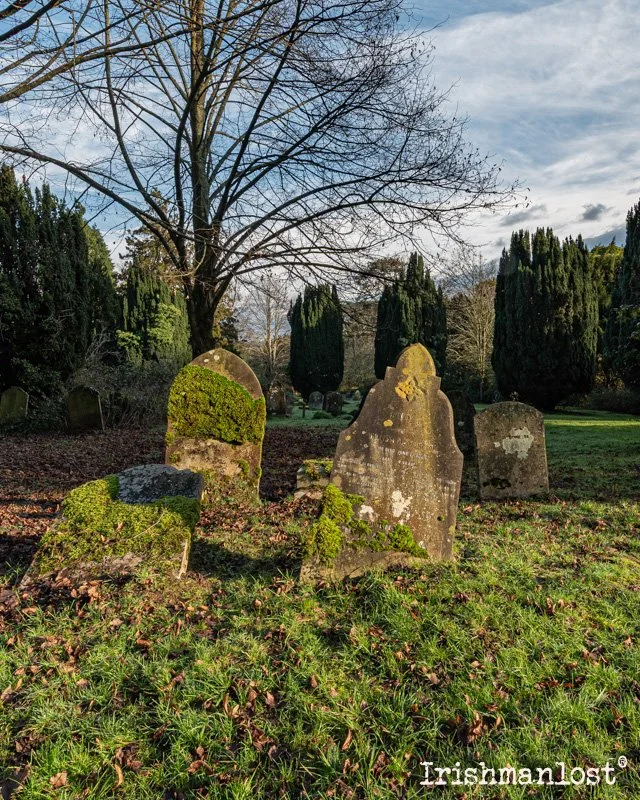
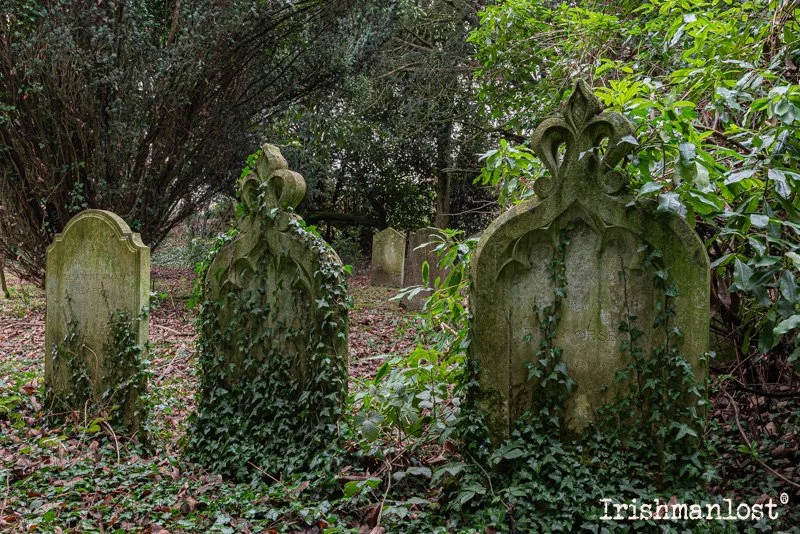
Walking through the rest of the cemetery, the contrast was striking. Much of the ground was overgrown and unkempt, with headstones slowly being reclaimed by nature. The one area that stood out was the grave of the schoolboys, which was clearly maintained and cared for. It felt like the emotional centre of the cemetery — a place where remembrance still holds firm despite the surrounding neglect.
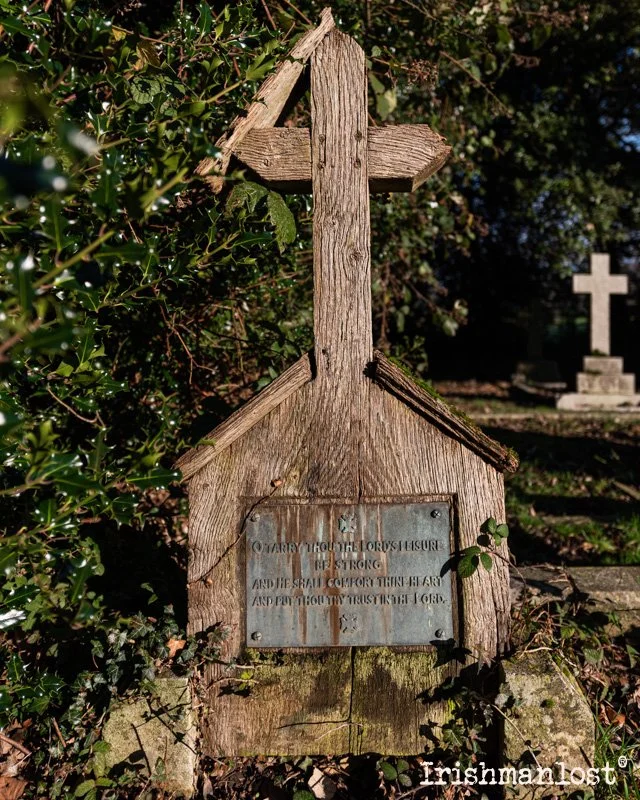
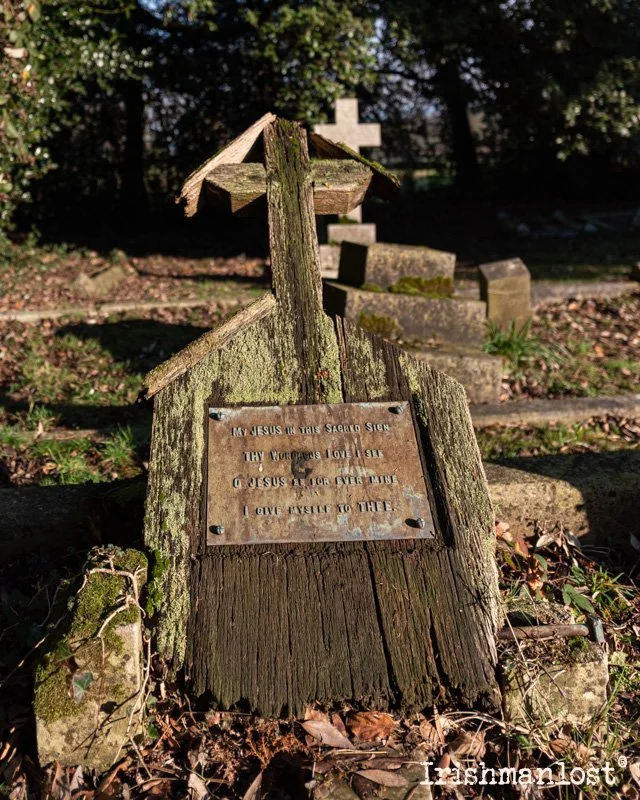
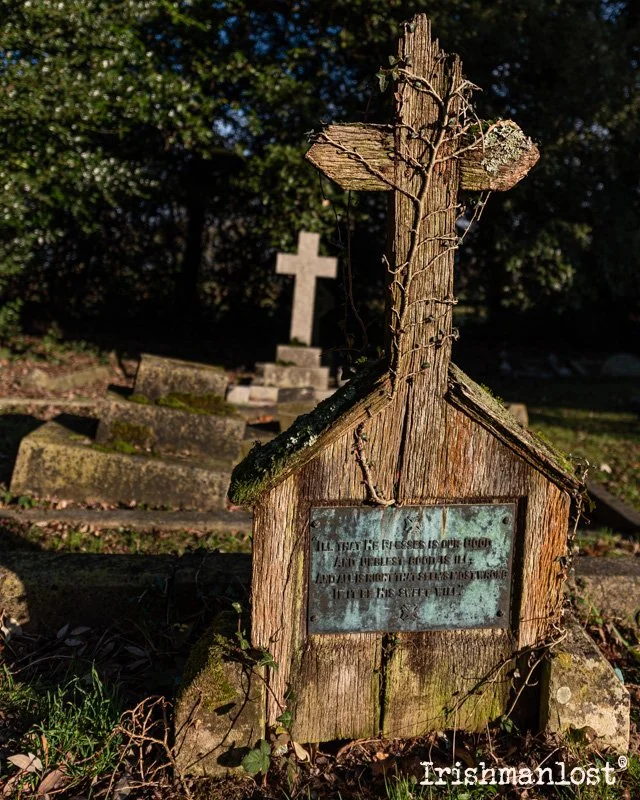
I spent some time exploring further, carefully moving among older graves and coming across several interesting headstones, including a small section marked by simple wooden crosses. These modest graves carried a quiet dignity, and their fragility seemed to echo the wider condition of the site itself.
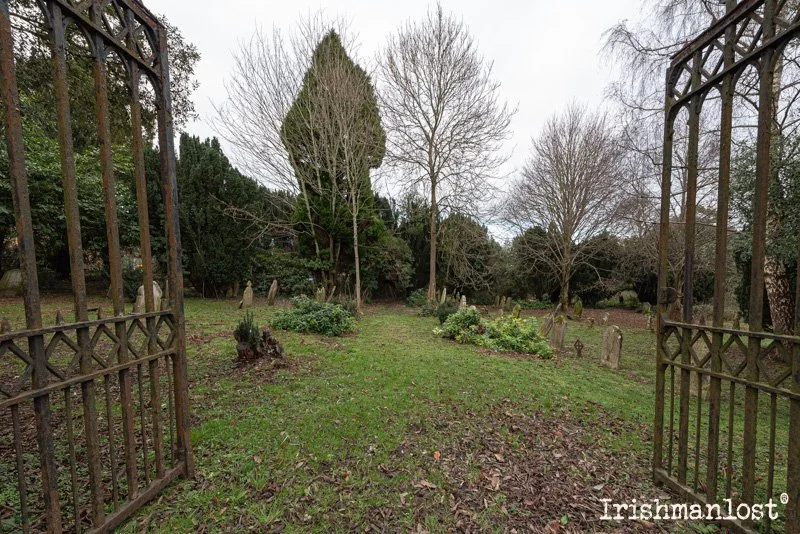
I stayed longer than I expected, taking time to absorb the atmosphere. Horsham Road Cemetery is not a place that demands attention loudly; it asks for it through silence and reflection. These images are a record of that visit — a snapshot of a place shaped by loss, memory, and uncertainty — and a reminder of how easily important sites can slip into neglect when responsibility becomes blurred.
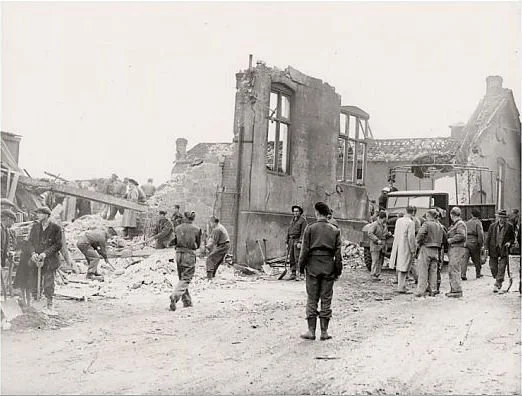
Ruins of Petworth Boys' School after the bombing on 29th September 1942
Image is Copyright © George Garland, courtesy of West Sussex County Council Library Service
More history, photographs, and original newspaper clippings can be found on the Roll of Honour, offering deeper insight into the events, victims, and lasting impact of the tragedy.
