
District Lunatic Asylum, Gransha
The History of Stradreagh Hospital, and the Temporary Home of Oakgrove Integrated College
Standing above the banks of the River Foyle, the abandoned District Lunatic Asylum at Gransha remains one of Northern Ireland's most imposing Victorian institutions. Hidden behind mature trees and slowly surrendering to time, it stands as a haunting reminder of a very different era in the treatment of mental illness, while also reflecting the fragile future of many of Ireland's historic institutional buildings.
Before Gransha was constructed, patients from County Londonderry were accommodated at the overcrowded Strand Road Asylum, which had opened in 1829. By the close of the nineteenth century, the old hospital could no longer meet the growing demand for psychiatric care, prompting the decision to build a much larger purpose-built asylum on the outskirts of the city. Construction began in 1903, and the hospital officially opened in 1905.
Designed by architect Matthew Alexander Robinson, Gransha embodied the Victorian belief that fresh air, open space and carefully planned surroundings could contribute to recovery. Set within extensive landscaped grounds overlooking the River Foyle, the sprawling red-brick complex functioned almost as a self-contained village, with farms, workshops, kitchens, laundries and staff accommodation supporting the daily lives of hundreds of patients. Like many institutions of its era, it was designed not simply as a hospital but as an entire community, capable of operating independently within its own walls.
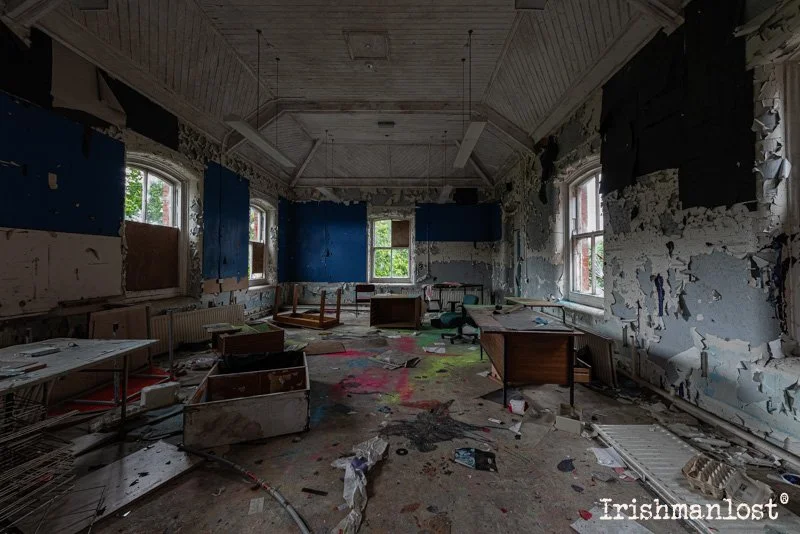
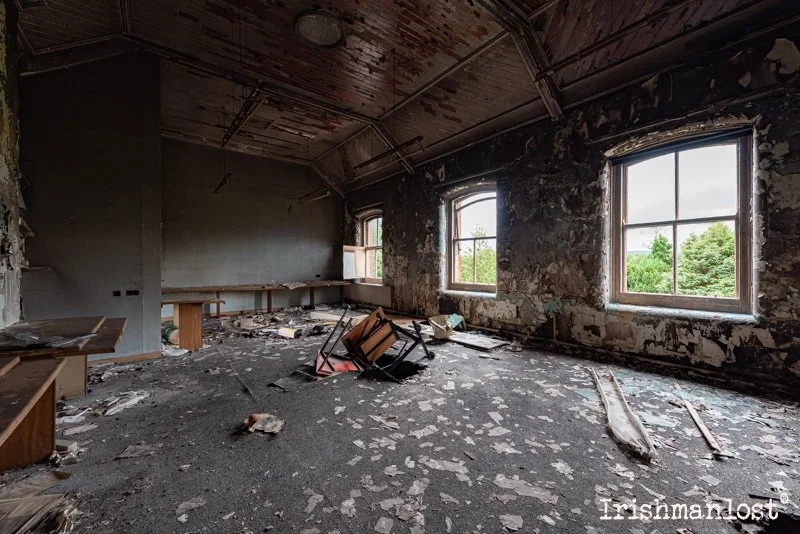
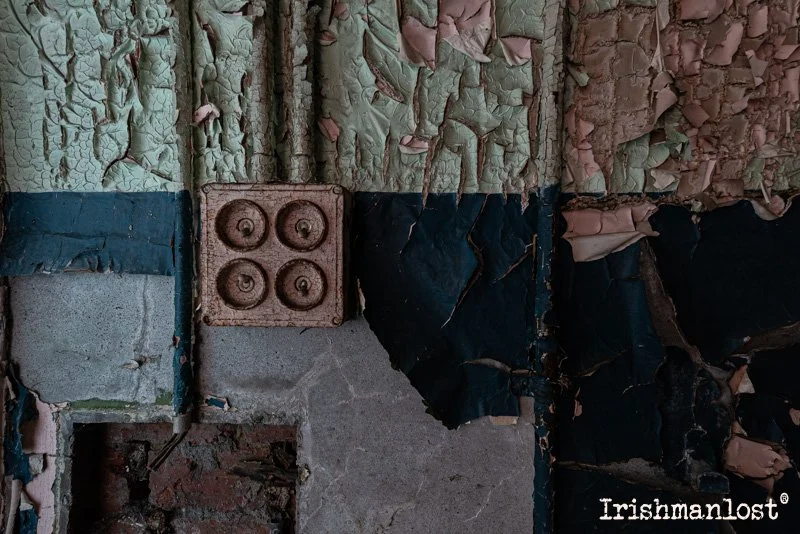
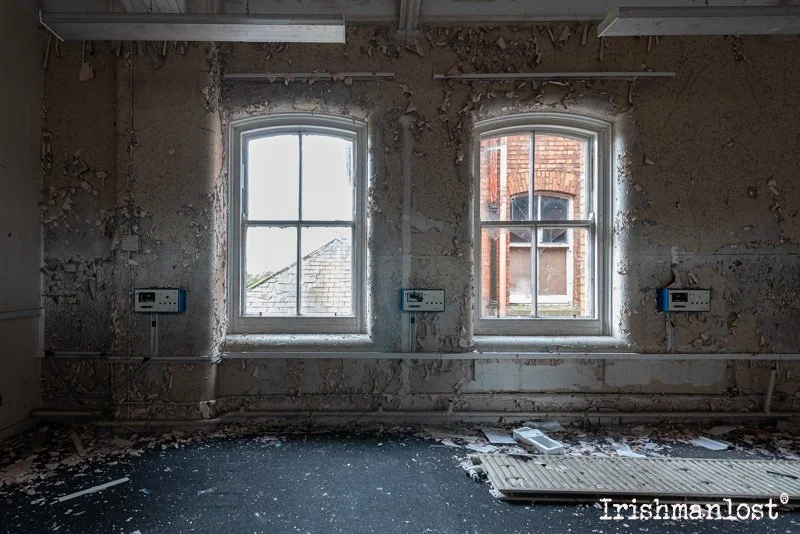
Throughout the twentieth century, Gransha evolved alongside changing approaches to mental healthcare. Following the introduction of the National Health Service in 1948, the hospital became known as Stradreagh Hospital, reflecting its transition into the modern healthcare system. As psychiatric care gradually moved away from large institutional hospitals in favour of community-based treatment, patient numbers steadily declined, leaving many of the historic wards and ancillary buildings surplus to requirements. Before finally falling silent, parts of the complex found an unexpected second life as the temporary home of Oakgrove Integrated College, where Victorian wards became classrooms and corridors echoed not with hospital routines, but with the sounds of school life. By 2011, the majority of the original hospital buildings had closed, leaving one of Northern Ireland's finest Victorian institutional complexes empty and increasingly vulnerable.
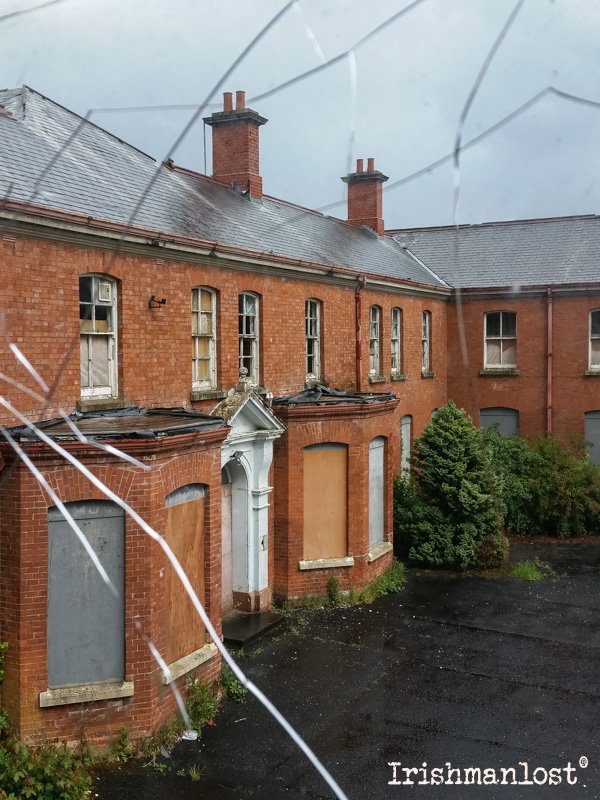
Walking through Gransha for the first time was unlike entering any abandoned building I had explored before. Even before stepping inside, looking through cracked glass at the red-brick façade hinted at the sheer scale of what lay beyond. The hospital seemed to stretch endlessly around courtyards and glazed walkways, a place built to function as an entire community rather than simply a hospital.
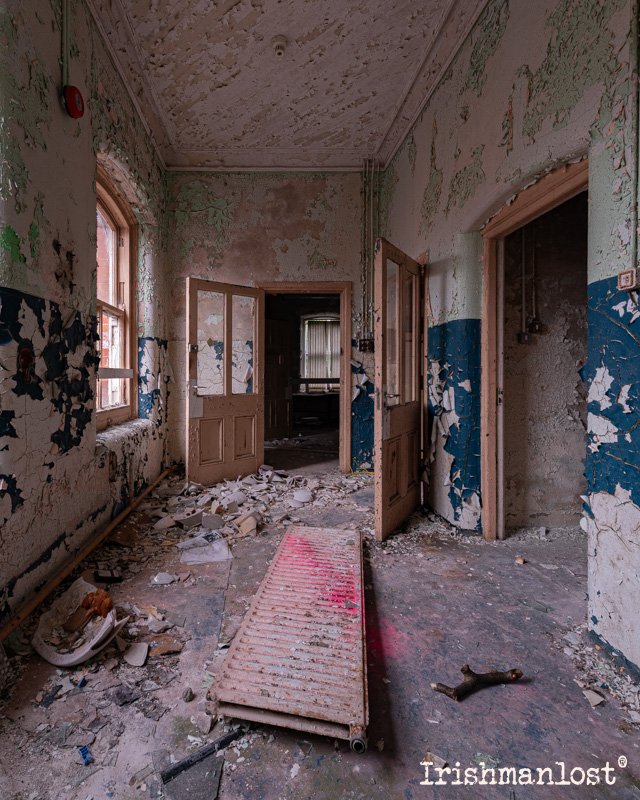
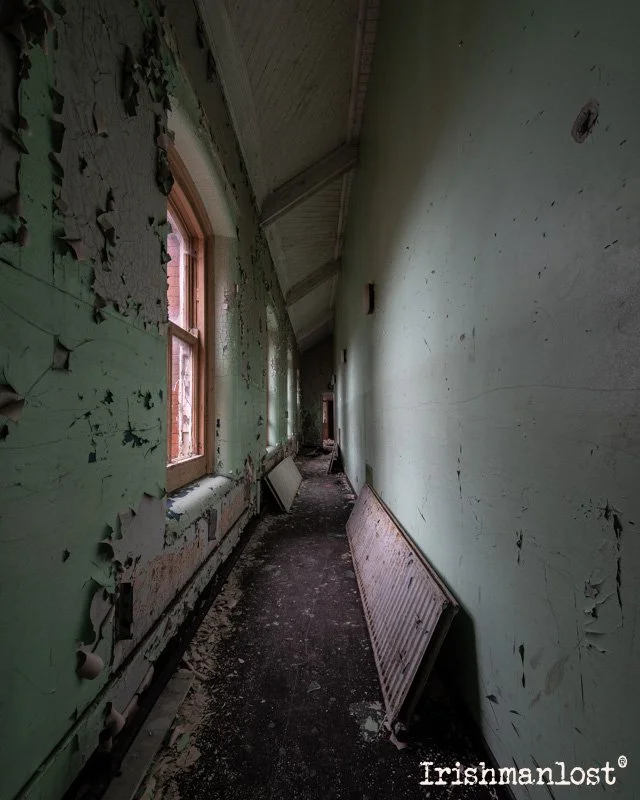
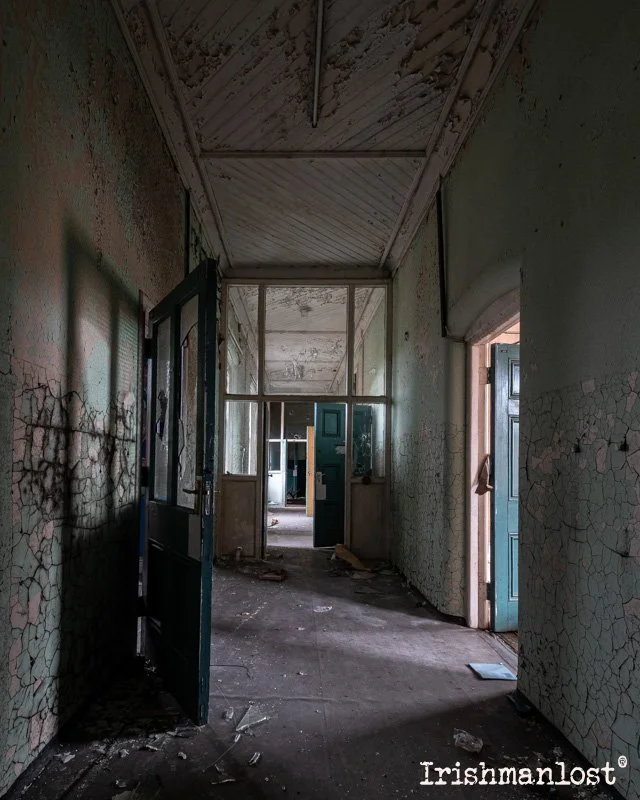
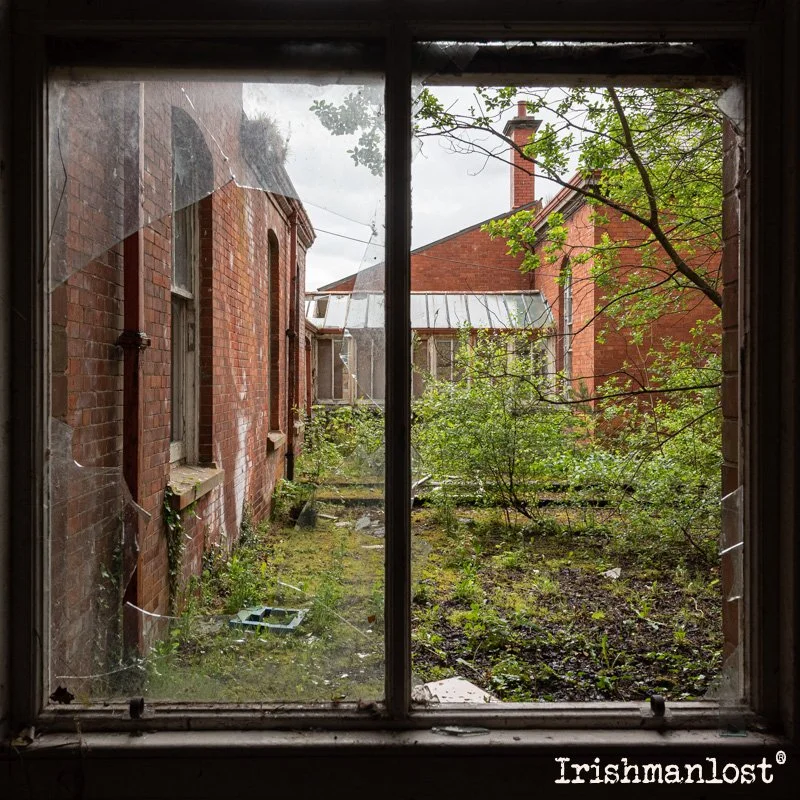
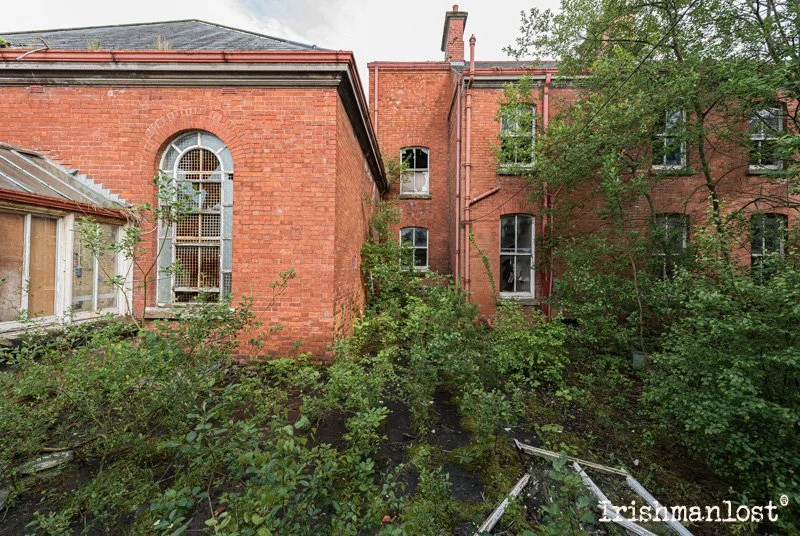
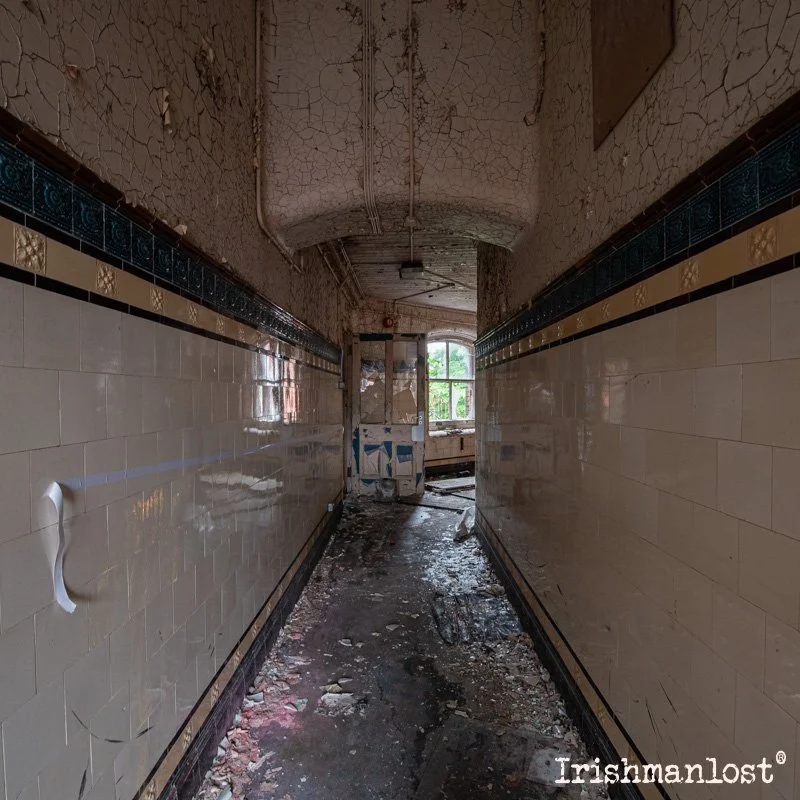
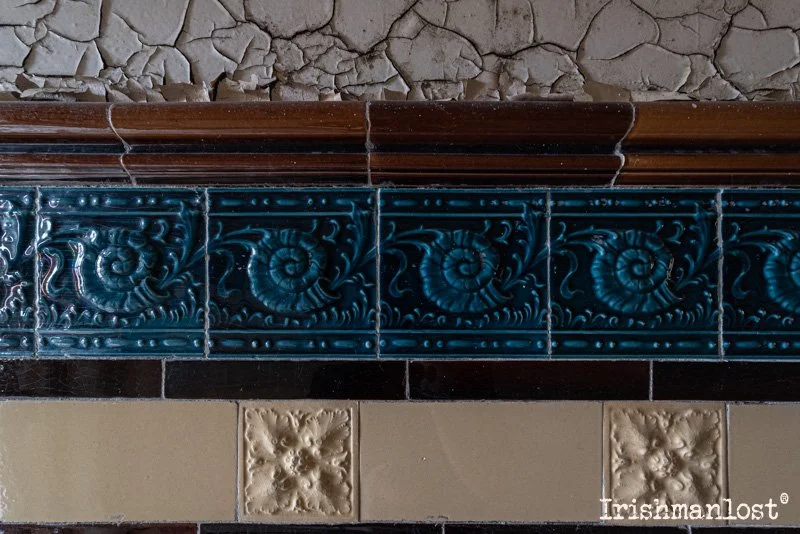
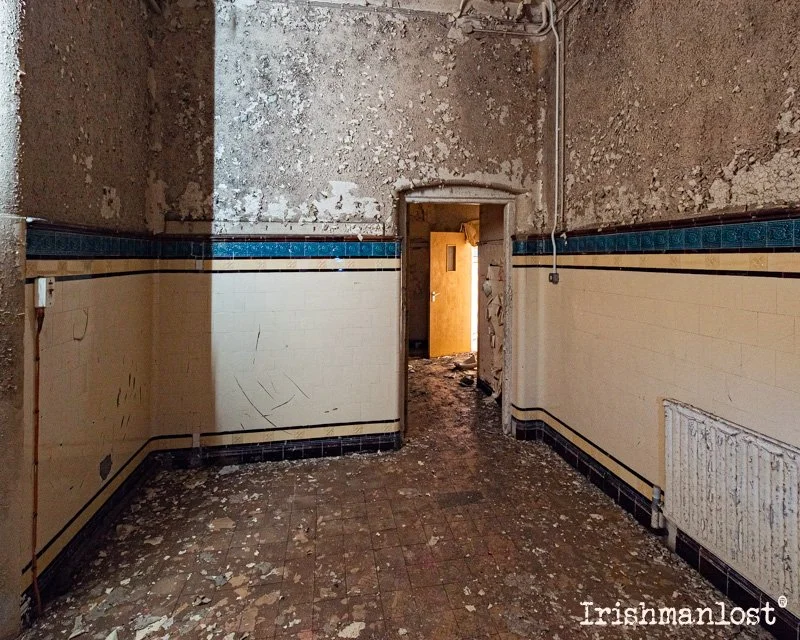
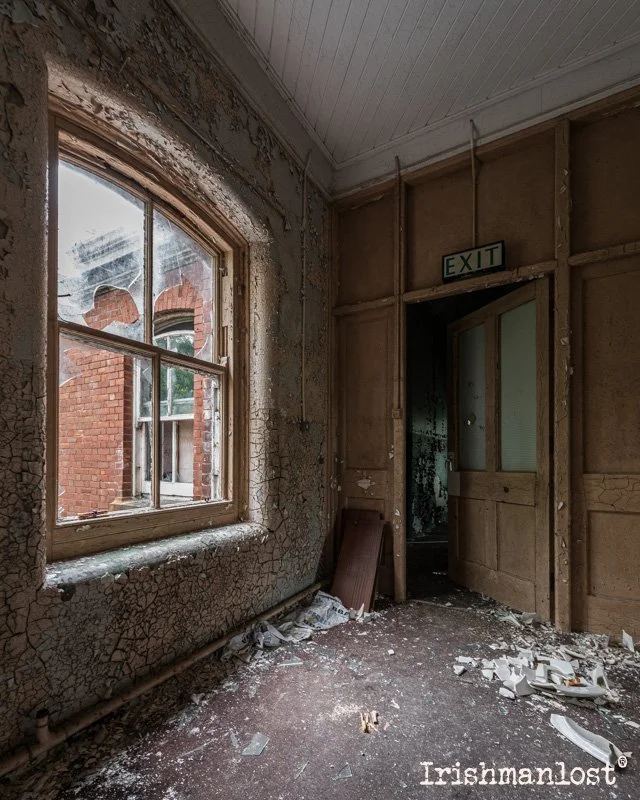
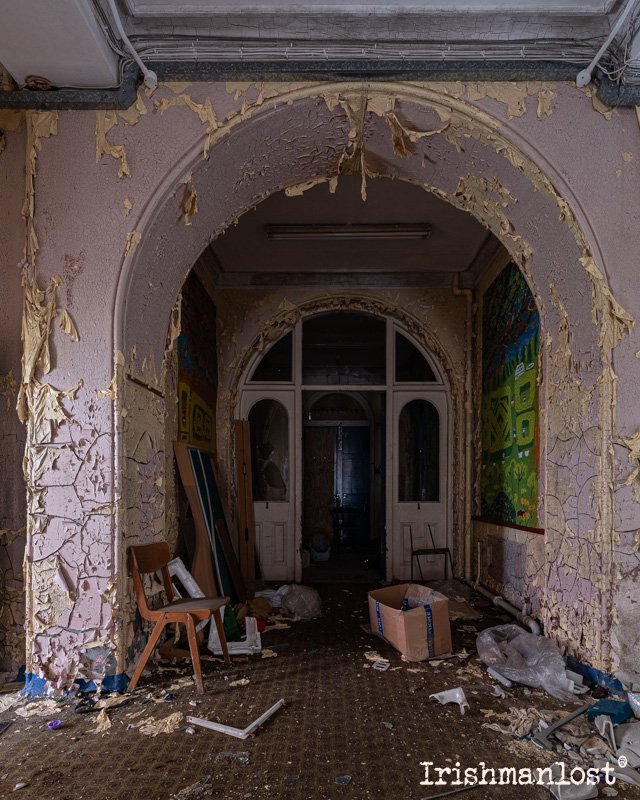
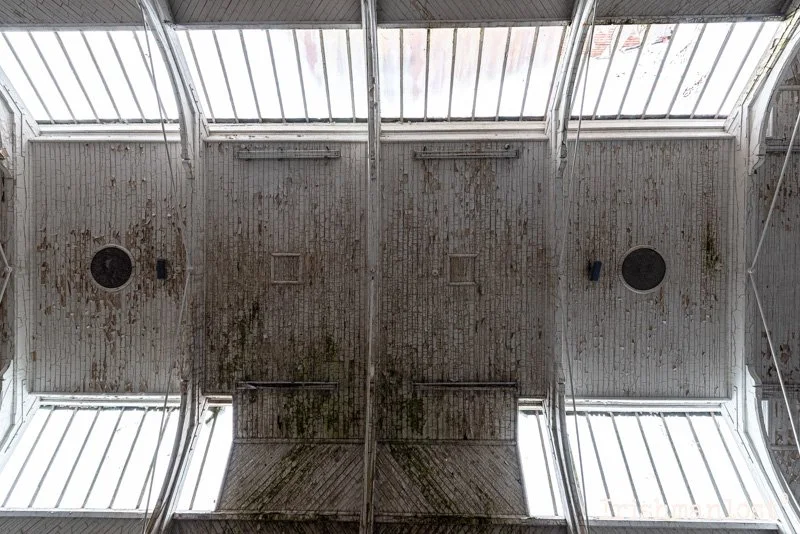
Inside, every corridor seemed to lead somewhere new. Staircases connected seemingly endless wards, while glazed corridors flooded the building with soft natural light despite years of neglect. Decorative Victorian tilework still lined the walls, elegant archways framed forgotten hallways, and the cast-iron roof structures above the conservatories remained largely intact, their glass roofs now giving way to moss, weeds and self-seeded trees. It was impossible not to admire the craftsmanship that had survived more than a century.
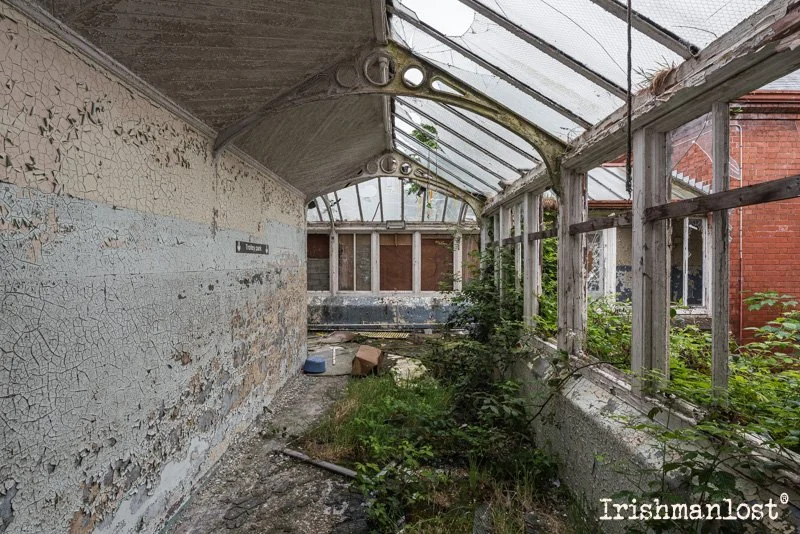
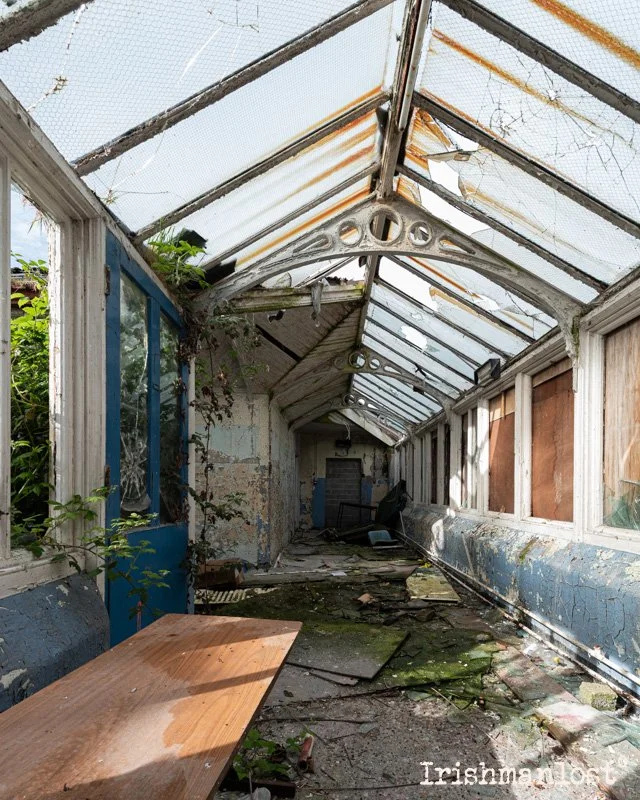
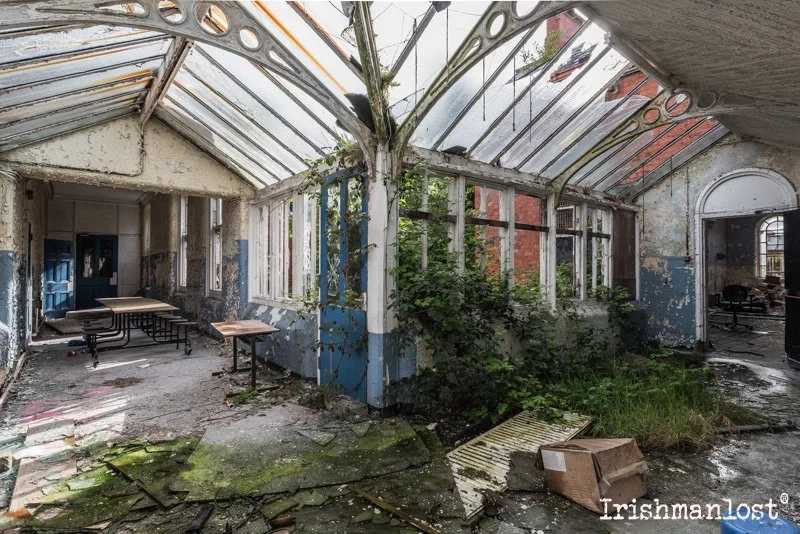
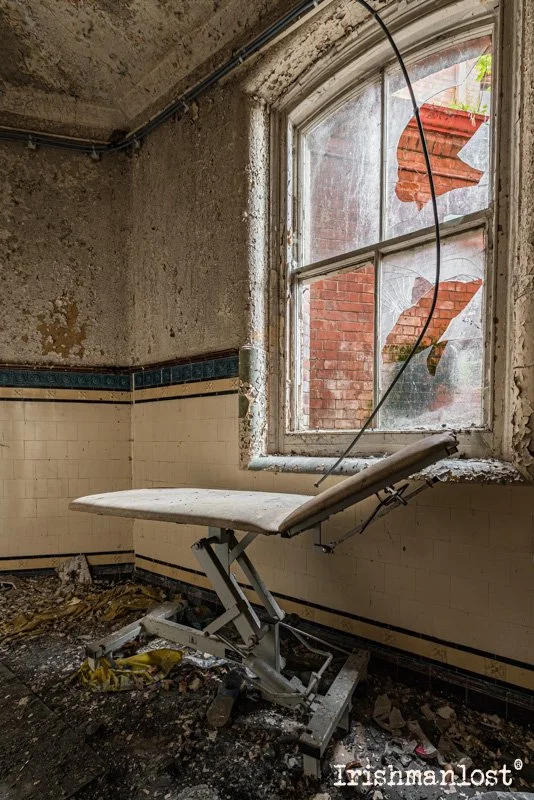
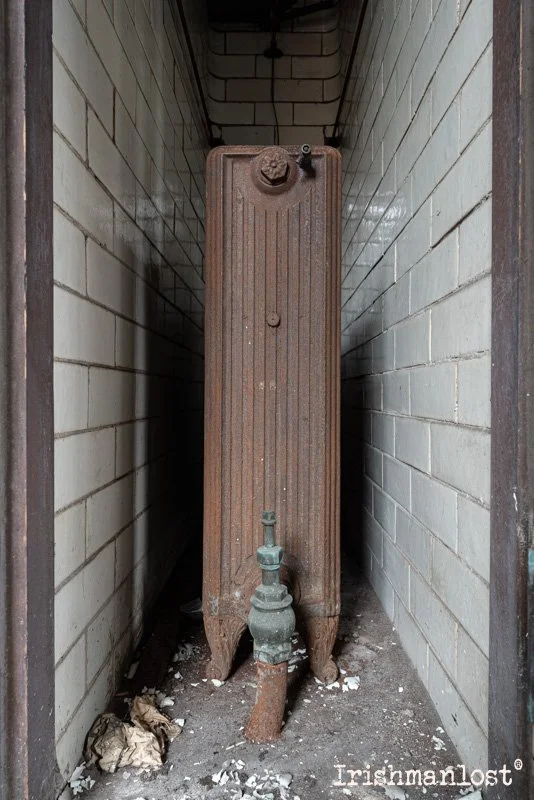
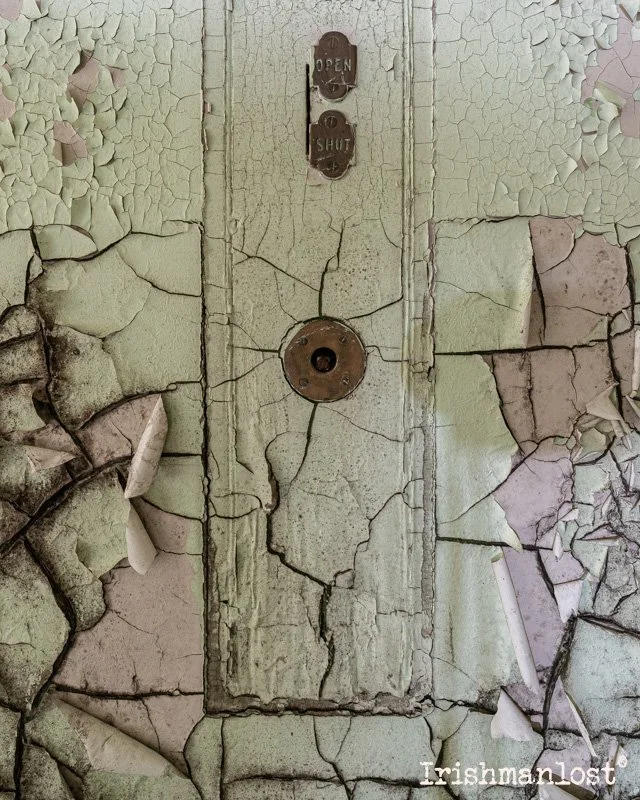
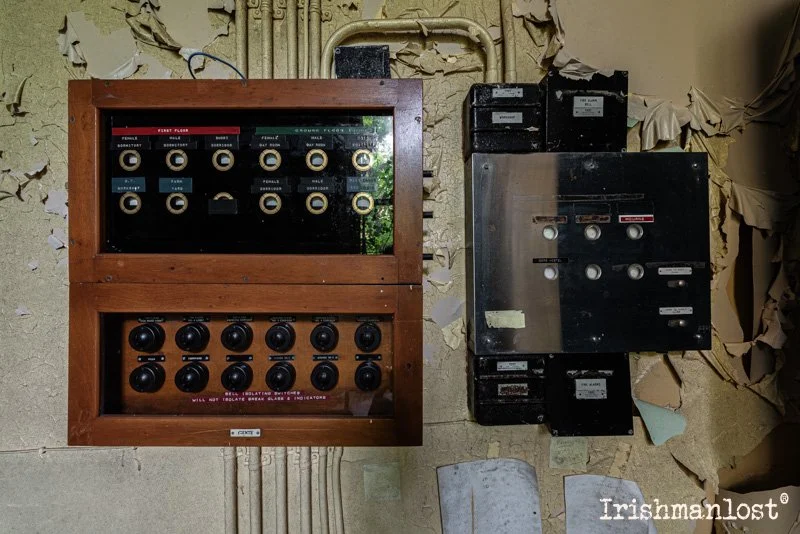
Although abandoned, Gransha retained an extraordinary sense of completeness. Original heating radiators still stood where they had always been, electrical control panels remained fixed to peeling walls, and heavy timber doors continued to divide the wards. Even simple details, such as the original "Open" and "Shut" indicators on forgotten service hatches, hinted at the countless daily routines that once kept this vast institution running. The silence only amplified these details, allowing the building itself to tell its own story.
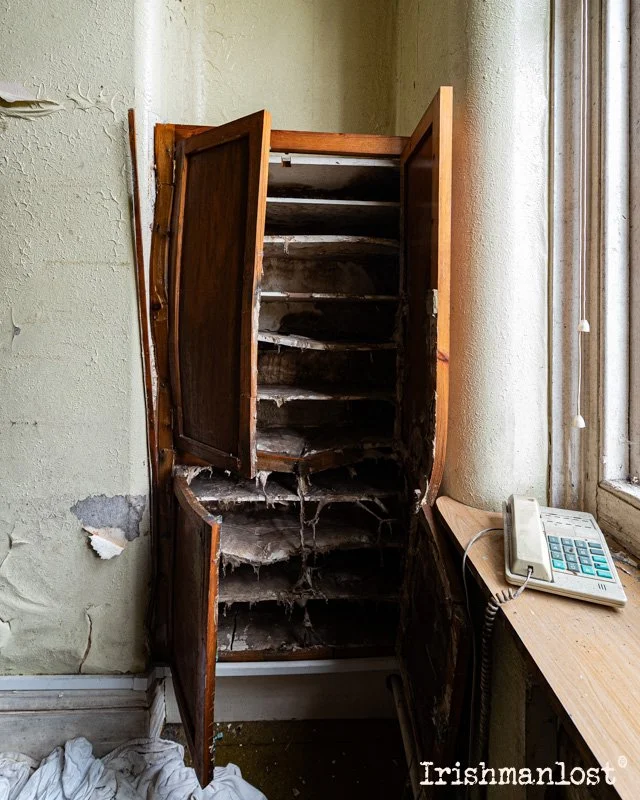
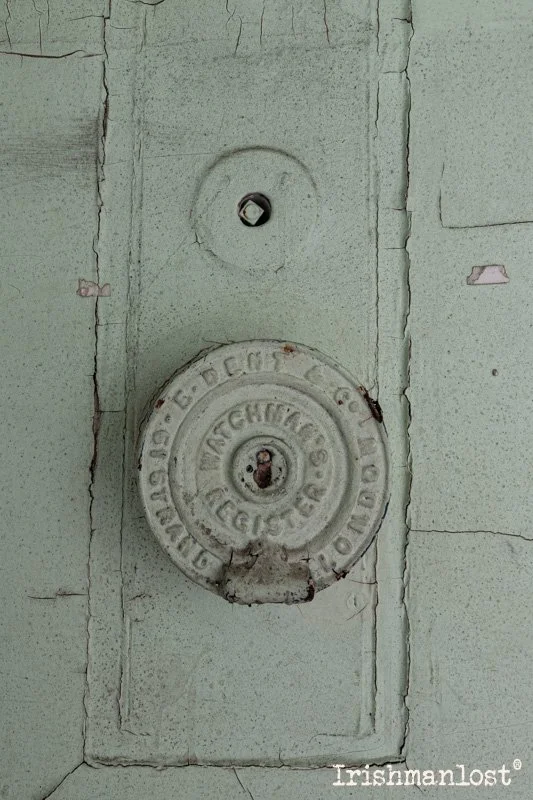
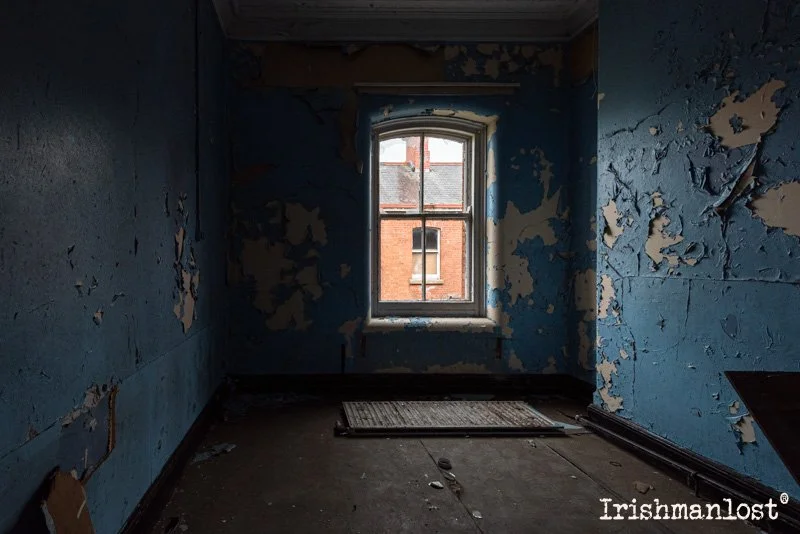
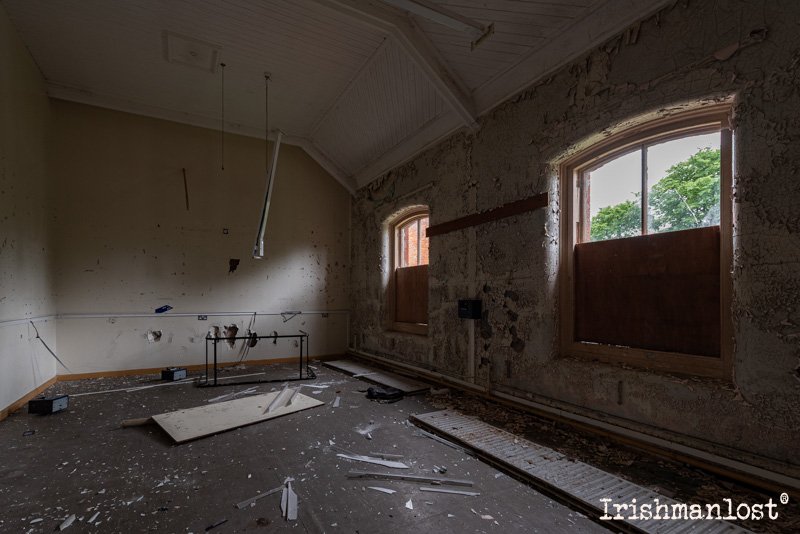
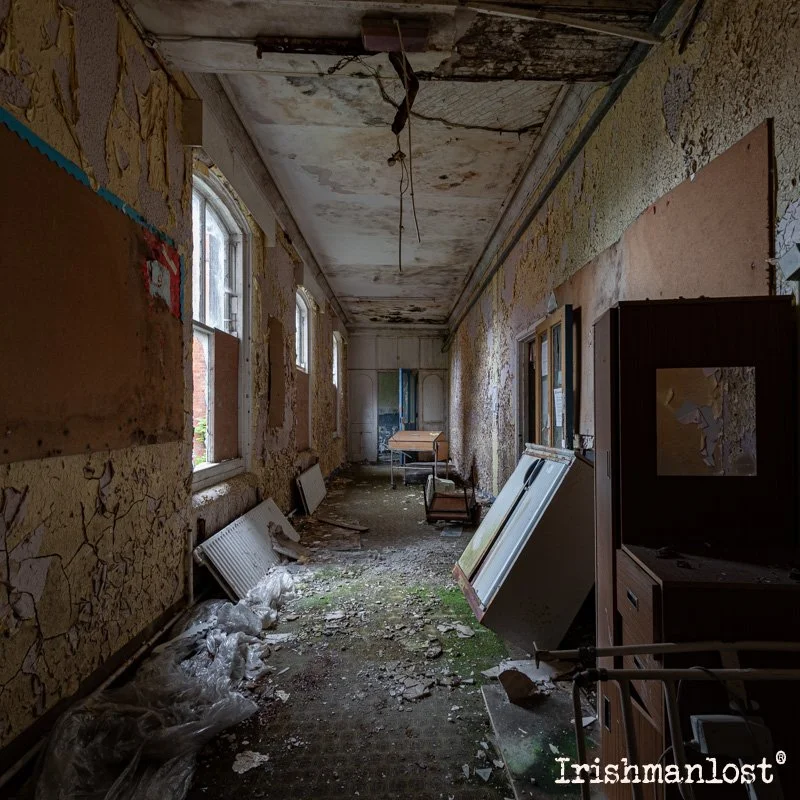
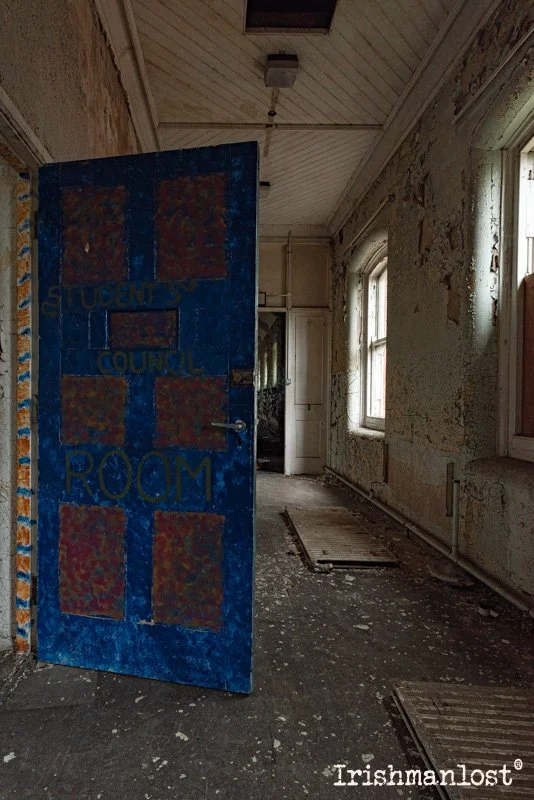
As I wandered deeper into the asylum, reminders of its later years appeared amongst the peeling paint and crumbling plaster. Brightly painted doors marked "Students' Council Room", abandoned classrooms, and scattered school furniture revealed the building's final chapter as the temporary home of Oakgrove Integrated College. It was a striking contrast. These Victorian wards had cared for generations of psychiatric patients before later becoming classrooms filled with children. Seeing the two histories intertwined within the same walls made the building feel all the more remarkable.
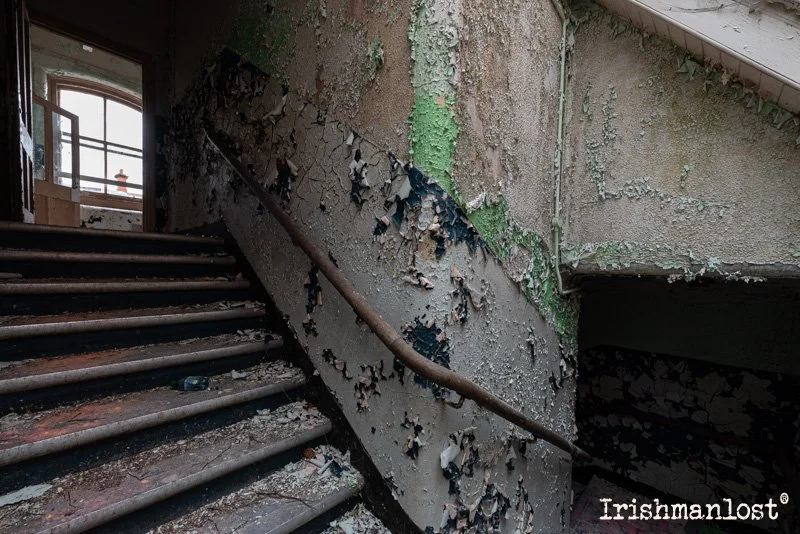
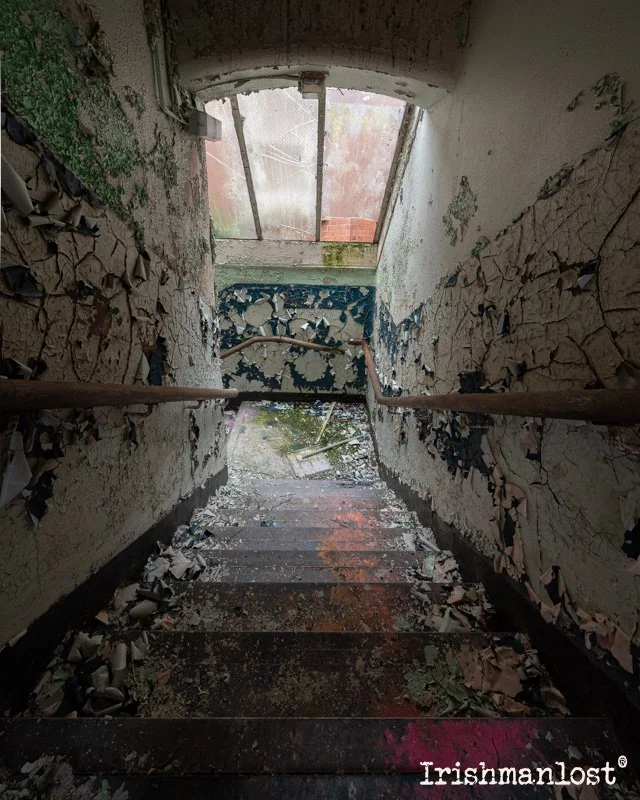
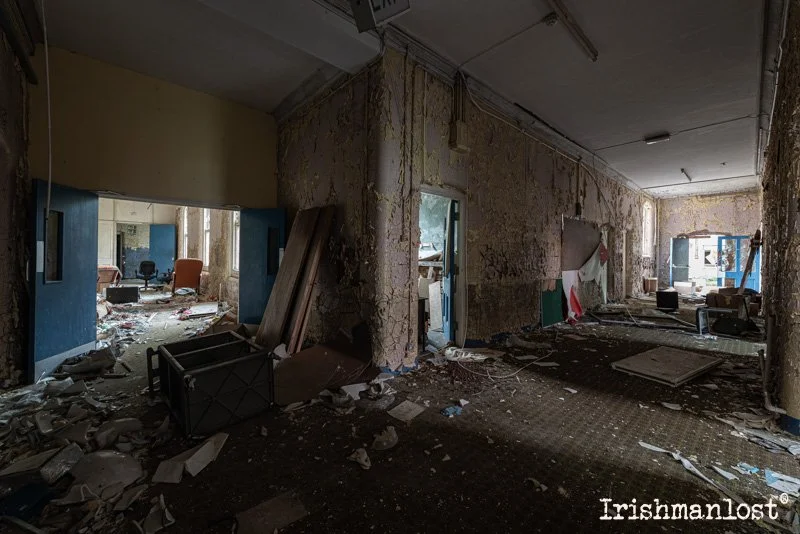
The atmosphere constantly shifted as I explored. One moment I found myself standing beneath soaring vaulted ceilings where daylight poured through long roof lanterns, illuminating acres of peeling paint and collapsing plaster. The next, I was squeezing through narrow service passages or descending staircases where every surface had begun to blister and flake away. Everywhere I looked, there was another detail demanding attention—a forgotten corridor, beautifully glazed brickwork, decorative tiles, cast-iron radiators or another reminder of the thousands of lives that had once passed through these buildings.
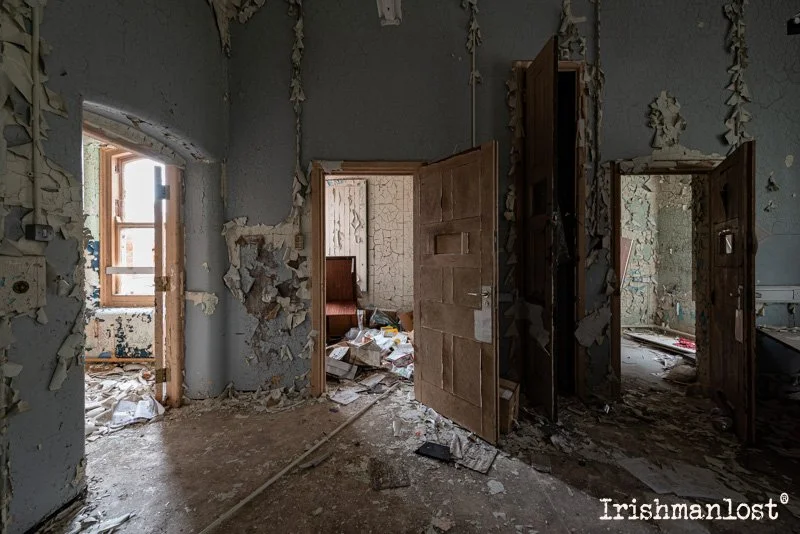
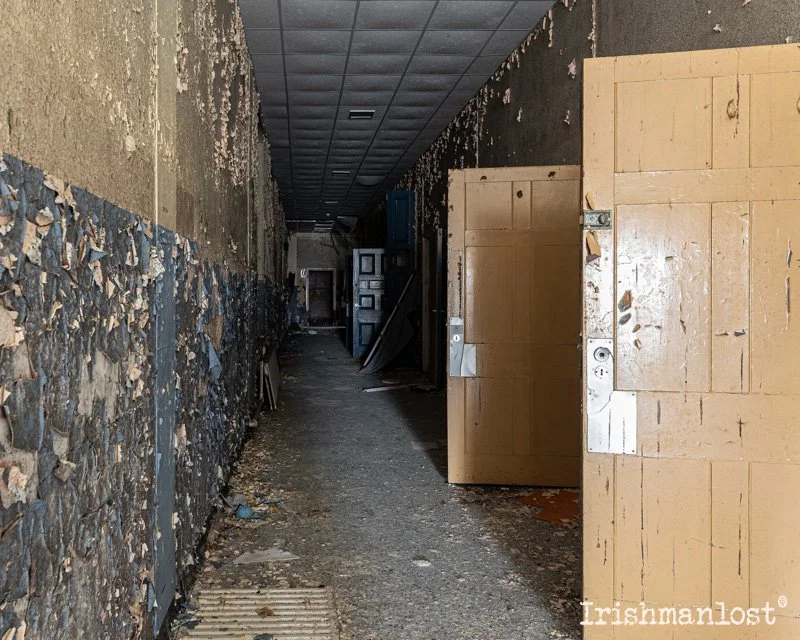
Even then, there were signs that Gransha's future was uncertain. Early acts of arson had already scarred parts of the complex, leaving smoke-blackened ceilings amongst rooms that had otherwise survived remarkably intact. It was impossible not to feel frustrated. Natural decay is part of an abandoned building's story and often adds to its atmosphere, but deliberate destruction erases history forever. Every fire claimed another room, another architectural feature and another irreplaceable piece of one of Northern Ireland's most significant Victorian institutions.
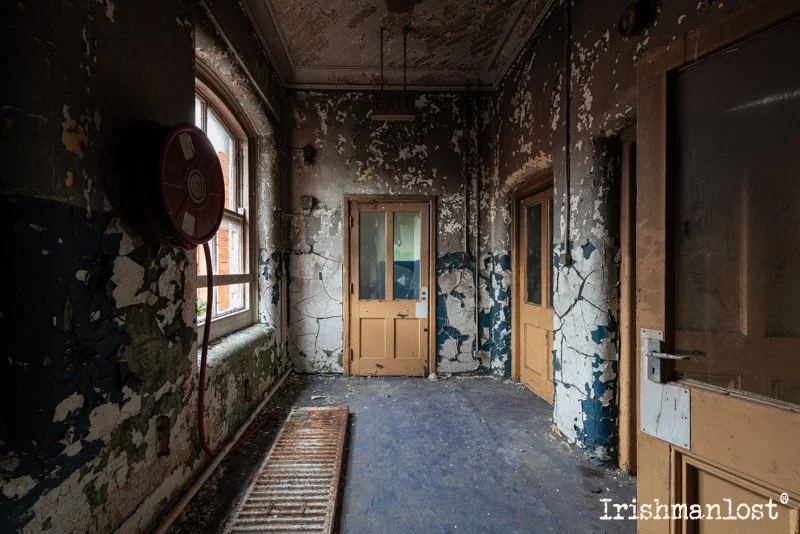
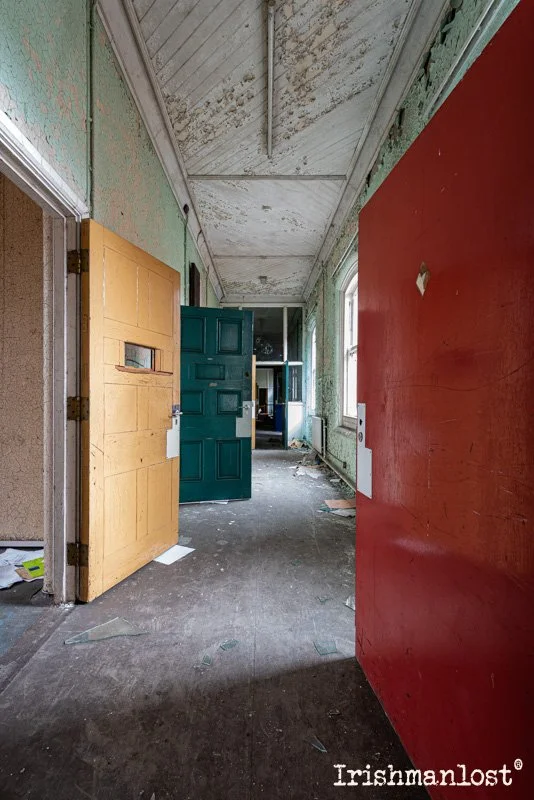
Sadly, time has not been Gransha's only enemy. Years of neglect have been compounded by repeated vandalism and deliberate fires, with several buildings across the historic complex suffering extensive damage at the hands of arsonists. Each blaze has stripped away another piece of the hospital's architectural heritage, leaving sections beyond repair and threatening one of the finest surviving Victorian asylum complexes in Ireland.
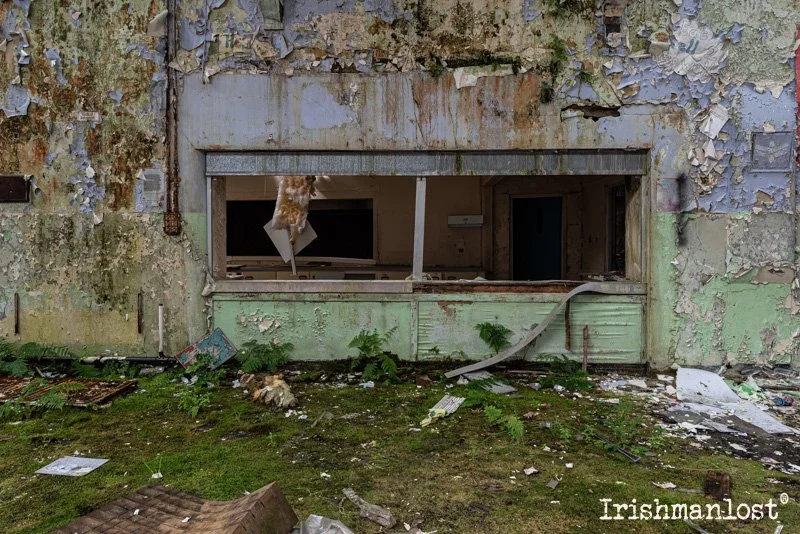
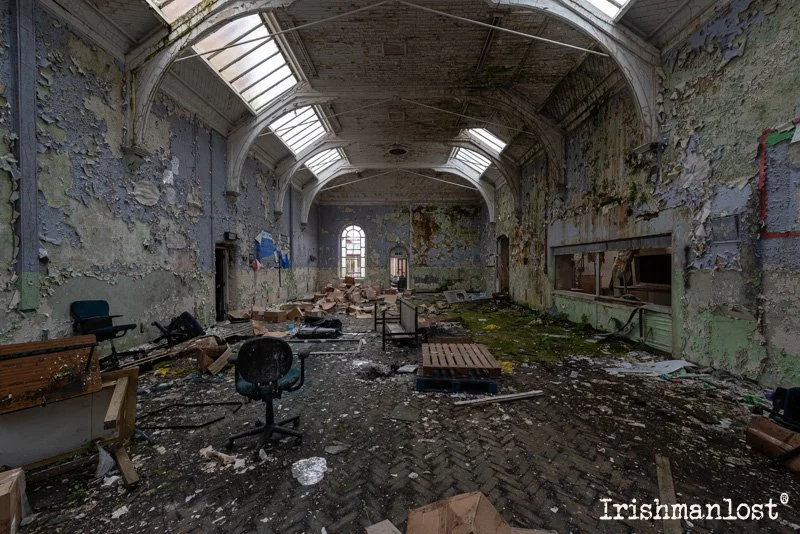
Today, Gransha is only a shadow of the remarkable institution it once was. Although parts of the wider healthcare campus continue to serve modern medical services, the original Victorian asylum has largely been left to the elements. Ivy now creeps across the brickwork, nature steadily reclaims the once meticulously maintained grounds, and silence fills corridors that were once alive with the routines of staff, patients and, later, schoolchildren.
Despite the scars left by fire and decay, Gransha remains one of the most extraordinary places I have explored. It wasn't simply the scale of the asylum that left such an impression, but the atmosphere carried within its walls. Standing amongst such remarkable Victorian architecture, there was a constant awareness that this was a place shaped by countless human stories—of hope, hardship, healing and education. Looking back at these photographs today, many of the spaces they capture have since been damaged or lost forever, making them more than just images of an abandoned asylum. They have become a record of a remarkable chapter in Northern Ireland's architectural heritage before much of it disappeared.
