
Gocean Lodge, Killyleagh
The Forgotten Victorian Home Above Strangford Lough
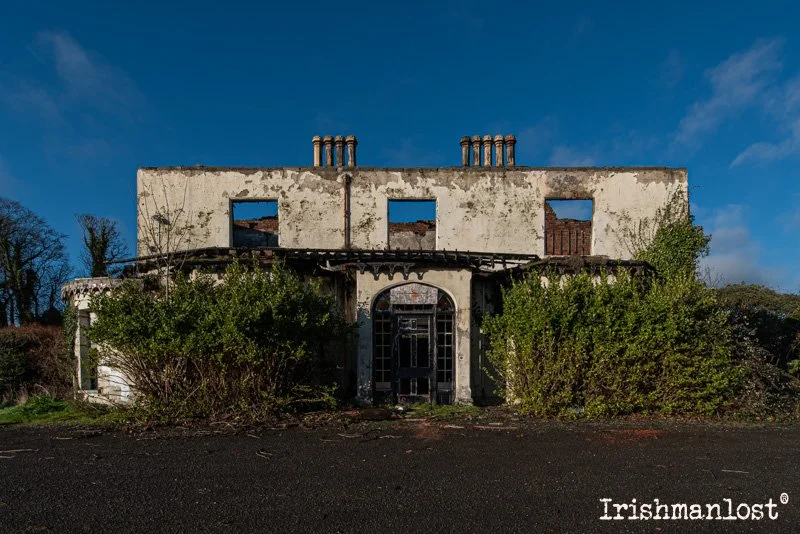
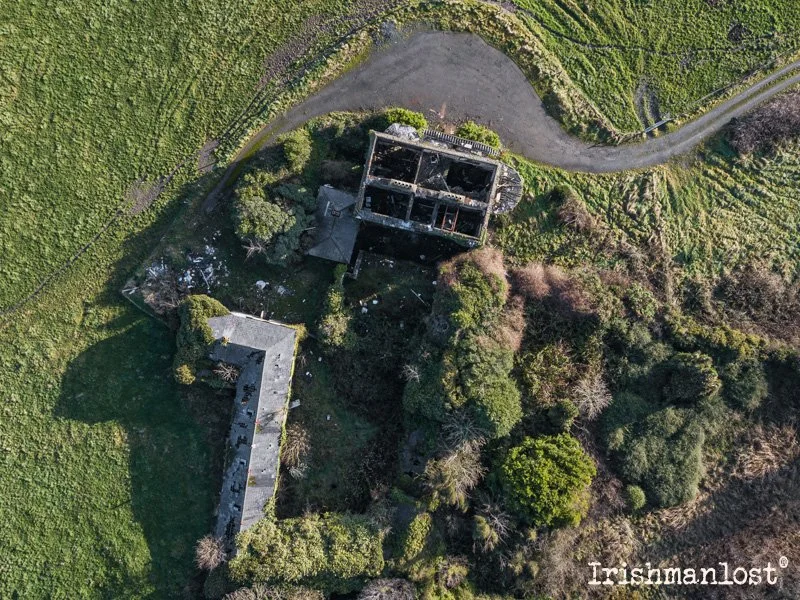
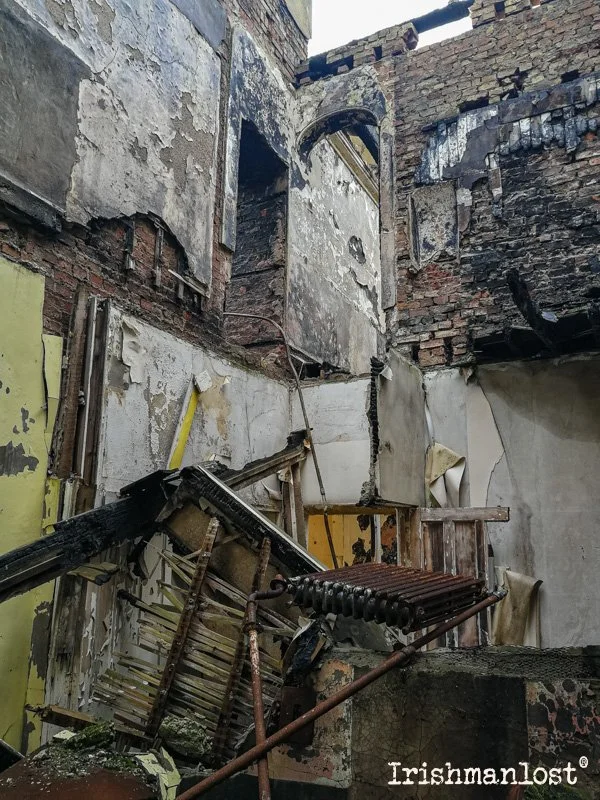
Perched above the shores of Strangford Lough, hidden amongst mature woodland on the outskirts of Killyleagh, County Down, Gocean Lodge was once an elegant country residence commanding sweeping views across one of Ireland's most beautiful coastlines. Today, little remains but a fire-ravaged shell, another victim of abandonment, vandalism and time.
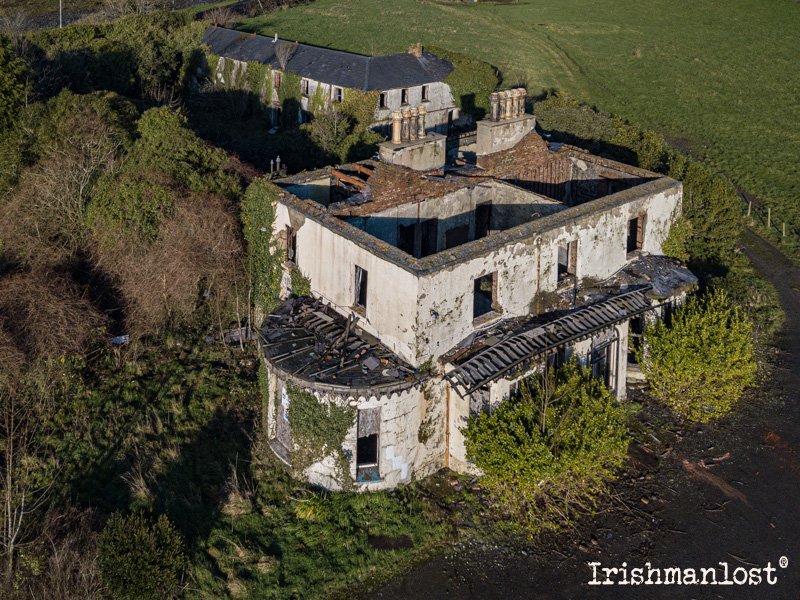
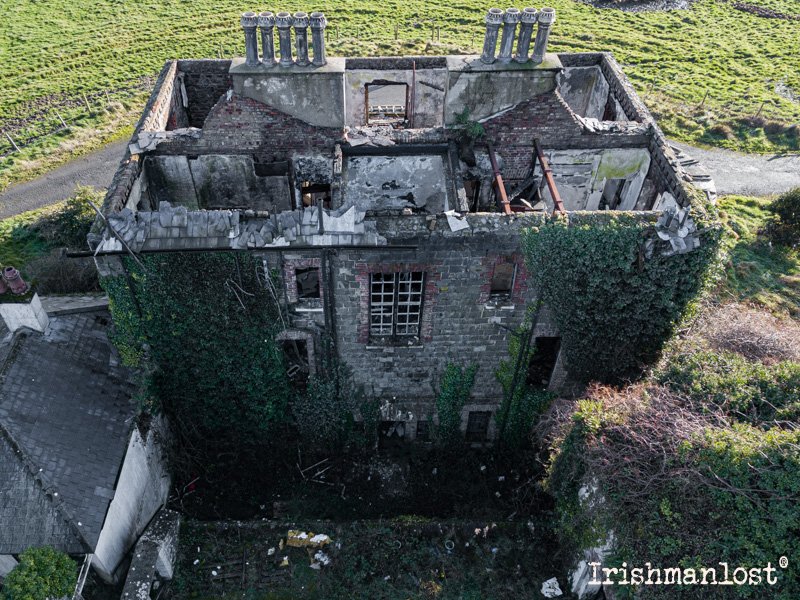
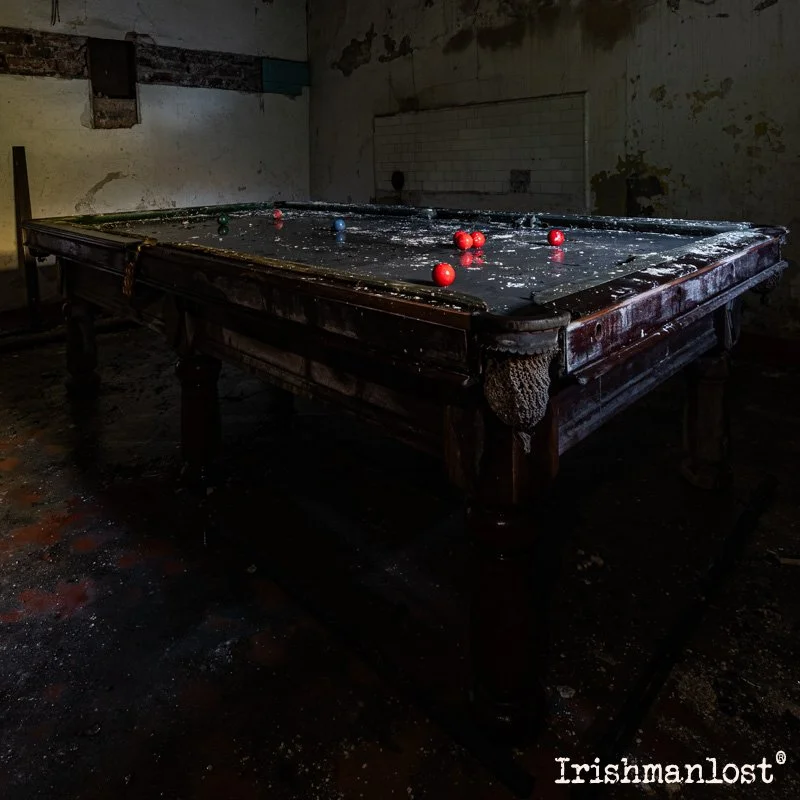
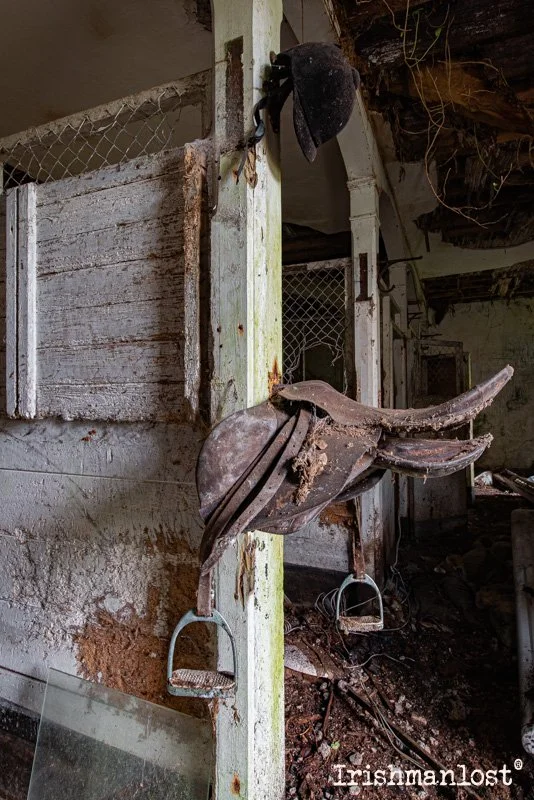
Like many of Ireland's country houses, Gocean Lodge was far more than just a family home. It was a working estate. Behind the house stood a range of stables that once housed the family's horses, while below stairs, cooks, maids and servants worked tirelessly to keep the household running. During my visit, fragments of riding equipment could still be found amongst the rubble, subtle reminders of the estate's equestrian past. In the basement sat the remains of an old snooker table—a glimpse into a home that once balanced hard work with quiet moments of leisure.
As the twentieth century progressed, the house gradually slipped into decline. Yet by the turn of the millennium, there was renewed hope that Gocean Lodge might begin a new chapter. In 2000, Ravenblack Developments unveiled ambitious plans for a £35–53 million redevelopment of the estate. The proposal centred around a 140-berth inland marina overlooking Strangford Lough, accompanied by around 335 homes and apartments, a craft centre and woodland walks. Supporters believed the development would bring much-needed investment and tourism to the area.
Others saw something very different. Environmental organisations fiercely opposed the scheme, warning that such a large development would threaten the internationally important habitats surrounding Strangford Lough. After years of public debate, the proposal was formally rejected in 2004 on environmental grounds.
A revised plan followed in 2005 that would have seen Gocean Lodge sympathetically converted into a nursing home. It appeared to offer the building a future while preserving its historic character. Unfortunately, like so many projects of that era, the plans became another casualty of the financial downturn. The developers entered receivership in 2011, and once again the house was left standing empty. What happened next has become an all too familiar story across Ireland.
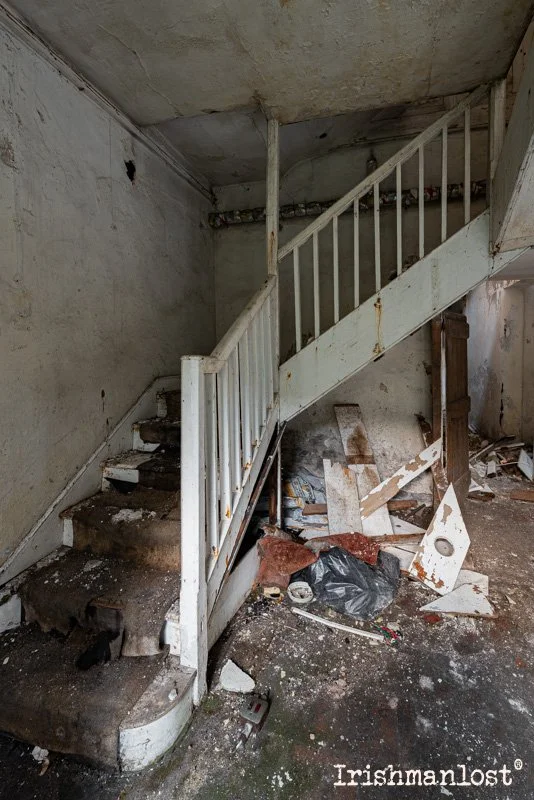
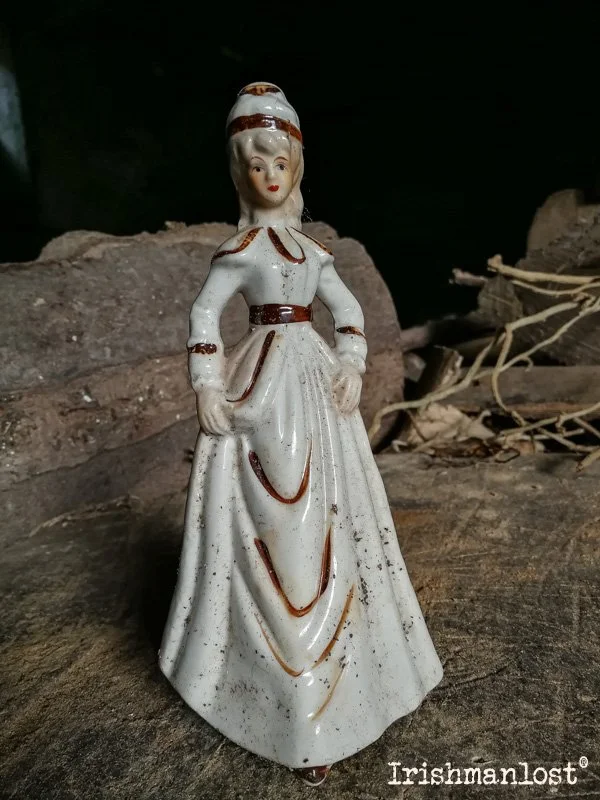
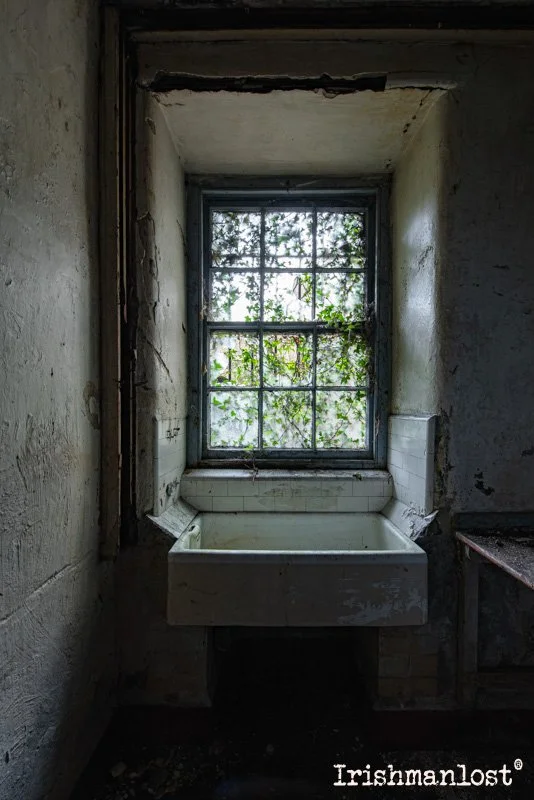
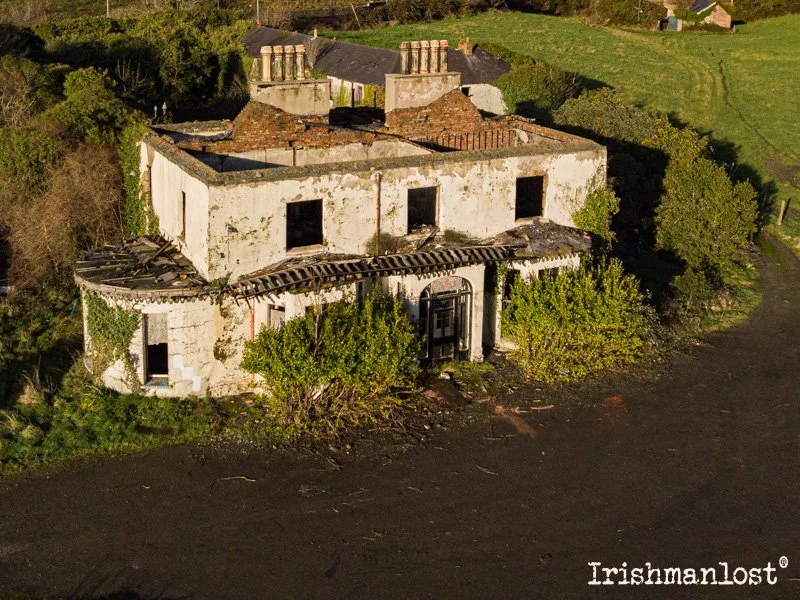
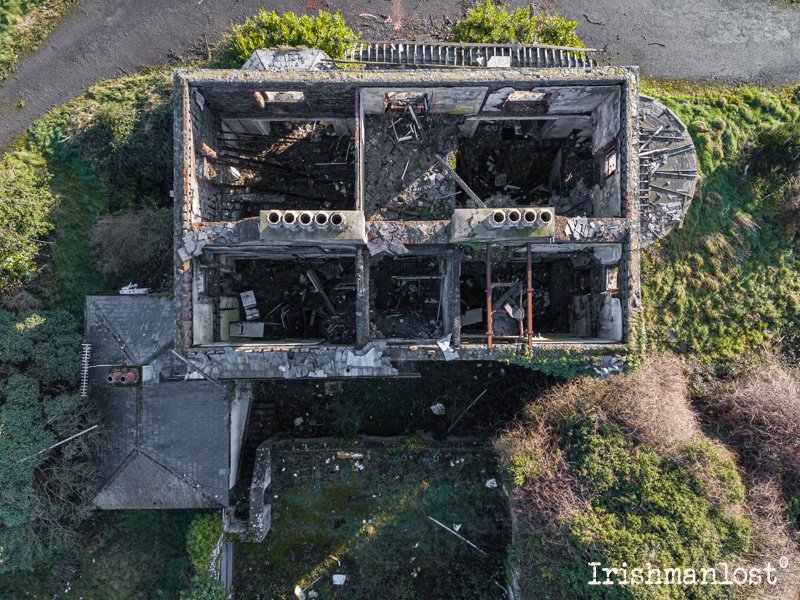
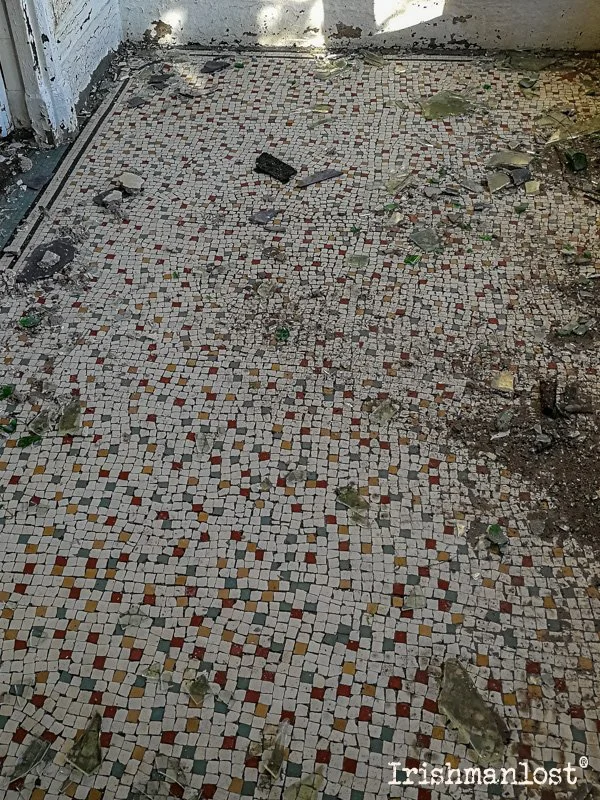
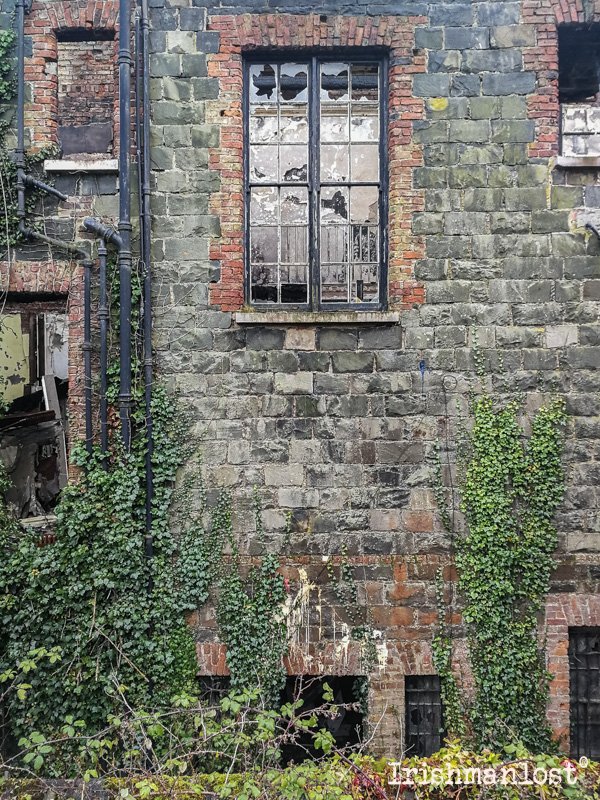
An empty building rarely stays untouched for long. In November 2017, arsonists set fire to Gocean Lodge, gutting almost the entire interior. Decades of architectural craftsmanship disappeared in a single night. Decorative plasterwork, timber floors and elegant reception rooms that had survived years of neglect were reduced to charred ruins, leaving behind only the shell that stands today. Despite the devastation, traces of the house's former elegance still remained when I visited. Squeezing through one of the front windows, I was able to photograph one of the surviving ceiling roses—simple in design but beautifully crafted. Nearby, the remains of the grand staircase still clung stubbornly to the walls, while the entrance porch offered another reminder of the quality of workmanship that once defined the house.
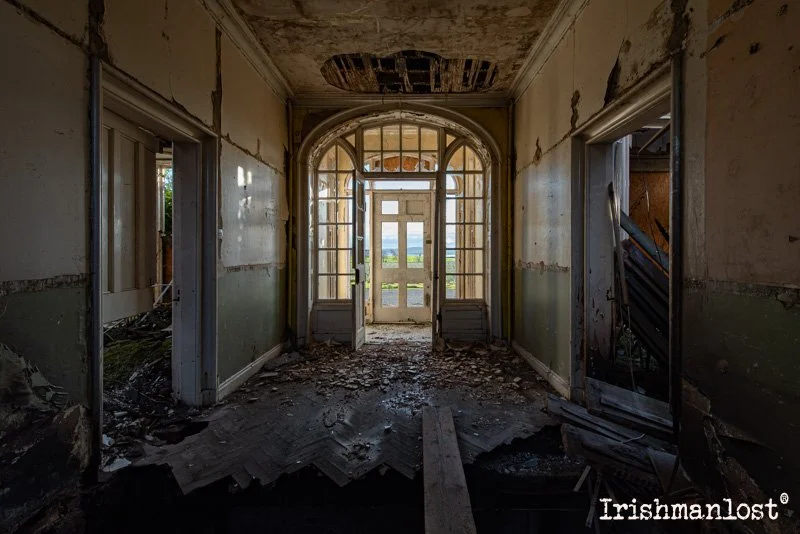
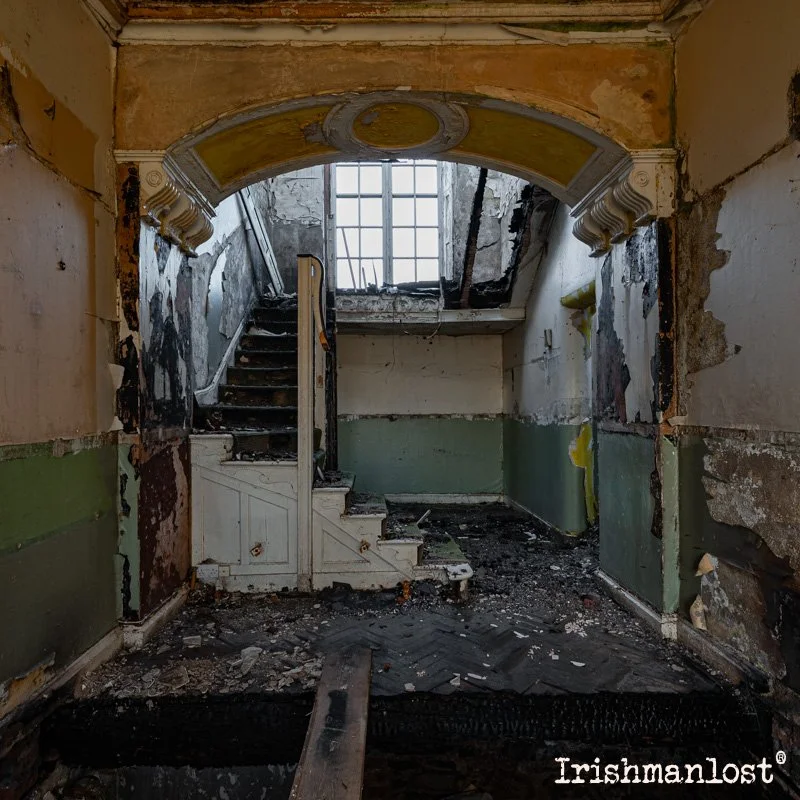
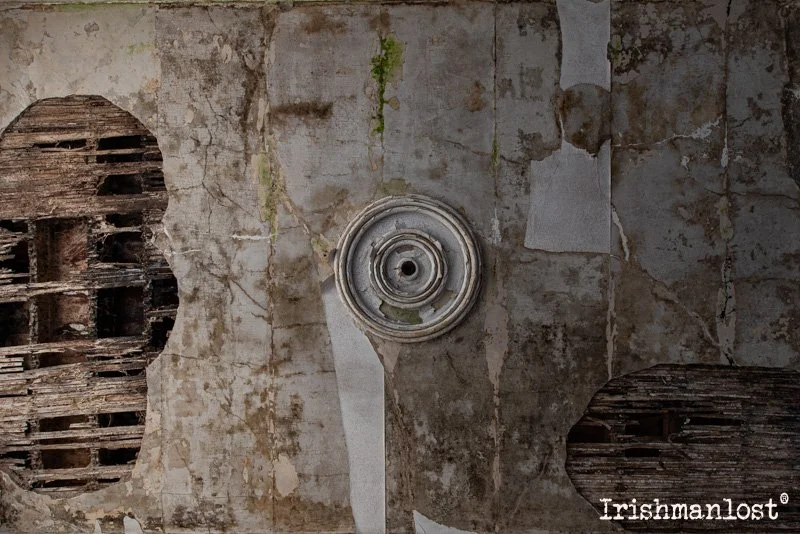
Access beyond that point was impossible without taking unnecessary risks. Most of the floors had collapsed, and many rooms had been completely destroyed by the fire. With little of the interior left to explore safely, the drone provided a different perspective. From above, the true scale of the estate revealed itself. The surviving stables, mature woodland and commanding position overlooking Strangford Lough painted a picture of the house as it once was. Even in ruin, Gocean Lodge retained an undeniable presence, its elevated setting making it easy to understand why it had once been such a desirable family residence.
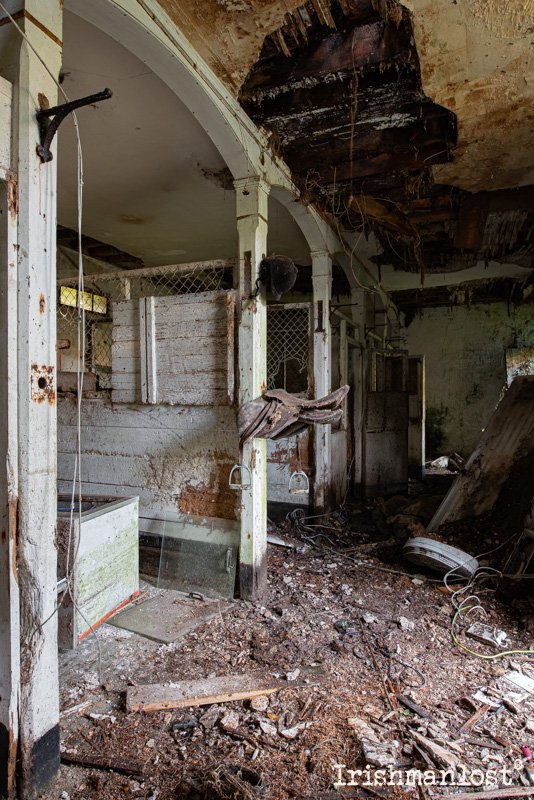
Today, Gocean Lodge stands as another casualty of failed redevelopment, neglect, vandalism and arson—a story shared by far too many of Ireland's abandoned country houses. Although much of the building has now been lost, its surviving walls continue to overlook the lough just as they always have, preserving the memory of a once-proud home and the lives that unfolded within it.
If you have any old photographs of Gocean Lodge before it fell into ruin, or memories of the house when it was still occupied, I'd love to hear from you. Perhaps you or a family member worked there, visited the estate, or remember life around the property before it was abandoned.
These personal stories and photographs are an important part of preserving Ireland's disappearing heritage. Every memory helps piece together the history of places like Gocean Lodge before they are lost forever, ensuring they continue to be remembered long after the buildings themselves have disappeared.
