
The Palladium Cinema, Ballymoney
From “The Ranch” to ruin — remembering a lost landmark and the memories it left behind.
There was a time when every town in Ireland had its cinema. Before television flickered into living rooms and before films could be streamed instantly at home, the cinema was where people gathered. It was where stories unfolded on a giant screen, where news from the wider world arrived in moving images, and where entire communities escaped for a few hours into the glow of projected light.
In Ballymoney, that place was the Palladium.
Standing on High Street, the Palladium Cinema opened its doors in September 1936, built during the golden age of picture houses. Across Ireland and Britain, cinemas were appearing in towns both large and small, symbols of modern entertainment and a sign that film had become the dominant cultural experience of the era. For Ballymoney, the arrival of a purpose-built cinema was a significant moment. Before this, films had been shown in temporary spaces such as parish halls or community venues. The Palladium gave the town a permanent home for cinema.
The building itself reflected the modest but confident style of the mid-1930s cinema boom. While it may not have had the grandeur of the great city cinemas of Belfast or Dublin, it still carried the character of its time. Its façade faced confidently onto High Street, and at night the illuminated entrance would have drawn people in. For a small town, it must have felt like something special, a gateway to the wider world.
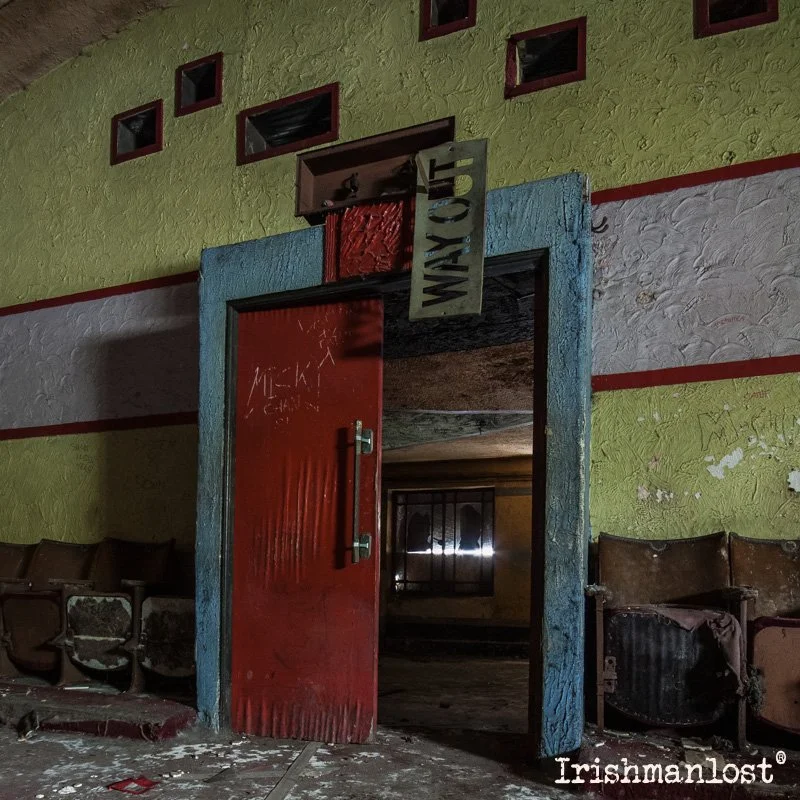
The building itself reflected the modest but confident style of the mid-1930s cinema boom. While it may not have had the grandeur of the great city cinemas of Belfast or Dublin, it still carried the character of its time. Its façade faced confidently onto High Street, and at night the illuminated entrance would have drawn people in from the street. For a small town, it must have felt like something special, a gateway to the wider world.
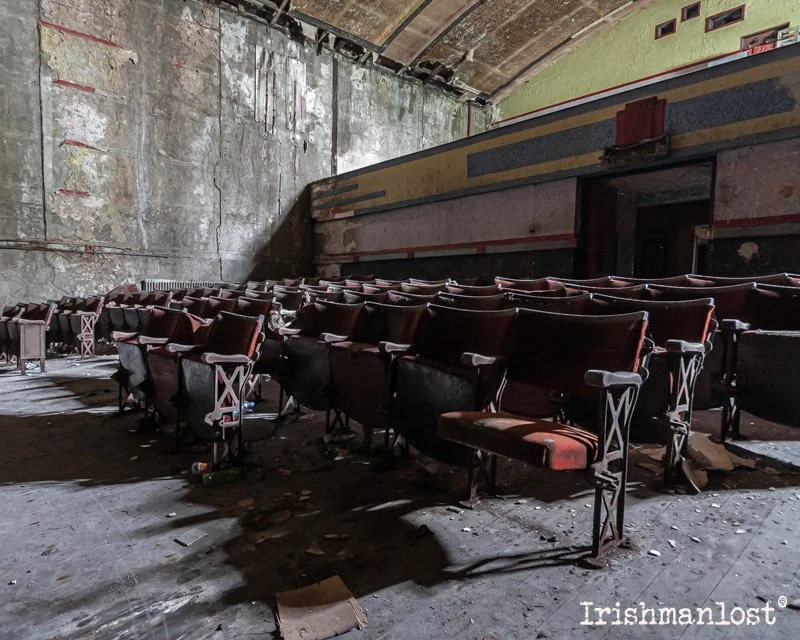
Inside, the auditorium could hold several hundred people. Rows of seats stretched out towards the screen, and above them the beam of the projector cut through smoke and dust as the reels turned. For many people in Ballymoney, stepping inside the Palladium would have been their first real encounter with cinema.
A visit to the pictures in the 1930s and 1940s was very different from what it is today. The programme rarely consisted of just one film. Instead, audiences were treated to a mixture of entertainment: newsreels, short films, cartoons and sometimes serials that continued week after week. During the Second World War, those newsreels became particularly important. Television was still rare, and newspapers could only describe events in print. The cinema allowed people to see the war unfolding with their own eyes.
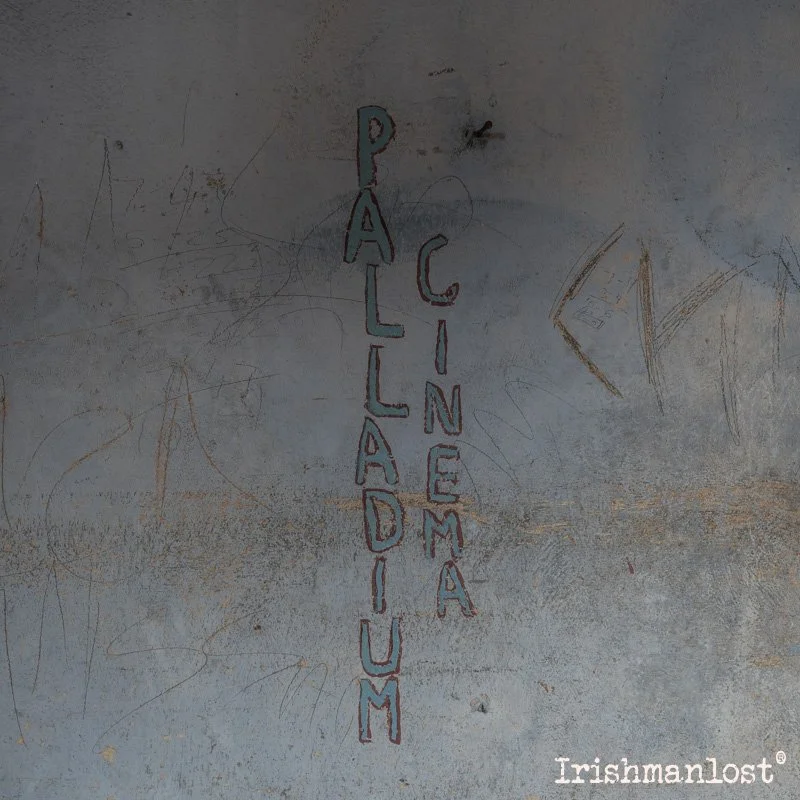
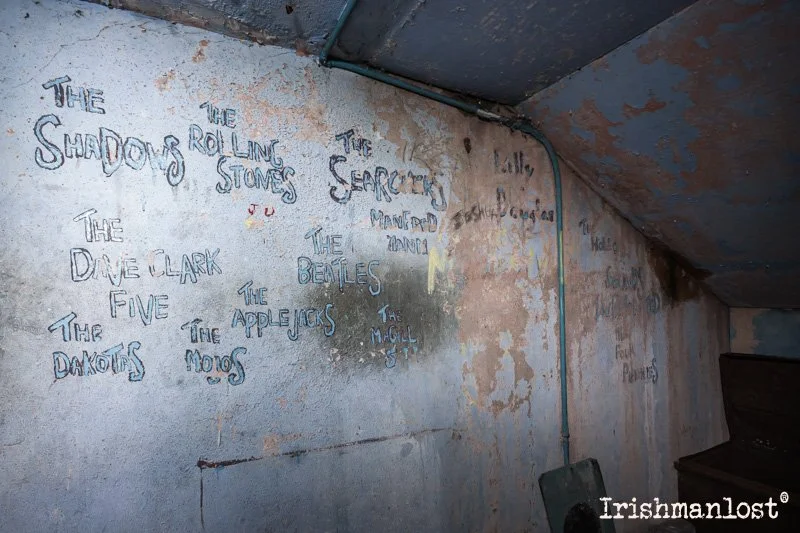
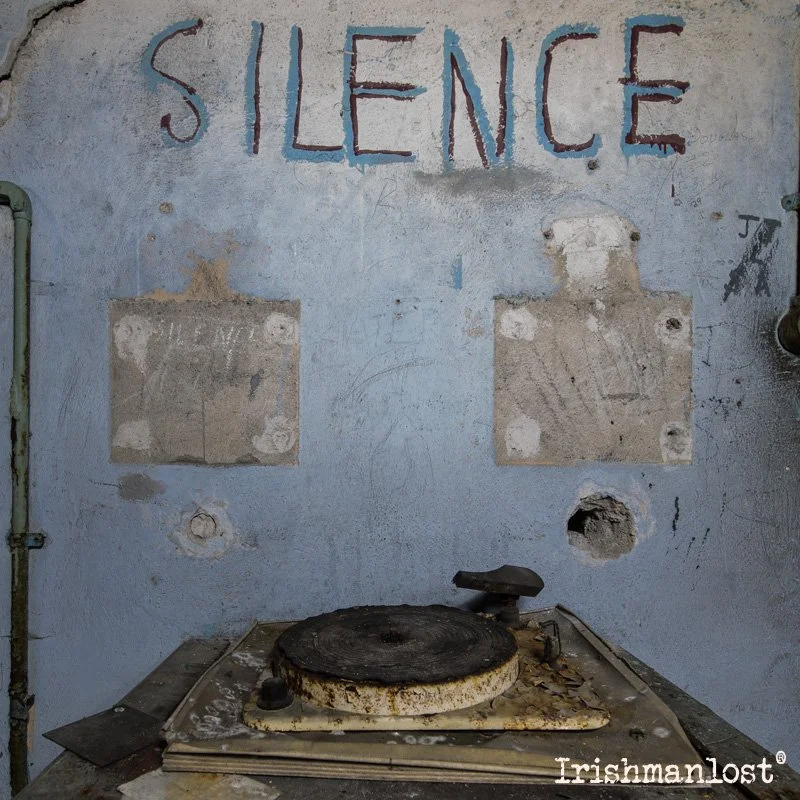
Yet the Palladium became best known for something a little less serious — its love of Westerns.
Cowboy films were shown there so frequently that the cinema gained a nickname among locals: “The Ranch.” Week after week, audiences watched stories of sheriffs, outlaws and dusty frontier towns unfold across the screen. Heroes like John Wayne rode through landscapes that must have felt a world away from County Antrim, yet the crowds in Ballymoney embraced them enthusiastically.
Saturday matinees were particularly popular. Children would pack the cinema for an afternoon of adventure, cheering the heroes and shouting at the villains. Cinemas in those days were lively places. Audiences reacted loudly to the action, laughing, clapping or even shouting advice to the characters on screen. It was a shared experience in a way that modern cinema rarely captures.
Although primarily a cinema, the Palladium occasionally hosted live performances as well. Ballymoney already had a strong theatrical tradition, and buildings like the Palladium were flexible spaces that could accommodate stage productions when required. Local drama groups and visiting performers sometimes used the venue, adding another dimension to its role in the town’s cultural life.
For more than three decades, the Palladium served the community. Generations passed through its doors. Couples went there on early dates, families brought children to weekend screenings, and friends gathered to see the latest films arriving from Hollywood. It became part of the rhythm of everyday life in Ballymoney.
But by the 1960s, the cinema industry was changing rapidly.
But by the 1960s, the cinema industry was changing rapidly.
Television had arrived.
As televisions became common in homes across Ireland and Britain, cinema audiences began to shrink. People no longer needed to leave the house to be entertained. Small-town cinemas were hit particularly hard, and many began to close their doors.
The Palladium’s story came to an end in May 1969. The final film shown there was Planet of the Apes, released the year before. As audiences watched Charlton Heston wander through a strange and uncertain future on screen, the cinema itself was quietly reaching the end of its own journey.
When the lights came up after that final screening, more than thirty years of cinema in Ballymoney had come to a close.
Photographs taken on the closing day show staff gathered outside the entrance, capturing a moment that must have felt heavy with nostalgia. Behind those doors were decades of memories — laughter, excitement, and the simple thrill of seeing stories brought to life on the big screen.
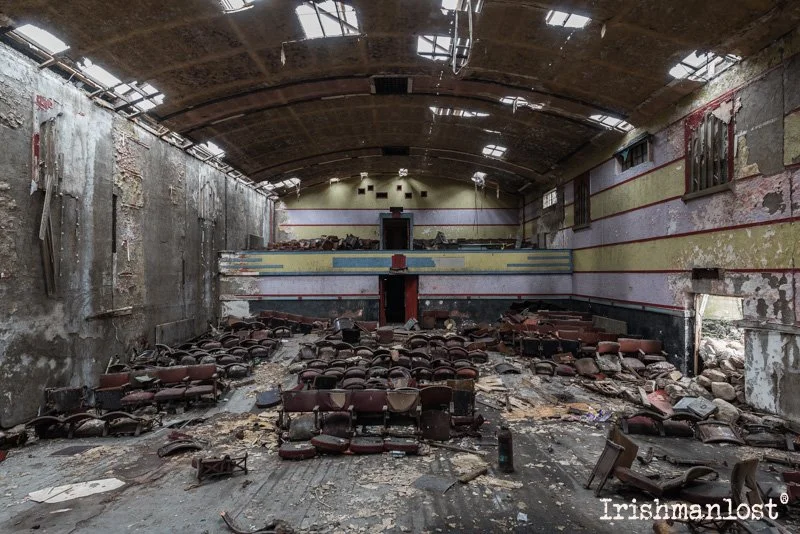
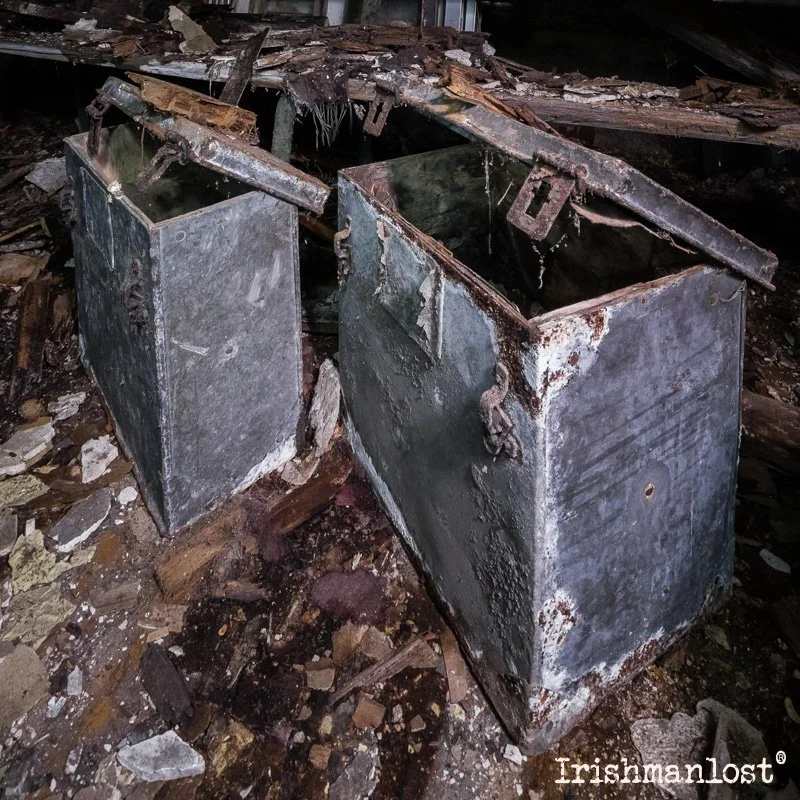
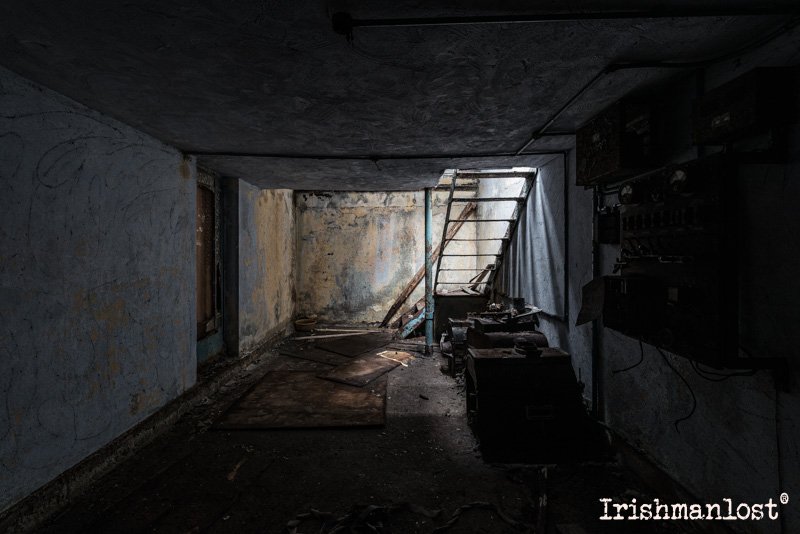
Years later, I found myself stepping inside the Palladium.
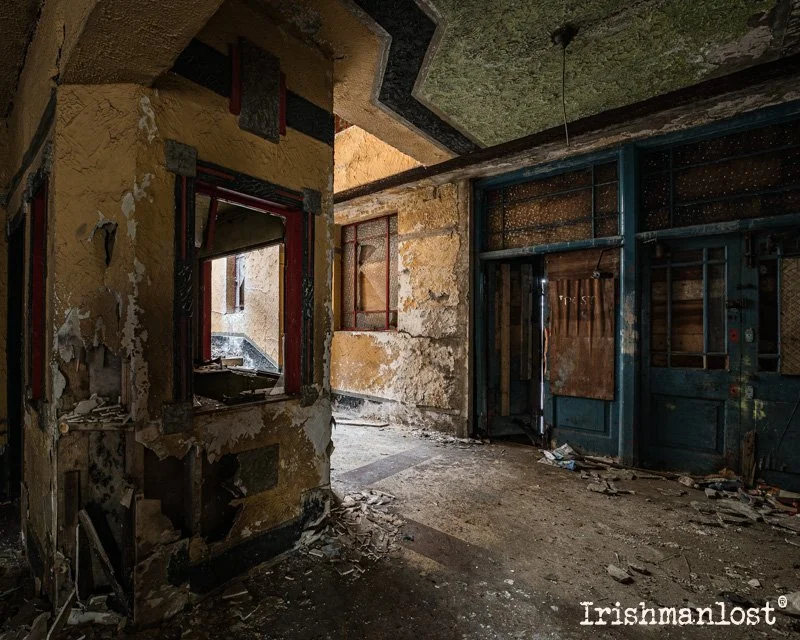
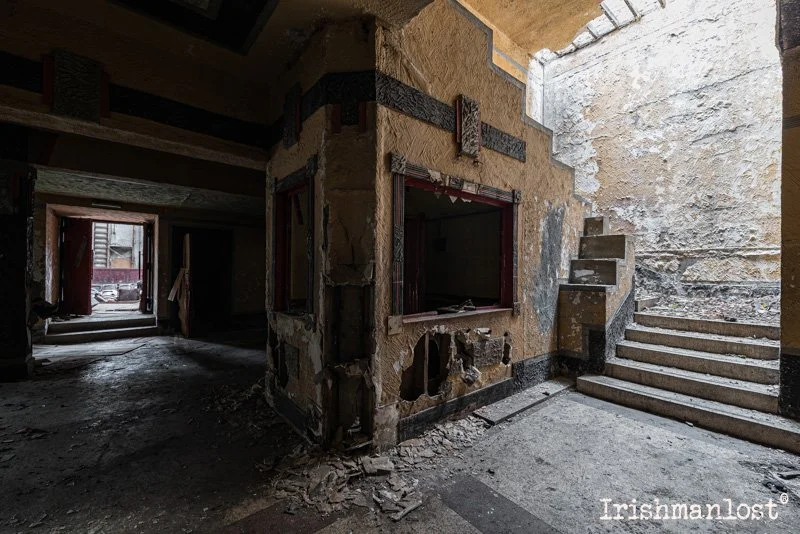
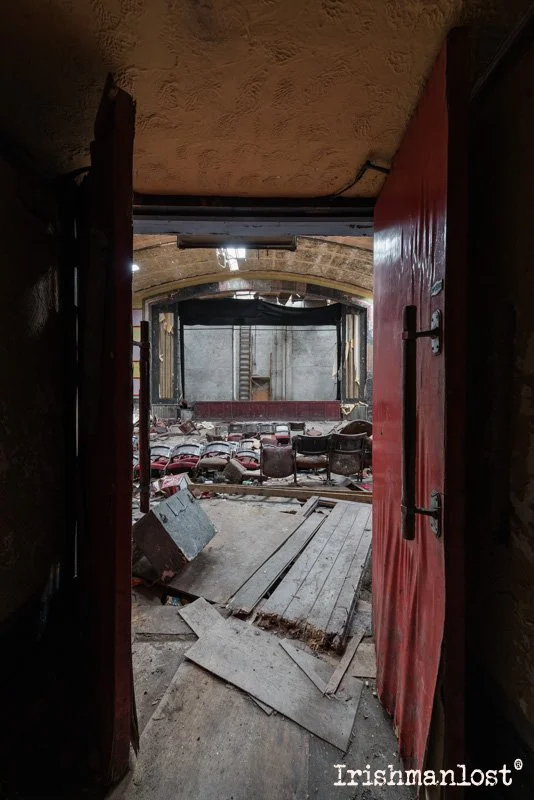
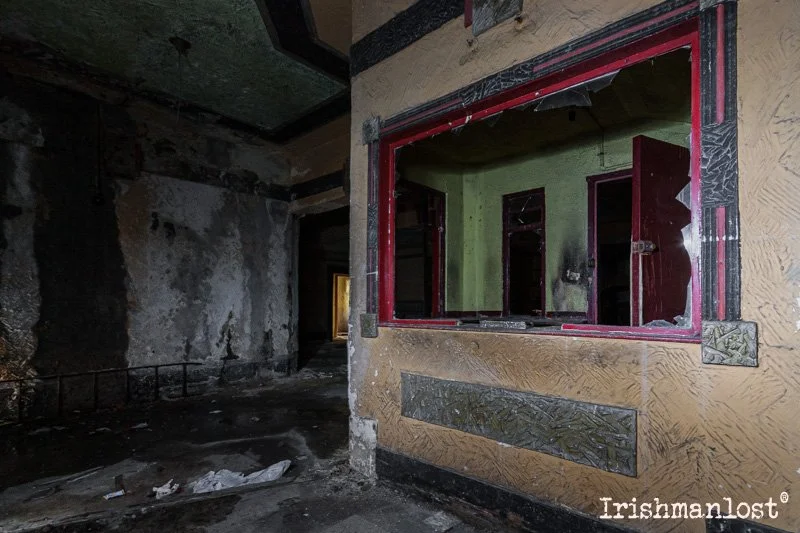
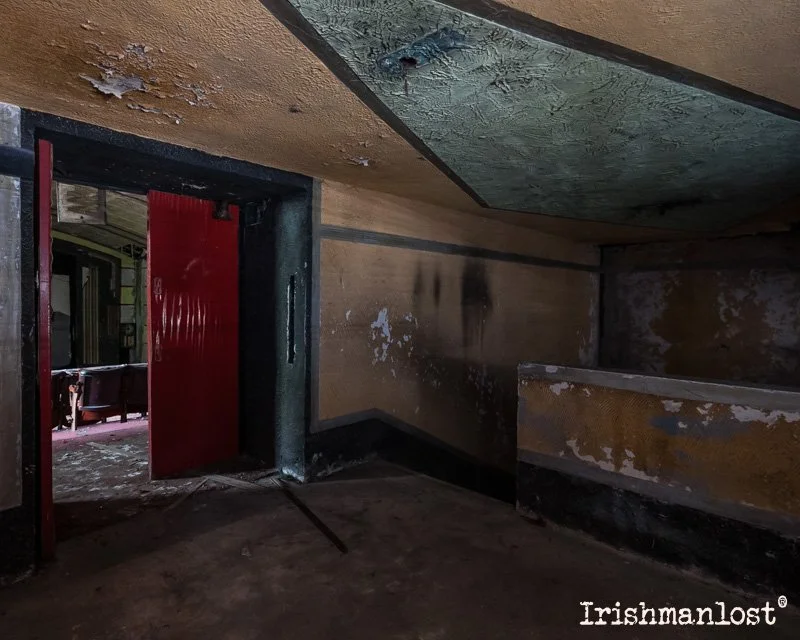
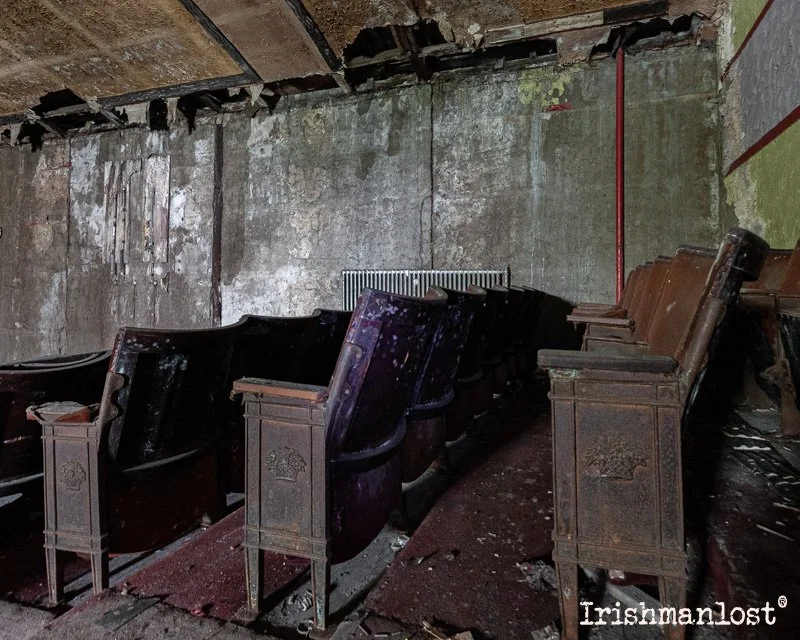
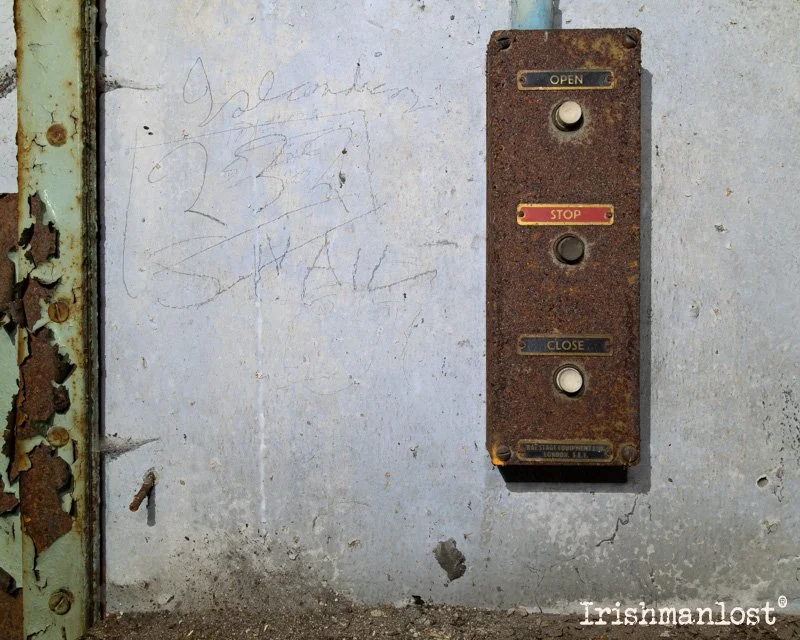
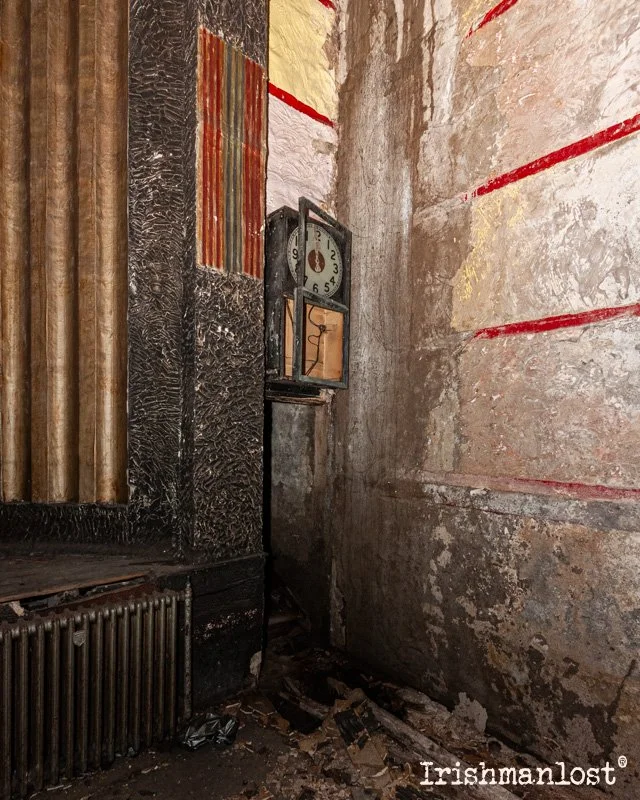
I visited the building on three occasions — in 2011, 2016, and again in 2017. What struck me was how remarkably intact it remained. Despite being closed for decades, very little had been removed or destroyed since its final screening. Many of the original cinema seats were still in place, while the auditorium retained much of its former character.
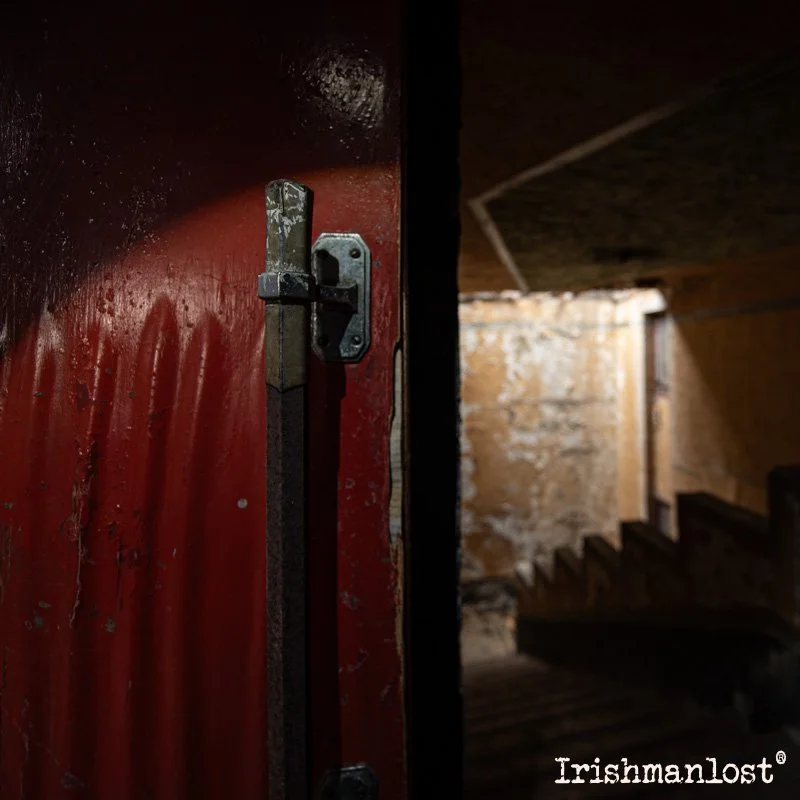
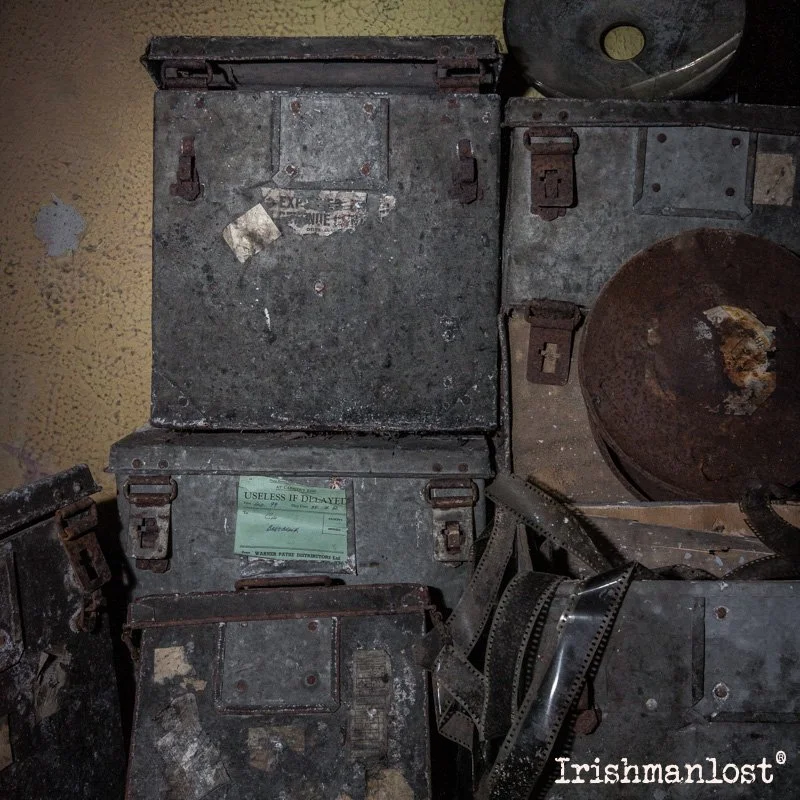
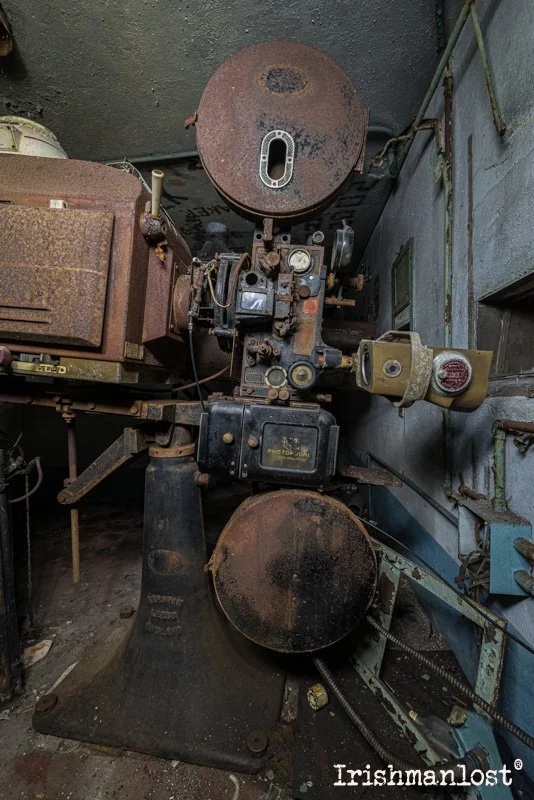
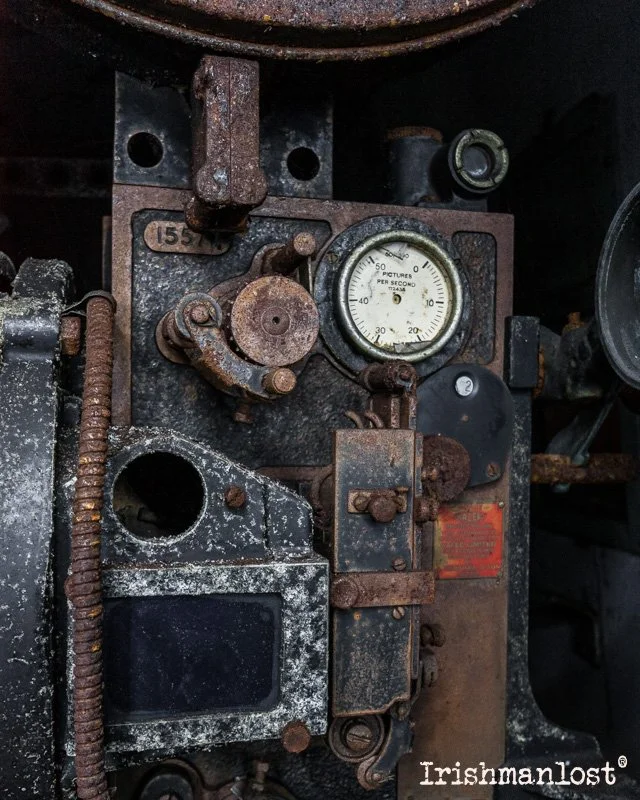
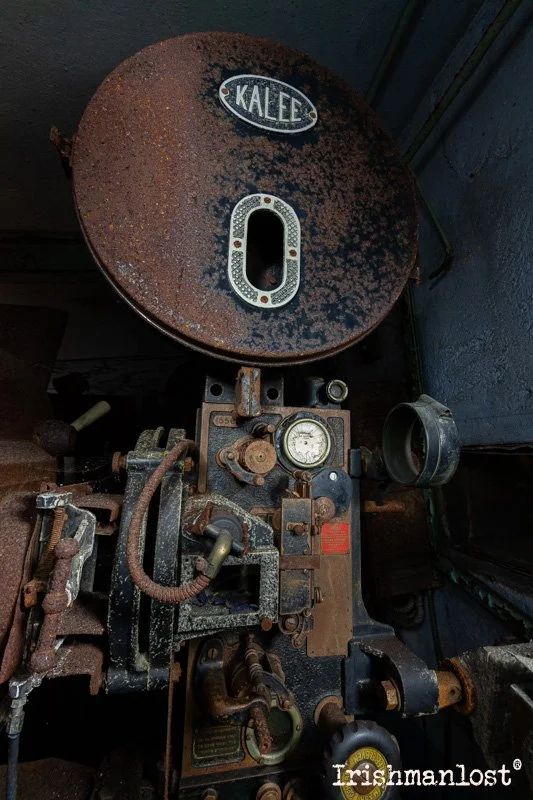
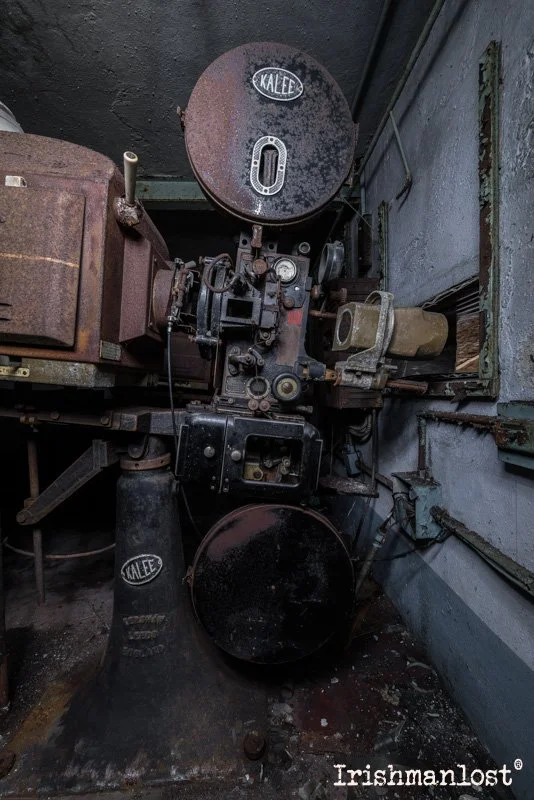
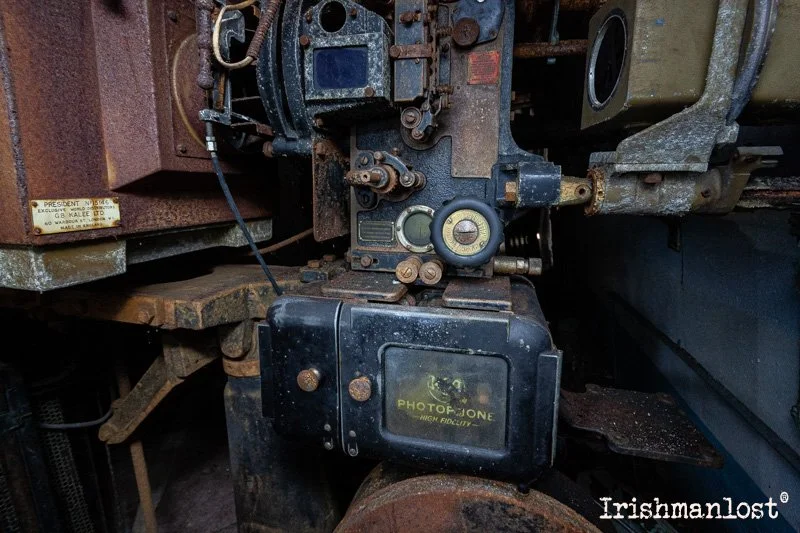
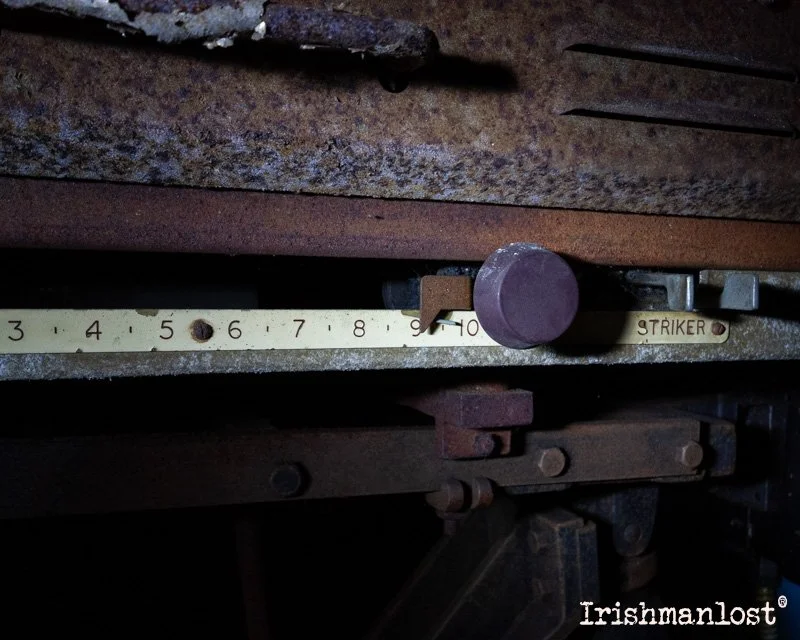
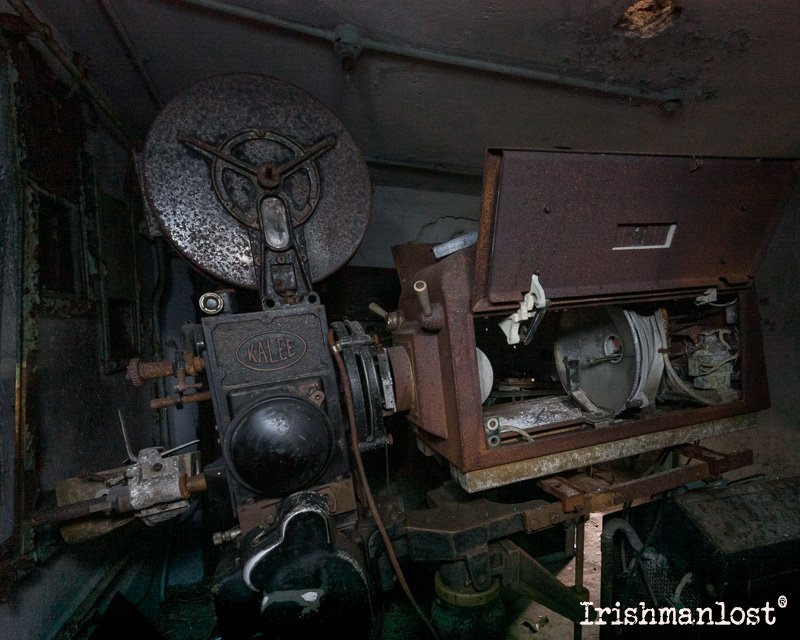
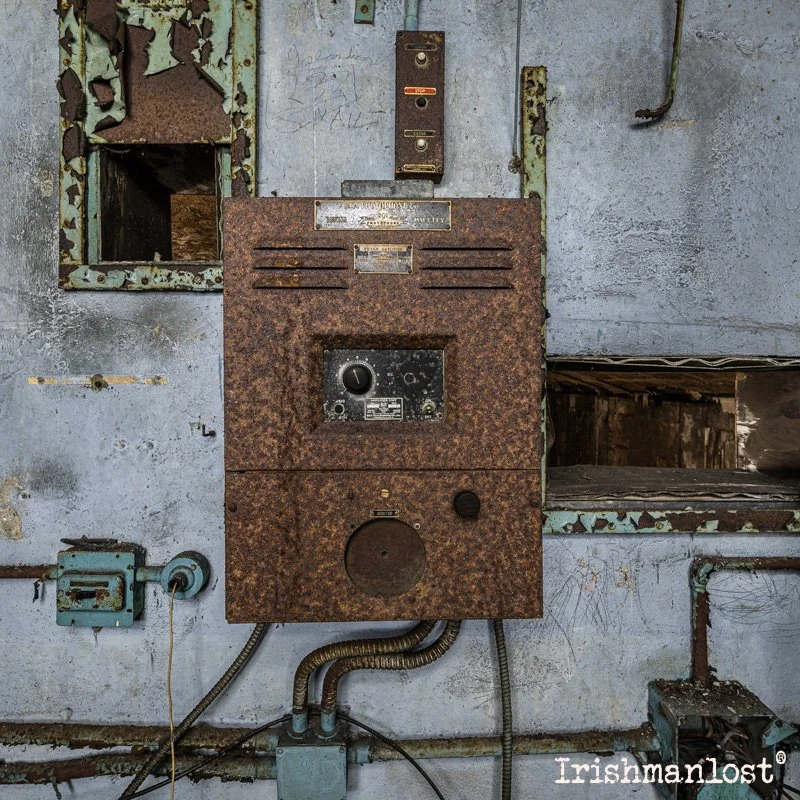
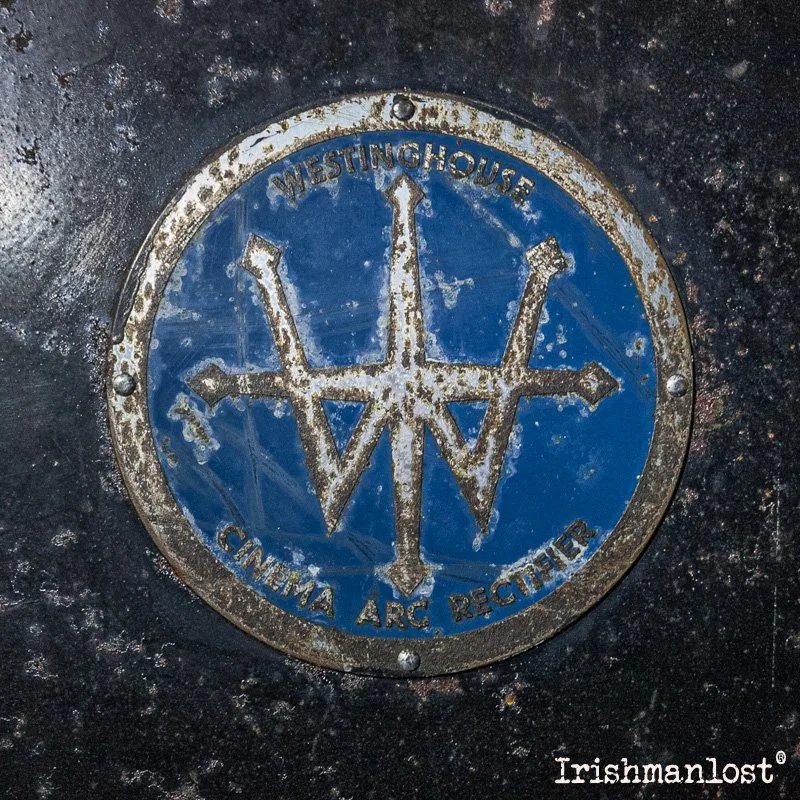
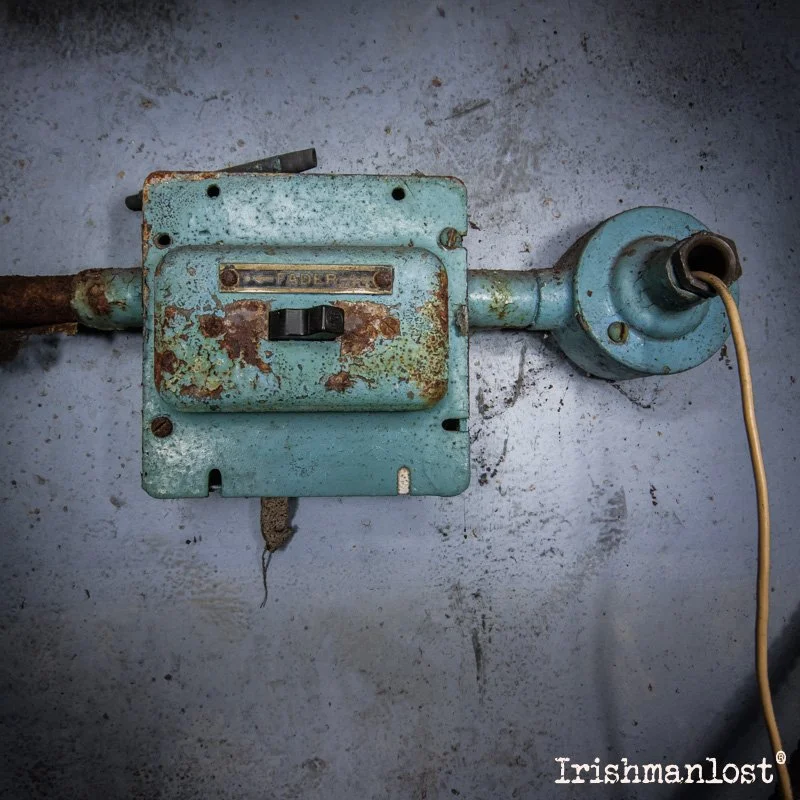
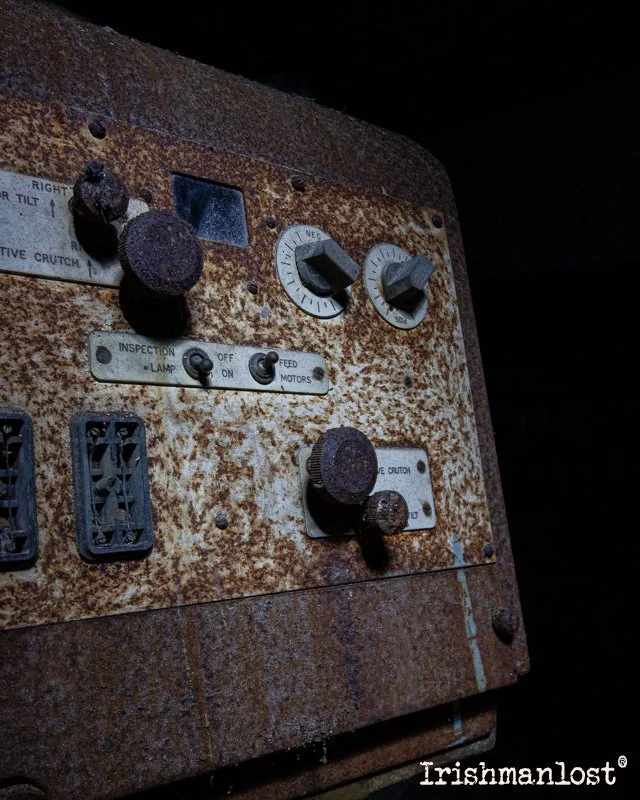
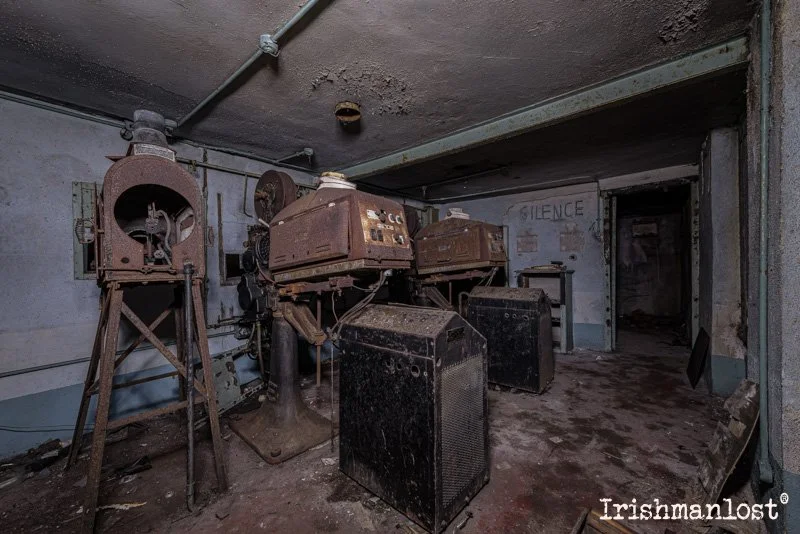
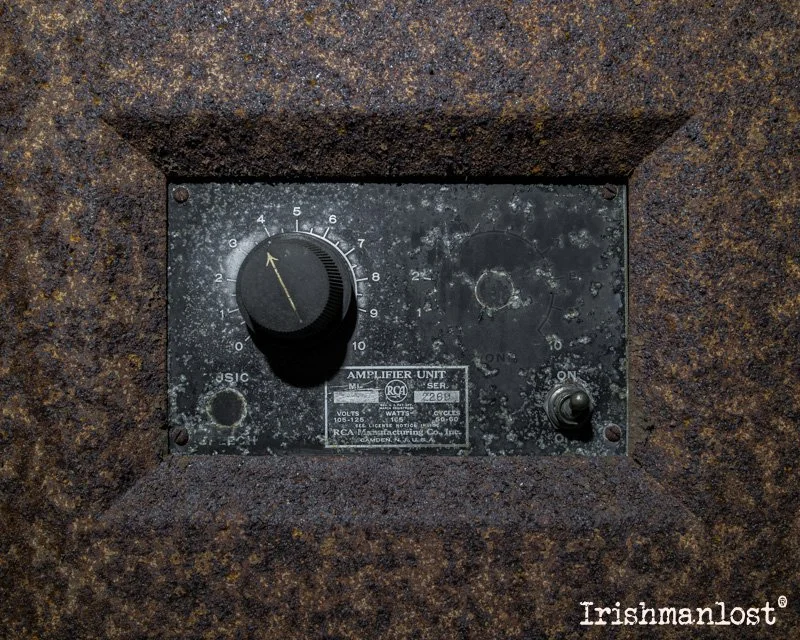
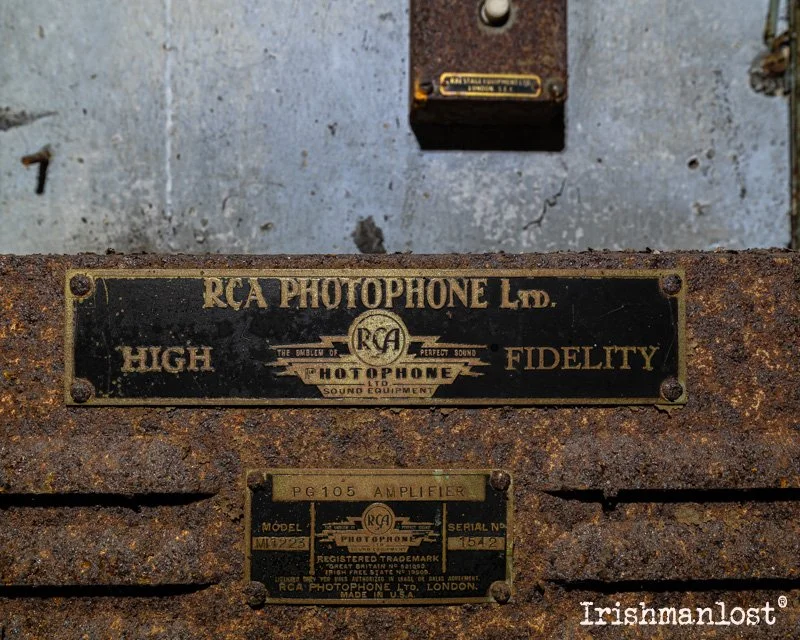
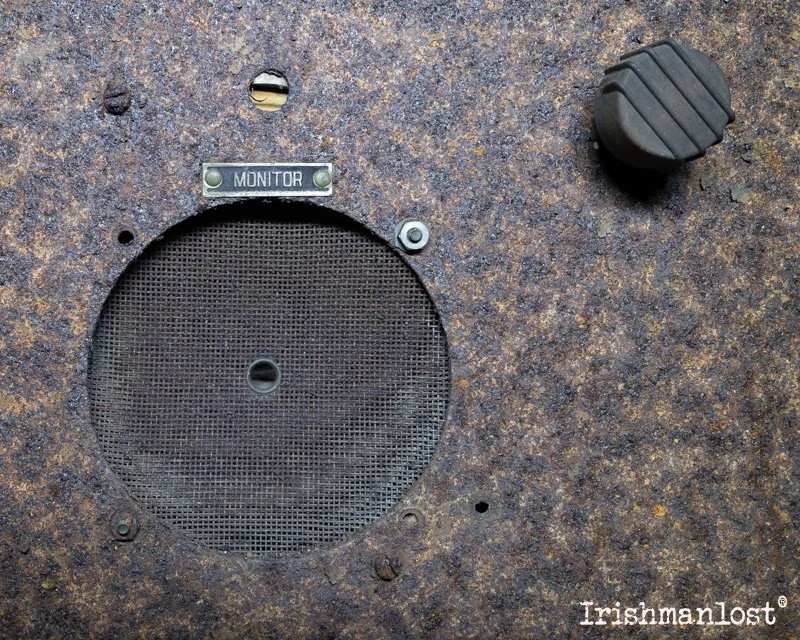
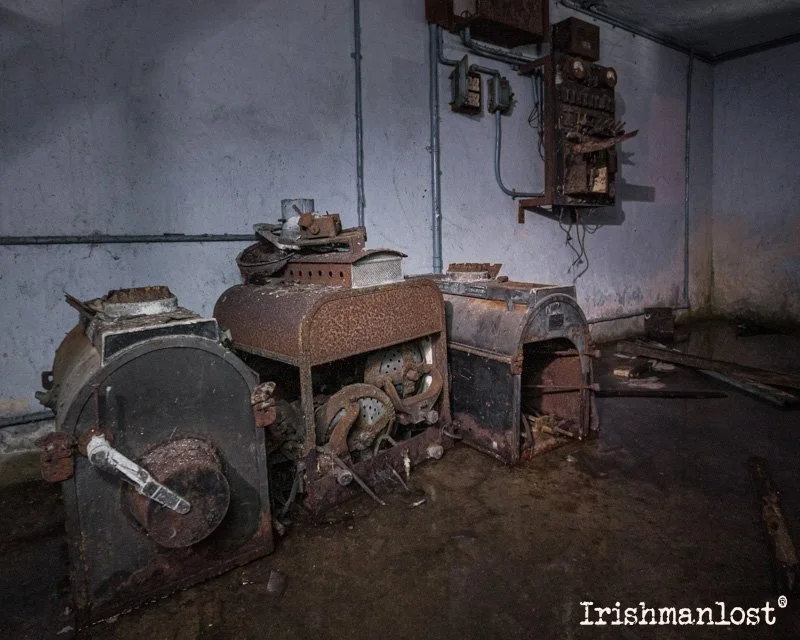
Most remarkable was the projection room, which remained almost completely intact. The projectors and equipment were still there, offering a rare glimpse into the machinery that had once brought films to life. Standing there, it was easy to imagine the reels turning again and the beam of light crossing the darkness towards the screen.
The Palladium didn't feel like an empty building stripped of its past. It felt like a cinema frozen in time.
In 2016, as the future of the Palladium became increasingly uncertain, the local council sought an emergency Building Preservation Notice (BPN) in an attempt to protect the former cinema from demolition. The move reflected growing recognition of the building's historical and architectural significance and its importance as one of the few surviving reminders of Ballymoney's cinema heritage. Despite the attempt, protection was not secured, and the building's future remained uncertain.
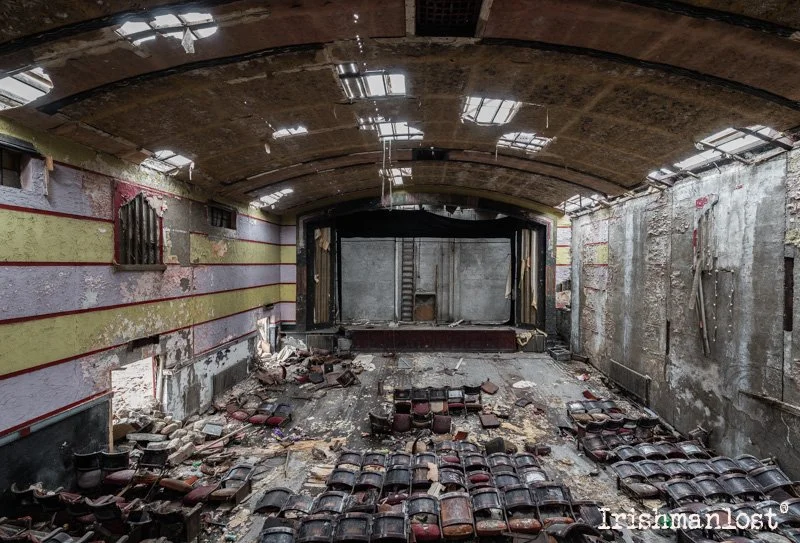
By 2017, I knew this would be my final visit. Demolition had already begun. The outer roof had been removed, some seats had been taken from their rows, and sections of the flooring had been lifted, exposing decades of dust and debris.
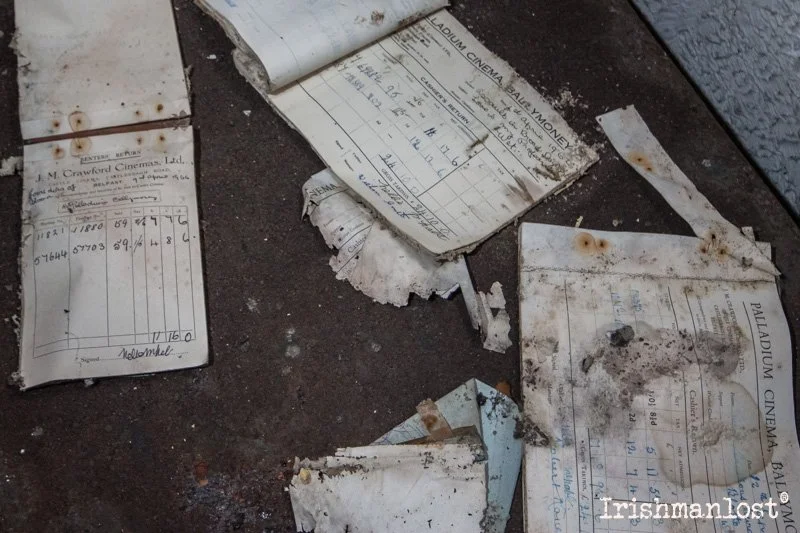
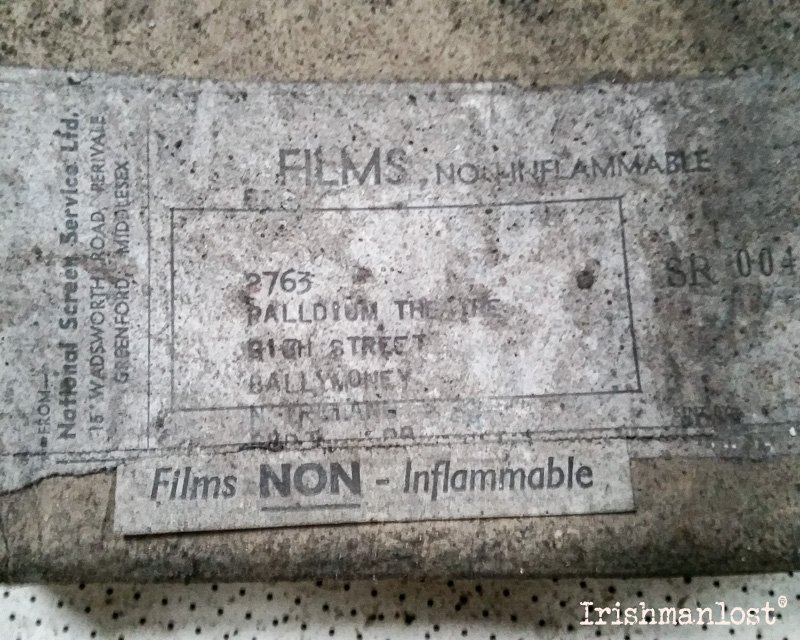
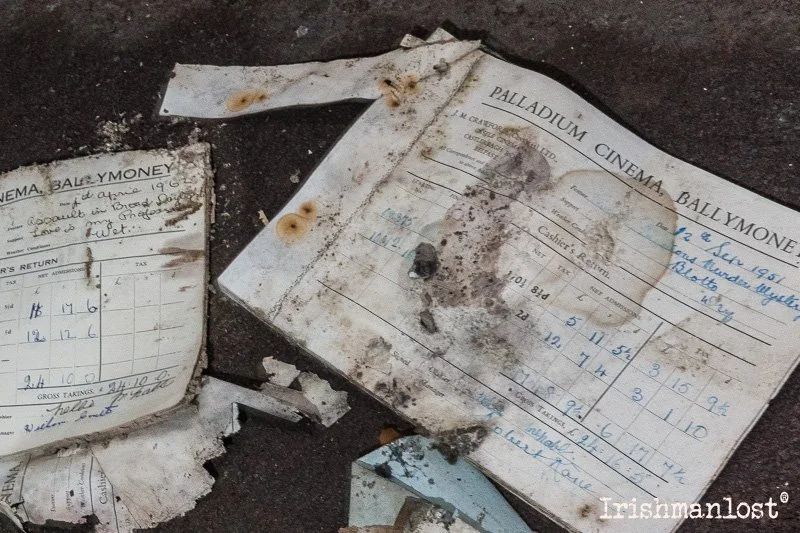
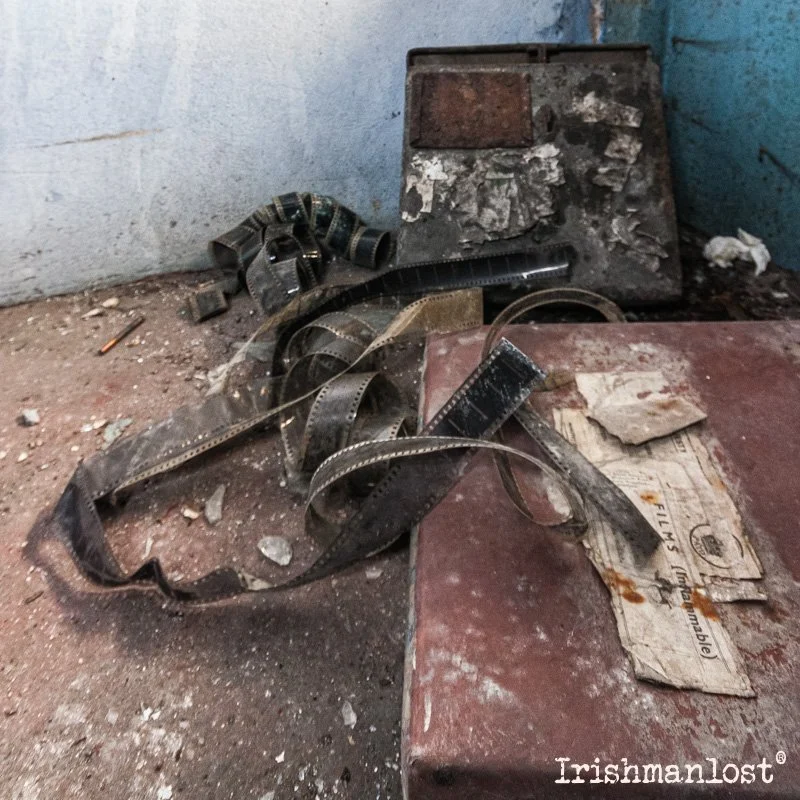
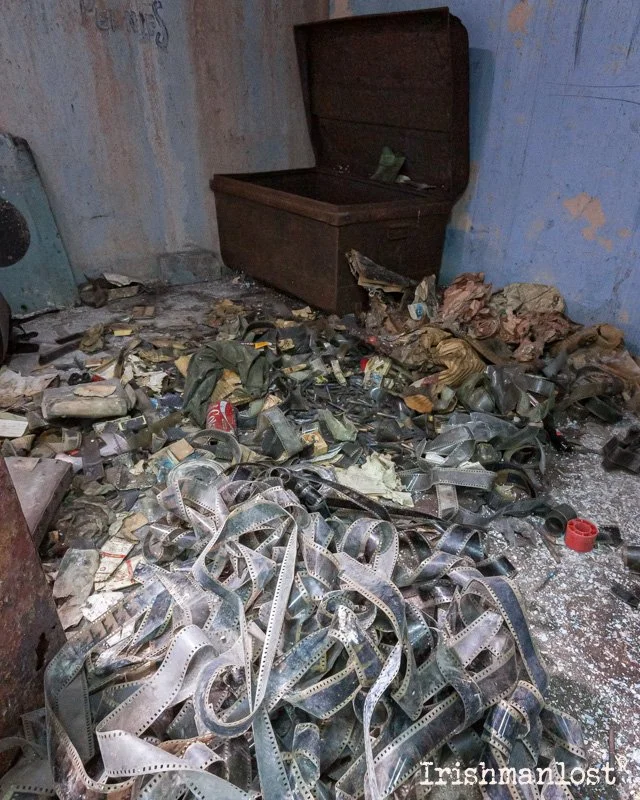
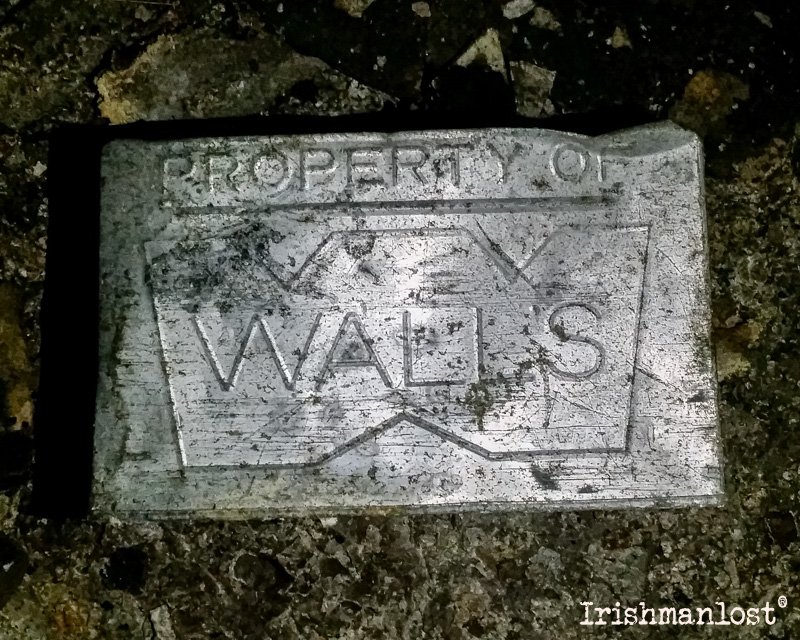
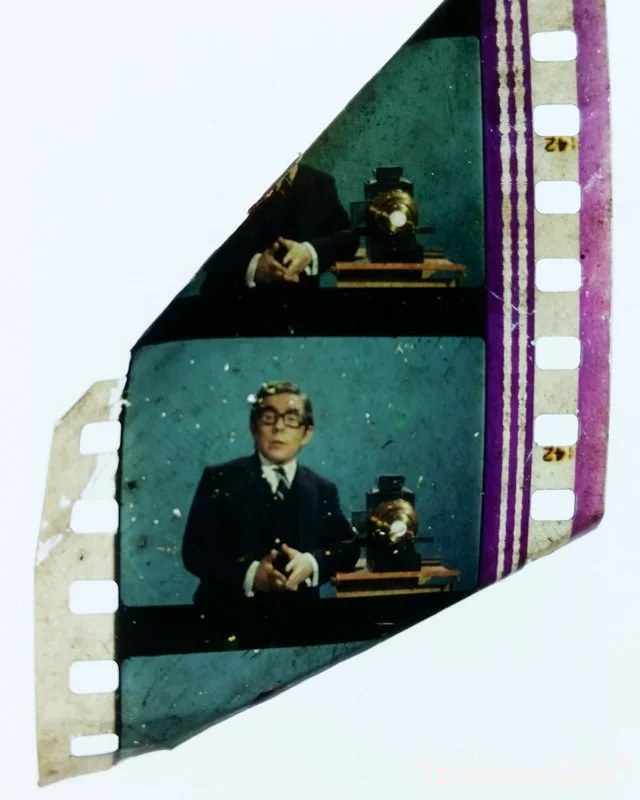
Among the rubble I found small remnants of the cinema’s past, old film ends, discarded packaging and crisp packets that had somehow survived beneath the seats and floors.




They were insignificant objects, yet strangely poignant. A crisp packet may have been dropped by a child at a Saturday matinee decades earlier. A piece of film had once been part of something projected onto the screen. Forgotten beneath the floor, they had survived long after the people who left them behind.
The atmosphere was very different from my earlier visits. The Palladium was no longer simply abandoned; I was witnessing its final days. The remaining seats, projection equipment and fragments of the interior had become the last physical traces of a building that had entertained generations.
Soon afterwards, the Palladium was gone.
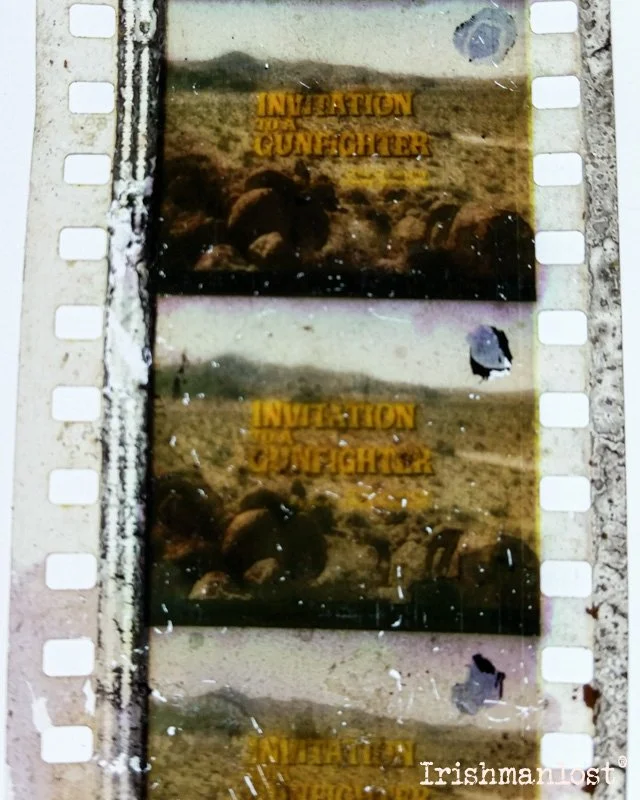
There was no grand finale. No audience waiting for the lights to dim. No projector throwing one final beam across the auditorium. Just the sound of machinery dismantling a building that had stood for more than eighty years.
For me, the Palladium became more than another abandoned building. Having returned three times over six years, I witnessed its gradual decline and eventual disappearance. My photographs from that final visit became a record of the Palladium’s final days, fragments of a forgotten cinema captured just before it disappeared forever.
For more than thirty years, the Palladium had brought stories from distant worlds to High Street. Cowboys rode across its screen, wartime news flickered before anxious audiences, and countless films transported people far beyond County Antrim.
Today, the cinema is gone, its seats empty and its projectors silent. But the photographs remain — preserving a glimpse of the Palladium in its final years and, with it, a small part of the story of “The Ranch.”
A small collection of historic photographs and cinema programmes from the Palladium can still be found online. The exterior photographs offer a glimpse of the building when it was still a working cinema. At the same time, the surviving programmes give an even more personal connection to the people who once passed through its doors. I’ve brought some of these images together here to help tell the story of the Palladium before its final days.
Do you remember the Palladium?
If you remember the Palladium Cinema, I’d love to hear from you. Did you ever watch a film there, go to a Saturday matinee, or remember it as “The Ranch”? Perhaps you remember the people who worked there, the films that were shown, or simply the feeling of walking through those doors. If you have a story, photograph, programme, ticket stub or memory of the Palladium, please get in touch; I’d love to add your memories to the story of this lost Ballymoney landmark.
