
Newtownbreda Primary School, Belfast
The school I remember
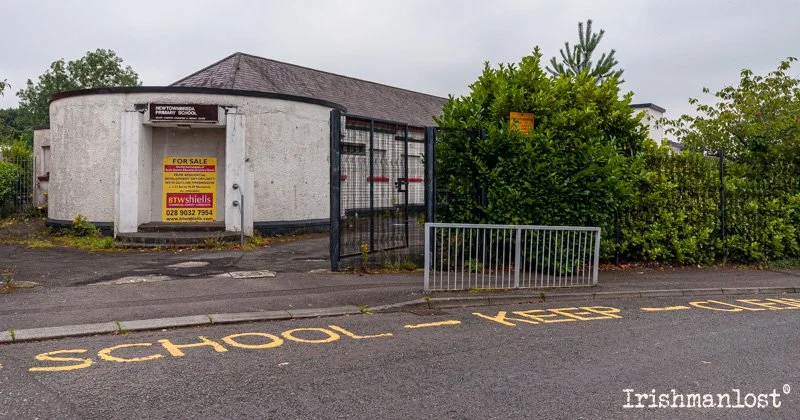
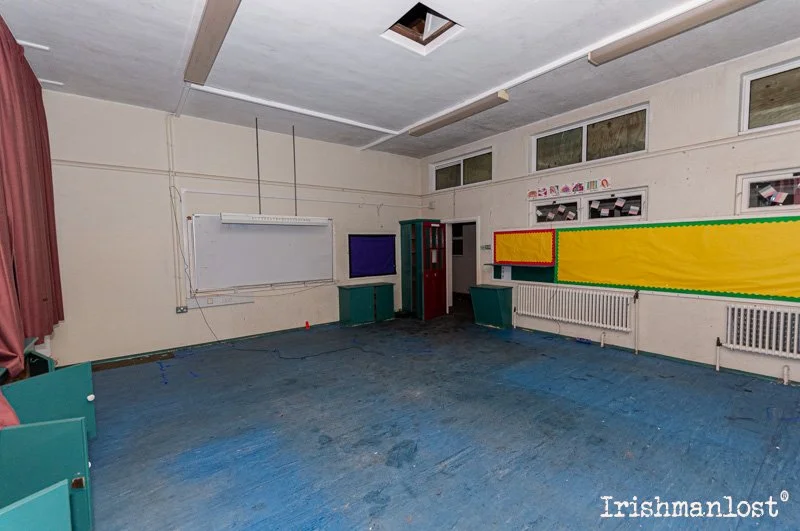
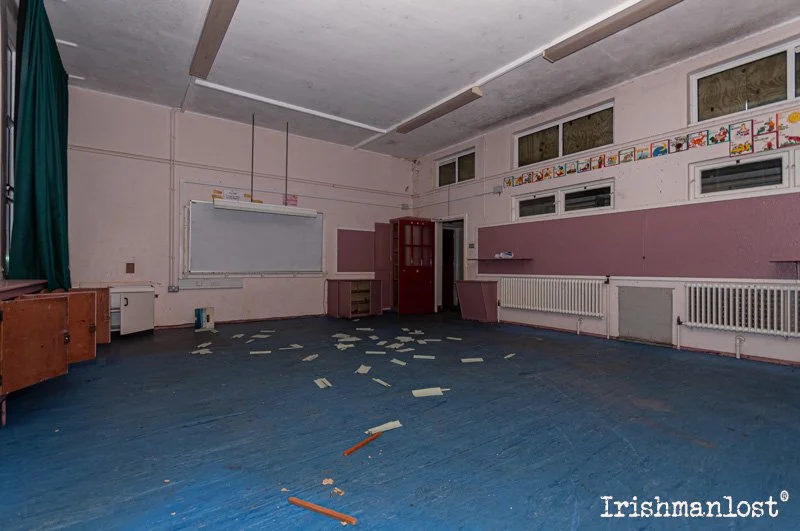
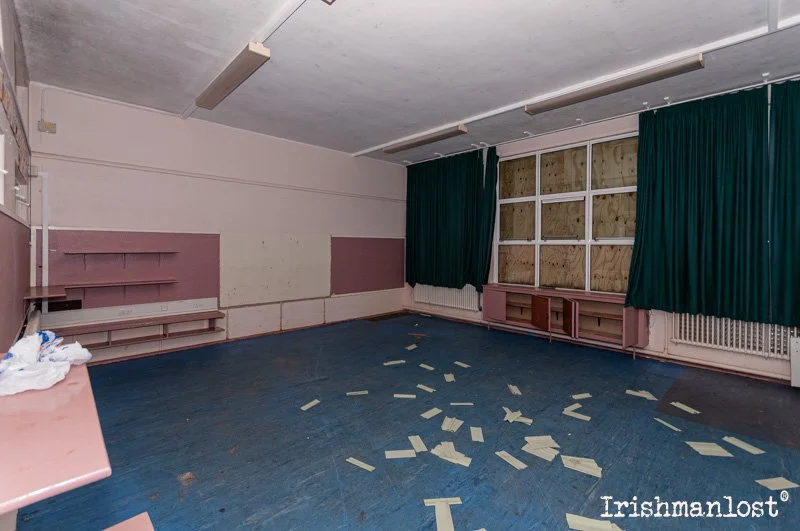
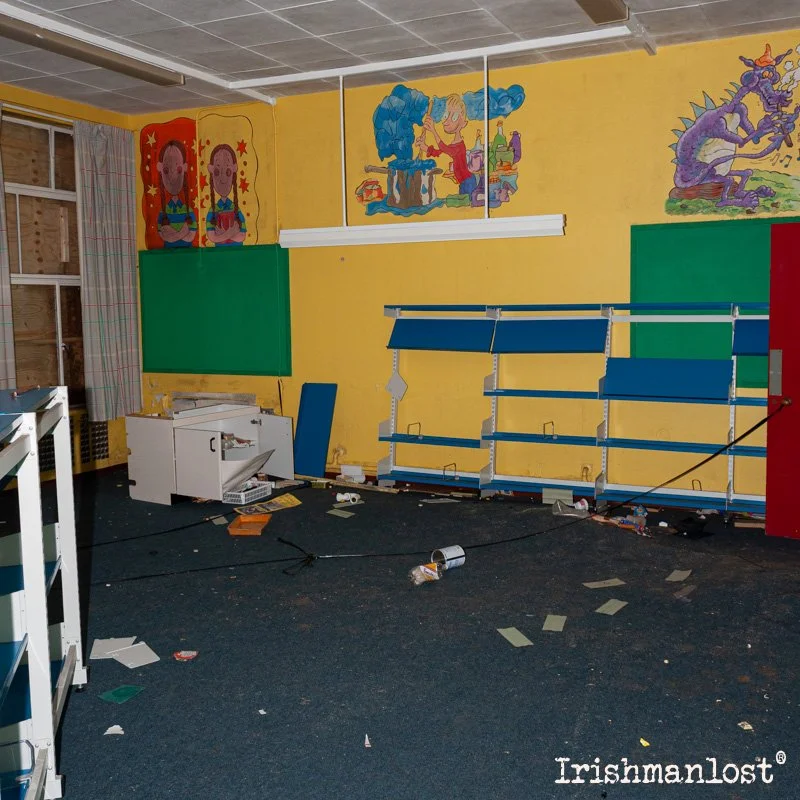
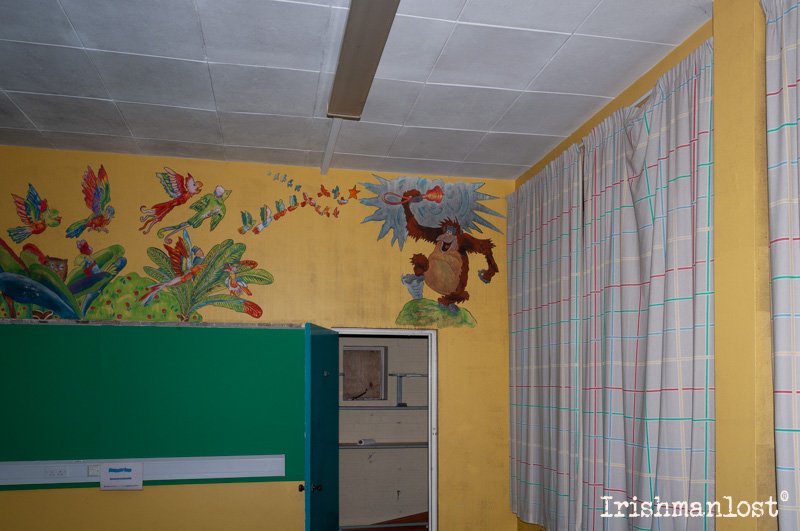
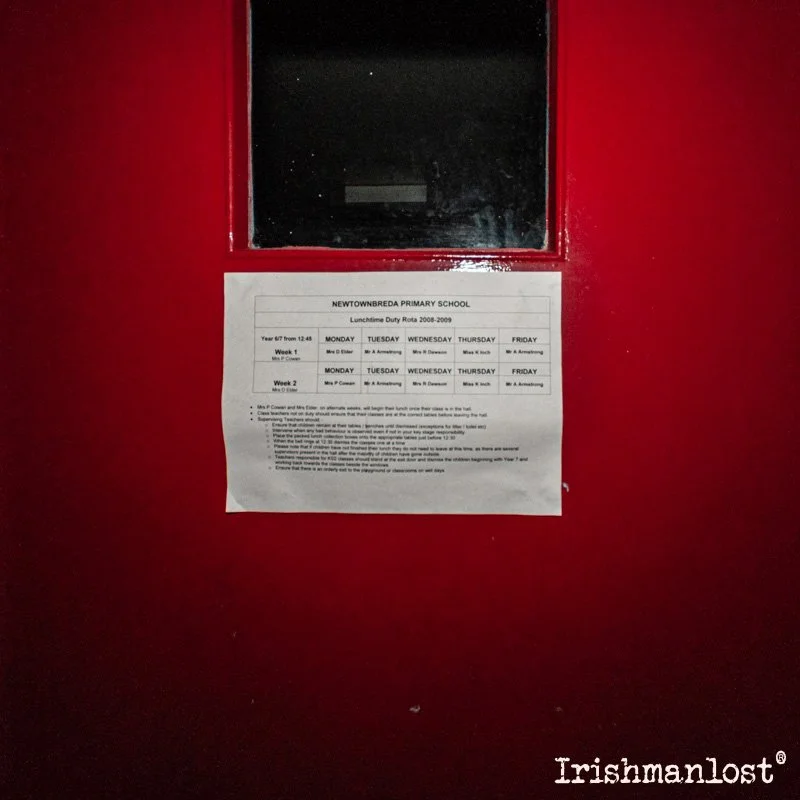
There is something different about photographing an abandoned place when you once belonged there. You don't just see an empty building; you remember it. You remember the noise, the people, the routines and all those small moments that seemed completely ordinary at the time, but somehow stay with you for decades. For me, Newtownbreda Primary School in Belfast is one of those places. I attended Newtownbreda Primary from 1979 to 1986. At the time, I had no idea that the school had already existed in several different forms, or that the building I knew as a child was itself only one chapter in a much longer story. Years later, I would return in 2012 with a camera to photograph the remains of the school after it had closed. Walking back through what was left was a strange experience. The building was no longer the place I remembered, but it was still recognisable enough for the memories to come flooding back. Suddenly, I wasn't looking at an abandoned school. I was looking at my childhood.
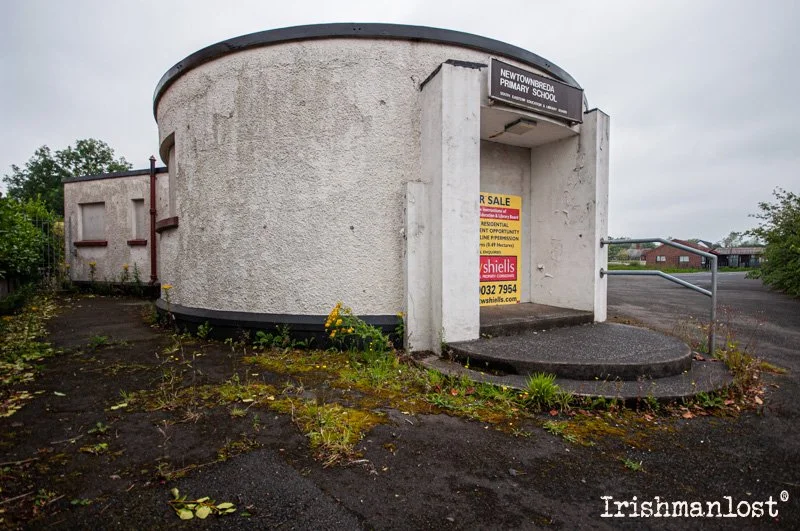
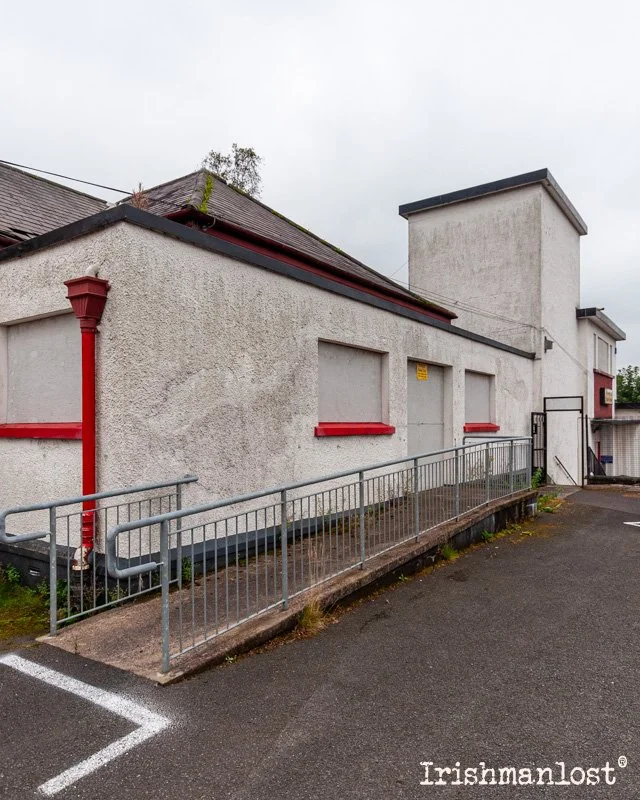
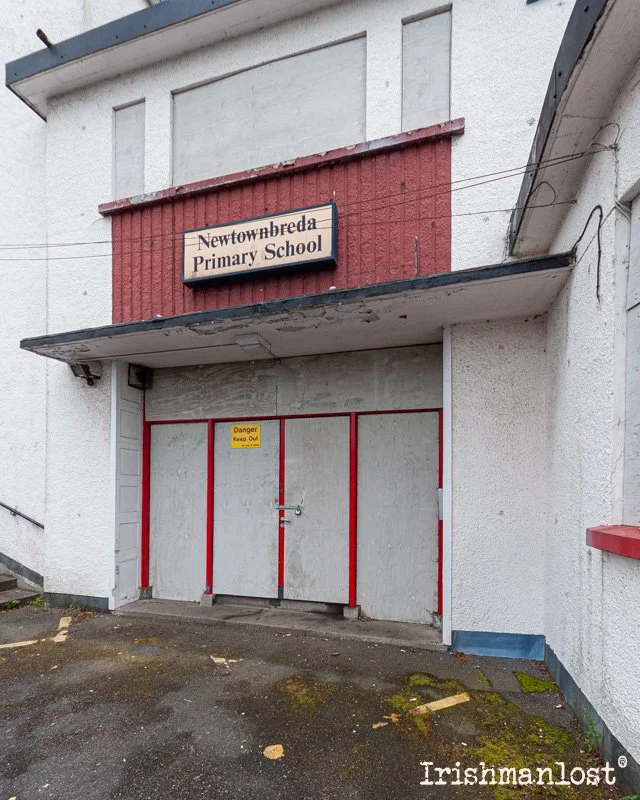
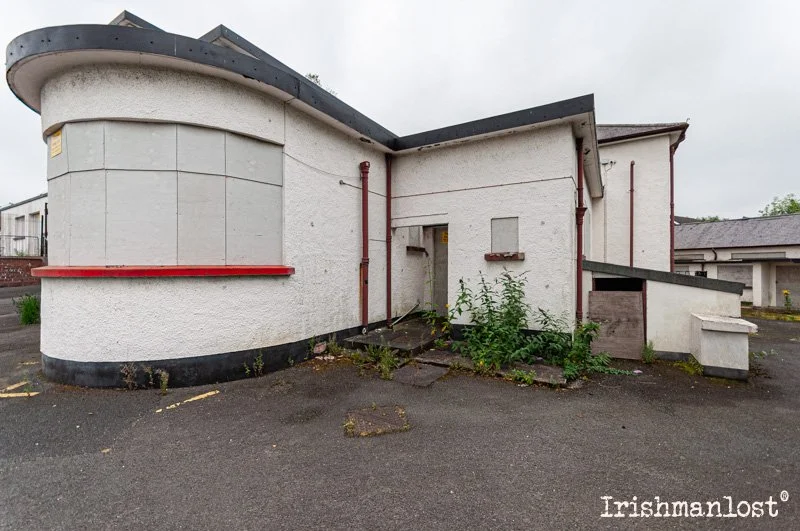
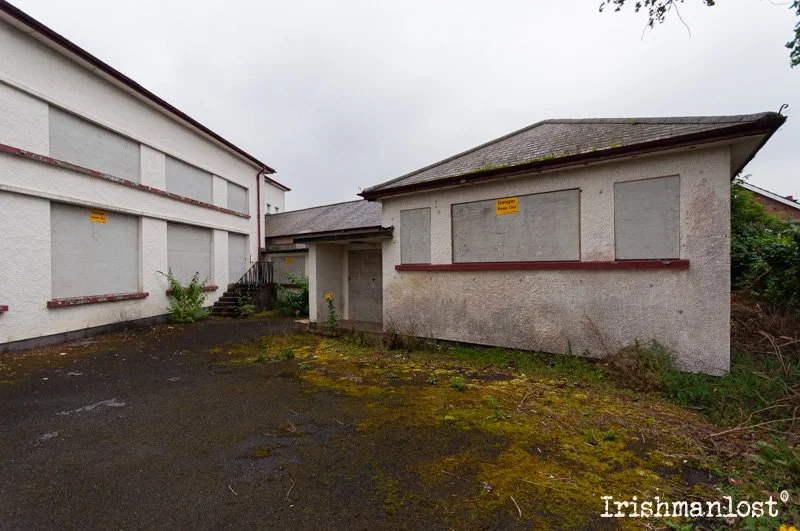
To the best of my knowledge, the story of Newtownbreda Primary began not with the familiar buildings on School Road, but with Newtownbreda National School, which was originally housed in the old stone building at the junction of Newtownbreda Road and what is now the A55 dual carriageway. That building still survives today, although it has long since ceased to be a school and is now a private house. At some stage the school moved from there to the site that generations of pupils would come to know, initially operating as a much smaller two- or three-teacher school. As Newtownbreda grew, however, so did the need for a larger school, and another important chapter began in 1938 with the opening of a new single-storey block containing five classrooms. This became known locally as the “Wee Side” and opened as Newtownbreda Public Elementary School. Its architecture reflected the period, with clean, practical lines typical of the inter-war years. The architectural record attributes the design to Ferguson & McIlveen, with C. & W. McQuoid recorded as the builder.
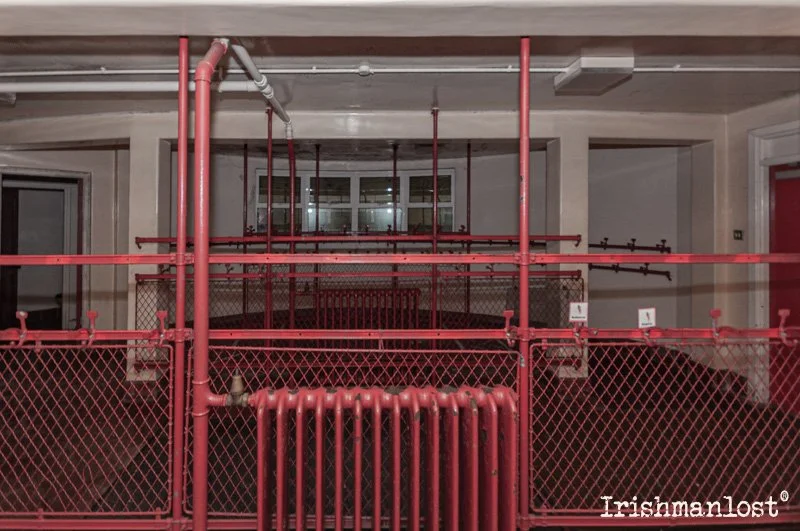
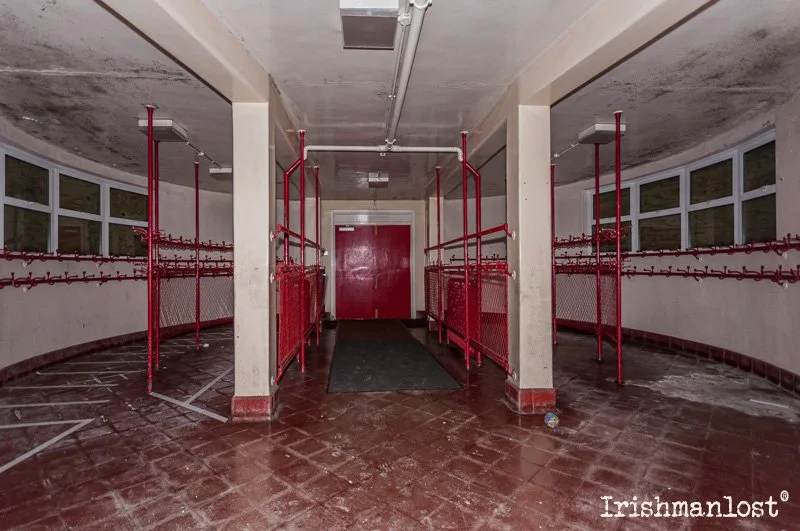
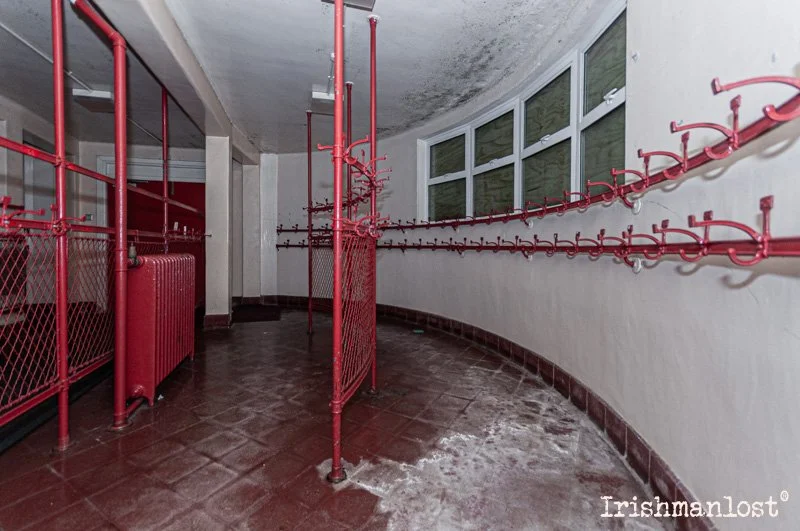
The school expanded again in the post-war years. In 1956, a major two-storey extension was opened, complete with an Assembly Hall, and this became known as the “Big Side.” The two parts of the school — the older single-storey Wee Side and the later two-storey Big Side — became the familiar layout for generations of children. Following post-war reorganisation, the school became known as Newtownbreda Primary School, the name that I would have known it by when I arrived as a child in 1979. To an architectural historian, these buildings represented different periods in the development of education in Belfast. To us as pupils, they were simply part of the school. We knew which side was the Wee Side, which was the Big Side, where the classrooms were, where we were supposed to line up and, more importantly, where the playground was.
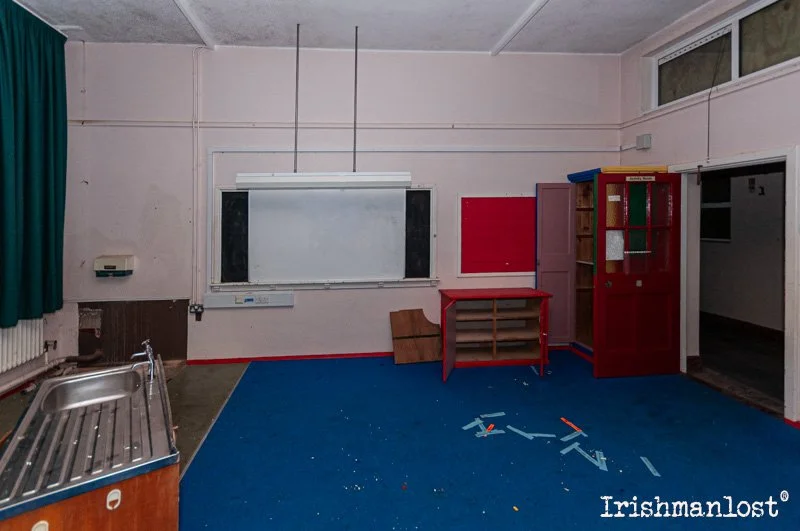
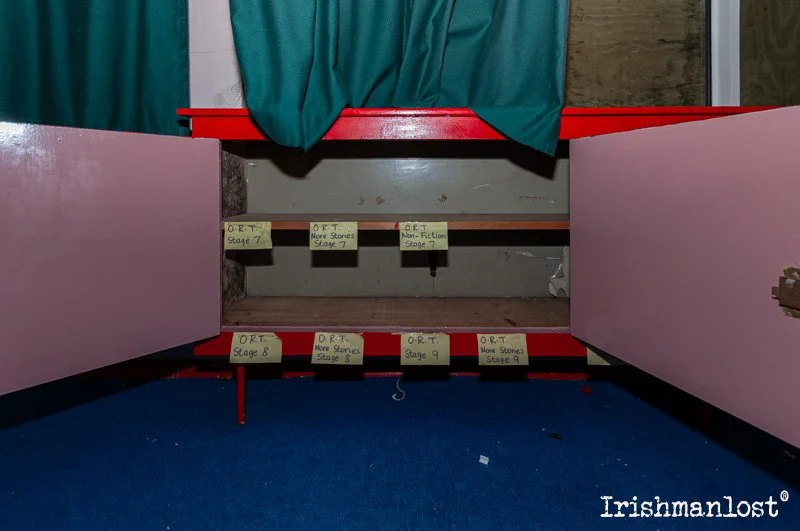
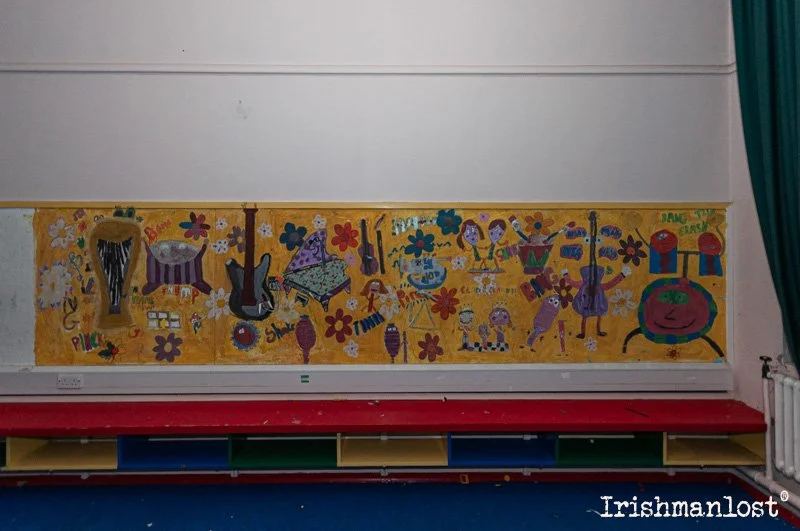
My Memories of Newtownbreda are not really about dates, architectural styles or official records. They are about the playground and what it felt like to be a child there. When I think back to the years between 1979 and 1986, some of the strongest memories are of the games and mischief that seemed to fill every break time. One memory that has stayed with me is from the “Big Side” playground, where we got into piggyback fights, the sort of rough-and-tumble that seemed completely normal when you were young. On one occasion, mine ended rather badly, and I broke my finger. It's strange what the mind chooses to preserve. Hundreds of ordinary school days, lessons, and conversations must have completely disappeared from memory, yet I can still picture that playground and remember what happened.

Another memory is much simpler: Marbles. There were two yard drain grates in the playground, and to us they became part of the game. To an adult looking at them, they were nothing more than two ordinary drain covers, but to us they were part of the playground and somewhere to play marbles. Those two pieces of metal became attached to my memory of the school. Standing there again years later, I could still picture children gathered around them, concentrating on the game, arguing over who had won and carrying on with the next round. These are the sorts of details that never appear in official histories, yet they are often the things that survive longest in our memories. A drain grate, a marble, a playground game, a broken finger — all completely ordinary things at the time, but somehow permanent once viewed through the distance of several decades.
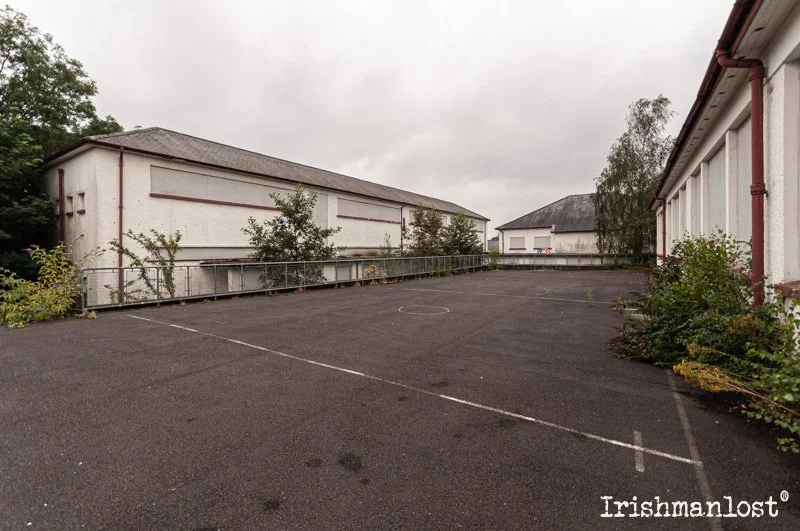


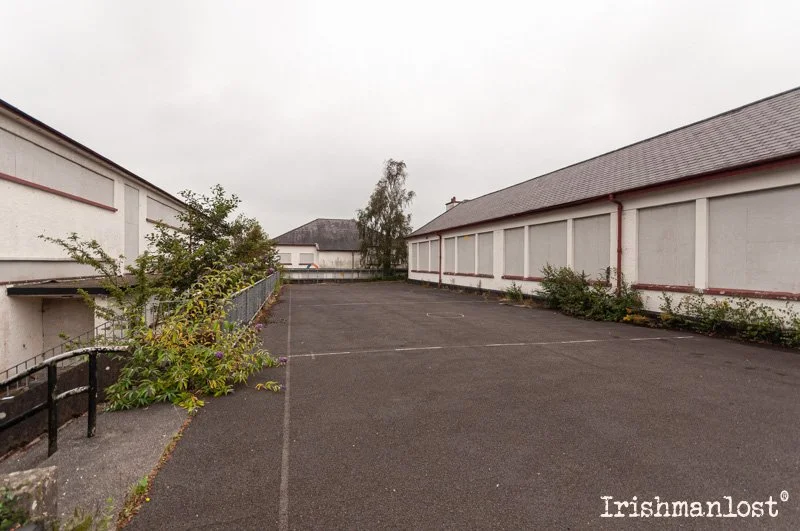
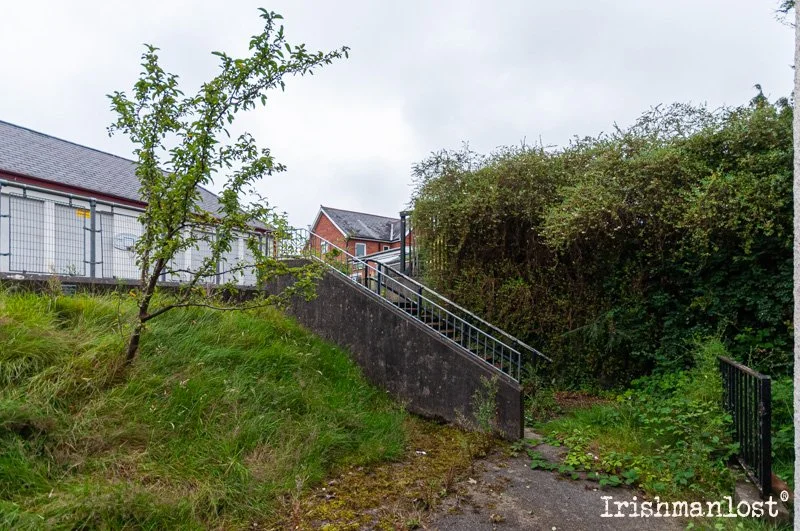
Official records can tell us something about what Newtownbreda was like during its later years. A 2008 Education and Training Inspectorate inspection described children as happy and safe within the school and recorded good relationships and behaviour, along with a caring ethos and strong support from parents and teachers. But those official descriptions only tell part of the story. A school is really about people — the children, teachers, parents, cleaners, dinner ladies and caretakers who spend years of their lives within its walls. For a child, a school can become one of the first places that exists outside the family home, somewhere friendships are made, lessons are learned, and independence gradually develops. The official history records enrolment numbers and inspections; the personal history records memories. Mine is a broken finger, a game in the senior playground, two drain grates, games of marbles, friends whose names I may not have thought about for years, and the feeling of walking through those doors every morning.

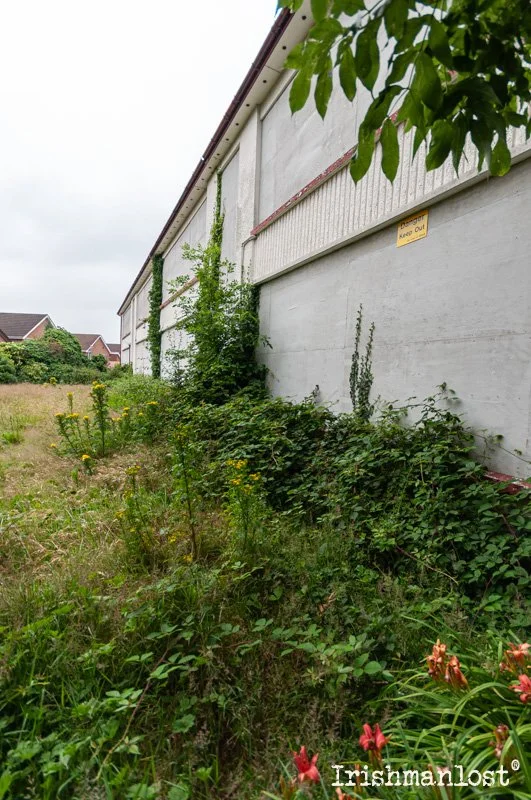
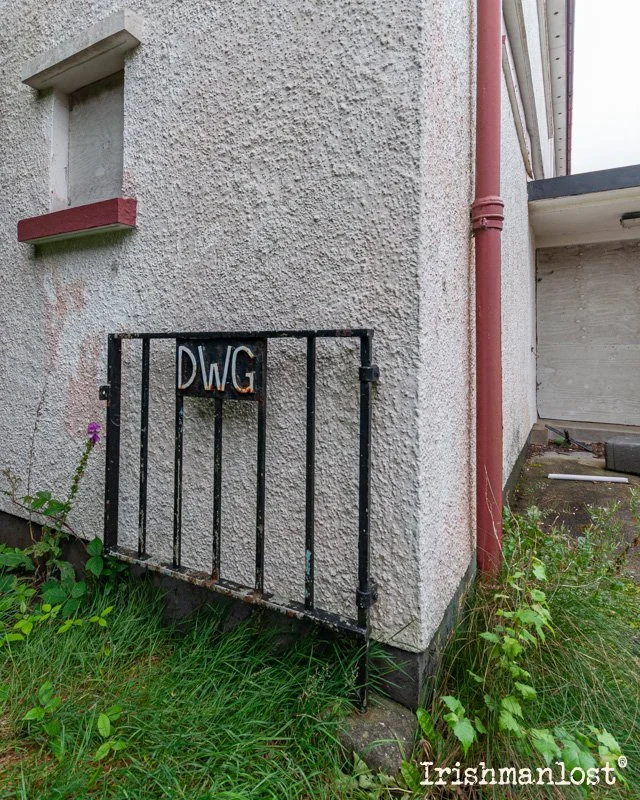
By the beginning of the twenty-first century, the circumstances around Newtownbreda Primary had changed considerably. Pupil numbers were falling, and the school's future became increasingly uncertain. Department of Education figures recorded 185 pupils in 2003/04, falling to 118 by 2007/08, while the number of children entering P1 also declined. An inspection in 2008 noted the uncertainty surrounding the school's future and the impact that uncertainty was having on the school community. The future of the school was also discussed publicly as part of wider debate over primary-school provision in south Belfast, including proposals concerning its relationship with Rosetta Primary. By the 2008/09 school year, enrolment had fallen to 78 pupils. After many decades of serving the local community, Newtownbreda Primary School finally closed on 31 August 2009.
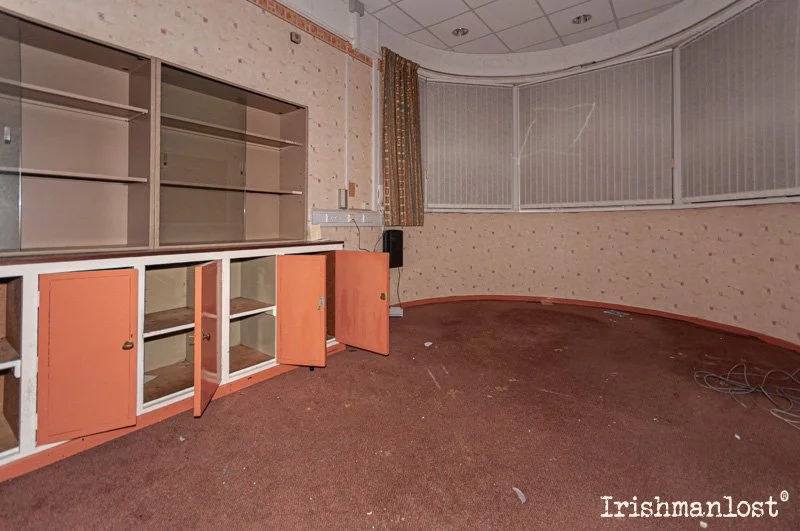

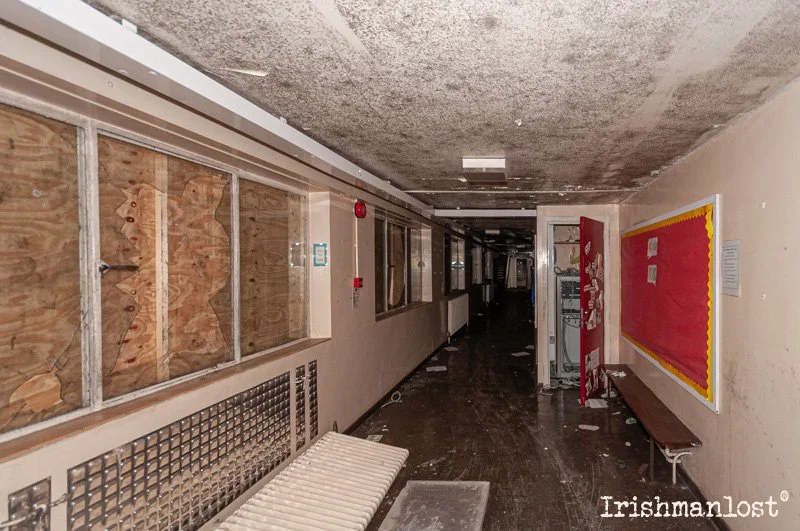
For a building that had been designed around the daily rhythms of childhood, the change must have been enormous. The classrooms fell silent, the playground emptied, and the school gates no longer opened each morning to children. A place that had once been full of voices, movement and routine suddenly became another empty building in Belfast. Yet its history stretched back much further than the closure date suggested. The school had already passed through several generations and several physical forms, from the original Newtownbreda National School in the old stone building, through the early two- or three-teacher school, the 1938 five-classroom Wee Side, and the 1956 Big Side with its Assembly Hall. Each generation added its own memories to the place, and by the time I attended between 1979 and 1986, all of those earlier chapters had already become part of the school's story.
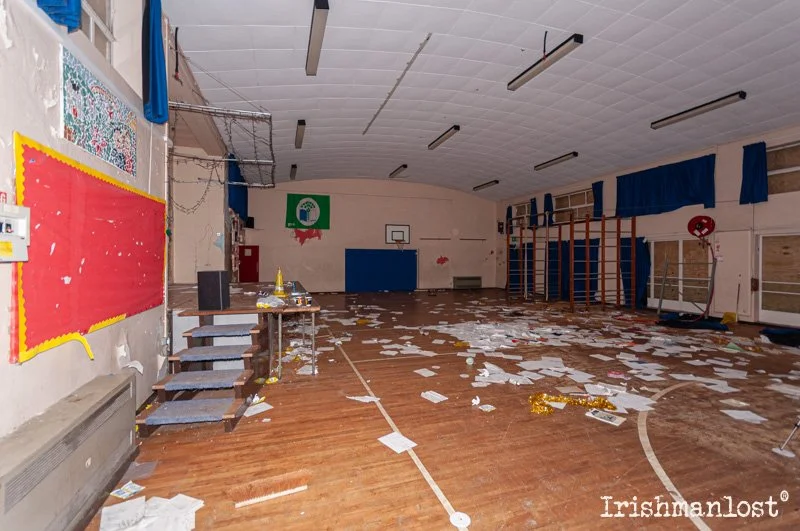
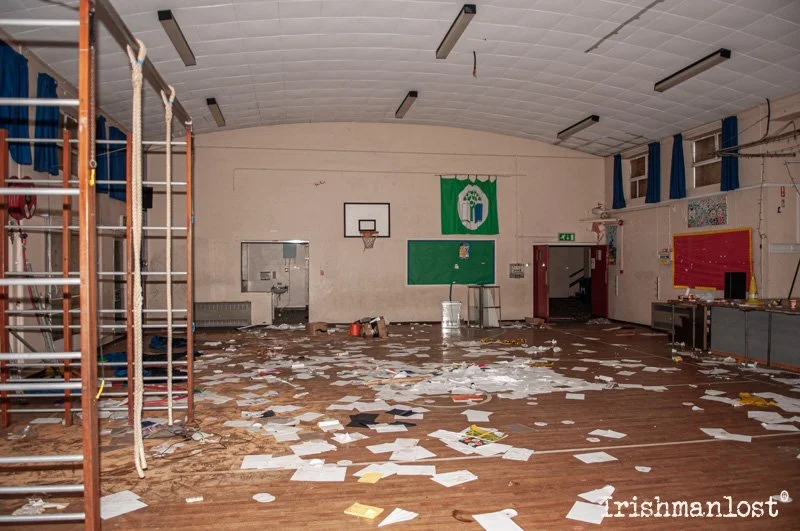
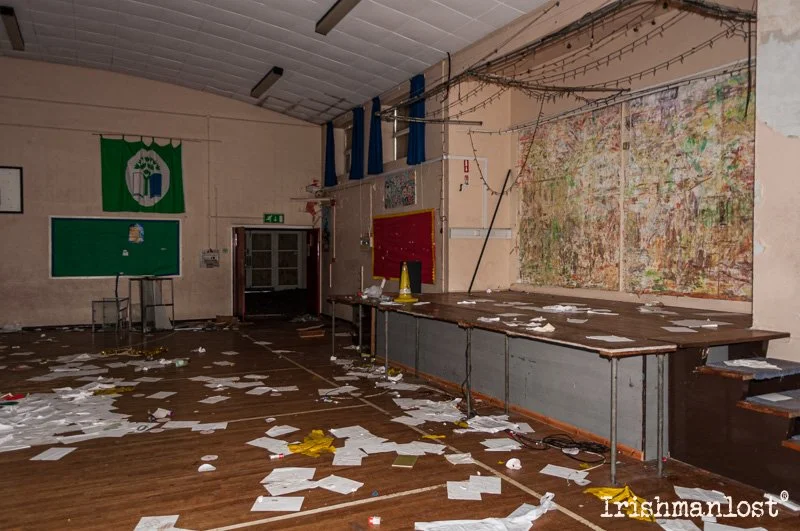
Years after leaving Newtownbreda as a pupil, I returned to the school for a completely different reason. This time I went back in 2012 with a camera. That changed the way I saw it. As a child, I had never really noticed the architecture. I didn't think about how old the building was or who designed it. I just knew the school. I knew the wee side, the big side, the playground and the places where we played. Coming back later, I found myself looking at everything differently. The empty rooms became photographs, the peeling surfaces became textures, and the abandoned corridors became part of a record of something that was disappearing. But beneath all of that was the memory of being there as a child. I had a relationship with the place long before I ever picked up a camera. I knew it when it was full of life, and that made photographing its decline feel strangely personal. I wasn't simply documenting another derelict building in Belfast; I was photographing somewhere I had once belonged.

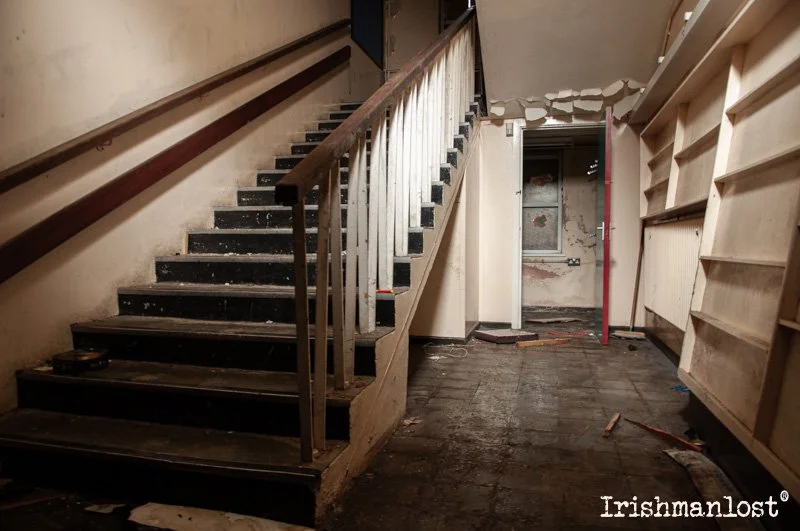

In August 2014, several years after the school had closed, the former building was damaged in an arson attack. By then, the school had already been empty for some time, and the fire became another chapter in the deterioration of the old building. For a place that had served the local community for generations, it marked a particularly bleak stage in its history. Once a school has closed, its future can become uncertain very quickly, and buildings that once seemed permanent can disappear within only a few years. The fire was part of that wider process of loss, leaving another piece of the old school behind only in photographs, records and Memories.


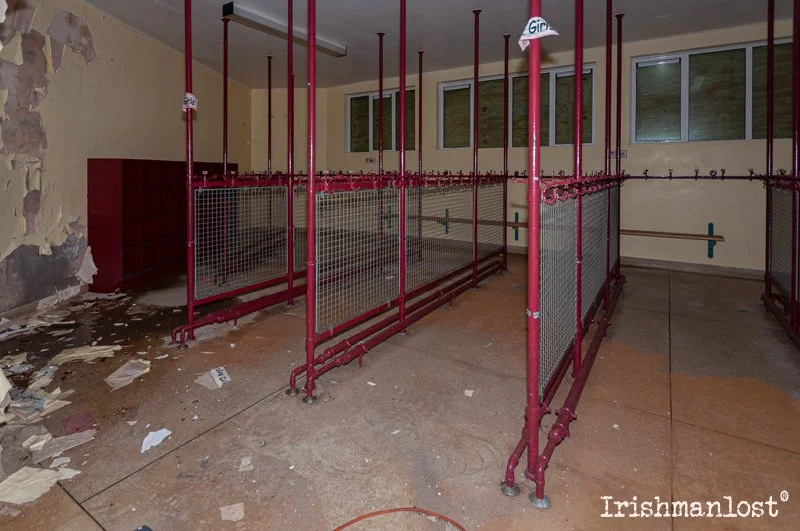
One of the strangest things about memories is that they can return when you least expect them. Some time after photographing the remains of Newtownbreda Primary, I was trading at one of my market stalls near Belfast when I got talking to someone who turned out to have been one of the teachers from Newtownbreda Primary School. It was a completely ordinary meeting, but suddenly the old school wasn't just something I had been photographing. It was a shared memory. Here I was, years after leaving the school and after returning to photograph its abandoned remains, standing at my market stall talking to someone who had actually taught there. We had experienced the same place at very different times and from completely different sides of the classroom, but the connection was still there. It made me think about how many former pupils and teachers are still carrying their own memories of Newtownbreda, each person remembering a slightly different version of the same place.
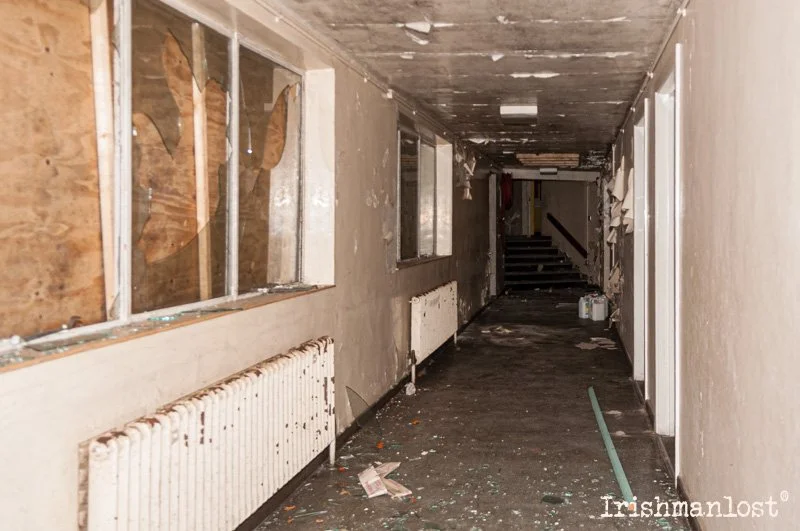
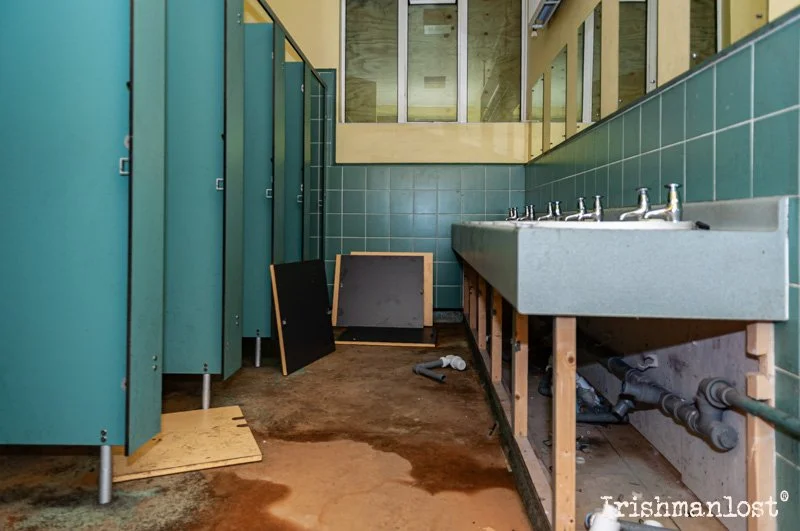
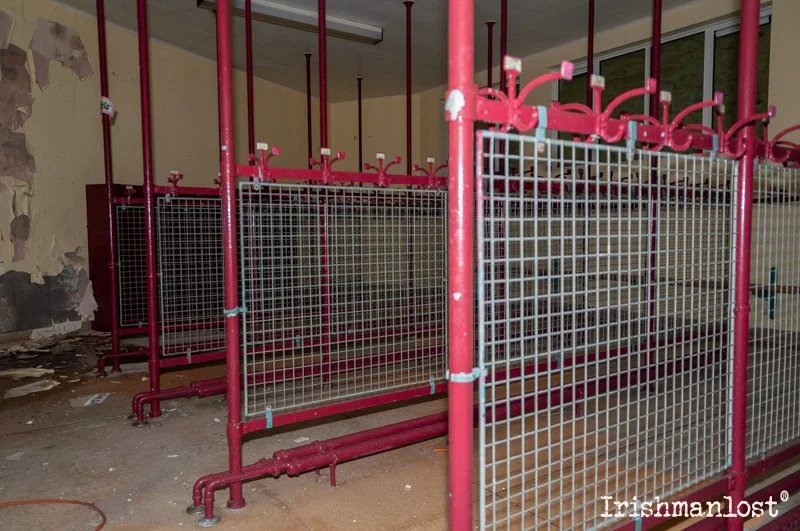
When I look back at Newtownbreda Primary now, I think about how much of its real history can never be captured in official documents. The records can tell us that the school began as Newtownbreda National School in the old stone building, that it later moved to the School Road site as a small two- or three-teacher school, that the five-classroom Wee Side opened in 1938, that the Big Side and Assembly Hall followed in 1956, and that the school eventually closed in 2009. They can tell us about enrolment figures, inspections, buildings and redevelopment, but they cannot tell us what it felt like to be there. They cannot tell us about the friendships, the arguments, the playground games, the teachers, the two drain grates where we played marbles or the child who broke his finger during a game of piggy-back fighting. They cannot tell us about meeting a former teacher years later at a market stall near Belfast. That is another kind of history, and it lives in the memories of the people who were actually there.
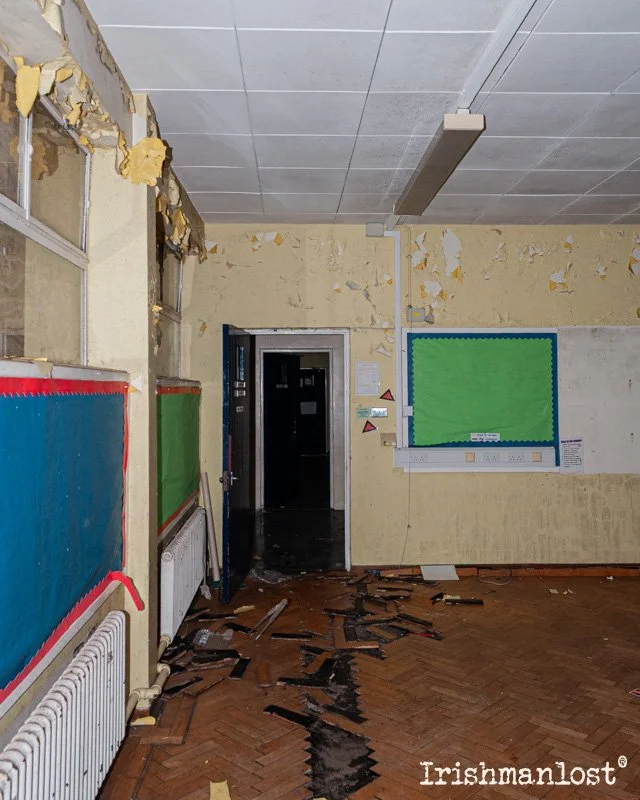
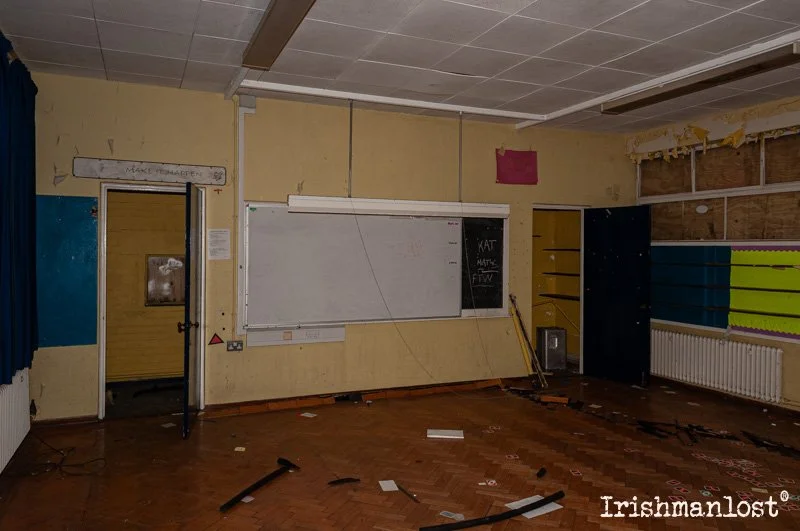
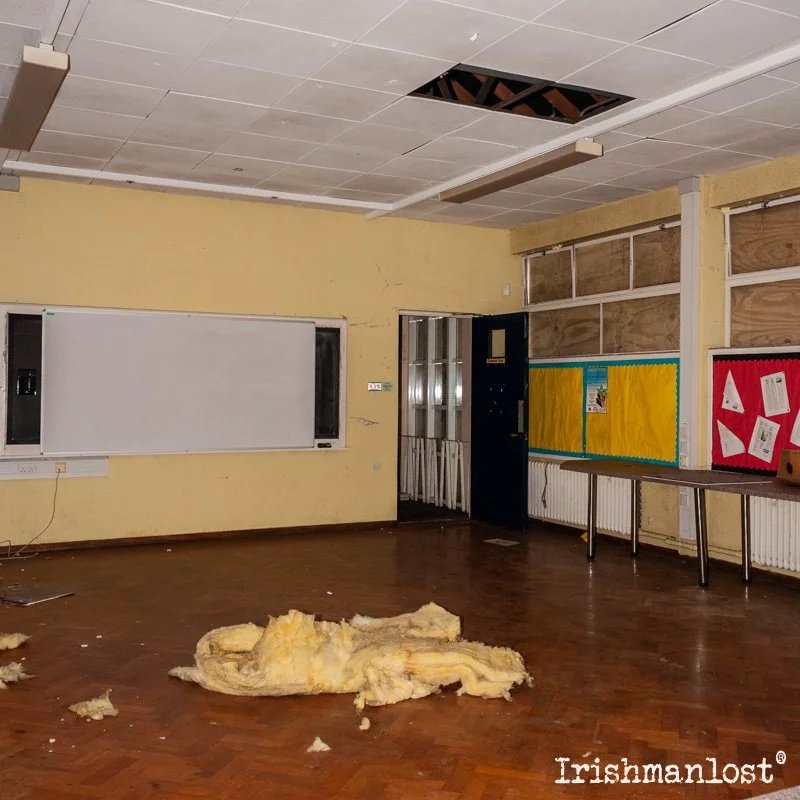
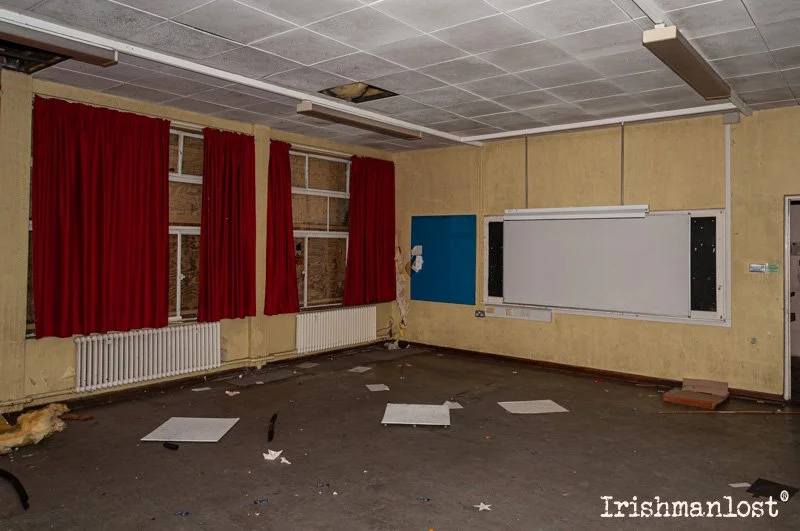
Photographs from the years after the closure show the former school standing empty on School Road, its old entrance and distinctive form still recognisable even as the building deteriorated. By 2012 the property was being offered for sale, and there were proposals for the future of the site, including residential development. Ultimately, however, the site took another path. Mencap later developed plans for a Children and Families Centre on the former school site, bringing a new purpose connected once again with children and families. In that sense, the story of Newtownbreda Primary did not simply end when the school closed. The old buildings disappeared, but the site continued to have a role connected with children. The buildings changed, the people changed and the purpose changed, but there remained a connection to the generations of young people who had once passed through the gates.
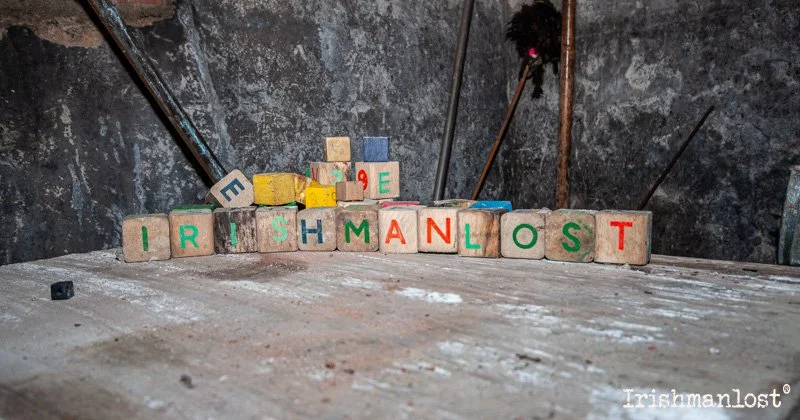
I found enough old alphabet building blocks to spell my name
Today, Newtownbreda Primary School, I remember, no longer exists. The buildings have gone, the playground has changed, and the children who once filled those classrooms have long since grown up and moved on. But for those of us who attended, Newtownbreda Primary will always exist somewhere in memory. For me, those seven years between 1979 and 1986 remain part of my childhood and part of my own history. When I returned with my camera, I wasn't just photographing an abandoned school; I was photographing a piece of my past. The photographs preserve what remained of the building, but the memories preserve something more important: the feeling of being there, the places where we played, the accidents, the friendships, the teachers and all those ordinary days that didn't seem important enough to remember until many years had passed.
That is why abandoned places matter to me. Abandonment is not really the end of a building's story. Sometimes it is the moment when we begin to realise just how much history was contained within it. Newtownbreda Primary had already lived several lives before I ever walked through its doors, and for decades it continued to collect the memories of everyone who passed through them. Eventually, the children left for the last time, the building was abandoned, the fire took another part of it, and eventually even the school itself disappeared. But the memories remain. For me, Newtownbreda Primary School will always be the place where I spent seven years of my childhood, where I made memories without knowing they would one day become history, and where, many years later, I returned with a camera to capture what was left before it disappeared.
And maybe that's the real history of places like Newtownbreda.
Not just the buildings we lose.
But the lives we leave behind inside them.
