
From Wartime Training Depot to the End of a Military Era
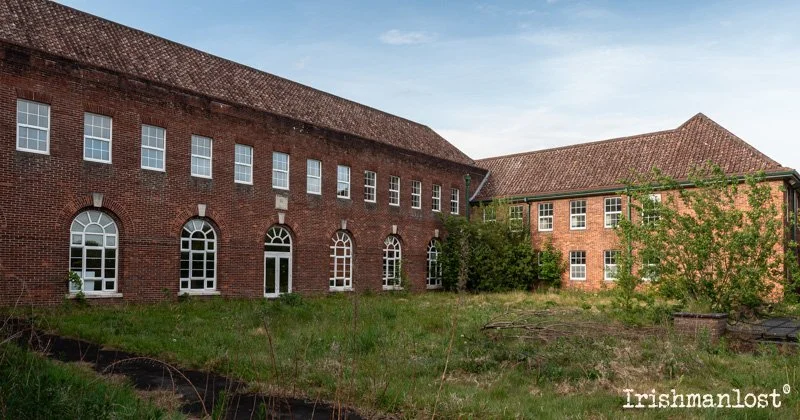
For much of the twentieth century, St Patrick’s Barracks was an important part of Ballymena’s military history. Established in the years leading up to the Second World War, the barracks became a training centre for successive generations of soldiers and a home for several historic Irish infantry regiments. Its story reflects not only the changing organisation of the British Army but also the wider political and military history of Northern Ireland, from the Second World War and the post-war years through the Troubles and the eventual withdrawal of the Army from the site.
The barracks' history began in the late 1930s, when the War Office acquired land in Ballymena for military use. The site had previously formed part of the Castle Demesne, associated with the Adair family and the former Ballymena Castle estate. Construction began in 1937, and the first soldiers arrived around 1940. The barracks brought a significant military presence to the town, transforming part of the former estate into a purpose-built installation with accommodation, administrative buildings, training facilities, and parade grounds.
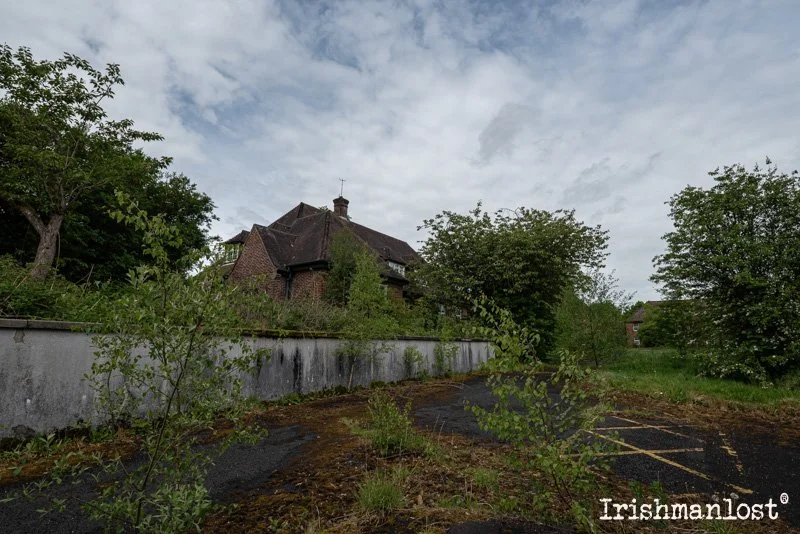
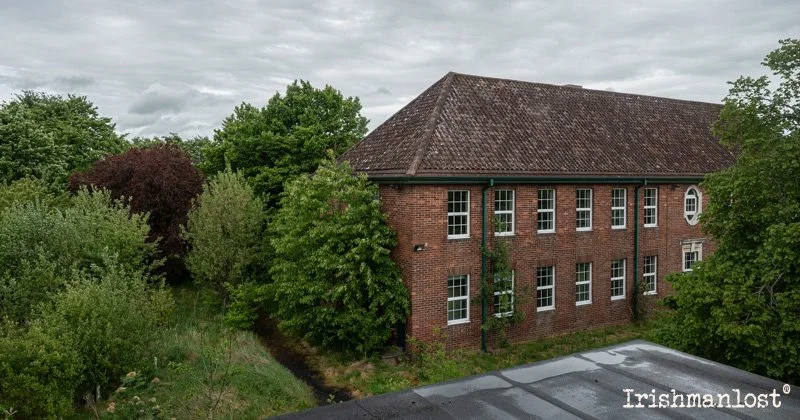
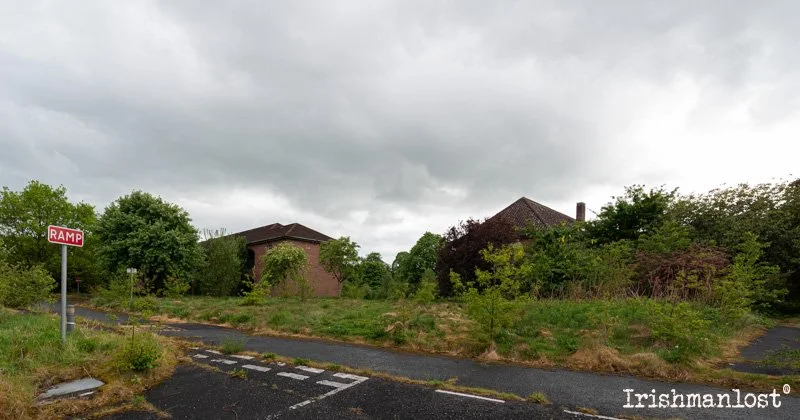
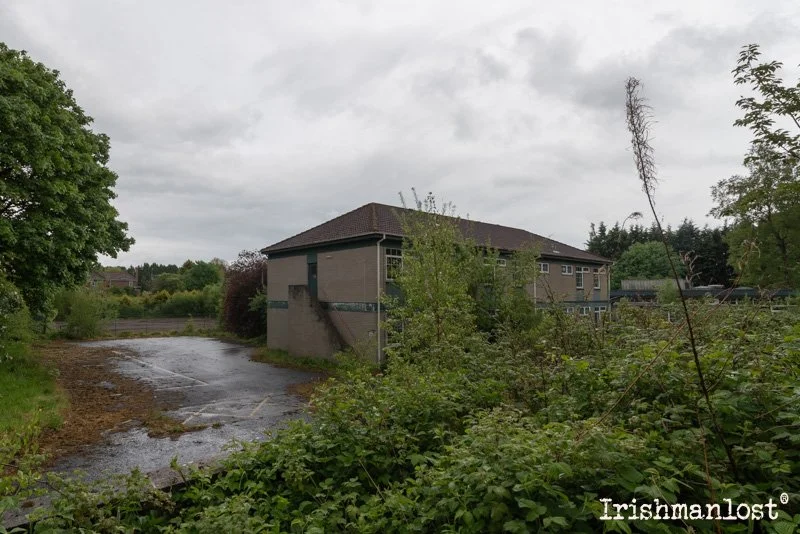
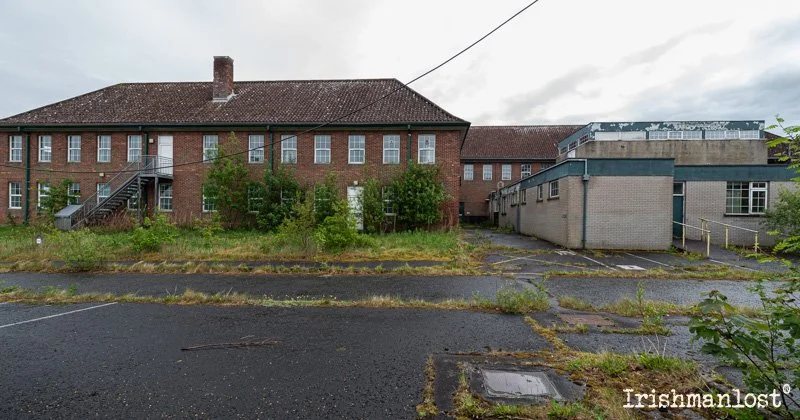
The timing of its opening coincided with the outbreak of the Second World War. Northern Ireland became an important military base during the conflict, with its ports, airfields and training establishments supporting the wider British and Allied war effort. American forces also arrived in Northern Ireland during this period, using locations across the region as staging areas before deployment to Europe. St Patrick’s Barracks was among the military establishments used during the war, with the United States Army occupying the site for a period. British Army training organisations also operated there, including the General Service Corps No. 12 Primary Training Centre, which was based at the barracks between November 1942 and December 1943.
Following the war, St Patrick’s continued its association with the Royal Ulster Rifles, becoming an important centre for the training of recruits. The regiment had a long history connected to Ireland and had served in numerous conflicts before the establishment of the barracks. For the young men who arrived in Ballymena, the depot represented the beginning of military life. Recruits underwent physical training, learned infantry skills and became accustomed to the discipline and routines of Army service before being posted to operational units. Although the barracks were based in a provincial town, their influence extended far beyond County Antrim, with soldiers eventually serving in locations across Britain and overseas.
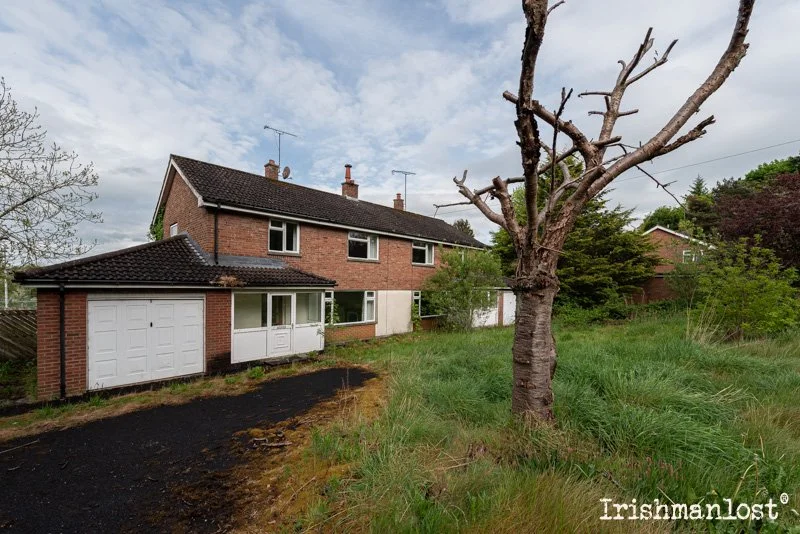
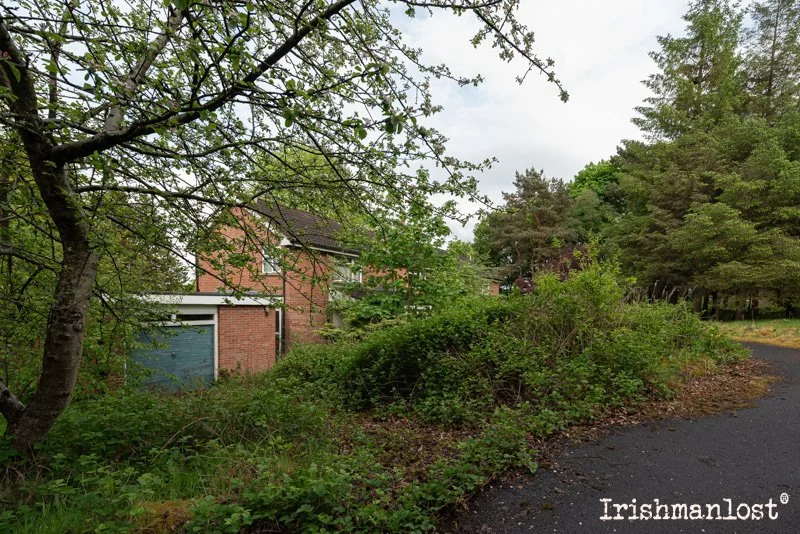
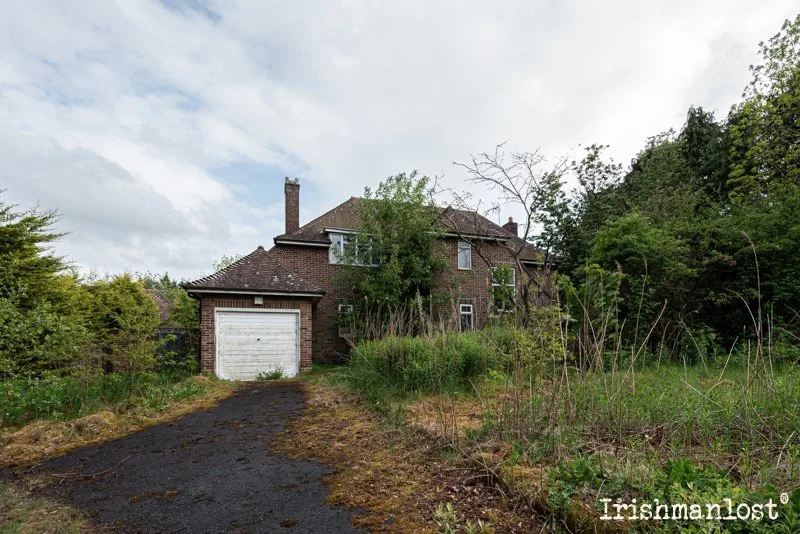
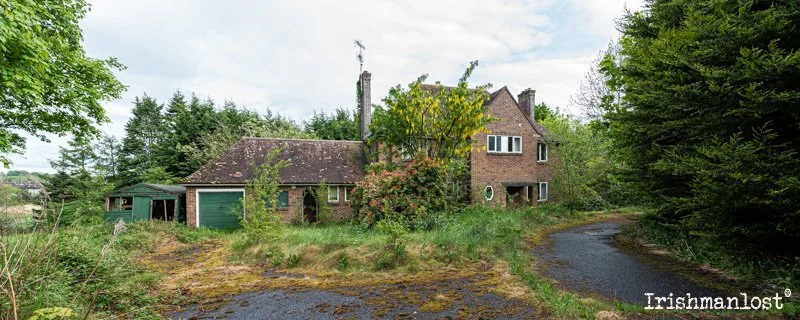
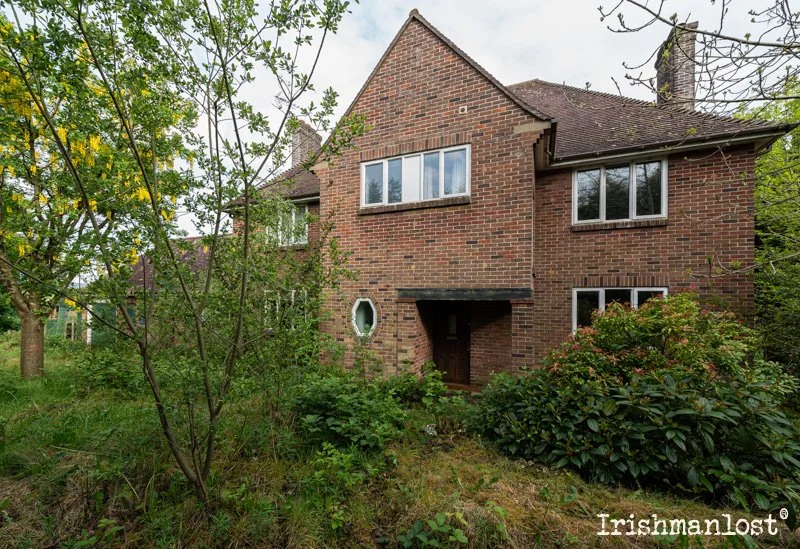
During the 1960s, changes within the British Army brought several historic Irish regiments together under a new organisational structure. On 2 April 1964, the North Irish Brigade Depot transferred from Eglinton to St Patrick’s Barracks. Its official opening took place on 15 June 1965, when Field Marshal Sir Gerald Templer inspected a guard at the new depot. The move strengthened Ballymena’s position as an important centre for infantry training in Northern Ireland. Further changes followed in 1968, when the Royal Inniskilling Fusiliers, Royal Ulster Rifles and Royal Irish Fusiliers were amalgamated to form the Royal Irish Rangers. The reorganisation reflected a wider period of restructuring within the British Army, as traditional regimental identities were brought together into larger formations. St Patrick’s became closely associated with the Royal Irish Rangers, continuing its role as a training establishment where recruits learned their trade and the traditions of the regiments were maintained.
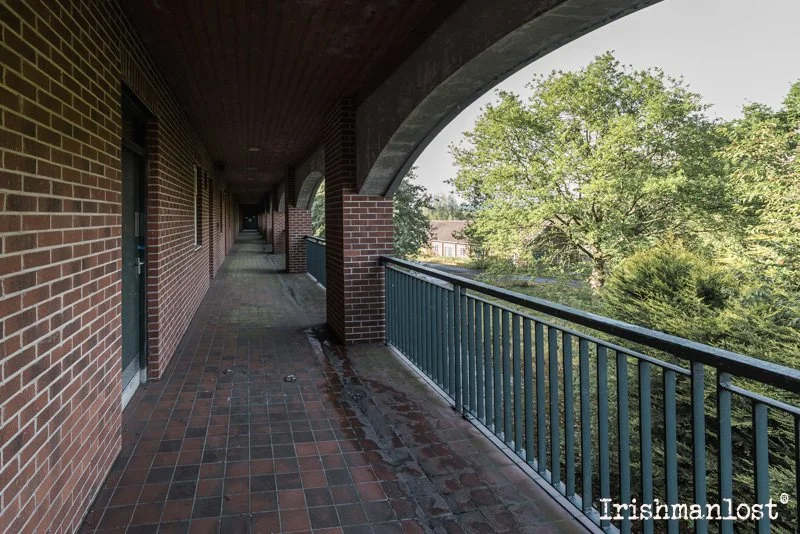
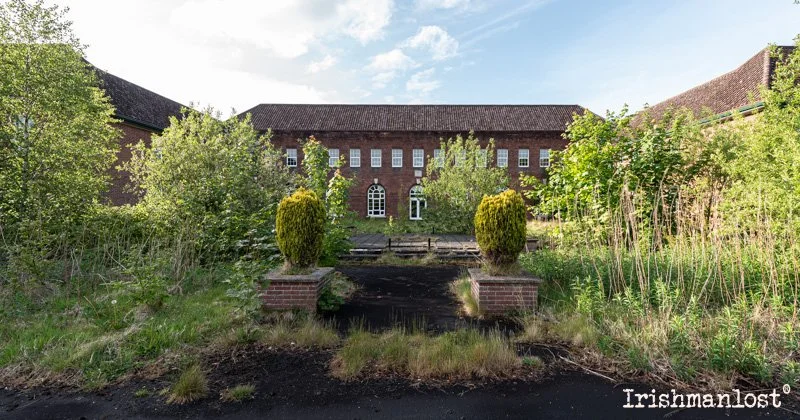
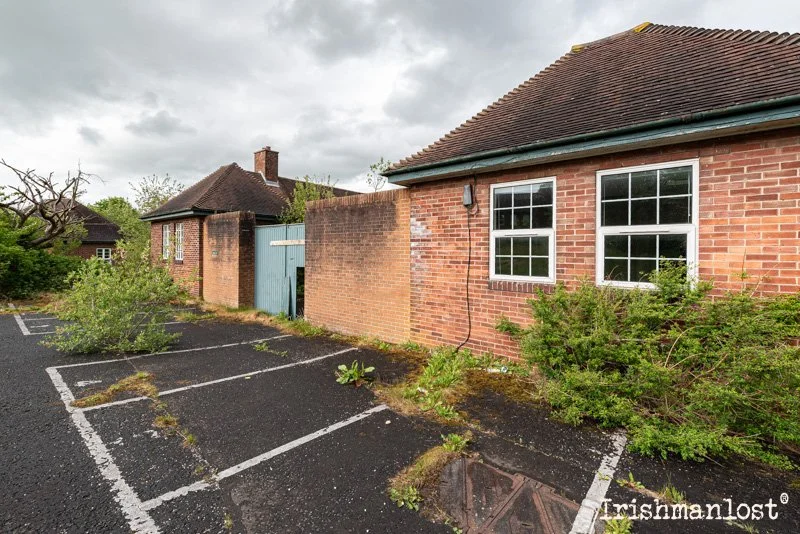
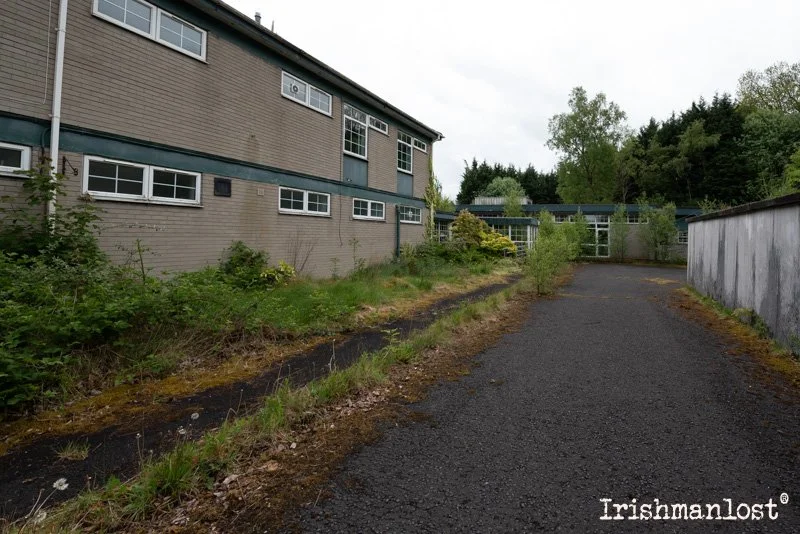
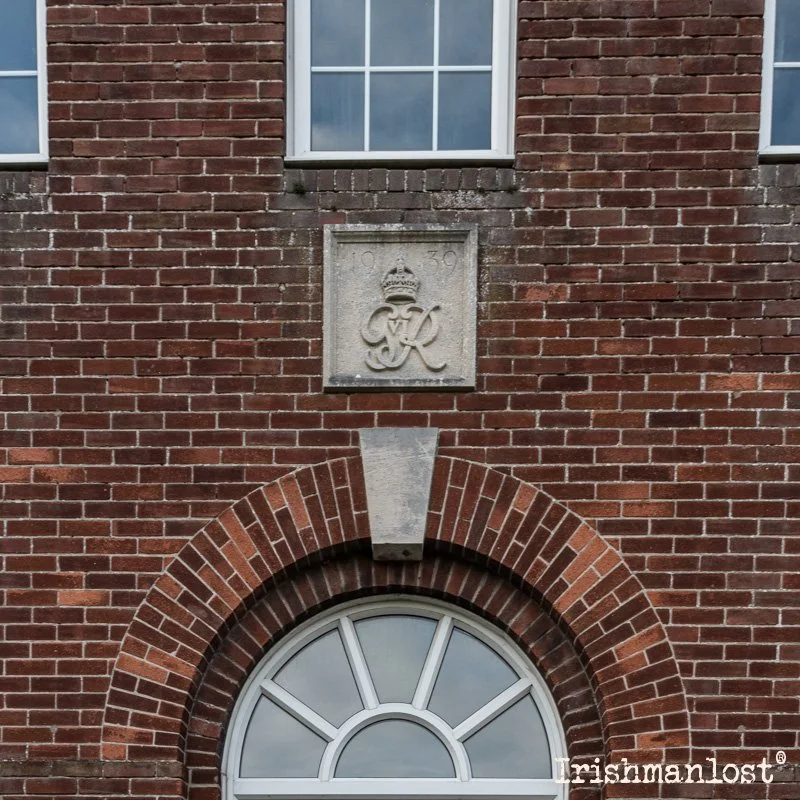
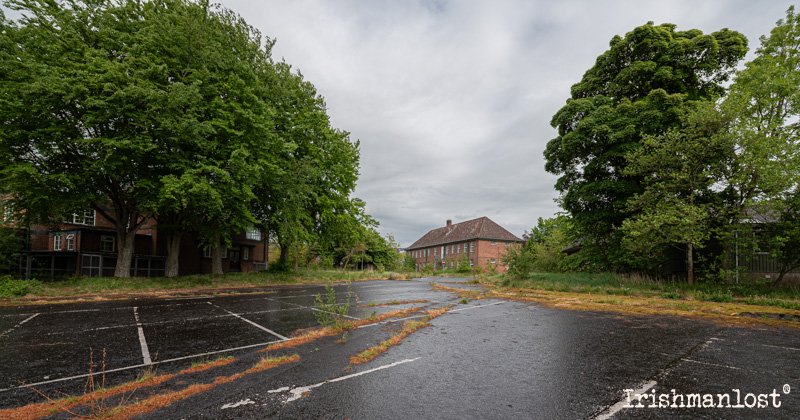
Training remained central to life at the barracks. The parade ground was used for drill, inspections and formal ceremonies, while recruits spent their days learning the skills required for military service. Passing-out parades marked the completion of basic training and were important occasions for soldiers and their families. In May 1977, Roy Mason, then Secretary of State for Northern Ireland, reviewed recruits of the Royal Irish Rangers at a passing-out parade held at St Patrick’s. Such events connected the military establishment with the wider community, bringing families and visitors into Ballymena to witness the achievements of those completing their training.
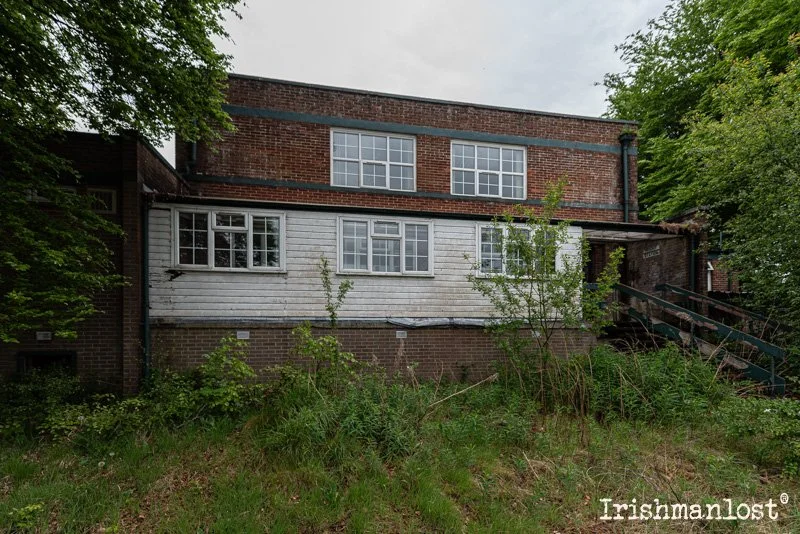
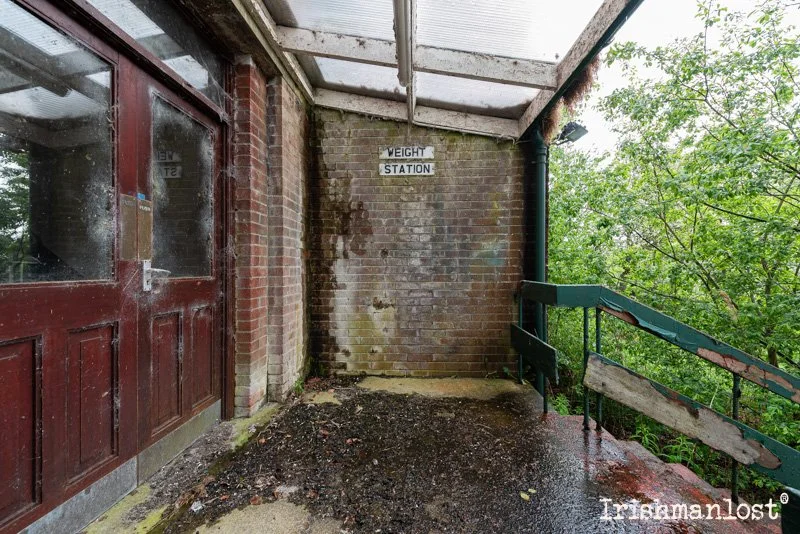
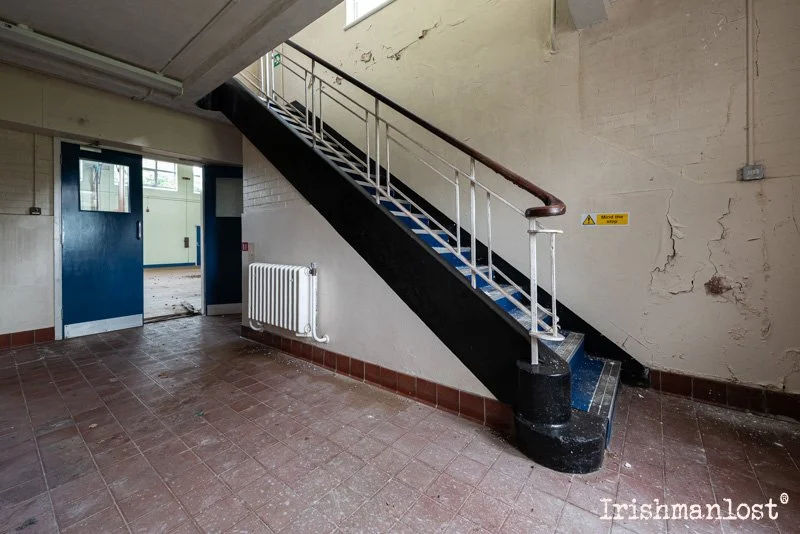
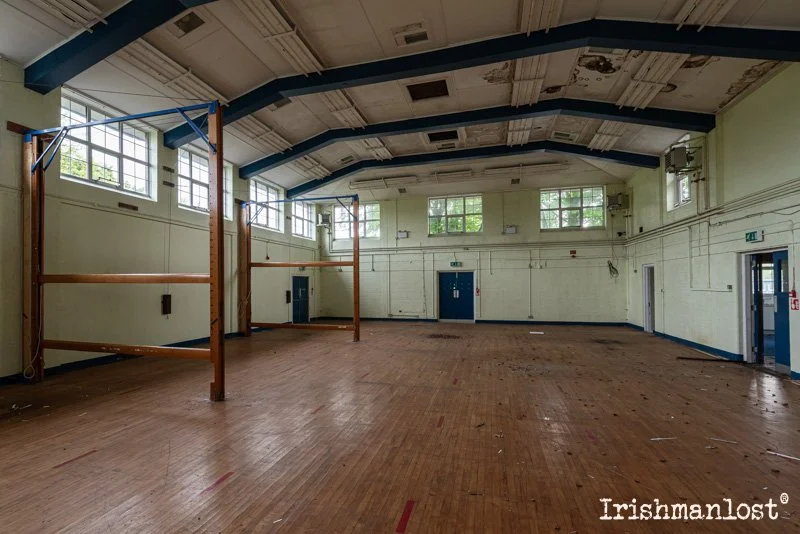
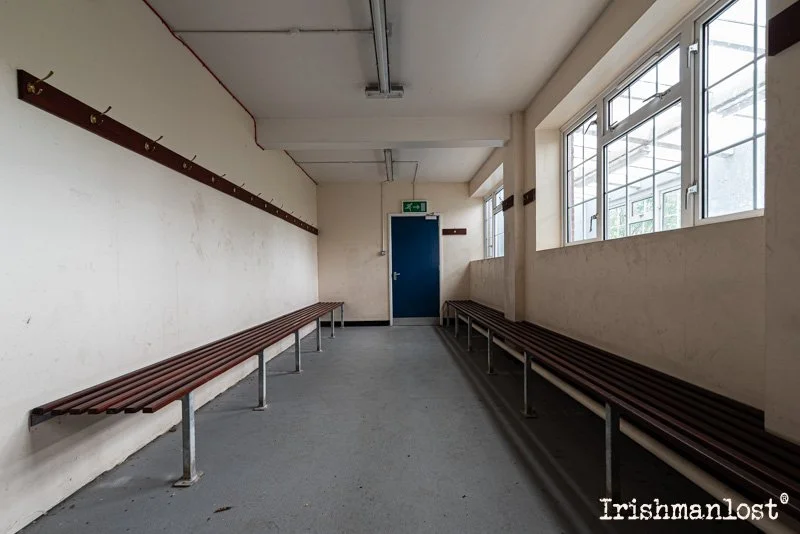
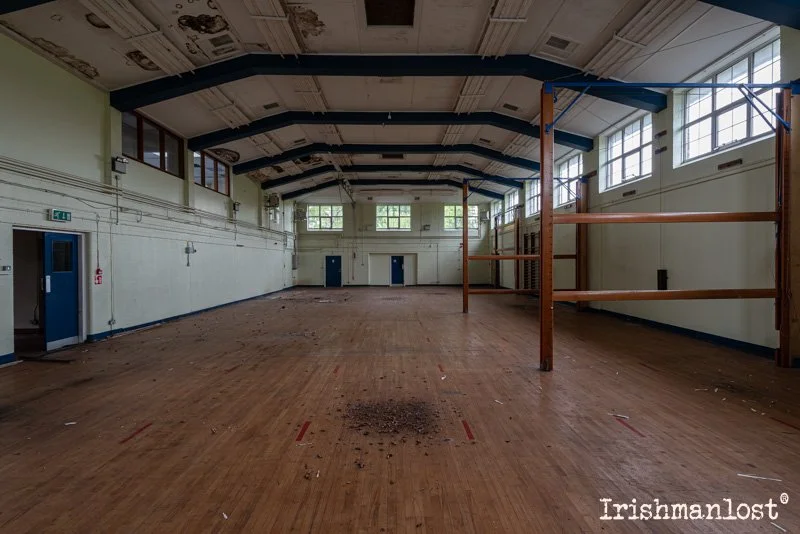
The history of St Patrick’s Barracks cannot be separated from the political and security situation that developed in Northern Ireland from the late 1960s onwards. The outbreak of the Troubles brought a prolonged period of conflict, and the British Army assumed a substantial role in security operations throughout the region. Military installations became important centres for administration, training and the preparation of personnel serving in Northern Ireland. Although St Patrick’s retained its training function, it formed part of the broader military infrastructure supporting the Army's presence during a period of profound political and social change.
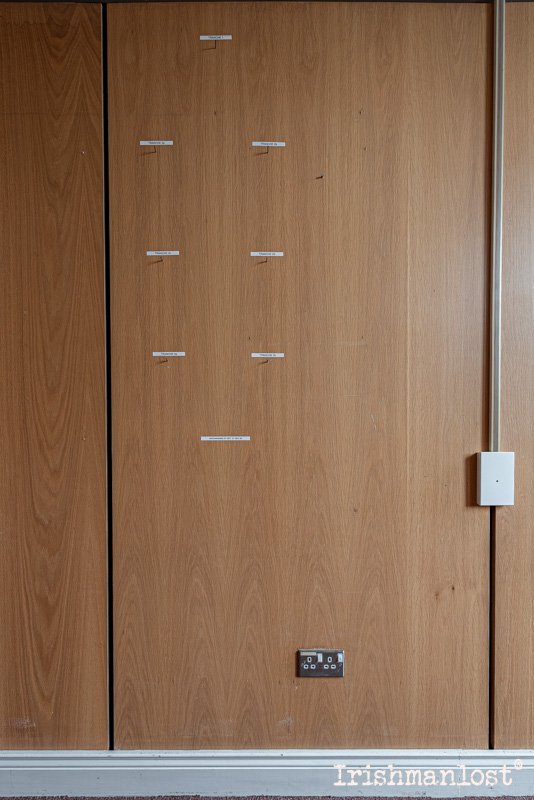
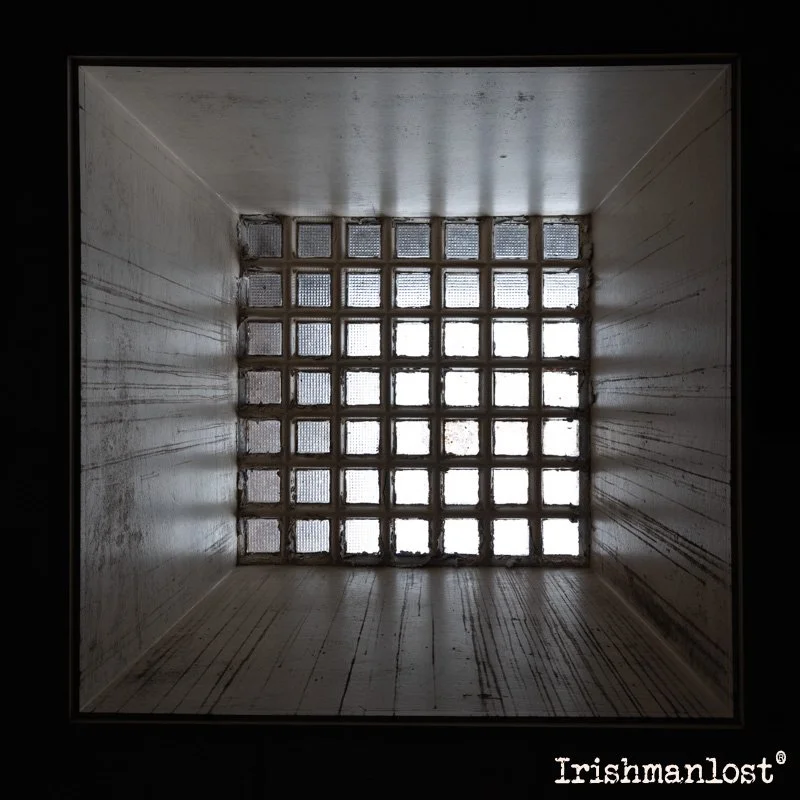
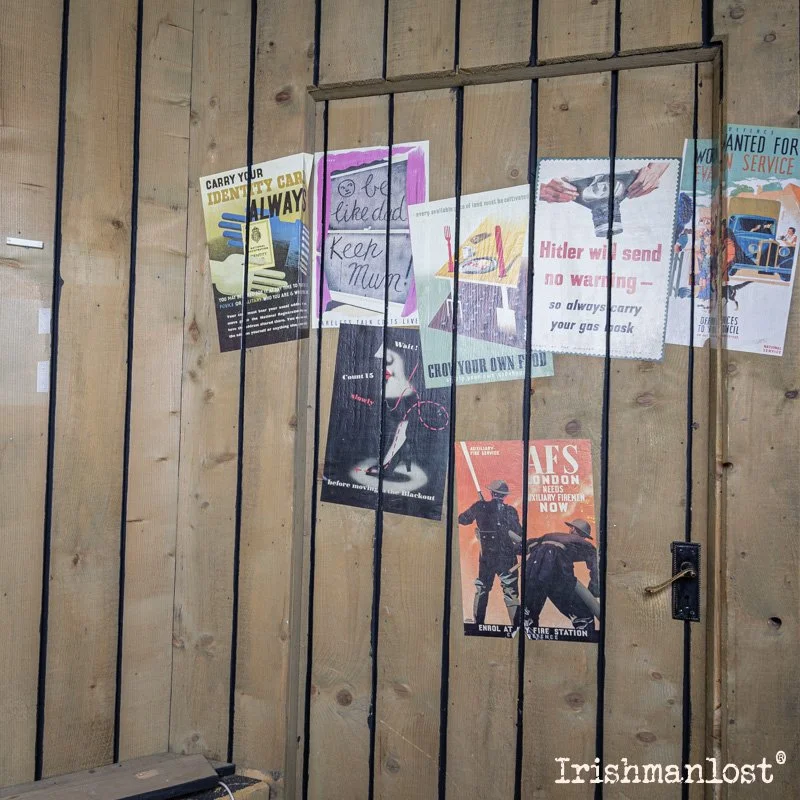
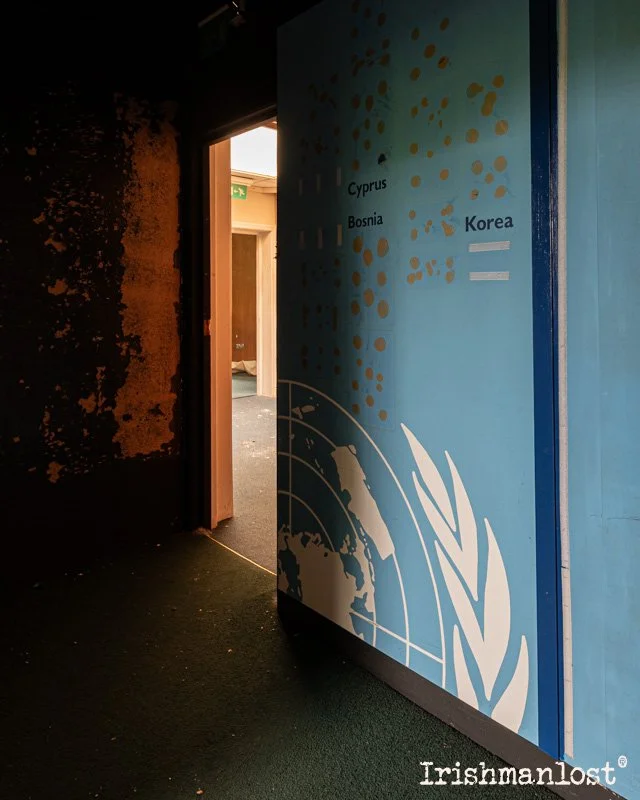
As the conflict continued, the Army's responsibilities in Northern Ireland extended well beyond traditional infantry training. Personnel required preparation for operating in a complex security environment, and military establishments across the region adapted to changing operational demands. St Patrick’s was used for a range of training activities, including weapons instruction, specialist courses and medical training. A Ministry of Defence training film held by the Imperial War Museums, dating from 1990, identifies the barracks as one of the Army's principal training locations in Northern Ireland.
In 1992, another significant reorganisation took place with the formation of the Royal Irish Regiment through the amalgamation of the Royal Irish Rangers and the Ulster Defence Regiment. The new regiment brought together units with different histories and experiences of service in Northern Ireland. St Patrick’s continued its association with Irish infantry training, becoming connected to the headquarters and training organisation of the Royal Irish Regiment. By this stage, the barracks had witnessed considerable change. The regiments, uniforms and organisational structures had evolved, while the political circumstances surrounding military service in Northern Ireland had transformed considerably since the site's establishment before the Second World War.
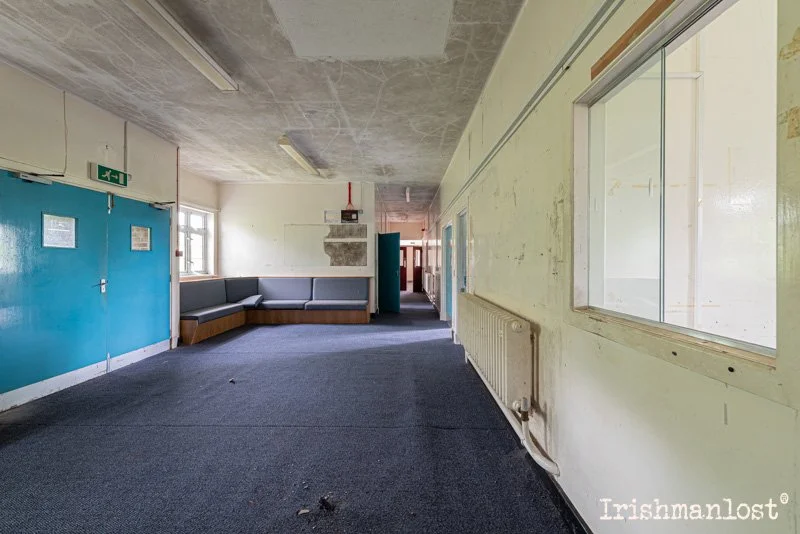
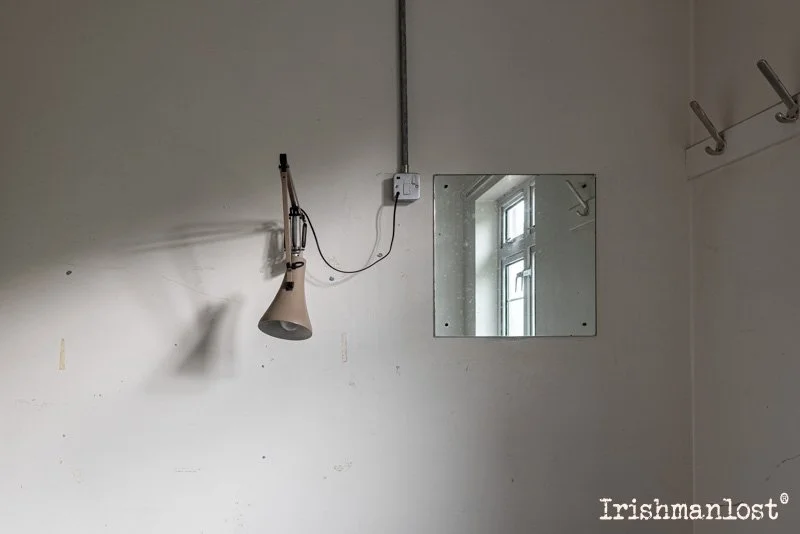
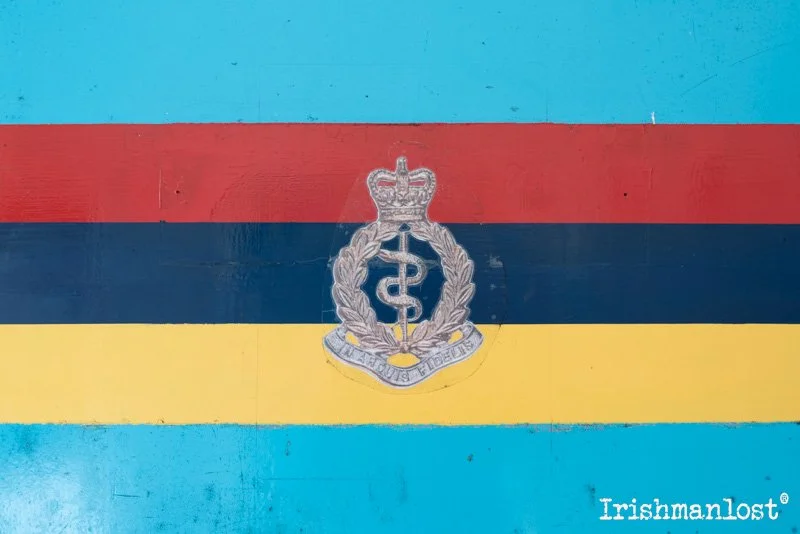
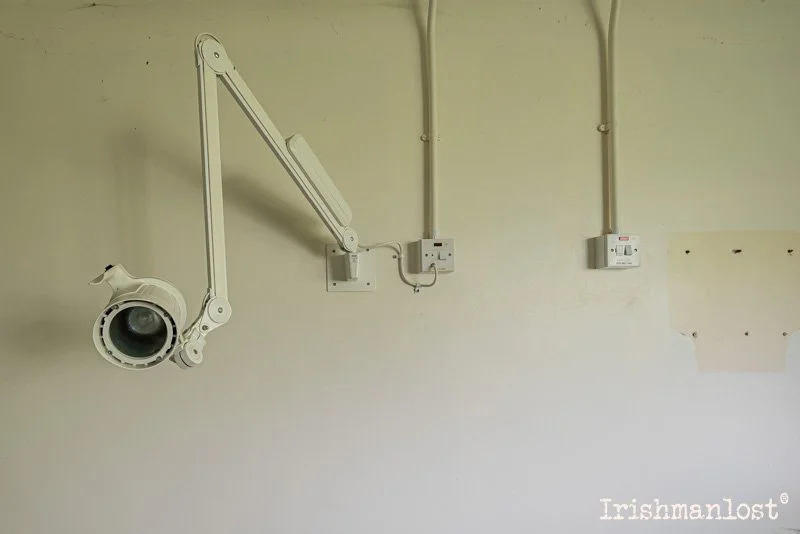
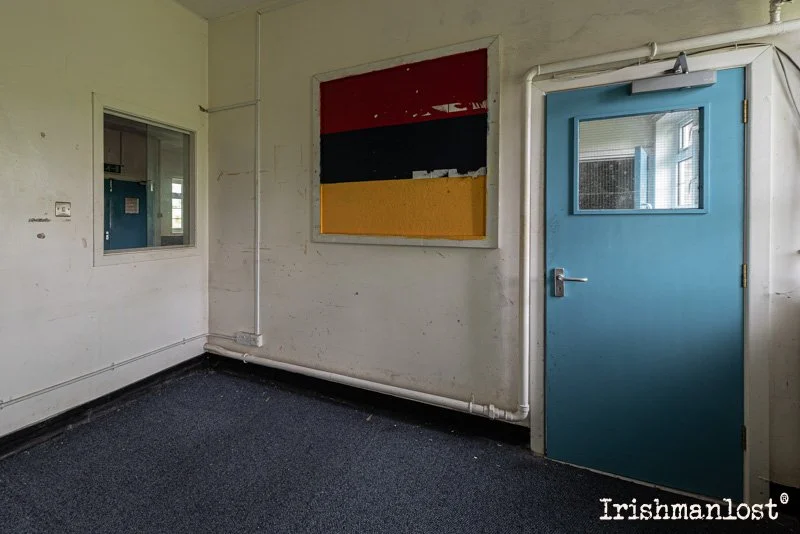
The barracks also maintained connections to the wider history of Irish military service overseas. Among the memorials associated with St Patrick’s was the Imjin River Memorial, commemorating Irish soldiers killed during the Korean War, including those who died during fighting at Chaegunghyon in January 1951. Following the closure of the barracks, the memorial was moved to Belfast City Hall, ensuring that its commemorative role continued beyond the military establishment. Its history provides a reminder that the soldiers trained in Ballymena were part of a much wider story of military service, with connections to conflicts and deployments far beyond Northern Ireland.
By the beginning of the twenty-first century, the military presence at St Patrick’s was approaching its end. Changes in the Army's requirements, together with the wider political developments surrounding the peace process and the changing security situation in Northern Ireland, contributed to a gradual reduction in the need for permanent military infrastructure across the region. St Patrick’s Barracks closed in 2007, bringing more than seven decades of military use to an end.
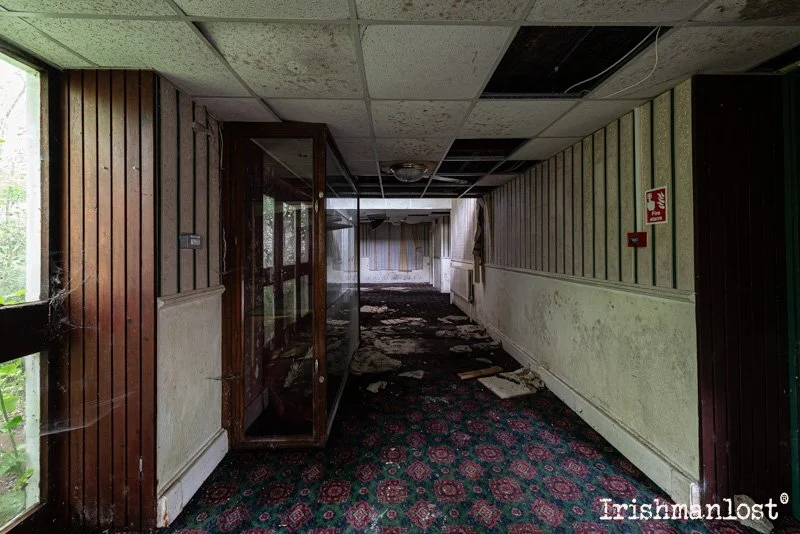
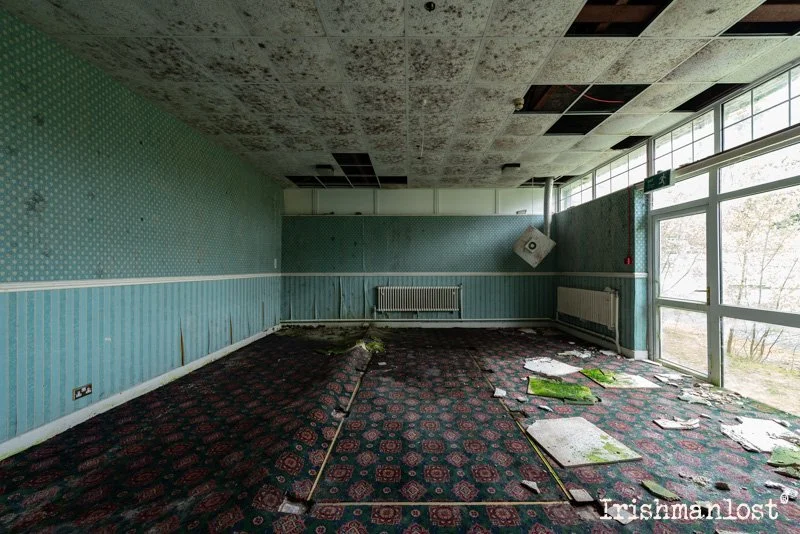
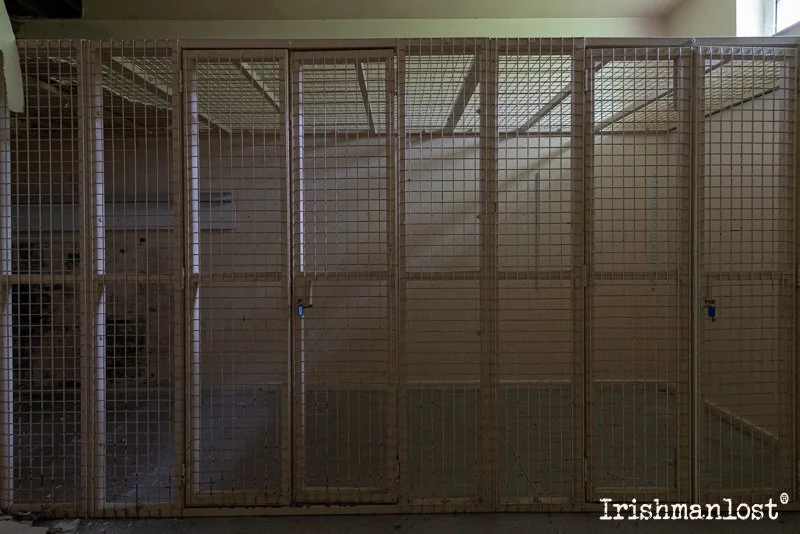
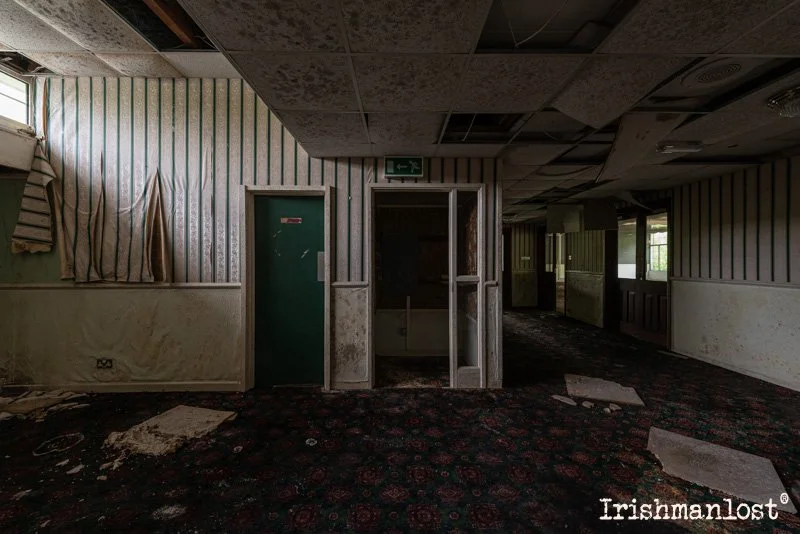
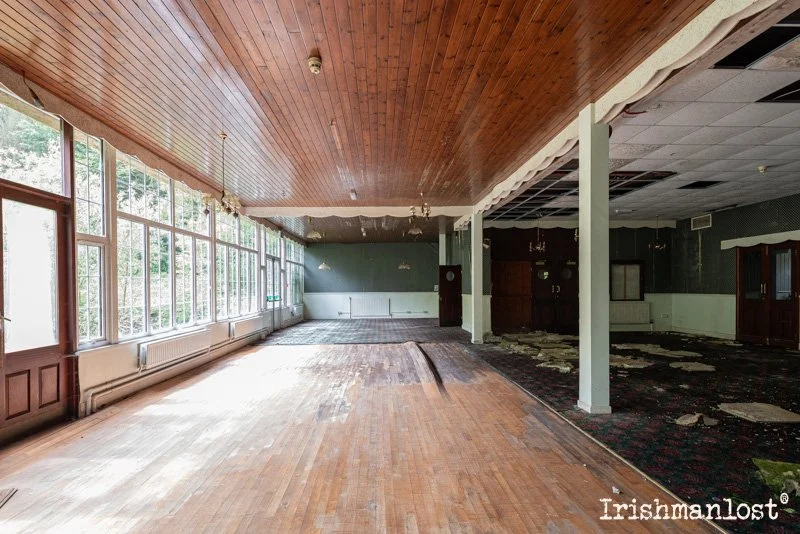
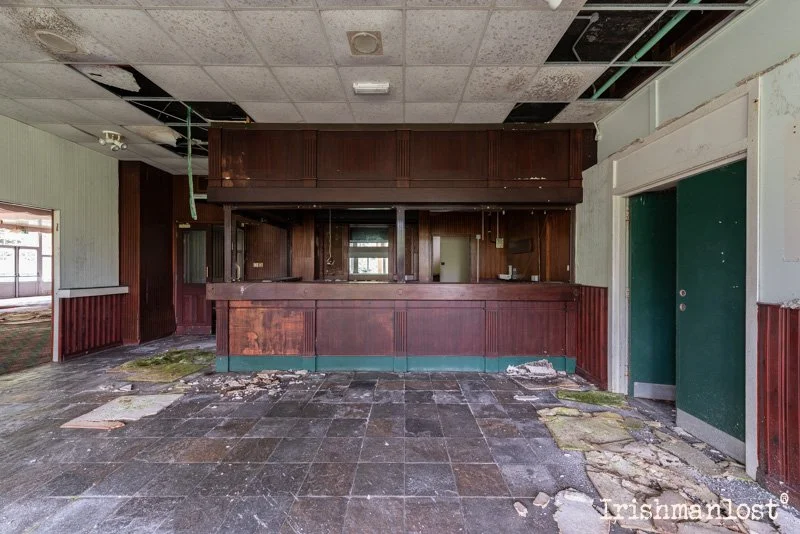
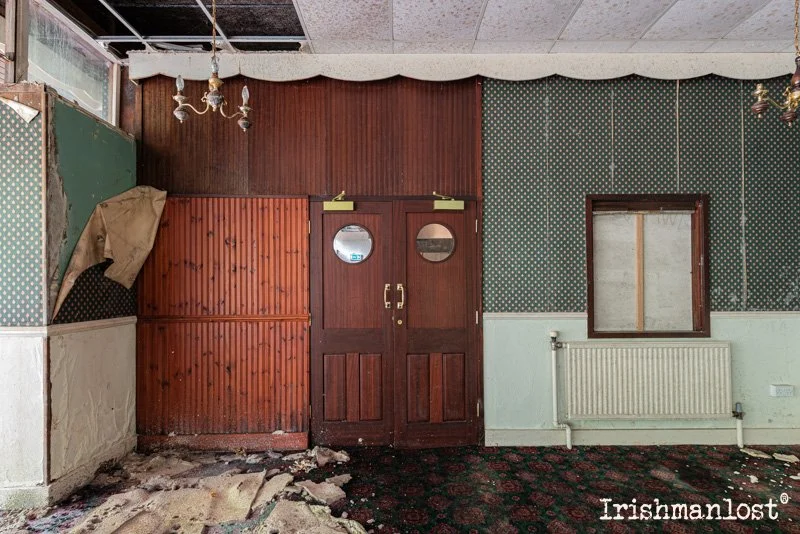
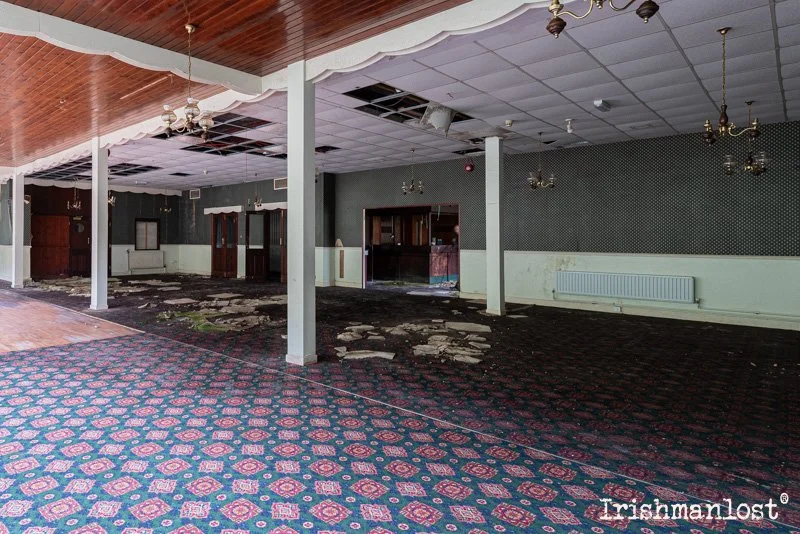
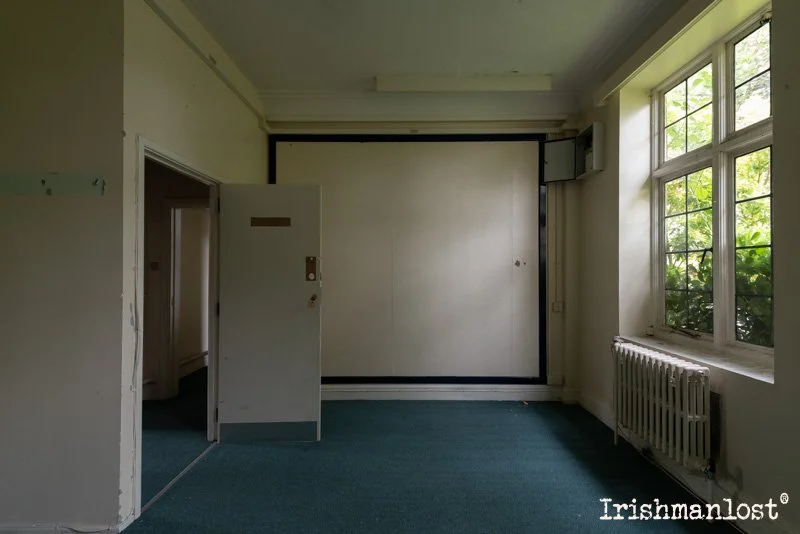
For Ballymena, the closure marked the disappearance of an institution that had long formed part of the town's identity. Generations of recruits had passed through its gates, while military personnel and their families had developed lasting connections to the area. The parade grounds, accommodation blocks and administrative buildings had once been organised around the routines of military life. With the departure of the Army, that purpose disappeared, leaving behind a site whose future was no longer connected to the regiments that had occupied it.
The former barracks were transferred to the Northern Ireland Executive in 2012 and subsequently became part of a regeneration project. The approximately fifteen-hectare site was earmarked for redevelopment, with plans incorporating housing, employment opportunities, educational facilities, community infrastructure and public spaces. The transformation represents another chapter in the changing use of land in Ballymena, as a former military establishment is gradually incorporated into the civilian life of the town.
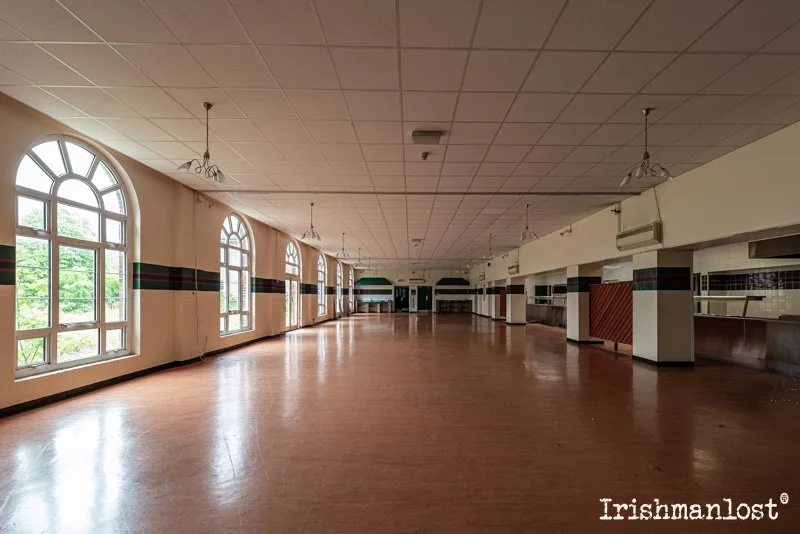
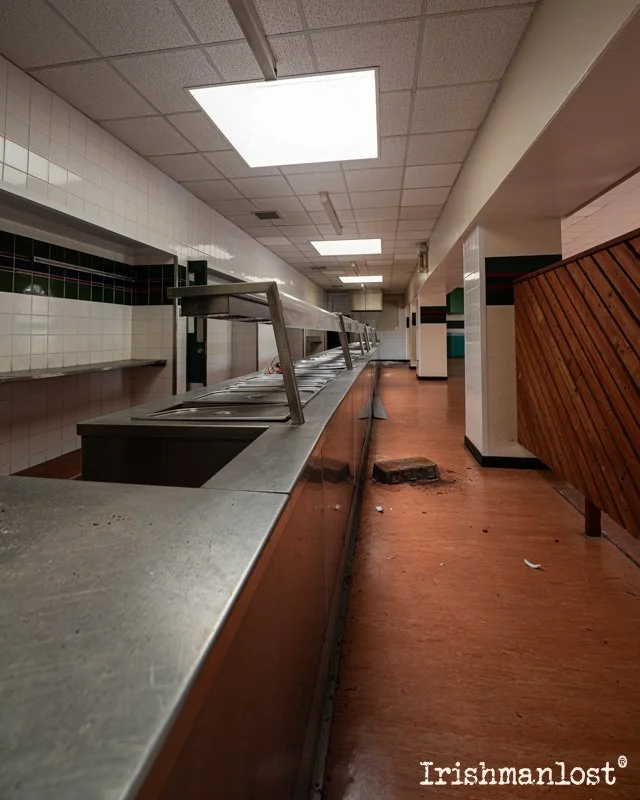
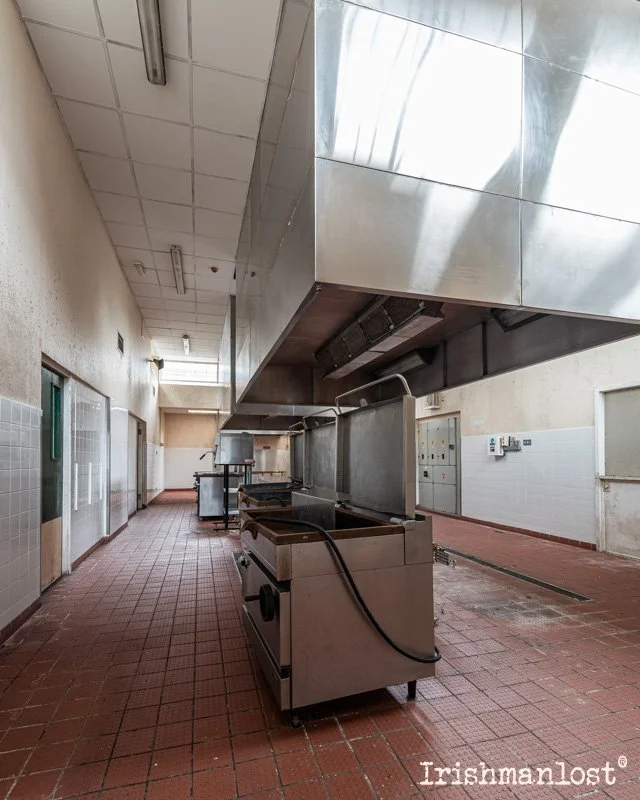
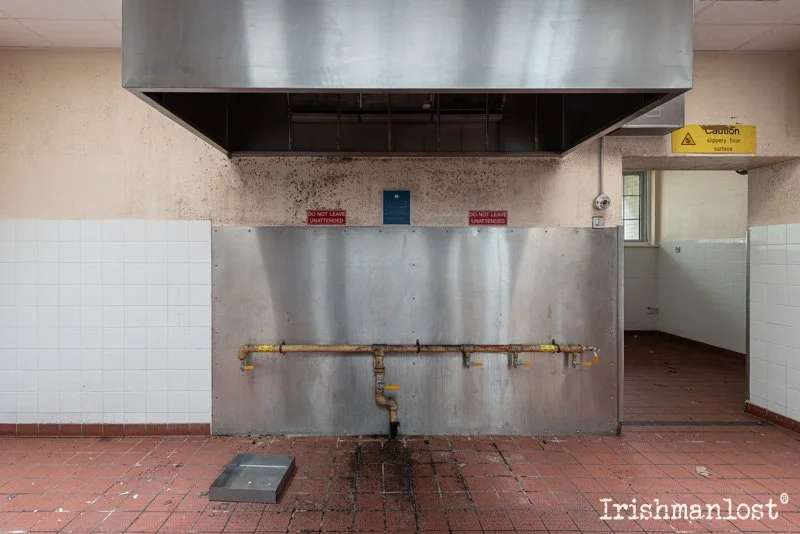
Today, the history of St Patrick’s Barracks provides a tangible connection to a period when military establishments played a significant role in Northern Ireland's towns and cities. Its story encompasses the Second World War, the development of infantry training, the reorganisation of historic Irish regiments and the long years of the Troubles. Its closure also reflects the changing circumstances of the region in the aftermath of the peace process, as the British Army's permanent presence and infrastructure were reduced.
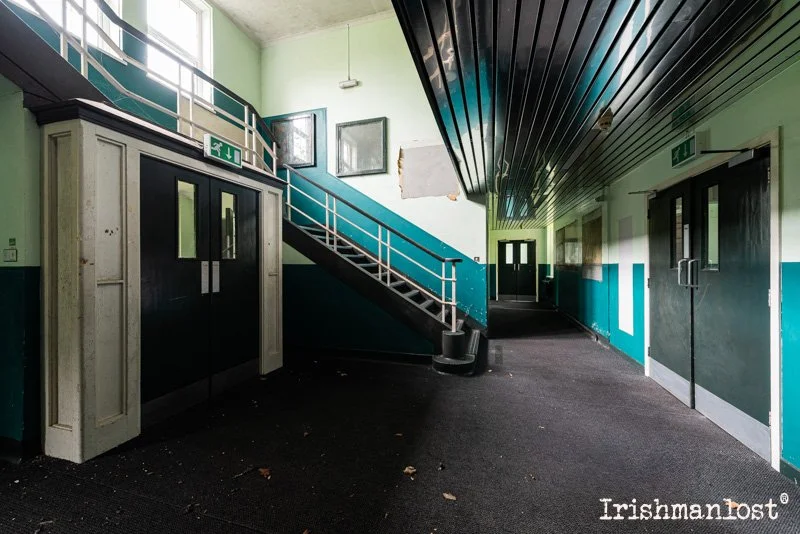
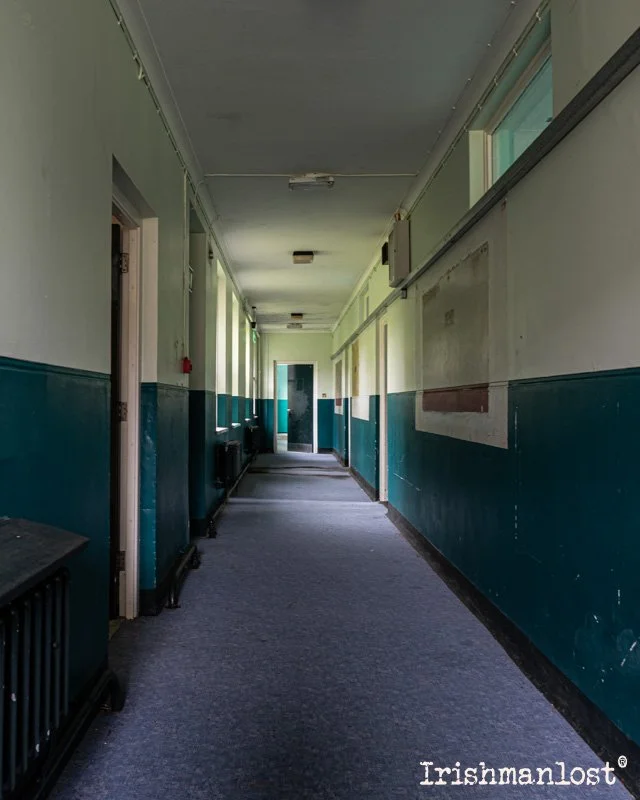
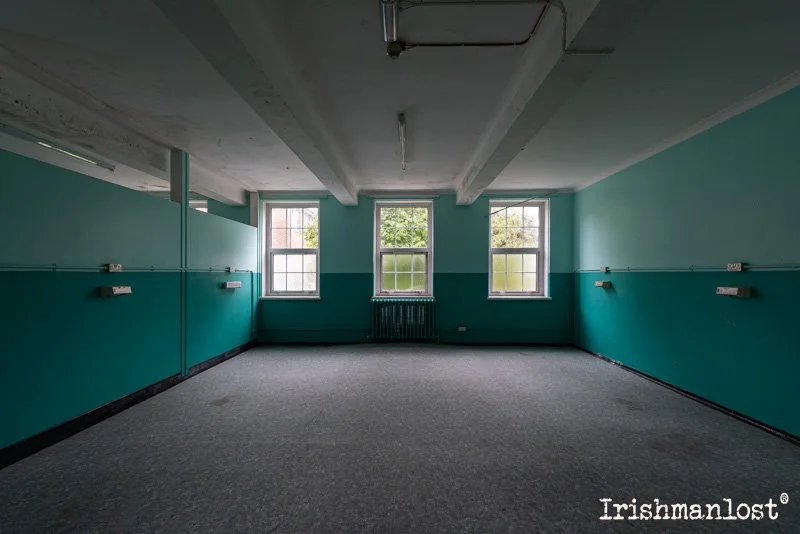
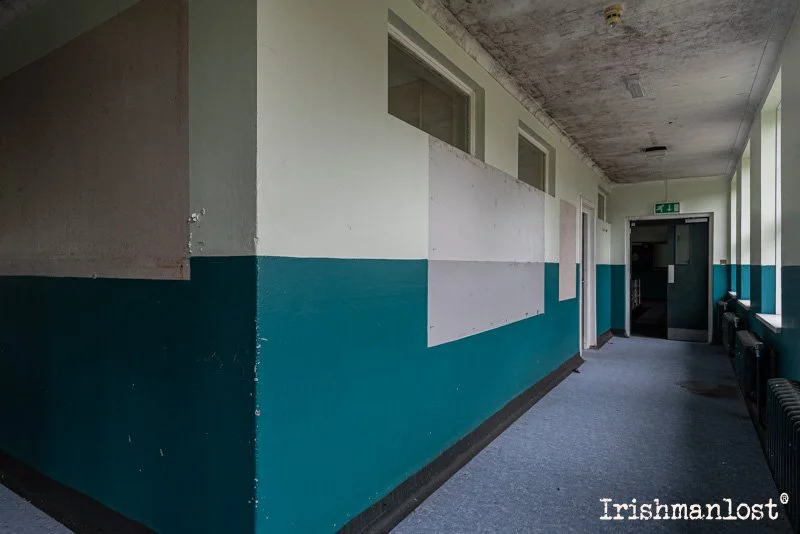
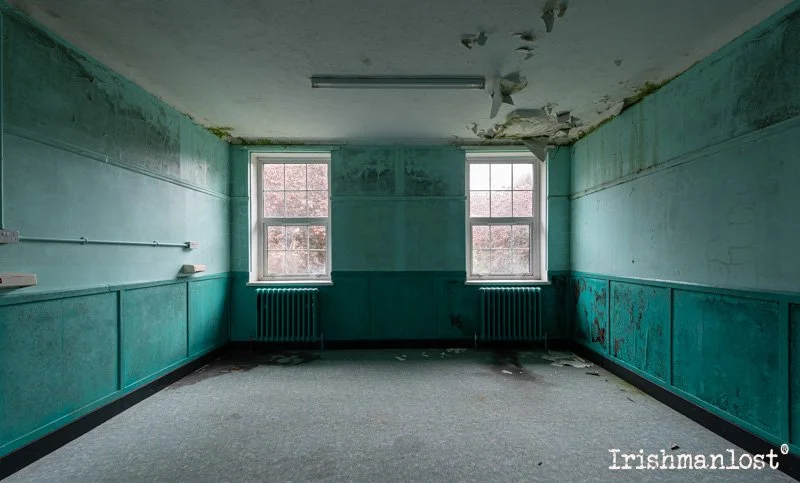
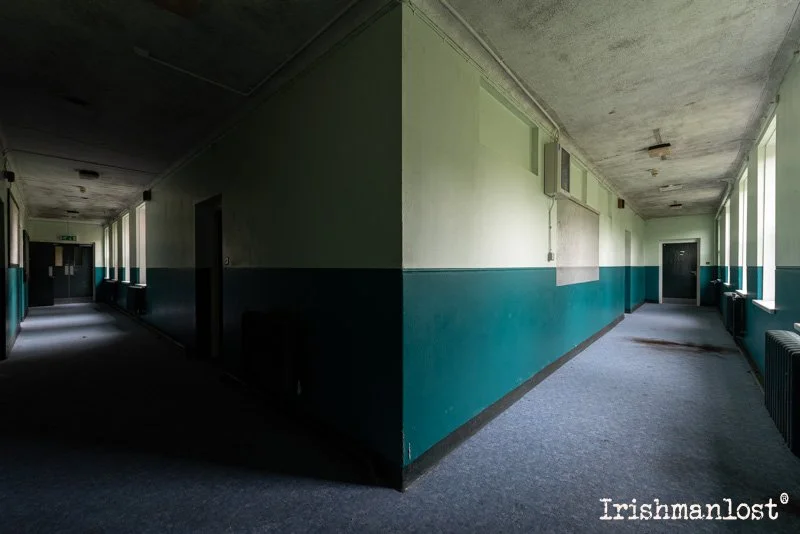
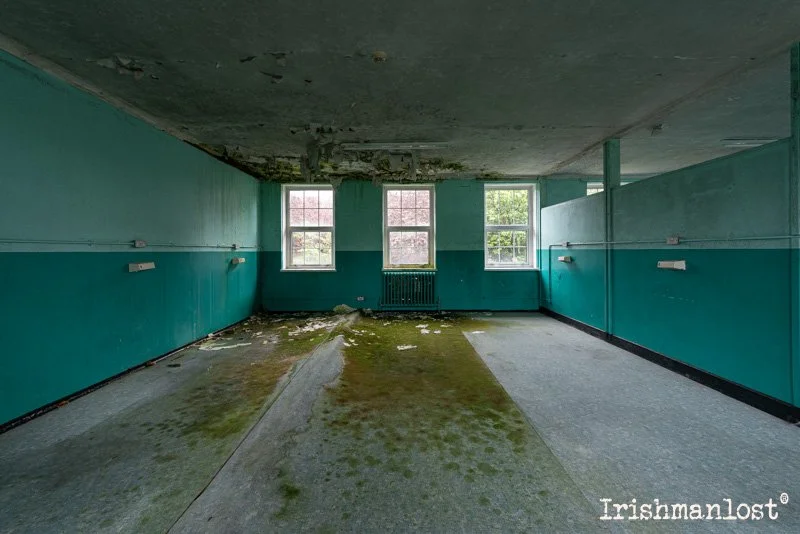
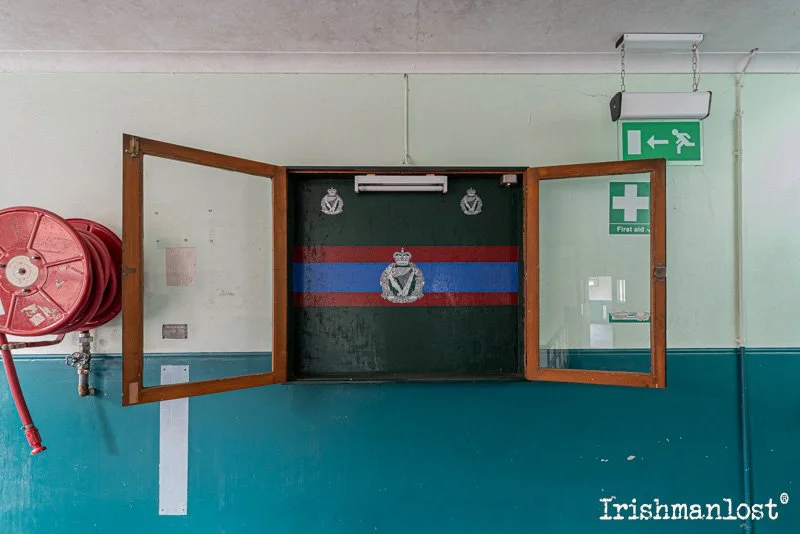
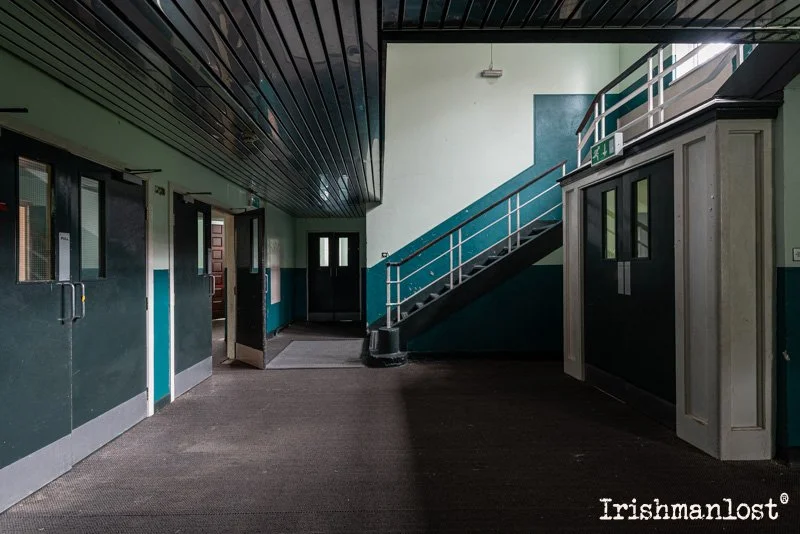
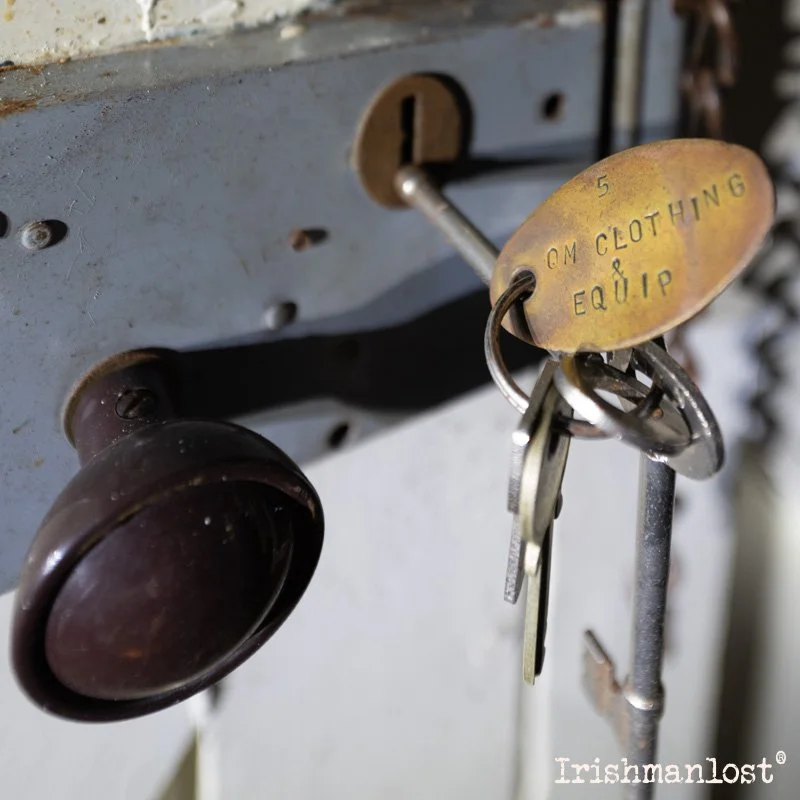
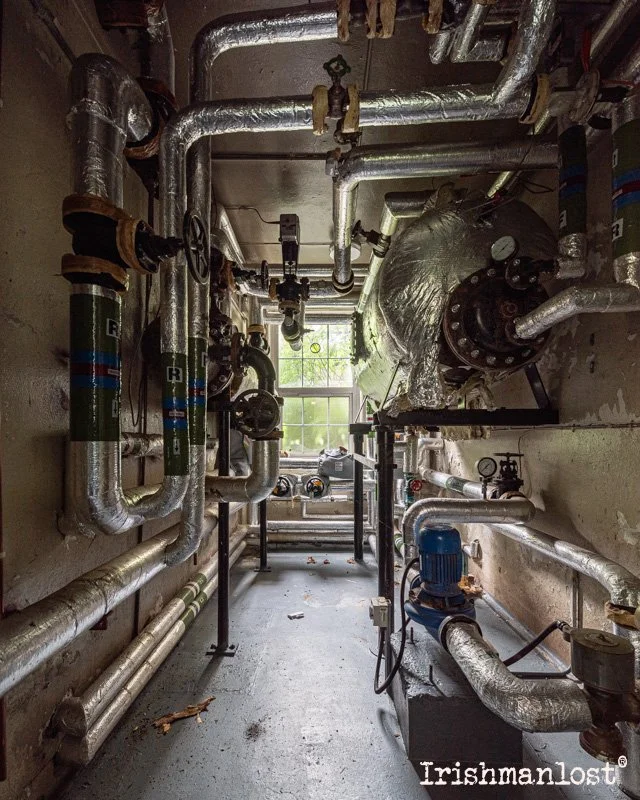
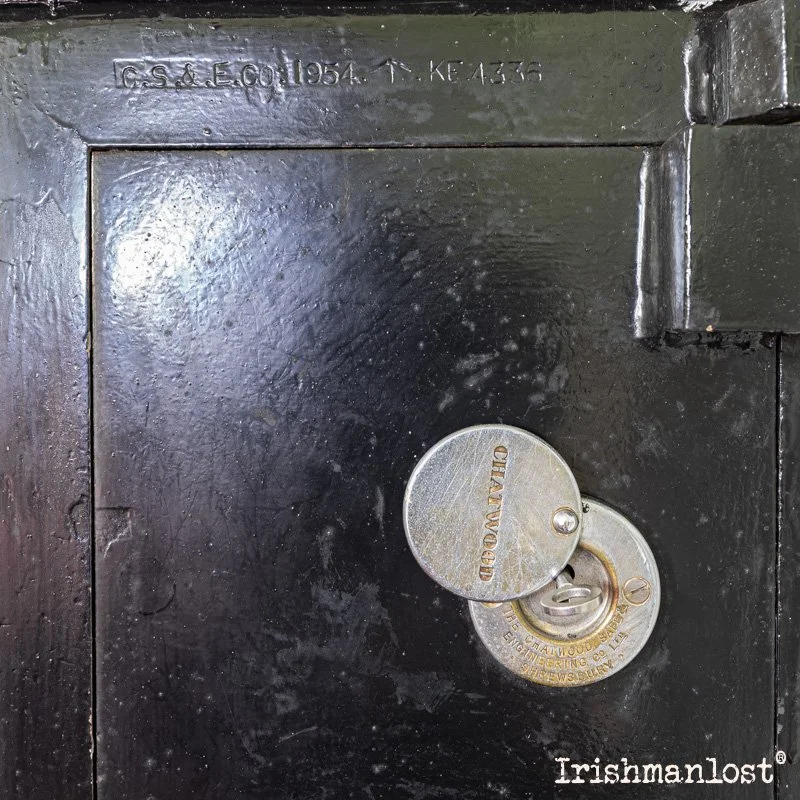
For me, places like St Patrick’s Barracks are significant because of the history they hold. Military buildings were designed for a specific purpose, with every space serving a function within a carefully organised system. When that purpose disappears, the buildings become reminders of the people who once occupied them and the events that shaped their lives. Their significance extends beyond their architecture, connecting the physical landscape to the wider history of the communities around them.
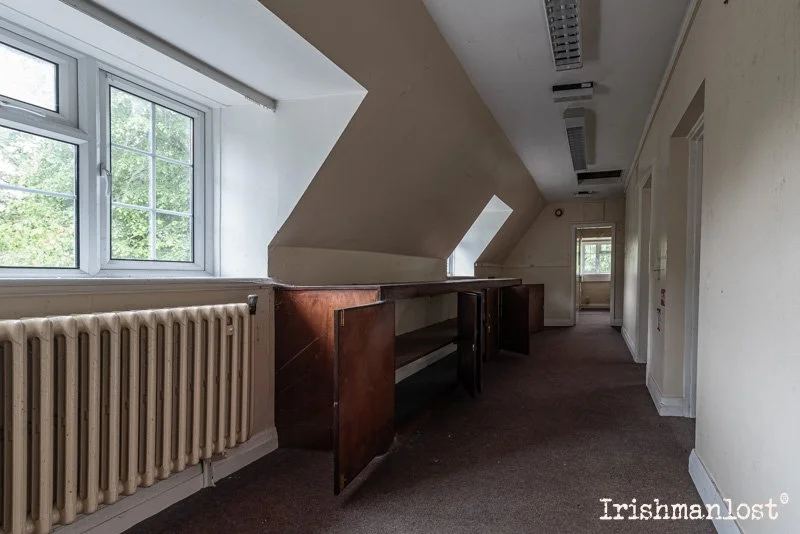
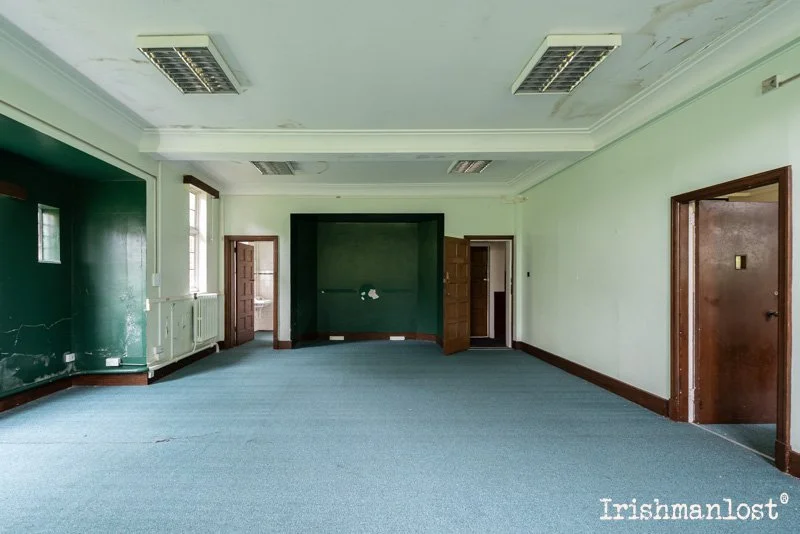
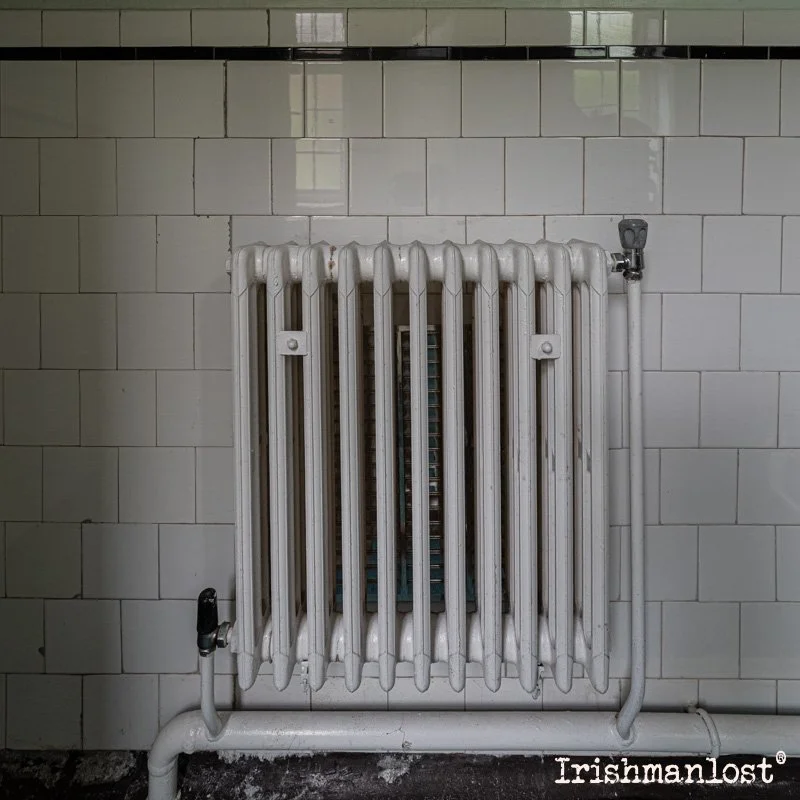
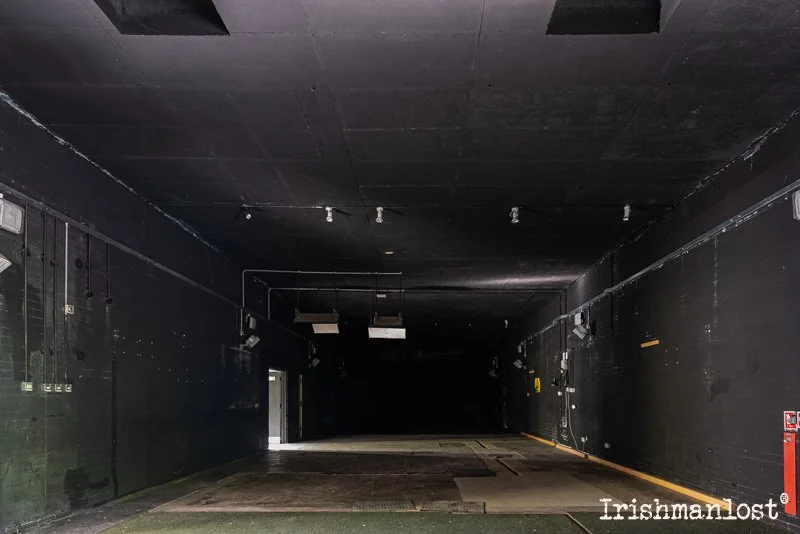
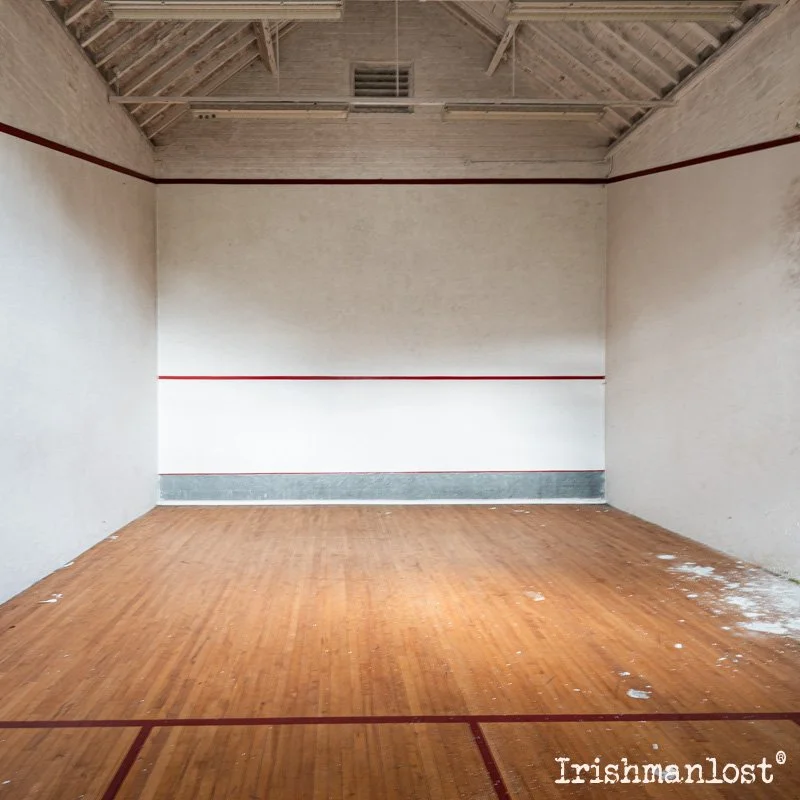
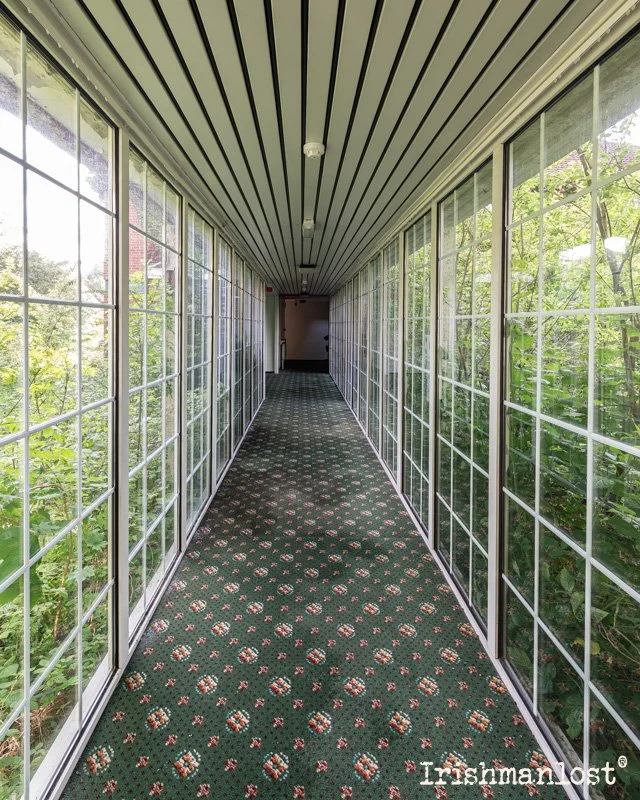
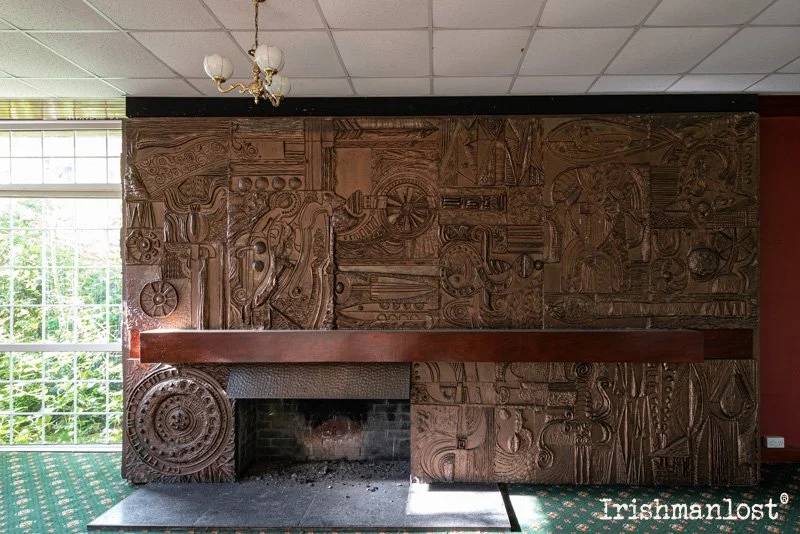
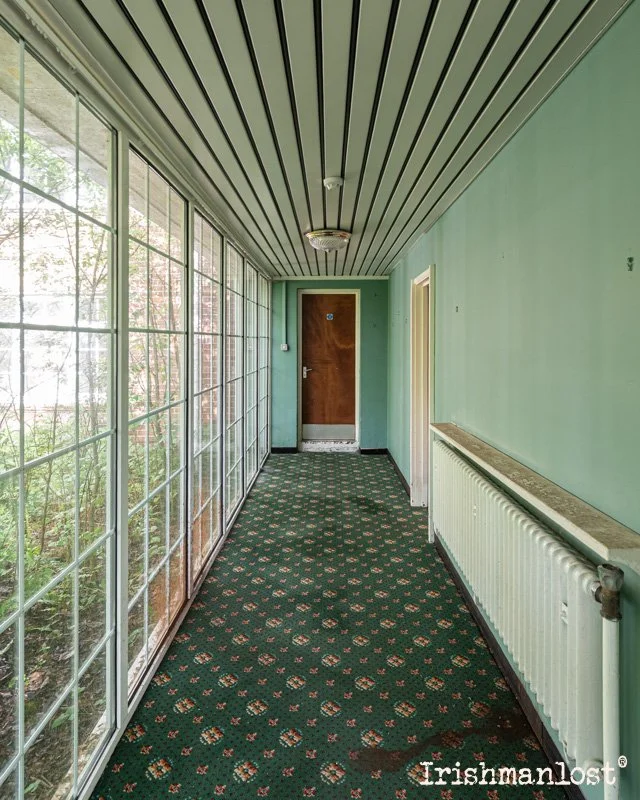
St Patrick’s Barracks was more than a military installation on the outskirts of Ballymena. It was a place where generations of soldiers began their careers, where historic regiments continued their traditions and where the changing military history of Northern Ireland could be seen unfolding. Its closure marked the end of a long chapter in the town's history, while its redevelopment reflects the continuing transformation of the region.
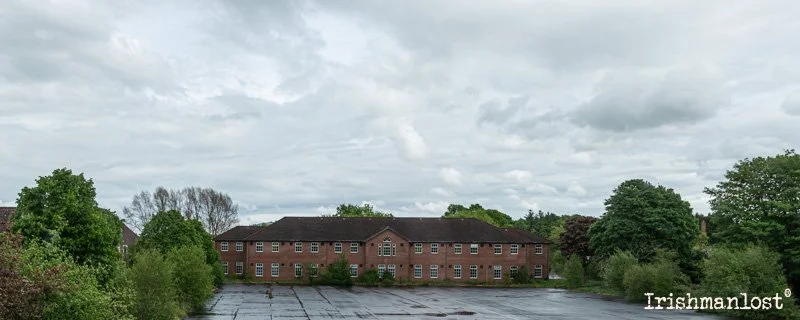
Although the military presence has gone, the story of St Patrick’s Barracks remains part of Northern Ireland's history. The buildings and grounds may change, but the lives shaped by the site and the decades of history associated with it deserve to be remembered.
